Roar Back to Life: Why the Nation’s Premier Traveling Dinosaur Drive-Thru Experience Continues to Captivate Families Nationwide

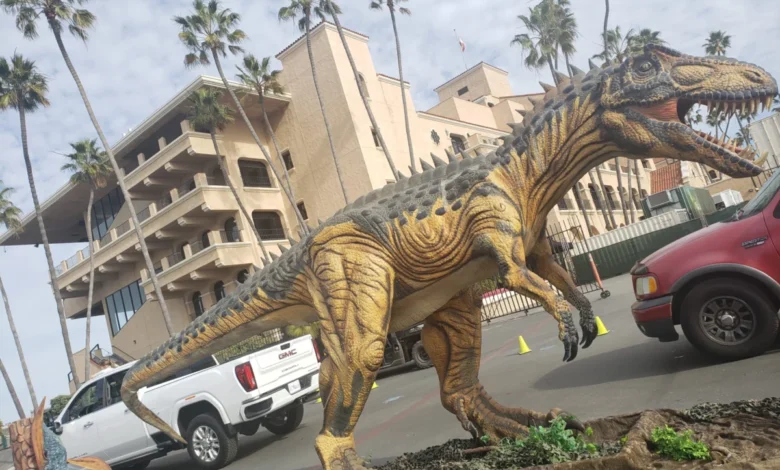
The landscape of family entertainment underwent a profound transformation during the early 2020s, forcing event organizers to innovate safely and creatively. Among the most successful adaptations to emerge from this era is Jurassic Quest, a sprawling, immersive traveling exhibition that brings life-sized, animatronic prehistoric creatures directly to audiences via a unique drive-thru format. Originally launched to accommodate public health restrictions and social distancing guidelines, the touring attraction has since evolved into a beloved staple of family programming, returning by popular demand to select cities across the United States. Following acclaimed engagements at prominent regional venues such as the Del Mar Fairgrounds in Southern California, Jurassic Quest continues to draw massive crowds, blending paleontology with accessible, high-engagement family leisure.
Main Facts and Operational Overview
Jurassic Quest distinguishes itself from traditional theme parks and stationary museums through its sheer scale and logistical execution. Rather than requiring visitors to walk through enclosed exhibition halls, the entire experience takes place from the comfort of the family vehicle. This drive-thru model allows households to navigate a carefully curated course populated by more-than-life-sized animatronic dinosaurs.
Unlike static fiberglass sculptures found in traditional roadside attractions, these specimens are engineered to mimic realistic biological movements. Ranging in size from small raptors to towering long-necked sauropods and formidable Tyrannosaurus rexes, the creatures blink, breathe, swing their tails, and roar.
The logistical framework of the event is structured around vehicle-based admissions rather than per-person ticketing. Standard admission typically hovers around $49 per vehicle, a pricing strategy that significantly reduces the financial barrier for larger families compared to traditional amusement parks. To enhance the experience, organizers offer tiered add-on packages—such as the popular Tracker pack, priced at approximately $25—which include themed merchandise, interactive activity books, and digital surprises designed to engage children before, during, and after the tour.
Background Context and Evolution of the Tour
The genesis of Jurassic Quest predates the operational shifts of the 2020s, having originally operated as a massive indoor walking exhibition featuring fossil replicas, live dinosaur shows, and interactive dinosaur rides. However, the operational constraints of the COVID-19 pandemic necessitated a radical pivot. Event producers recognized an urgent market demand for safe, outdoor, and socially distanced entertainment options that could guarantee isolation between distinct family units.
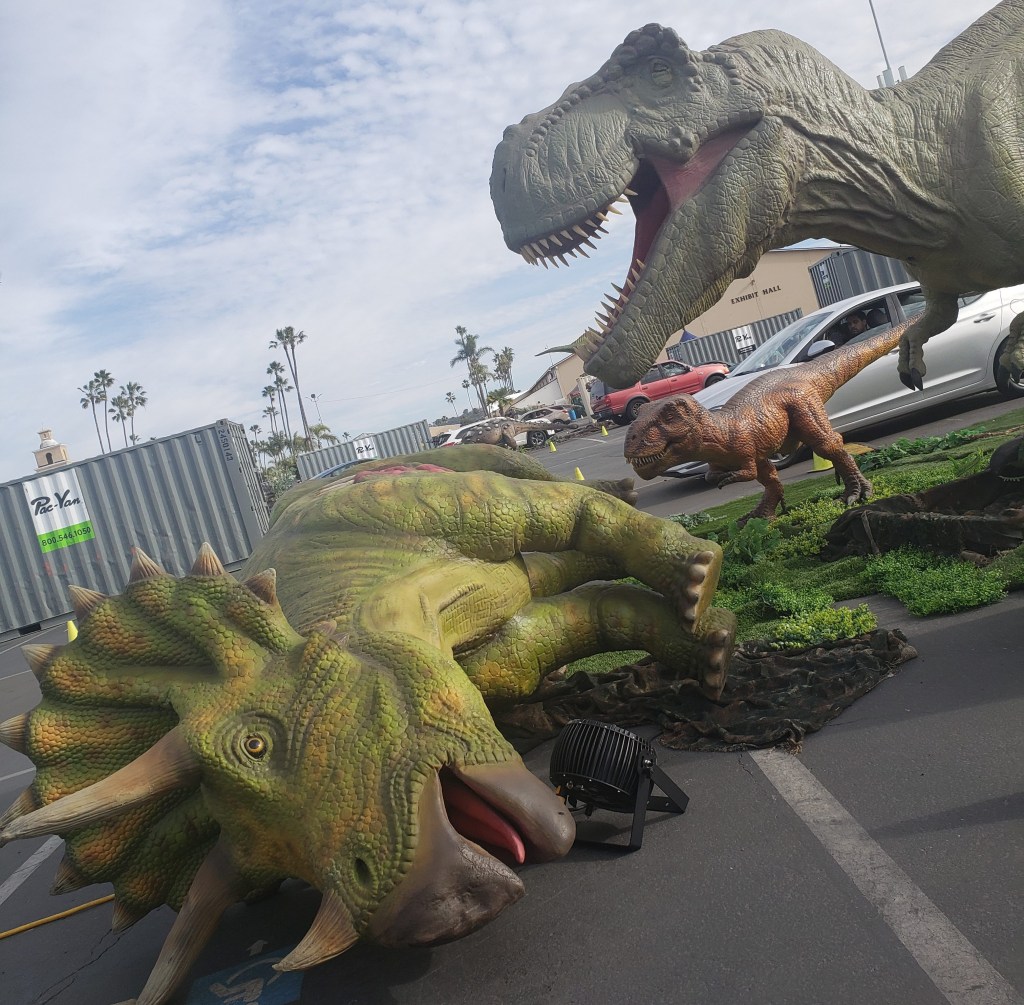
In response, the production team re-engineered their entire inventory of animatronic dinosaurs into a mobile, outdoor drive-thru format. The transition proved to be a masterclass in event adaptation. By utilizing sprawling outdoor asphalt spaces such as fairgrounds, speedways, and athletic stadium parking lots, Jurassic Quest was able to scale operations quickly while strictly adhering to local health guidelines.
The success of the drive-thru model exceeded all initial projections. Even as pandemic restrictions eased and traditional indoor venues reopened, audience demand for the drive-thru format remained remarkably high. Parents and educators praised the format for its convenience, while children embraced the novelty of viewing prehistoric predators from the familiar vantage point of the family car. Consequently, producers maintained the drive-thru option as a core component of their national routing strategy, pairing it with complementary amenities such as drive-up gift booths and pre-packaged carnival-style food options to recreate a full-day excursion feel.
Chronology of an Immersive Journey
A typical visit to Jurassic Quest is structured as a self-paced, sequential timeline designed to maximize educational engagement and theatrical suspense.
Upon arrival at the venue gates, vehicles are funneled into the staging area, where attendants provide instructions on accessing the synchronized audio tour. Families are directed to tune their smartphones or auxiliary devices to a dedicated audio stream that narrates the expedition from start to finish. Because the tour relies on a dynamic, vehicle-by-vehicle progression rather than a rigid conveyor belt system, motorists are encouraged to maintain a slow, steady pace, pausing briefly whenever traffic clears to observe specific animatronic displays up close.
The chronology of the audio tour mirrors a scientific expedition through various prehistoric eras, beginning with the Triassic period and culminating in the Cretaceous period. As vehicles wind through the course, the audio guide introduces each dinosaur species, offering detailed background on their dietary habits, physical adaptations, and geographical habitats.
Adding an element of narrative theatricality, the audio tour incorporates a running mystery involving a missing Tyrannosaurus rex. Children are encouraged to scan the surrounding foliage and artificial rock formations to track the apex predator’s whereabouts, turning passive observation into an active scavenger hunt. The journey concludes with a drive-past merchandise booth and essential amenities, ensuring a smooth and organized exit from the fairgrounds or exhibition site.
Educational Value and Pedagogical Impact

While the visual spectacle of moving prehistoric beasts serves as the primary hook for younger audiences, paleontology educators have increasingly recognized the academic value embedded within large-scale traveling exhibitions. Jurassic Quest collaborates with professional paleontologists to ensure that the anatomical representations of the dinosaurs—ranging from feathered theropods to armored ankylosaurs—reflect the most current scientific consensus.
The integration of the mobile audio tour transforms the physical environment into a mobile classroom. By delivering bite-sized, digestible historical facts directly to the vehicle cabin, the exhibition appeals to various learning styles. Children absorb complex scientific concepts—such as continental drift, predator-prey dynamics, and the distinctions between herbivorous and carnivorous anatomies—in an engaging, low-stress environment.
Furthermore, the interactive add-on packages provide tactile reinforcement of these lessons. Activity books, fossil replica digs, and educational trading cards encourage continued learning long after the vehicle has exited the exhibition gates. Parents frequently report that the combination of visual stimulus and auditory narration sparks prolonged curiosity in children, leading to independent reading and research regarding prehistoric life.
Economic Structure and Accessibility Analysis
From an economic perspective, the pricing model of Jurassic Quest represents a distinct departure from conventional modern entertainment venues. In an era where admission fees for major theme parks routinely exceed $100 to $150 per individual ticket, the per-vehicle pricing structure of $49 offers substantial relief for multi-child families and multi-generational households.
This flat-rate pricing model democratizes access to large-scale entertainment, ensuring that middle- and lower-income families can participate in high-production-value community events without incurring prohibitive debt. Additionally, the optional tiered add-on packs—ranging from $15 to $50—allow consumers to customize their spending based on their specific budget and desired level of souvenir engagement.
The secondary economic impact on host cities is similarly noteworthy. By utilizing large municipal spaces such as the Del Mar Fairgrounds, Jurassic Quest drives significant temporary traffic to surrounding local economies. Neighboring gas stations, restaurants, and hospitality providers experience localized surges in patronage as families travel from outlying suburbs to attend the limited-engagement event. Furthermore, the reliance on local event staff, traffic management personnel, and security details provides short-term economic stimulation for the host municipality.
Official Responses and Industry Reception

Event organizers and entertainment analysts have viewed the longevity of Jurassic Quest as a testament to the resilience and adaptability of the live-events sector. Industry spokespersons have repeatedly emphasized that the core mission of the organization has always been to spark imagination and make science accessible to families across North America.
"We wanted to create an environment where families could safely escape into a world of wonder without the logistical headaches typically associated with massive theme park excursions," noted an operational coordinator familiar with the tour’s national routing. "The response from communities nationwide has validated our belief that people are hungry for immersive, high-quality educational entertainment that respects both their time and their financial resources."
Public safety officials and venue managers have also commended the logistical discipline of the production team. The structured vehicle routing minimizes pedestrian-vehicular conflict, maintains consistent traffic flow, and reduces strain on local municipal law enforcement agencies. By keeping patrons securely inside their vehicles for the duration of the primary exhibition, organizers eliminated traditional crowd-control bottlenecks while maintaining compliance with rigorous venue safety standards.
Broader Impact and Future Implications for Family Entertainment
The enduring success of Jurassic Quest offers a compelling case study for the future of traveling exhibitions. As consumer preferences shift toward flexible, highly customizable, and safety-conscious leisure activities, event producers across various industries are closely examining the drive-thru model as a viable alternative or supplement to traditional indoor events.
By proving that large-scale animatronic installations can be effectively deployed in open-air, vehicular formats without sacrificing educational rigor or theatrical immersion, Jurassic Quest has expanded the boundaries of what is possible in mobile entertainment. The exhibition demonstrates that temporary attractions do not need to rely on permanent infrastructure to deliver high-impact cultural and educational value.
As Jurassic Quest continues its limited-engagement routing across select cities, advance ticket reservations remain crucial due to high demand and restricted time windows. For families seeking an engaging blend of history, technology, and theatrical wonder, the expedition into the prehistoric past remains one of the most unique and accessible touring attractions available today.