The Valley of Roses: A Comprehensive Guide to Morocco’s Floral Heart in Kalaat Mgouna

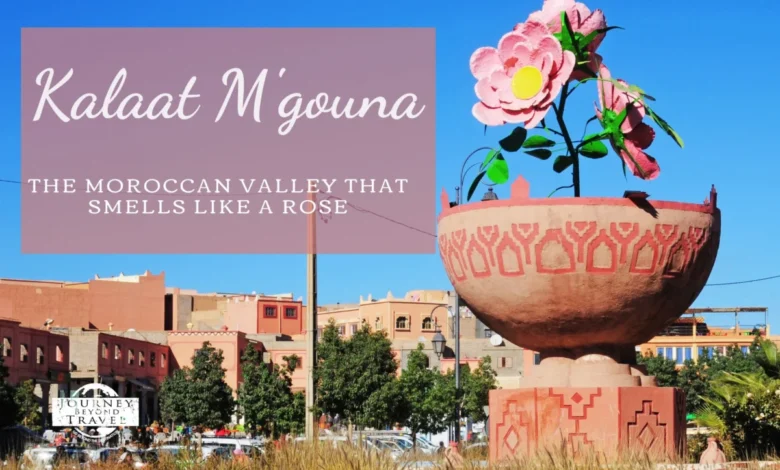
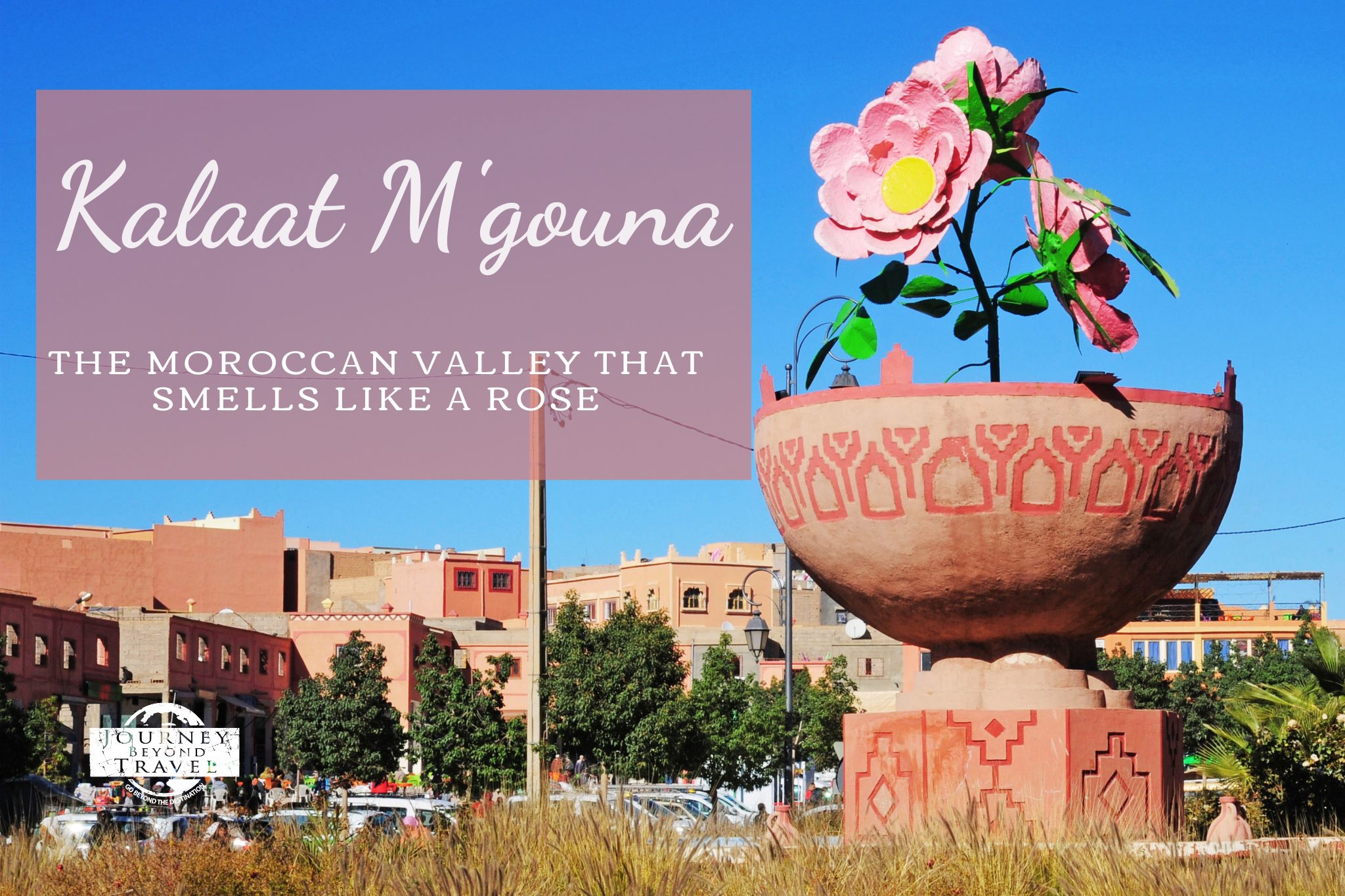
There is a precise moment along the arid transit route between Boumalne Dades and Tinerhir where the landscape undergoes a sensory transformation. The harsh, mineral-laden atmosphere of the southern Moroccan desert abruptly surrenders to a pervasive, sweet fragrance. This shift signals an arrival in the Dades Valley, specifically in the vicinity of Kalaat Mgouna, a region globally recognized for its unique cultivation of the Rosa damascena, or Damask rose. Situated at an altitude of approximately 1,700 meters, this town serves as the epicenter of a localized industry that has defined the socio-economic identity of the surrounding Berber communities for over a millennium.
Historical Context and Botanical Significance
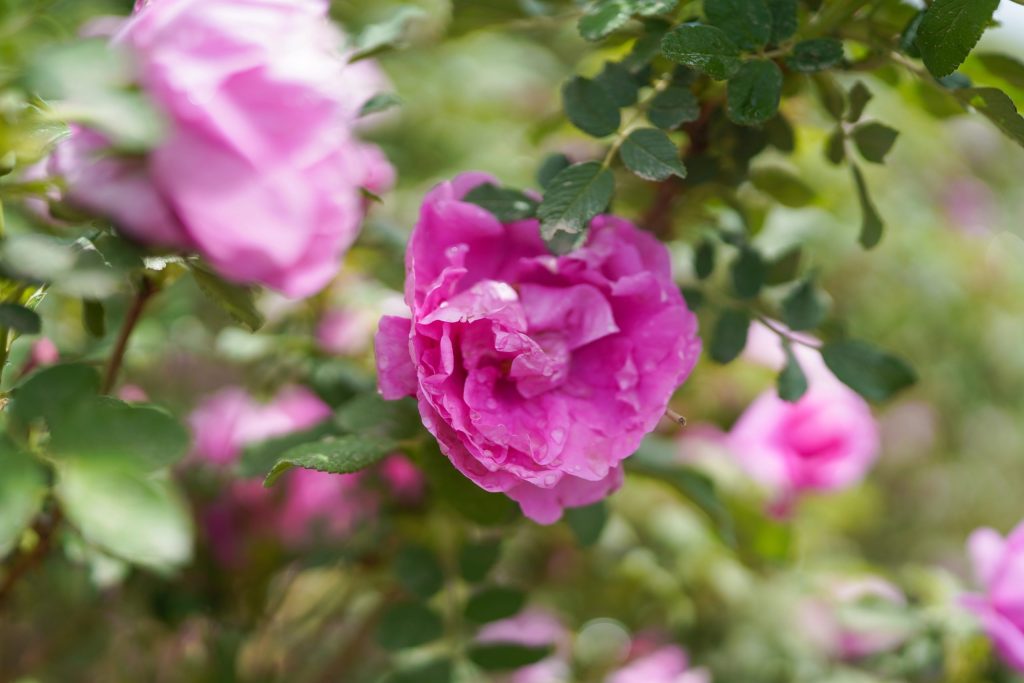
The introduction of the Damask rose to Morocco is historically attributed to pilgrims returning from the Middle East during the 10th century. Over the subsequent centuries, the rose adapted to the high-altitude climate of the High Atlas Mountains. The region’s geography—characterized by cool nocturnal temperatures, the steady hydration provided by the Dades River, and low humidity—creates an ideal environment for the plants to flourish.
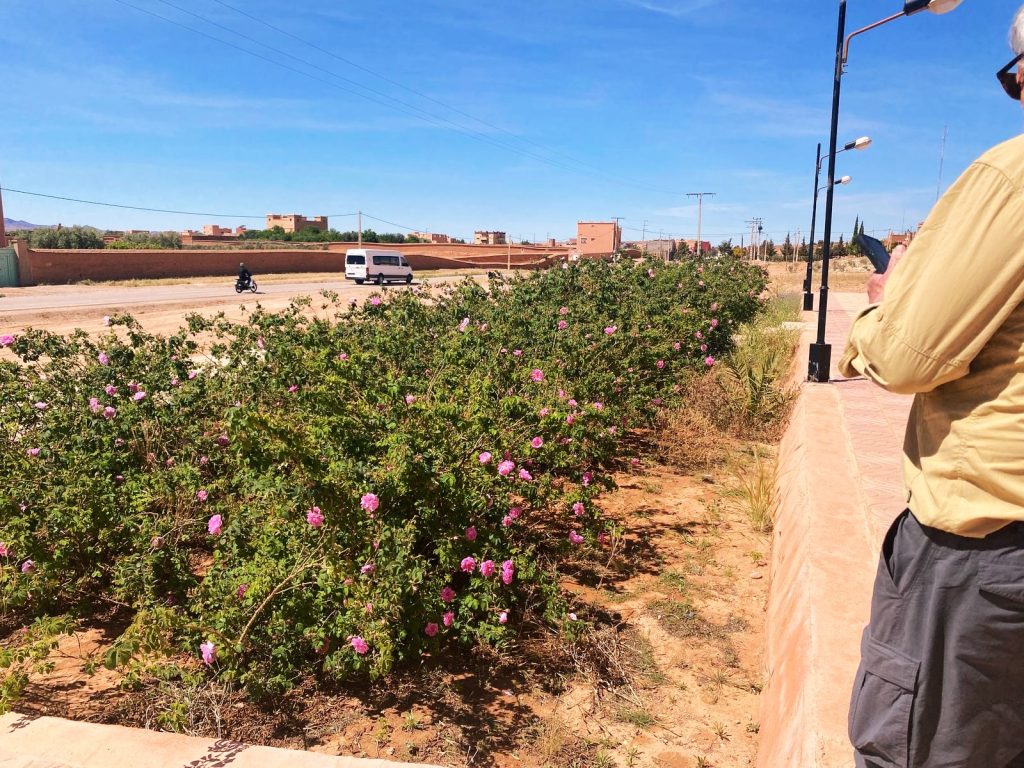
Farmers initially utilized these rose bushes as natural hedgerows to demarcate property boundaries and protect crops from erosion. However, as the global demand for high-quality rose essence grew, these defensive barriers were transformed into the foundation of a sophisticated agricultural economy. Today, these hedgerows span kilometers, creating a vibrant, pink-hued mosaic that characterizes the valley during the spring harvest.
The Economics of the Rose Harvest
The production of rose-based products in Kalaat Mgouna is a labor-intensive process that relies on traditional methods. Data from local agricultural cooperatives indicates that the concentration of essential oil in the petals is at its peak during the early morning hours, before the sun raises the temperature and triggers the evaporation of volatile compounds. Consequently, the harvest is a time-sensitive operation, usually occurring between late April and mid-May.
The sheer scale of production required to extract the industry’s primary product, rose attar (essential oil), is significant. It takes approximately 4,000 kilograms—or 4 metric tons—of fresh rose petals to produce a single liter of pure rose essential oil. This scarcity and the intensive manual labor involved in harvesting explain the premium pricing associated with authentic Moroccan rose products. The processing of these petals must occur within hours of collection to ensure optimal quality, necessitating a localized network of distilleries that operate at full capacity during the three-week window of the harvest.
The Annual Festival of Roses
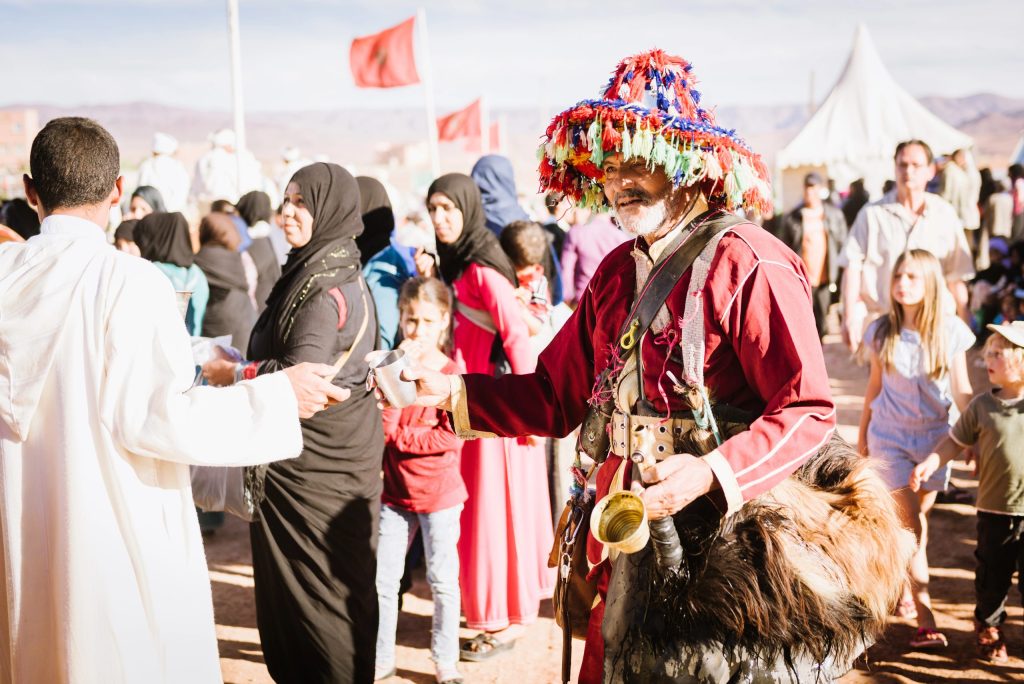
The Rose Festival, or Festival des Roses, has become a cornerstone of the regional calendar. Originally a small, community-led event to celebrate the conclusion of the harvest, it has evolved into a significant cultural and economic fixture in the Drâa-Tafilalet region. The festival typically takes place in early May and draws thousands of domestic and international visitors.
The event functions as both a trade fair and a cultural exhibition. It provides a platform for local cooperatives to showcase their products, including rosewater, dried petals, and cosmetics. Beyond the commerce, the festival features traditional Berber music, dance, and displays of local craftsmanship, such as the renowned knife-making and intricate jewelry design native to the Mgouna area. Government officials and regional stakeholders often utilize the festival as a venue to highlight sustainable development initiatives and infrastructure projects aimed at supporting the local agricultural sector.
A Chronological Overview of the Season
- Late March to Mid-April: The budding phase, during which local farmers monitor water levels and field conditions.
- Late April to Mid-May: The primary harvest window. This period is characterized by intense activity, with local families manually collecting petals before dawn.
- Early May: The official Rose Festival, typically held over a weekend, marking the height of the tourism season in the valley.
- Late May: The post-harvest period. Distilleries conclude their processing, and the focus shifts to the maintenance of the bushes for the following year.
Infrastructure and Accessibility
Kalaat Mgouna is strategically located on the N10 highway, approximately 85 kilometers east of the cinematic and administrative hub of Ouarzazate. This position makes it a critical waypoint for travelers navigating the southern circuit of Morocco. Transportation options include private transit, which is the most efficient method for visiting the outlying distilleries and agricultural plots, and public bus services provided by companies like CTM and Supratours.
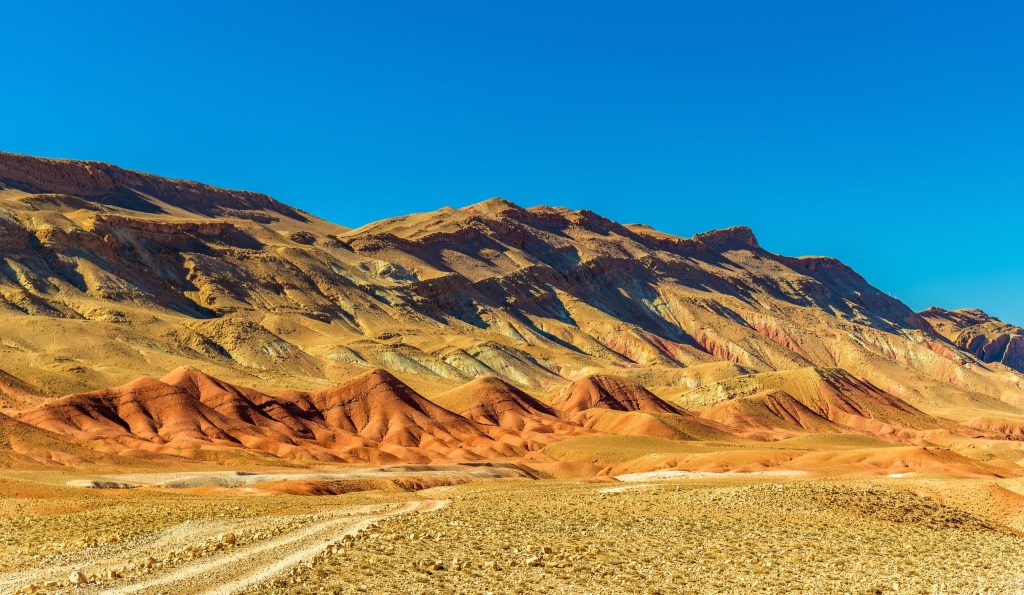
For the regional economy, tourism has become an essential supplement to agriculture. While the town does not possess the large-scale architectural landmarks found in cities like Aït Benhaddou, it offers a distinct, immersive experience. Local guesthouses and small-scale hospitality providers have increasingly aligned their services with the needs of travelers interested in agri-tourism and trekking. The proximity to Mount Mgoun—a 4,071-meter peak—further diversifies the local economy by attracting trekking enthusiasts throughout the year, even outside the blooming season.
Analytical Implications: Challenges and Sustainability
The reliance on a single, short-term crop presents both opportunities and vulnerabilities for the region. Climate variability, particularly fluctuations in rainfall, directly impacts the yield of the Damask rose. In response, local agricultural authorities have encouraged the modernization of irrigation systems to ensure consistent water delivery from the Dades River.
Furthermore, the industry faces the ongoing challenge of distinguishing authentic artisanal rosewater from synthetic alternatives that are often sold in larger, urban markets. Clarity is the primary indicator of quality; authentic, pure rosewater is colorless, whereas many commercially mass-produced versions are tinted pink. Educating consumers on these distinctions is a priority for the local cooperatives, as it protects the premium status of the authentic "Kalaat Mgouna" label.
From an environmental perspective, the rose hedgerows play a crucial role in preventing soil erosion and maintaining the biodiversity of the valley. Efforts to integrate organic farming practices have gained traction, as there is a growing international market for organic rose essential oil. Statements from local cooperative leaders suggest that continued growth in this sector depends on balancing increased production with the preservation of traditional, sustainable harvesting techniques.
Broader Impact on the Southern Circuit
The integration of Kalaat Mgouna into the broader Southern Morocco itinerary has created a ripple effect in the regional economy. By positioning the town as a destination for cultural and botanical tourism, the regional government of Drâa-Tafilalet has successfully extended the stay duration of travelers who might otherwise pass through the valley in a single day.
As of the latest reports from regional tourism boards, the shift toward experiential travel—where visitors participate in the distillation process or walk the fields with local farmers—has proven to be a resilient model. It fosters a direct economic link between the consumer and the producer, ensuring that the financial benefits of the rose harvest are distributed more equitably among the families who perform the labor.
In conclusion, Kalaat Mgouna represents a unique intersection of history, geography, and economy. While the rose harvest is brief, the infrastructure and cultural identity it supports remain integral to the vitality of the Dades Valley. For those planning a visit, the experience offers a rare opportunity to engage with a traditional agricultural cycle that has remained largely unchanged for centuries, set against the backdrop of the majestic and rugged High Atlas landscape. Whether for the botanical interest, the trekking opportunities, or the cultural immersion of the annual festival, the Valley of Roses continues to be a destination of significant importance in the southern Moroccan landscape.