From the Bookshelf to the Boarding Pass: How Viral Literature is Fueling the Global Rise of Book-Cations


The intersection of literature and tourism has entered a dynamic new era, driven largely by digital reading communities and viral social media trends. While literary tourism—travel inspired by settings, authors, and characters from notable books—is a centuries-old phenomenon, the emergence of platforms like TikTok’s "BookTok" has fundamentally transformed how readers consume stories and plan their vacations. Today, contemporary romances, historical epics, Pulitzer Prize-winning non-fiction, and timeless classics are functioning as modern travel guidebooks, propelling readers from the comfort of their armchairs directly into international travel agencies.
Industry data highlights a significant shift in consumer behavior over recent years, with experiential travel companies and tourism boards reporting a surge in inquiries explicitly linked to settings featured in viral novels. This trend, colloquially dubbed the "book-cation," represents a lucrative niche within the broader cultural tourism sector. Rather than relying on traditional destination marketing, younger travelers are increasingly motivated by narrative immersion, seeking physical manifestations of the fictional worlds that captivate them online.
To understand the scale of this cultural shift, it is helpful to examine the mechanics of BookTok and its tangible economic and logistical implications for the global travel industry.
The Digital Catalyst: How BookTok Drives Modern Tourism
BookTok, a distinct sub-community on the video-sharing platform TikTok, has emerged as one of the most powerful marketing engines in the modern publishing and tourism industries. By utilizing short-form, aesthetically driven video content, enthusiastic readers review, critique, and emotionally dissect books, frequently sending backlist titles—books published years or even decades prior—straight back onto international bestseller lists.
The mechanism behind a book-cation is direct. When a reader forms a deep emotional connection with a story’s setting, the desire to experience that landscape firsthand becomes a primary travel motivator. Tourism analysts note that this form of media-induced travel differs from traditional film or television tourism (often called "set-jetting") because reading inherently requires a slower, more imaginative form of participation. Readers spend hours constructing the atmosphere of a novel in their minds, making the physical destination feel deeply personal once visited.

To cater to this growing demographic, tour operators have curated specific itineraries that mirror the journeys of beloved literary characters. Below is a breakdown of seven trending literary works and the real-world travel experiences that bring their pages to life.
Contemporary Romance and the Adriatic Coast
Among the early catalysts of the BookTok romance wave is Emily Henry’s 2021 bestselling novel, People We Meet On Vacation. The narrative centers on Poppy, a weary travel writer tasked with documenting destinations around the globe, and her intricate, slow-burn relationship with her best friend, Alex. The novel highlights the profound impact that travel writing and physical exploration can have on personal growth and relationships.
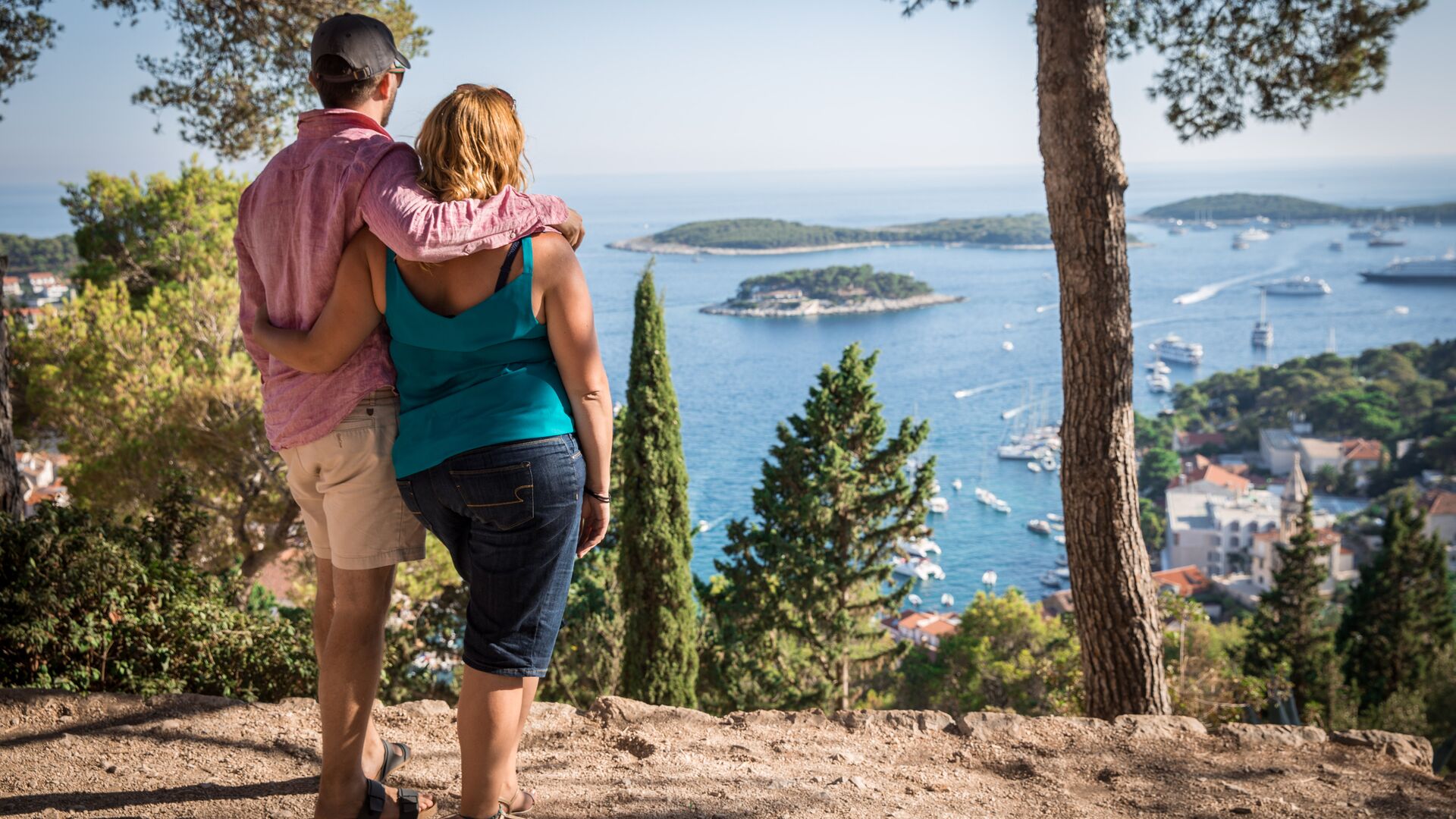
For travelers looking to replicate Poppy and Alex’s sun-drenched adventures, itineraries focusing on the Mediterranean offer an ideal parallel. Journeys through Croatia, specifically exploring the historic coastal cities of Split and Dubrovnik, provide travelers with the winding stone streets and azure waters that define contemporary beach reads. Alternatively, domestic American routes connecting Las Vegas to Los Angeles offer a fast-paced, neon-lit contrast that mirrors the lighter, road-trip dynamics found in modern romantic fiction.
Literary Pilgrimages: Edinburgh and Oxford
While contemporary romance novels dominate digital screens, literary giants of the past continue to command massive international pilgrimages. David Nicholls’s heartbreaking novel One Day—which traces the lives of protagonists Emma and Dexter over decades—places a heavy emotional anchor on the city of Edinburgh. The novel begins against the backdrop of graduation day at the University of Oxford before weaving through various milestones, ultimately concluding near Edinburgh’s iconic volcanic vantage point, Arthur’s Seat.
Educational institutions and historical cities have long served as muses for British literature, drawing inspiration from figures such as Philip Pullman and Thomas Hardy. For literary tourists seeking a comprehensive immersion into British academia and Scottish topography, organized heritage tours through the United Kingdom offer structured pathways. Travelers can experience the solemn, awe-inspiring architecture of Oxford before heading north to climb Arthur’s Seat, effectively retracing the literal and emotional footprints of Nicholls’s landmark novel.
Modern Classics and Mediterranean Escapes
In the realm of modern literary fiction, few works have achieved the global acclaim of Elena Ferrante’s Neapolitan novels. At the forefront of this four-part series is My Brilliant Friend, which recently secured the top spot on The New York Times’ list of the 100 Best Books of the 21st Century. Ferrante’s work portrays the intense, complex friendship of two girls growing up in the gritty, high-stakes environment of post-war Naples.
As the narrative progresses, the characters find a temporary reprieve from the urban intensity of Naples through a transformative journey to the volcanic island of Ischia. This geographical shift acts as a catalyst for personal evolution and self-perception. Travel providers have capitalized on this narrative arc by integrating stops along the Amalfi Coast that include dedicated free time to explore Ischia. Visitors can walk the volcanic shores and access the natural thermal hot springs that provided Ferrante’s characters with a rare sense of autonomy and reflection.
Historical Fiction and Culinary Exploration
Literary travel is not limited to European landscapes; contemporary award-winning literature is also reshaping interest in Asian destinations. Yang Shuang-zi’s novel Taiwan Travelogue, winner of the International Booker Prize, offers a sophisticated look at metafiction and colonial history. Set in 1938 during Japanese rule, the narrative follows a Japanese author and her local Taiwanese interpreter, using the complex political dynamics of the era as a backdrop. Crucially, the novel weaves regional gastronomy into its core structure, with every chapter named after a specific Taiwanese dish.
To bridge the gap between fiction and sensory experience, culinary-focused travel itineraries across Taiwan allow visitors to engage directly with the culinary traditions highlighted in the book. Activities such as participating in tea-leaf harvesting, clam gathering, crafting traditional peanut ice cream rolls, and navigating the bustling night markets of Taipei offer travelers an authentic, taste-driven connection to the island’s cultural heritage.
Non-Fiction, Adventure, and the Call of the Wild

Travel narratives and non-fiction memoirs have similarly proven capable of inspiring extraordinary physical journeys. William Finnegan’s Pulitzer Prize-winning memoir, Barbarian Days: A Surfing Life, has found a renewed digital audience through high-profile endorsements, including praise from actor Andrew Garfield, who described the book as an inspiring call to adventure.
Finnegan’s memoir chronicles a lifetime spent chasing waves across California, Hawaii, Fiji, Madeira, and beyond. Rejecting conventional lifestyle paths, the author finds his truest sense of freedom within the ocean. Travelers seeking to channel this adventurous ethos can look to active itineraries in the South Pacific and Europe. Options range from hiking and white-water rafting through the rugged highlands of Fiji—including swims at remote locations like the Nabalesere Waterfall—to terrestrial hiking expeditions traversing the volcanic ridges and dramatic coastal paths of Madeira.
Gothic Classics and Eastern European Heritage
Even centuries-old gothic literature continues to exert a powerful pull on modern travelers. Bram Stoker’s epistolary masterpiece, Dracula, remains a cornerstone of horror fiction. Composed entirely of journal entries, letters, and newspaper clippings, the novel pioneered a fragmented narrative style that resonates with modern audiences accustomed to digital communication and multiple perspectives. Interestingly, while Stoker never physically visited Romania, his creation of Count Dracula was heavily influenced by Vlad the Impaler, a notoriously formidable 15th-century Wallachian prince.
Travelers drawn to the atmospheric mythology of the region can partake in specialized hiking expeditions along routes such as Romania’s Via Transilvanica. These trails lead adventurers past iconic regional landmarks, including Bran Castle—historically linked to the Dracula legend—while simultaneously offering deep immersion into rural Romanian culture through shared meals and local hospitality in traditional mountain villages.
Multi-Generational Sagas and Cultural Continuity
Family sagas that span continents also provide profound blueprints for international travel. Min Jin Lee’s acclaimed novel Pachinko charts the lives of four generations of a Korean family who emigrate to Japan amidst decades of political turmoil and societal prejudice. The narrative explores deep themes of displacement, survival, and the comforting continuity of food and culture.

Cultural tours through South Korea and Japan offer physical touchpoints for readers of the saga. Itineraries frequently feature visits to historic fish markets in Busan, where characters within the novel once labored, as well as stops at iconic commercial hubs like Osaka’s Kuromon Market, serving as modern-day equivalents to the bustling marketplaces where generations of the family sought to build a stable life.
Broader Economic and Industry Implications
The institutional response to the rise of book-cations reflects a broader evolution in tourism economics. Destination marketing organizations (DMOs) and tour operators are increasingly collaborating with publishers and literary influencers to develop targeted travel campaigns. By tapping into pre-existing emotional attachments fostered by literature, tourism providers secure a highly engaged demographic of travelers who prioritize cultural depth, narrative alignment, and authentic local engagement over conventional sightseeing.
Furthermore, this trend has economic implications for local communities along established literary trails. By dispersing travelers beyond major metropolitan hubs into rural villages, coastal islands, and regional markets, literary tourism contributes to a more sustainable distribution of economic benefits within the hospitality sector.
As digital communities continue to democratize literary discovery, the boundary between reading an immersive story and living it firsthand is expected to narrow further. For the modern traveler, the next great adventure often begins simply by turning the final page.