Ethical Indigenous Tourism and the Impact of Social Media: A Deep Dive into Cultural Representation and Sustainable Travel

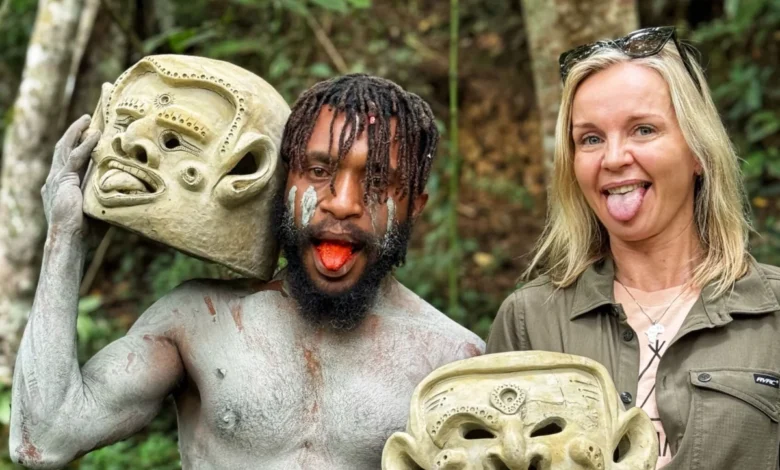
The intersection of global tourism and social media has created a complex landscape for Indigenous communities, where the line between meaningful cultural exchange and digital exploitation is increasingly blurred. Anniina Sandberg, a cultural anthropologist and the founder of Visit Natives, has spent more than two decades navigating this divide, observing how the rise of content creation often transforms ancient traditions into simplified entertainment for a global audience. Following a visit to the Hadzabe hunter-gatherer community in Tanzania, Sandberg noted a disturbing trend in online engagement: comments and reactions frequently focused on the "amusement" factor of the community rather than a genuine understanding of their history, challenges, or way of life. This phenomenon highlights a growing crisis in the travel industry, as Indigenous-led tourism seeks to balance economic opportunity with the preservation of dignity and cultural integrity.
The Evolution of Indigenous-Led Tourism and the Digital Shift
Indigenous tourism has seen a significant rise in global interest over the last decade. According to data from the World Indigenous Tourism Alliance (WINTA), the sector is one of the fastest-growing segments of the travel industry, driven by a post-pandemic desire for "authentic" and "transformative" experiences. However, this surge in demand coincides with the ubiquity of smartphones and the pressure of the "attention economy." Sandberg, who has worked extensively with the Maasai and Hadzabe in Tanzania, the Sámi in Norway, and the Asaro Mudmen in Papua New Guinea, argues that while visibility can bring economic benefits, it also introduces a new form of vulnerability.
In the early 2000s, tourism to remote regions was largely the domain of researchers or niche adventure travelers. Today, the "Instagrammability" of a destination often dictates its popularity. For Indigenous communities, this means that sacred rituals or daily survival tasks are frequently captured and uploaded to platforms like TikTok or Instagram without context. Sandberg points out that this often results in "exoticizing" the subjects, reducing complex human beings to mere "content" designed to garner clicks and views. The danger, she warns, is the reinforcement of colonial-era stereotypes that portray Indigenous peoples as static, primitive, or existing solely for the education and entertainment of Western visitors.
Chronology of a Shifting Perspective: From Fieldwork to Ethical Leadership
The mission behind Visit Natives is rooted in Sandberg’s long-term immersion in the field. Her journey began more than 20 years ago, characterized by a commitment to living alongside the communities she studied.

- Early 2000s: Sandberg begins extensive fieldwork in Tanzania, living within a Maasai boma for over a year. This period was foundational in understanding the nuances of communal living, land rights, and the internal pressures of modernization.
- Mid-2010s: As social media began to dominate the travel landscape, Sandberg observed a shift in how visitors interacted with Indigenous hosts. The focus moved from participation to documentation, with many travelers prioritizing the "perfect shot" over the conversation.
- Establishment of Visit Natives: Recognizing a gap in the market for truly ethical, community-led experiences, Sandberg founded Visit Natives. The organization was built on the principle that Indigenous people should not be "products" but partners and hosts with full agency.
- 2020–Present: The focus has shifted toward digital ethics and "informed consent" in an era where an image taken in a remote village can go viral globally within minutes, often without the subject’s knowledge of the scale or reach.
The Problem of Informed Consent in the Digital Age
One of the most critical issues Sandberg identifies is the complexity of consent. While a traveler might ask for permission to take a photo, the concept of "informed consent" is often missing. In many remote communities, there is a limited understanding of how social media algorithms work, the permanence of digital data, or the potential for their images to be used in commercial advertising without their knowledge.
"When communities don’t know their rights, or don’t fully understand how their images might be used, it becomes much more complicated," Sandberg explains. True consent, in her view, requires a transparent dialogue about where the image will go and what the implications are. Without this, the power dynamic remains skewed in favor of the traveler, who leaves with the digital "asset" while the host remains behind, often uncompensated and misrepresented.
To address this, ethical operators are beginning to implement guidelines that discourage the use of Indigenous people as "props." This includes educating travelers on the importance of building a rapport before reaching for a camera and ensuring that the community has the final say in how they are portrayed to the outside world.
Deconstructing the "Day Trip" Model: A Path to Meaningful Exchange
A major critique Sandberg levels at the mainstream tourism industry is the prevalence of the "convenience model." Many agencies offer day trips to Indigenous villages where the experience is tightly choreographed to fit a tourist’s schedule. This often leads to "staged authenticity," where traditional dances or ceremonies are performed on demand, divorced from their original spiritual or social significance.
In contrast, Sandberg advocates for a model based on immersion and the "invitation into a home." Visit Natives focuses on multi-day stays that lack a fixed itinerary. By sharing meals, sleeping under the same roof, and participating in the mundane tasks of daily life—such as herding livestock or gathering water—travelers move from being spectators to being guests.

"The core of humanity is just spending time with each other," Sandberg notes. This approach prioritizes the "human experience" over the "tourism product." Data suggests that these longer-form interactions lead to better outcomes for the community, as they allow for a more equitable distribution of income and a more authentic representation of their contemporary lives, which often include a mix of traditional practices and modern realities.
Industry Responsibility and the Need for a Global Code of Conduct
The responsibility for ethical engagement does not lie solely with the individual traveler. Sandberg emphasizes that tourism operators, influencers, and platforms must be held accountable. Currently, there is no universal "code of conduct" for Indigenous tourism, leaving communities vulnerable to exploitation by unscrupulous agencies.
Indigenous groups often face systemic challenges, including land dispossession and lack of access to education. These vulnerabilities can make it difficult for them to turn down tourism opportunities, even if those opportunities are exploitative or culturally damaging in the long run. Sandberg believes that the industry must move toward a community-led model where Indigenous leaders have the authority to set the terms of engagement, including which areas are off-limits to cameras and how many visitors are allowed.
Supporting data from the United Nations World Tourism Organization (UNWTO) suggests that when tourism is managed by the communities themselves, it can be a powerful tool for poverty alleviation and cultural preservation. However, when managed by outside interests, it often leads to the "commodification" of culture, where the financial benefits are siphoned away from the locals.
Broader Implications: Tourism as a Tool for Cultural Preservation
The debate surrounding Indigenous tourism is part of a larger conversation about the ethics of global travel in a post-colonial world. When done correctly, tourism can provide the financial resources necessary for communities to protect their land and traditions against the pressures of industrialization or forced assimilation.

For example, among the Sámi people of Norway, reindeer herding is not just an occupation but a cornerstone of their identity. Ethical tourism allows them to share the importance of this practice with the world, creating advocates for Arctic conservation. Similarly, in Tanzania, the income from ethical tourism can support the Maasai in their ongoing legal battles for land rights.
However, the "social media effect" remains a double-edged sword. While it can raise awareness for Indigenous causes, it can also simplify complex political struggles into aesthetic trends. Sandberg’s work serves as a reminder that the most valuable travel experiences are not those that are easily captured in a 15-second clip, but those that challenge the traveler’s worldview and foster a sense of shared humanity.
Conclusion: Toward a Future of Reciprocity and Dignity
As the travel industry continues to evolve, the insights provided by Anniina Sandberg and the model established by Visit Natives offer a blueprint for a more equitable future. The goal is not to stop people from visiting Indigenous communities or sharing their stories, but to ensure that these interactions are grounded in dignity, reciprocity, and genuine human connection.
Meaningful travel requires a shift in mindset—from "consuming" a culture to "engaging" with a community. By prioritizing informed consent, supporting community-led initiatives, and moving away from the "clicks and views" mentality of social media, the tourism industry can help preserve the rich mosaic of human culture rather than contributing to its erosion. As Sandberg concludes, the most profound moments of travel often happen when the camera is put away, and the simple act of being present with another human being takes center stage.