Five Days in Sydney: A Comprehensive Travel and Tourism Itinerary for First-Time Visitors to Australia

Sydney, the vibrant capital of New South Wales, has long held a premier position on global travel itineraries. Despite a bustling tourism landscape that has evolved significantly over the past two decades, many international travelers find themselves deferring their journey to Australia’s largest metropolis due to its geographic isolation. However, recent tourism metrics highlight a robust post-pandemic recovery in visitor numbers to New South Wales, driven largely by international travelers seeking a balanced metropolitan and coastal holiday experience. A five-day itinerary provides an optimal timeframe for first-time visitors to navigate the city’s complex geography without succumbing to travel fatigue, successfully bridging the gap between urban sophistication and iconic natural landscapes.
Navigating Sydney: Infrastructure and Logistics
Analyzing the logistical framework of Sydney reveals a remarkably integrated public transportation system comprising an extensive metro network, suburban heavy rail, buses, and the iconic public ferry fleet. Urban planners have long praised the city’s walkability, particularly within the Central Business District (CBD) and the surrounding foreshore precincts.
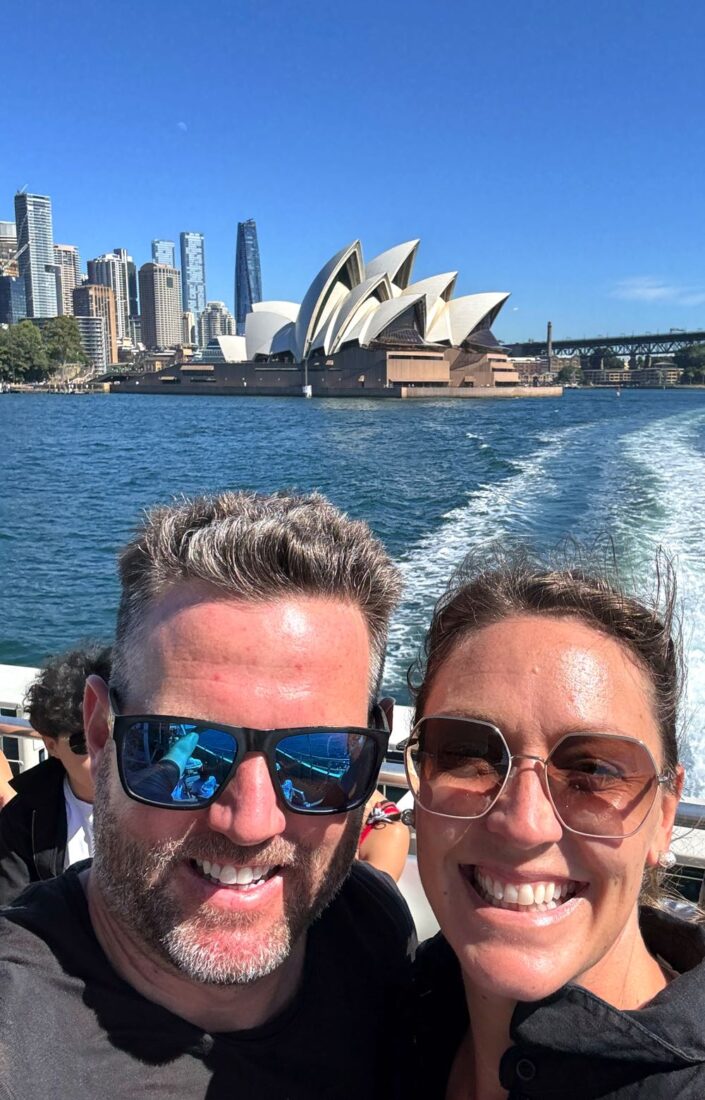
For visitors allocating five days to the city, the elimination of a rental car is strongly advised by local transit authorities and tourism boards. The centralization of key attractions—ranging from Circular Quay to the historic Rocks district—allows tourists to traverse the city efficiently using an Opal card or contactless payment methods. Ferries, while officially functioning as public transit, double as low-cost scenic cruises, offering unparalleled angles of the Sydney Opera House and the Harbour Bridge. Furthermore, strategic accommodation choices within the CBD or near major transit hubs such as Circular Quay or Town Hall minimize daily transit times, ensuring that travelers maximize their engagement with local cultural and historical sites.
Day One: The Maritime Heart of Sydney Harbour and Historical Precincts
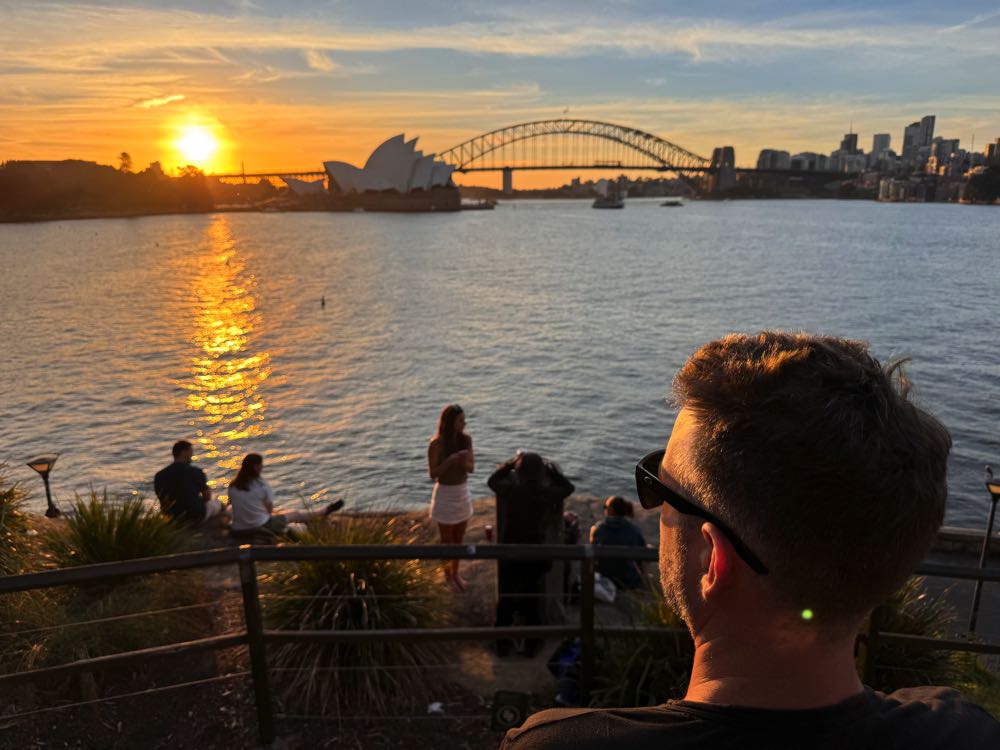
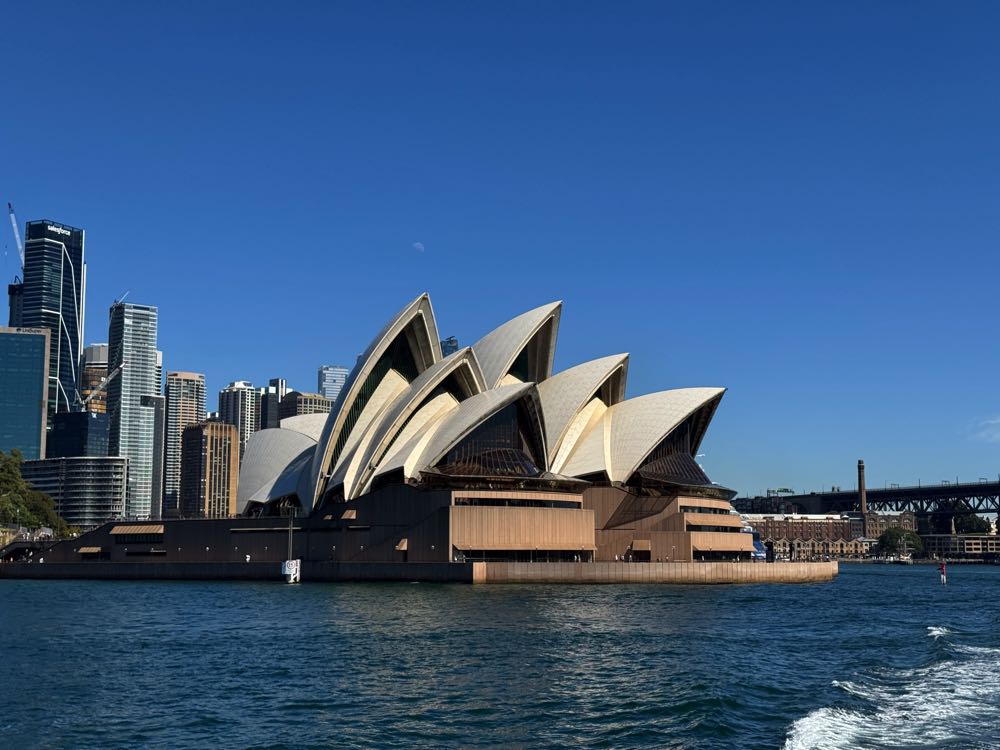
The inaugural day of any Sydney itinerary invariably centers on the Sydney Harbour, a natural amphitheater that serves as the economic and cultural epicentre of the city. Commencing at Circular Quay, visitors are immediately confronted with two engineering marvels of the 20th century: the Sydney Opera House, designed by Danish architect Jørn Utzon and completed in 1973, and the Sydney Harbour Bridge, affectionately known by locals as "The Coathanger," which opened in 1932.
Statistical data from Destination NSW indicates that the Sydney Opera House precinct attracts over 10 million visitors annually, making it one of Australia’s most heavily trafficked cultural sites. Visitors physically confronting the structure often note the surreal nature of transitioning from broadcast media representation to physical presence. While adventurous tourists frequently book the guided BridgeClimb—an enterprise that has safely guided millions of climbers to the summit since 1998—standard pedestrian walkways across the bridge offer identical panoramic vistas at no financial cost.
Adjacent to the bridge lies The Rocks, Sydney’s oldest European settlement area. Established shortly after the arrival of the First Fleet in 1788, the neighborhood features preserved sandstone architecture, narrow alleyways, and institutions such as the Fortune of War, recognized as Sydney’s oldest continuously licensed pub. Concluding the first day with a Sydney Harbour dinner cruise provides a macro-level perspective of the skyline illuminated at night, synthesizing the day’s pedestrian explorations into a cohesive maritime experience.

Day Two: Coastal Geomorphology and the Bondi to Coogee Walk
Shifting focus from the urban core to the eastern coastline, the second day highlights Sydney’s famous oceanic geography. Bondi Beach, situated approximately seven kilometers east of the CBD, remains the nation’s most internationally recognized surf destination. Transport logistics to Bondi typically involve a train journey to Bondi Junction followed by a high-frequency connecting bus service, navigating a transit corridor that regularly services thousands of commuters and beachgoers daily.
Rather than remaining static at a single beach, tourism analysts and local authorities heavily promote the Bondi to Coogee Coastal Walk. Spanning approximately six kilometers, this pedestrian pathway traces a rugged sandstone coastline carved by wind and wave action over millennia. The route incorporates significant geological formations, historic ocean-fed swimming pools—such as the historic Icebergs pool at Bondi—and panoramic viewfinders overlooking the Tasman Sea.
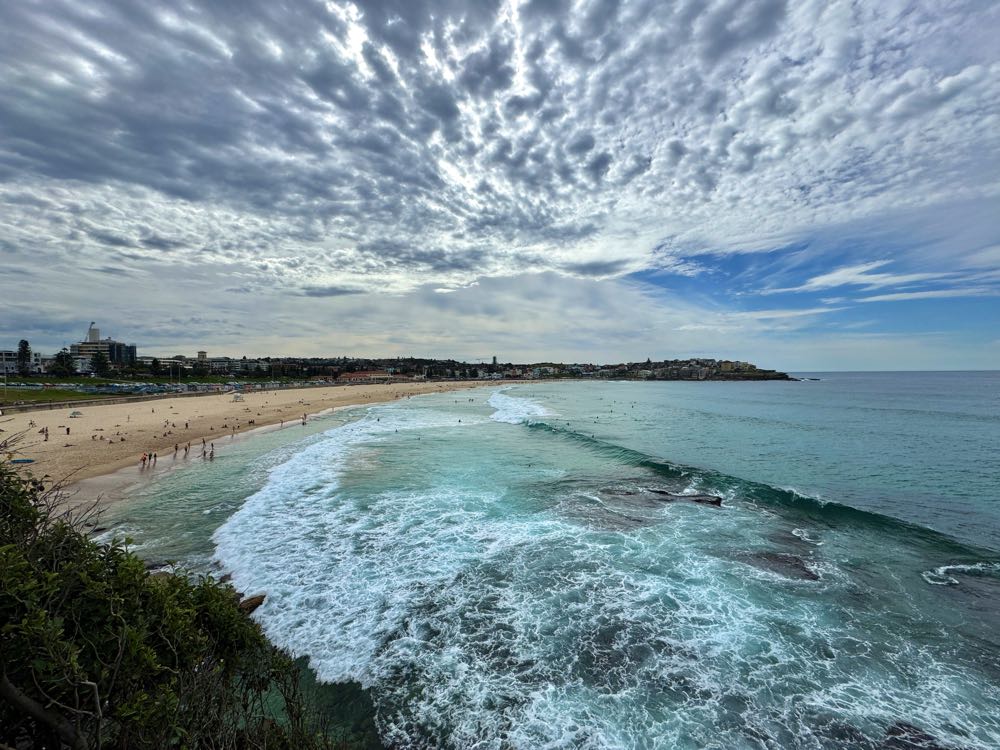
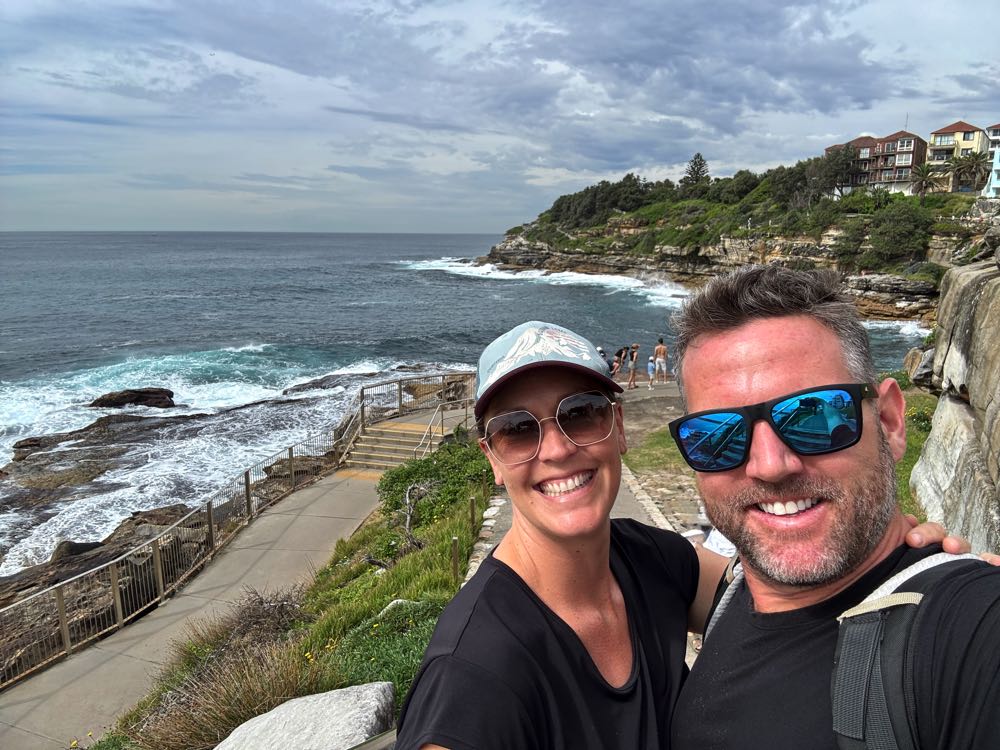
Passing through Tamarama and Bronte beaches, walkers encounter diverse micro-ecosystems and local surfing communities. Public health officials consistently advise early morning starts for this excursion due to high ultraviolet radiation levels in the Southern Hemisphere, alongside the necessity for adequate hydration and sun protection.
Day Three: Civic Architecture, Botanic Sanctuaries, and Culinary Diversity
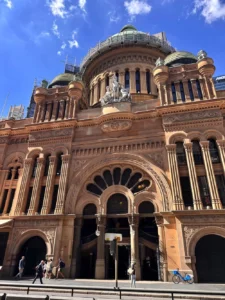
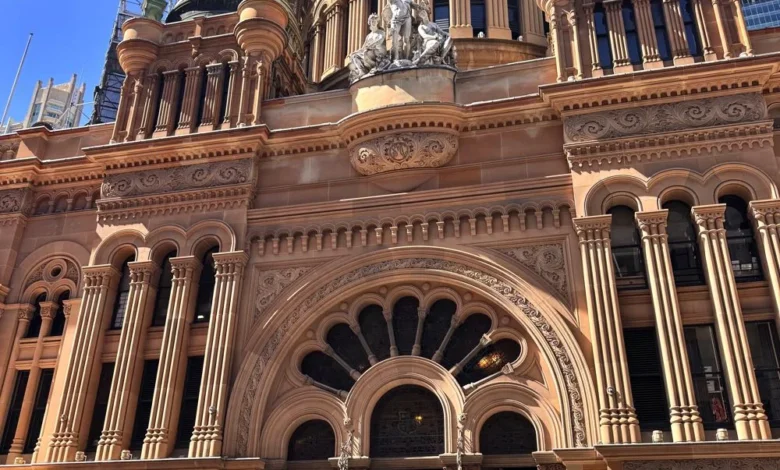
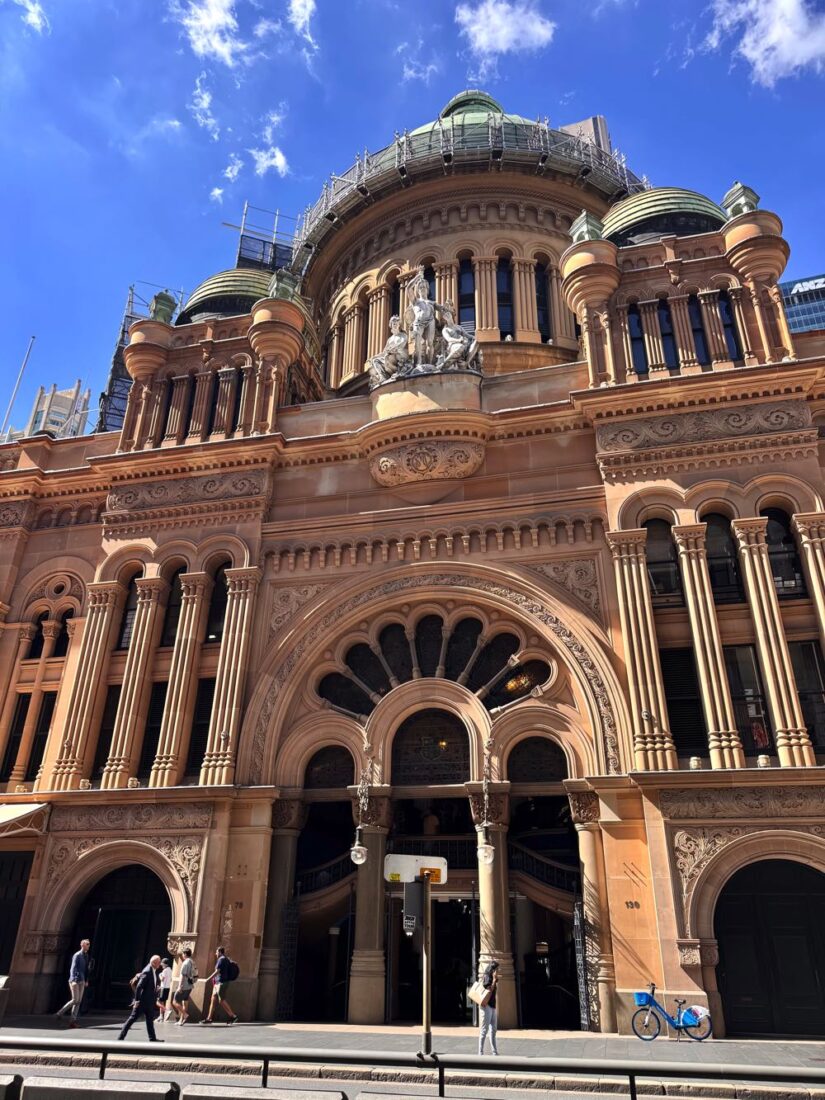
The third day encourages a moderated pace, focusing on the civic architecture and green spaces integrated directly into the city’s commercial grid. The Queen Victoria Building (QVB), occupying an entire block on George Street, stands as a premier example of late-19th-century Romanesque Revival architecture. Completed in 1898 as a marketplace, the building was meticulously restored in the late 20th century, preserving its intricate stained glass, original cage elevators, and elaborate tiled floors.
Adjacent to the commercial center are Hyde Park—Australia’s oldest public parkland—and St Mary’s Cathedral, representing the spiritual heart of the city’s Roman Catholic Archdiocese. Transitioning eastward, visitors enter the Royal Botanic Garden, established in 1816. The gardens function as an urban sanctuary, seamlessly connecting the concrete density of the CBD with the water’s edge at Mrs. Macquarie’s Point. This promontory, carved by convicts in 1810 for Governor Lachlan Macquarie’s wife, offers the classic alignment of the Opera House and Harbour Bridge framing the sunset.
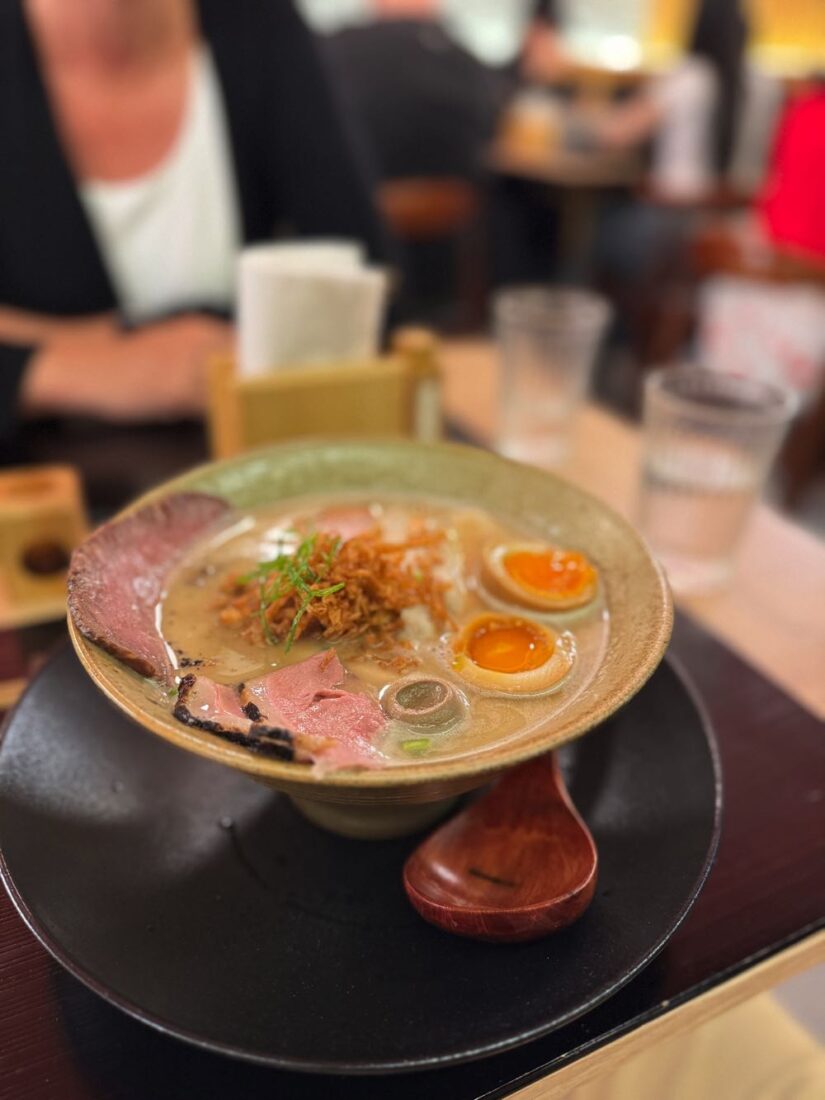
Economically and culturally, Sydney’s dining landscape reflects its demographic integration with the broader Asia-Pacific region. Culinary tourism reports indicate a massive surge in demand for specialized Asian gastronomy, moving far beyond traditional Westernized offerings. Renowned establishments, particularly ramen-ya such as Mensho Tokyo, exemplify the high culinary standards and international flavor profiles that have transformed Sydney into a world-class culinary destination.
Day Four: Maritime Transit and the Charm of Manly Beach
Day four requires leaving the central peninsula via the historic Manly Ferry from Circular Quay. The 30-minute ferry crossing across Port Jackson is not merely a transit mechanism but a critical component of the Sydney tourism experience, traversing waters historically utilized by the Eora Nation before European colonization.
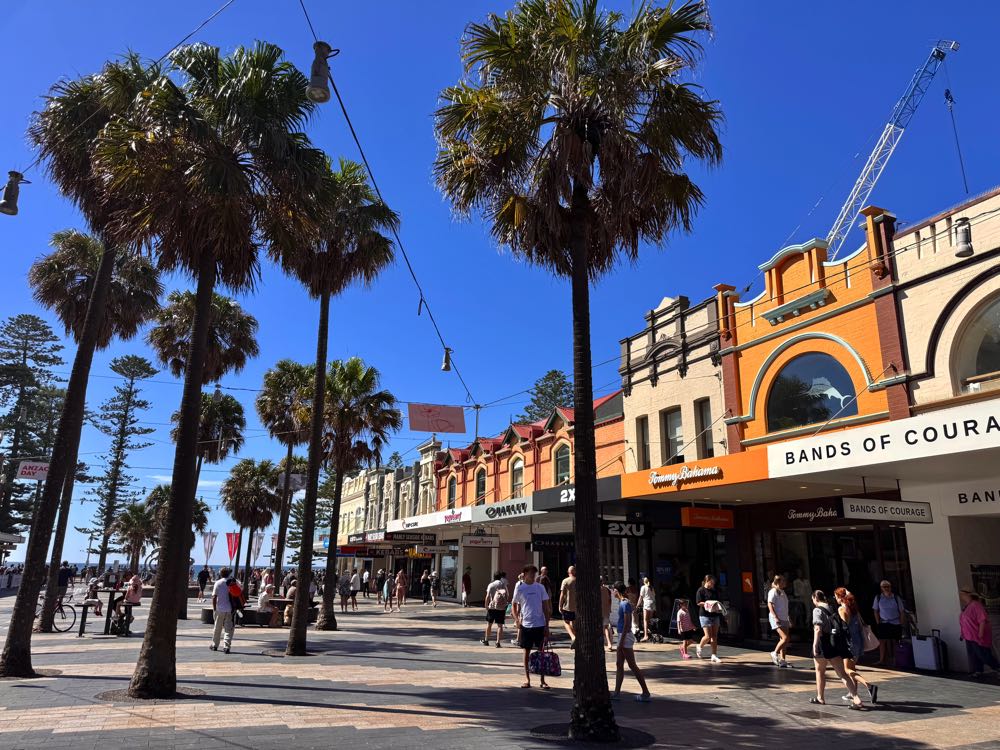
Upon arrival at Manly, visitors encounter a distinct geographic layout characterized by a narrow isthmus separating the calm waters of Manly Cove from the robust surf of Manly Beach. While Bondi captures international media attention, domestic tourism trends often favor Manly for its relaxed, village-like atmosphere and comprehensive pedestrian retail infrastructure along the Corso.
Further exploration leads to Shelly Beach, part of the Cabbage Tree Bay Aquatic Reserve. This protected marine sanctuary offers optimal conditions for snorkeling and diving, supported by local conservation initiatives designed to protect native marine life, including blue gropers and ornate stingrays. The suburb’s robust hospitality sector, featuring diverse dining options ranging from affordable local eateries to high-end waterfront venues, cements Manly’s status as a premier day-trip destination.
Day Five: Urban Elevation, Guided Heritage, and Flexible Exploration
The final day of a five-day itinerary provides essential flexibility, allowing travelers to revisit favored locations or address activities deferred due to weather or scheduling constraints. Integrating a structured walking tour into the final phase of the trip offers deep historical context, bridging the gap between superficial observation and a nuanced understanding of Sydney’s colonial past, indigenous heritage, and modern urban development.
To synthesize the spatial dimensions of the previous four days, a visit to the Sydney Tower Eye provides a comprehensive geographical overview. Rising 250 meters above the streetscape, the observation deck offers 360-degree views extending from the Blue Mountains in the west to the Pacific Ocean in the east.
Economic and Tourism Implications of a Five-Day Stay
Analyzing the economic footprint of tourism in Sydney demonstrates that a standardized five-day stay optimizes visitor expenditure across multiple sectors, including hospitality, public transport, retail, and experiential entertainment. Rather than encouraging hyper-mobile, superficial tourism, extended urban stays distribute economic benefits across both central commercial zones and peripheral coastal communities such as Bondi and Manly.
Furthermore, urban planners note that sustainable tourism models in Sydney increasingly rely on pedestrian infrastructure and public mass transit to mitigate carbon emissions associated with private vehicular transport. By relying on an integrated network of trains, buses, and ferries, visitors significantly reduce their environmental impact while engaging more intimately with the physical environment.
Conclusion: Evaluating the Five-Day Sydney Experience
Ultimately, a five-day itinerary strikes an effective equilibrium between structured exploration and unstructured leisure. While the city’s vast array of attractions could easily occupy a fortnight, five days successfully alleviate the traveler’s dilemma of choice, ensuring that foundational landmarks, coastal ecosystems, and culinary landscapes are experienced comprehensively. For first-time visitors to Australia, Sydney proves that a major global metropolis can successfully coexist with a relaxed coastal lifestyle, leaving an indelible impression on the international travel community.