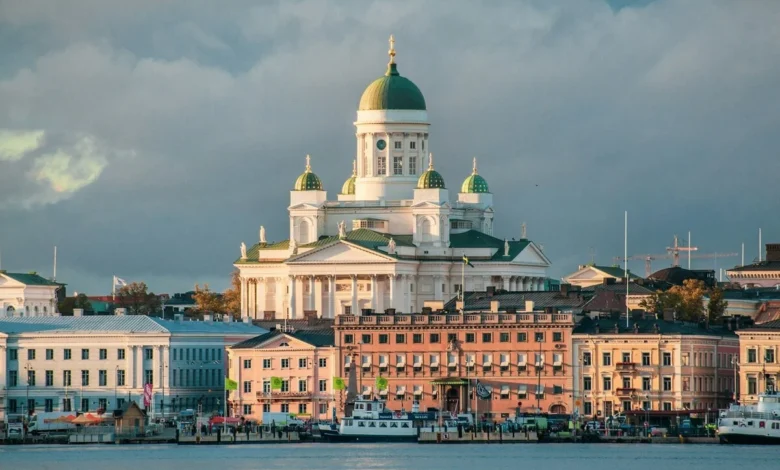
The traditional approach to urban exploration often resembles a high-speed logistics exercise: travelers frequently attempt to hit five or six cultural institutions before sunset, turning the discovery of art and history into a frantic checklist of arrivals and departures. In Helsinki, where the concentration of world-class galleries is unusually high, this "marathon" method frequently leads to diminished returns, with visitors experiencing cognitive fatigue by mid-afternoon. A more effective strategy, often characterized by the Finnish concept of rauhassa—which translates to "in peace" or "without haste"—prioritizes depth over quantity. By limiting a primary museum day to three carefully selected institutions, visitors can move beyond the superficial scanning of exhibits and engage in a more meaningful, contemplative analysis of Finland’s artistic and cultural evolution.
The Logic of Intentional Curation
The primary challenge for any museum-goer in a foreign capital is the saturation of sensory input. Research in cultural tourism suggests that the average visitor’s ability to retain information drops significantly after two hours of continuous viewing. When a traveler attempts to compress four or five museums into a single day, they are not engaging in cultural consumption; they are participating in a logistical race.
By contrast, selecting three sites allows for a logical flow that respects the physical and mental constraints of the human experience. The "three-museum rule" ensures that a visitor has sufficient time to navigate the permanent collections, interact with temporary exhibitions, and reflect on the narrative connections between disparate galleries. This pace allows the city of Helsinki to act as a bridge between institutions, transforming the transition from one venue to the next into an immersive experience rather than a mere transit requirement.
A Chronological Guide to the Helsinki Core
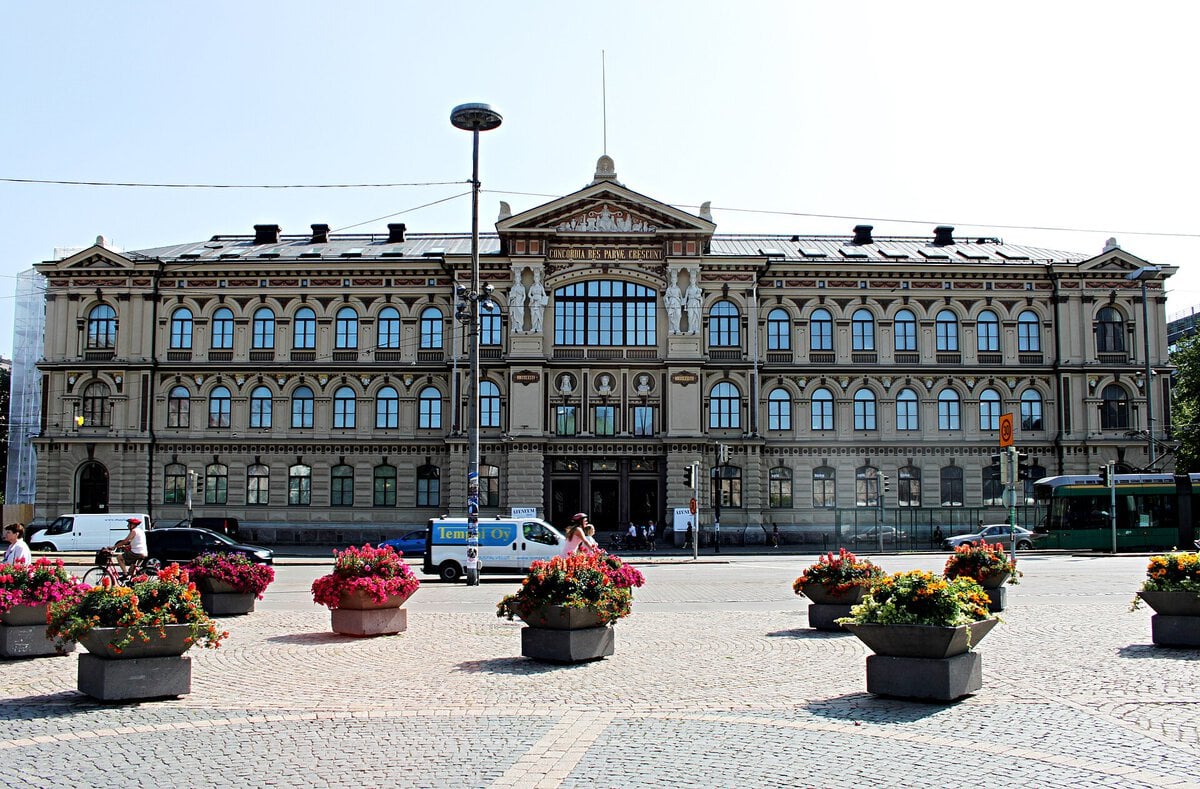
A logically structured day begins at the Ateneum, the premier institution for classical Finnish art. Located directly adjacent to the Helsinki Central Railway Station, it serves as the most accessible starting point for any cultural tour. The building itself is an architectural landmark, completed in 1887, and houses the primary collection of the Finnish National Gallery. Visitors arriving at the 10:00 a.m. opening are encouraged to prioritize the national romanticist works of Akseli Gallen-Kallela and the psychological depth of Helene Schjerfbeck.
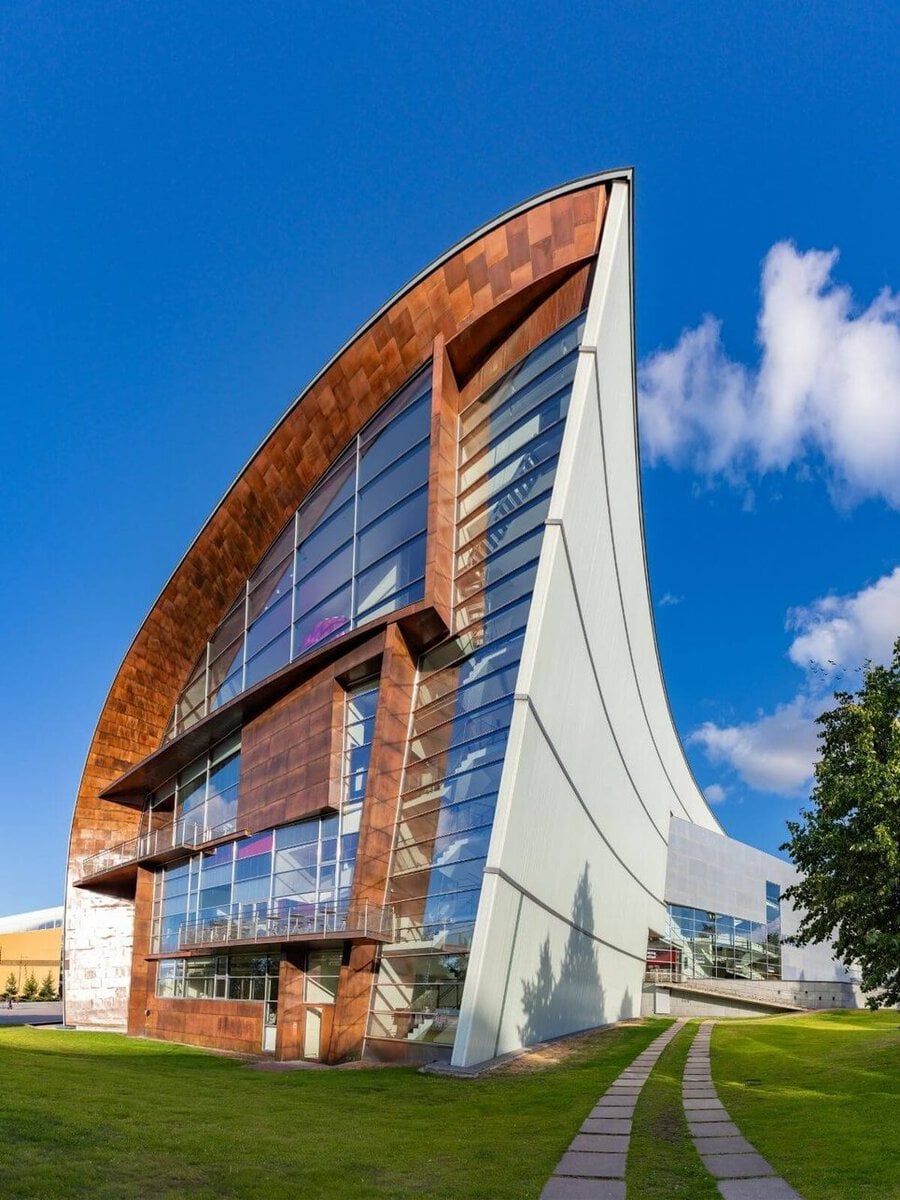
Following a morning session at the Ateneum, a 500-meter walk—roughly a seven-minute stroll through the heart of the city—leads directly to Kiasma, the Museum of Contemporary Art. The proximity of these two institutions illustrates the distinct shift in the Finnish cultural timeline. While the Ateneum preserves the visual history of the Finnish national identity, Kiasma, designed by architect Steven Holl and opened in 1998, represents a sharp pivot toward global contemporary discourse. The architectural contrast between the ornate, historicist facade of the Ateneum and the flowing, light-focused geometry of Kiasma provides an immediate, tangible lesson in the city’s modernization.
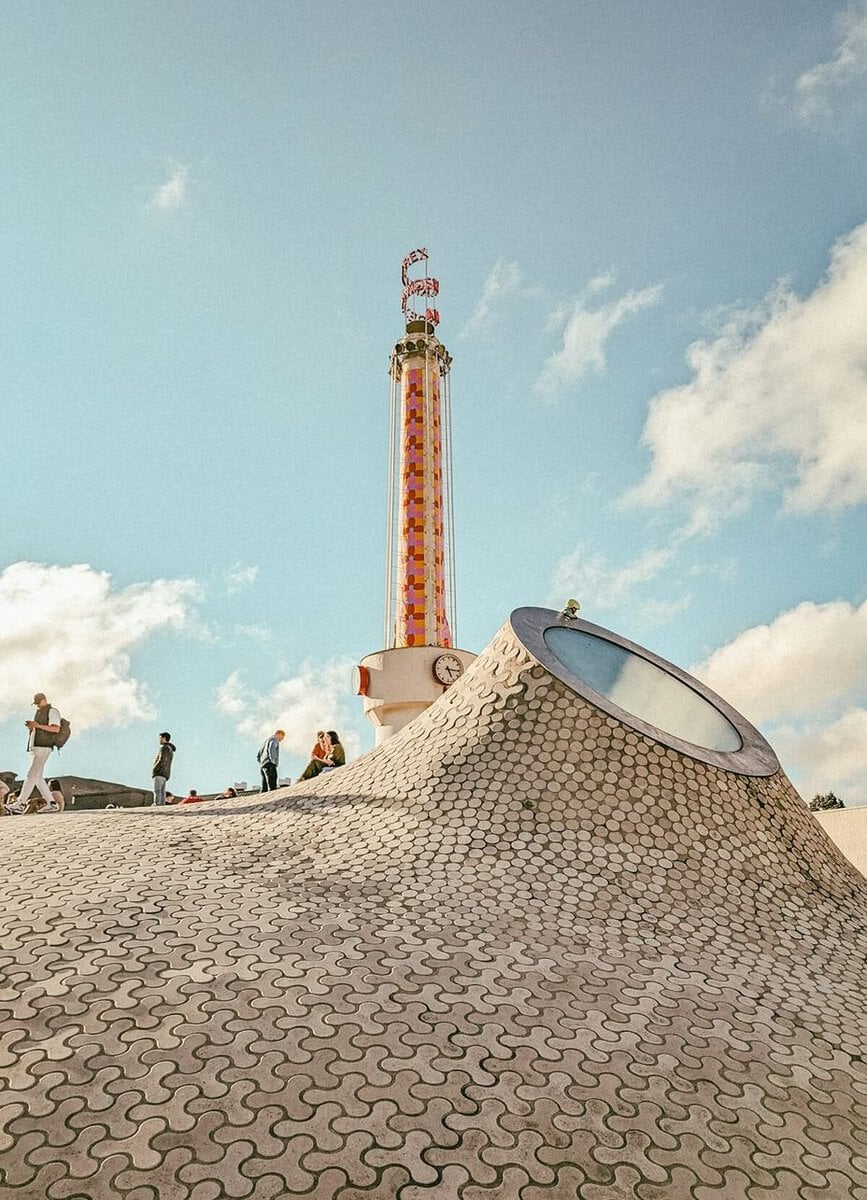
The final leg of this itinerary should be preceded by a deliberate pause. In accordance with local customs, a midday coffee break or a full lunch is not merely an optional indulgence; it is a critical component of the museum experience. Finnish café culture is intrinsically linked to the museum environment, and stepping away from the galleries allows for the synthesis of the morning’s observations. For a third stop, visitors are encouraged to choose between the Amos Rex, known for its innovative underground exhibition spaces and avant-garde programming, or the Design Museum, which provides essential context regarding Finland’s international reputation for industrial and functional aesthetics.
Financial and Logistical Considerations
When planning a multi-museum day, the question of cost-efficiency often leads travelers to investigate the various pass systems available in Helsinki. The Museum Card (Museokortti) is a nationwide, 12-month pass that grants access to over 350 museums across Finland. While highly cost-effective for residents or those planning an extended stay, its value proposition for a single-day visitor depends entirely on the specific admission prices of the chosen sites.
For the average tourist, the cost of individual tickets for three museums typically ranges between €50 and €70. If a visitor intends to see only three sites, they must compare this figure against the price of the Museum Card. Furthermore, the Helsinki Card—a separate product—offers a more comprehensive package, including public transportation and guided tours. Data suggests that visitors who blindly purchase these cards often fail to reach the "break-even" point because they underestimate the time required to truly experience each site. The most efficient financial strategy is to map out the desired route, verify the individual gate prices, and then select a pass only if the aggregate cost of admission exceeds the price of the card.
Institutional Accessibility and Operational Shifts
A critical aspect of navigating Helsinki’s museums is an awareness of shifting operational policies. For instance, while many major institutions are closed on Mondays, they frequently offer extended hours on Thursday or Friday evenings. Furthermore, the "First Friday" initiative, where several museums offer free admission to the public, is a significant event. While these days provide excellent value, they are also associated with peak attendance levels, which may contradict the goal of a tranquil, reflective viewing experience.
Information desk staff at these institutions often act as an underutilized resource. Rather than relying solely on audio guides or static placards, visitors who engage with curators or gallery assistants can gain insights into specific, lesser-known pieces that may not be highlighted in traditional guidebooks. This human-to-human interaction adds a layer of depth to the visit, allowing for a personalized narrative that static exhibits cannot provide.
The Broader Impact of Slow Tourism
The movement toward "slow tourism"—an approach that emphasizes quality, sustainability, and local connection—has gained traction in Northern Europe as a direct response to the "over-tourism" seen in other major cities. By encouraging visitors to spend more time in fewer locations, the city of Helsinki indirectly benefits from longer dwell times in specific neighborhoods. This prevents the overcrowding of transit corridors and encourages visitors to support local businesses, cafes, and independent bookstores located in the vicinity of these major cultural hubs.
From a pedagogical standpoint, the shift toward a slower pace is significant. Museums are not mere repositories for objects; they are interpretive spaces that require active participation. When a visitor spends two hours in one building rather than thirty minutes in four, the depth of retention increases, and the potential for a genuine emotional or intellectual response is heightened. This is particularly relevant in Helsinki, where the museums are deeply embedded in the social and historical narrative of the Finnish state.
Final Recommendations for the Visitor
To ensure a successful, non-rushed museum day, several practical steps are advised:
- Layering for Climate Shifts: Helsinki’s weather is notoriously mercurial. Because the recommended route involves short, outdoor walks between indoor galleries, dressing in layers is essential to manage the transition between the climate-controlled museum interiors and the variable Baltic environment.
- Advance Verification: While walk-in attendance is generally possible, it is prudent to check the official websites of the Ateneum, Kiasma, and the chosen third institution 24 hours prior. Special exhibitions can occasionally alter room availability or general capacity.
- Digital Fatigue Management: To maintain the "peace" of the day, visitors are encouraged to minimize the use of photography as a record-keeping tool. Instead, focusing on a few select pieces for deep observation often yields a better long-term memory of the visit than hundreds of rushed smartphone images.
- Flexible Planning: The route between the Central Station area and the Design District is highly walkable. By viewing the walk itself as a transitionary space for contemplation, the traveler integrates the city’s urban architecture into the broader cultural experience, creating a cohesive, well-rounded day that honors the artistic significance of the capital.
In summary, the most rewarding museum experiences in Helsinki are those that are curated by the visitor with a focus on patience. By resisting the urge to treat the city as a checklist, the traveler gains the opportunity to connect with the Finnish identity in a way that is both intellectually rigorous and personally restorative. The "three-museum" model serves as an effective framework for this, ensuring that the visitor leaves with a coherent understanding of the art, rather than a mere list of locations checked off the itinerary.
Related posts: