The Cooper’s Hill Cheese Rolling and Wake: A Deep Dive into England’s Most Dangerous Tradition

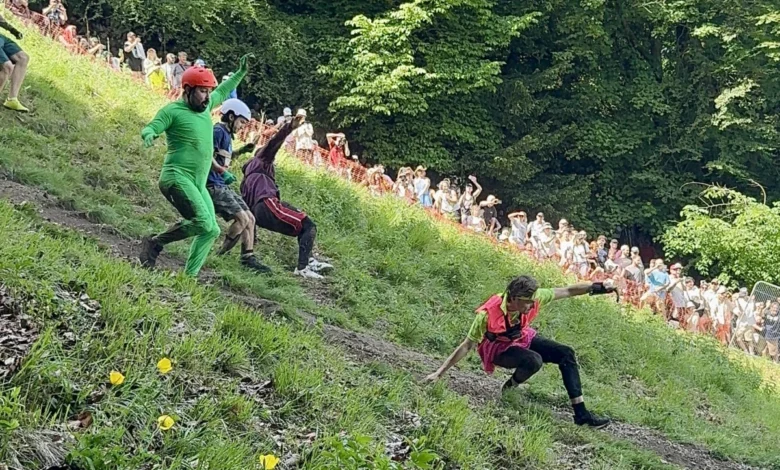
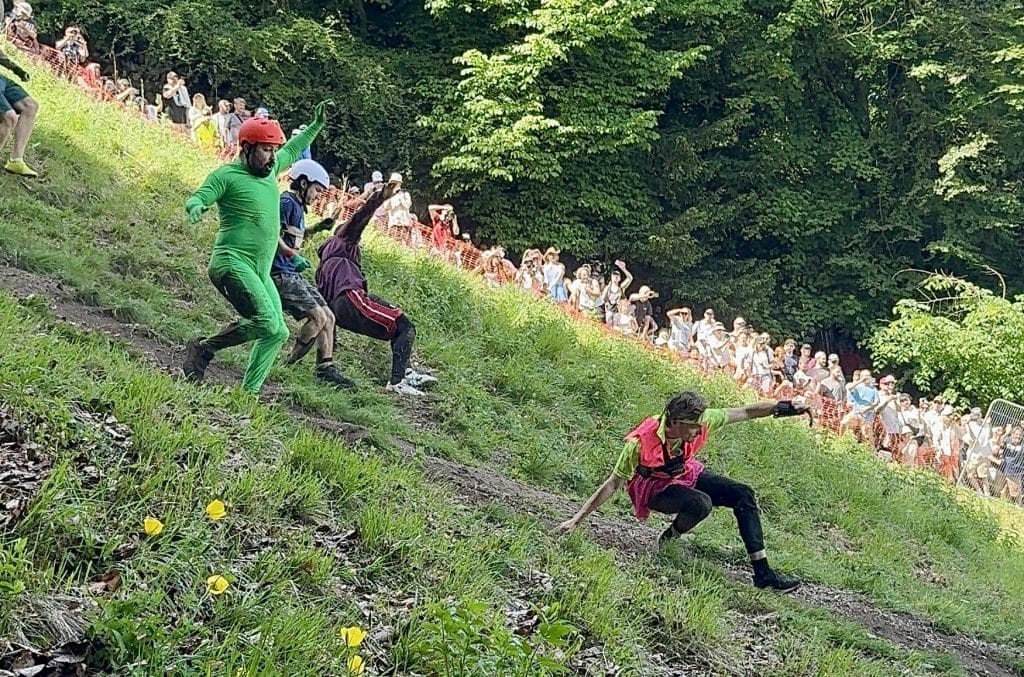
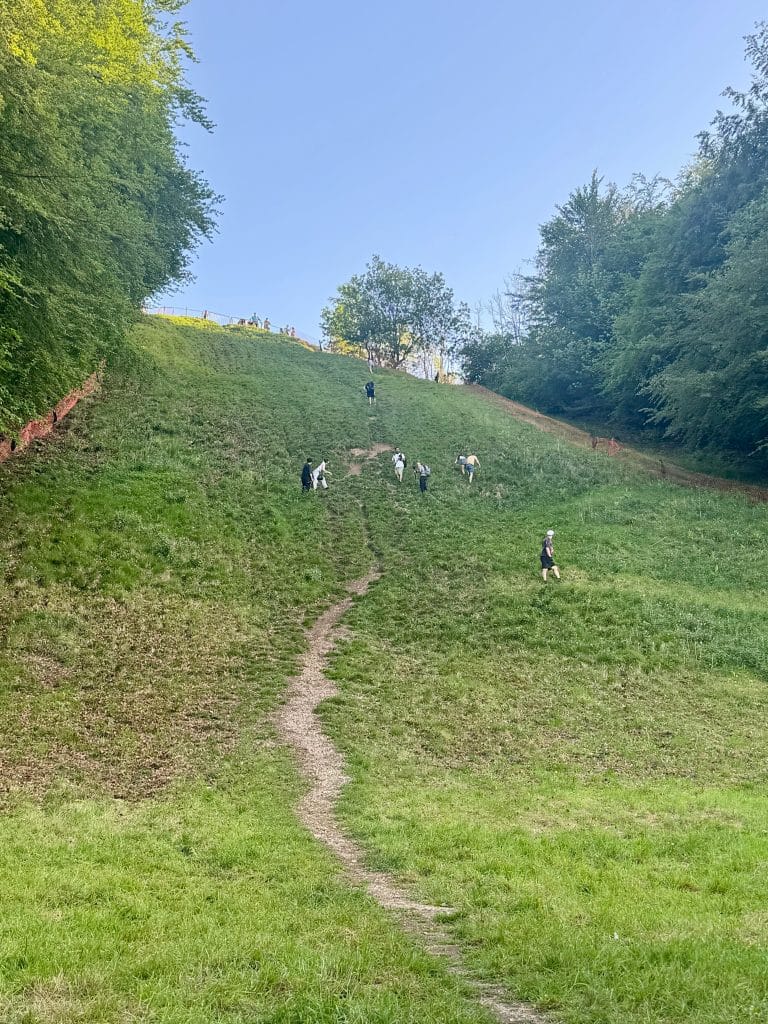
The last Monday in May in Gloucestershire, England, is marked by a spectacle that defies conventional sporting logic and safety standards: the Cooper’s Hill Cheese Rolling. Held annually on the precipitous slopes of Cooper’s Hill in Brockworth, the event involves participants sprinting down a near-vertical gradient in pursuit of a seven-pound wheel of Double Gloucester cheese. While the spectacle draws thousands of spectators and international media attention, the event remains an unofficial, unregulated gathering that balances on the razor’s edge between cultural heritage and severe physical risk.
Historical Origins and Cultural Significance
The origins of the Cooper’s Hill Cheese Rolling are shrouded in historical ambiguity. While some local historians and folklorists trace the practice to pagan rituals celebrating the arrival of summer and the fertility of the land, others suggest it originated as a way to maintain grazing rights on the hill. Historically, such events were common across the Cotswolds, but Cooper’s Hill is the only location where the tradition has persisted into the 21st century.
For the residents of Brockworth, the event is more than a race; it is an assertion of community identity. Despite attempts by local authorities to discourage the event due to liability concerns, the persistence of the tradition demonstrates the power of grassroots cultural preservation. The race is not a formal competition with a governing body; rather, it is a spontaneous assembly that relies on the tacit consent of local landowners and the dedication of the participants.
The Anatomy of the Race
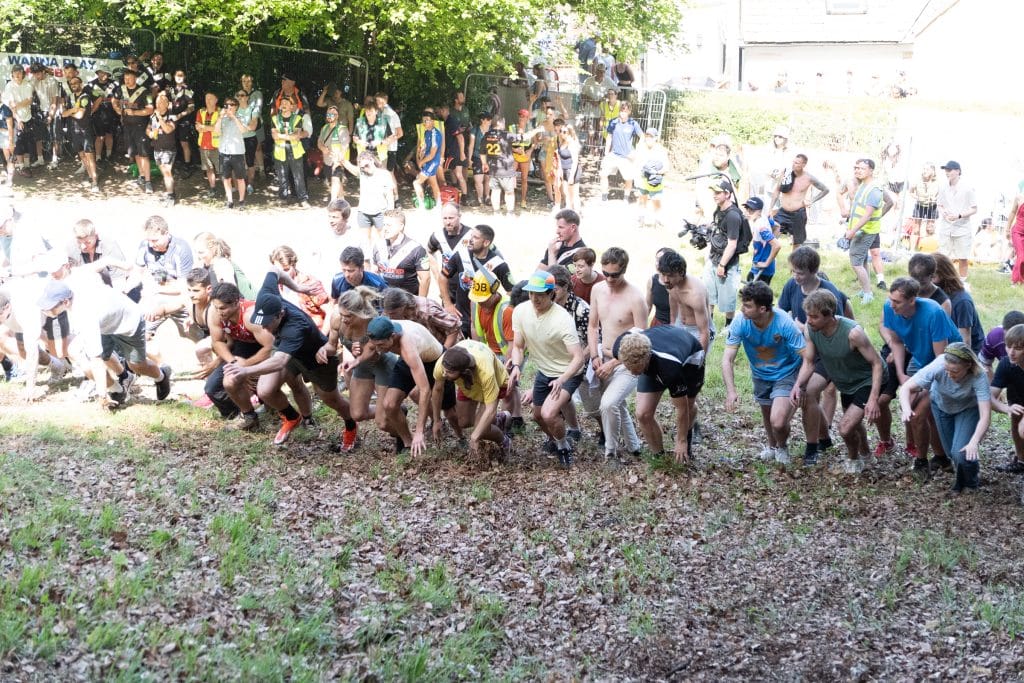
The event is structured around a series of sprints. Traditionally, these include several downhill races for men and women, alongside safer, uphill races for younger children and non-competitive participants. The "master of ceremonies" initiates each heat with a rhythmic call: "One to be ready, two to be steady, three to prepare, and four to be off!"
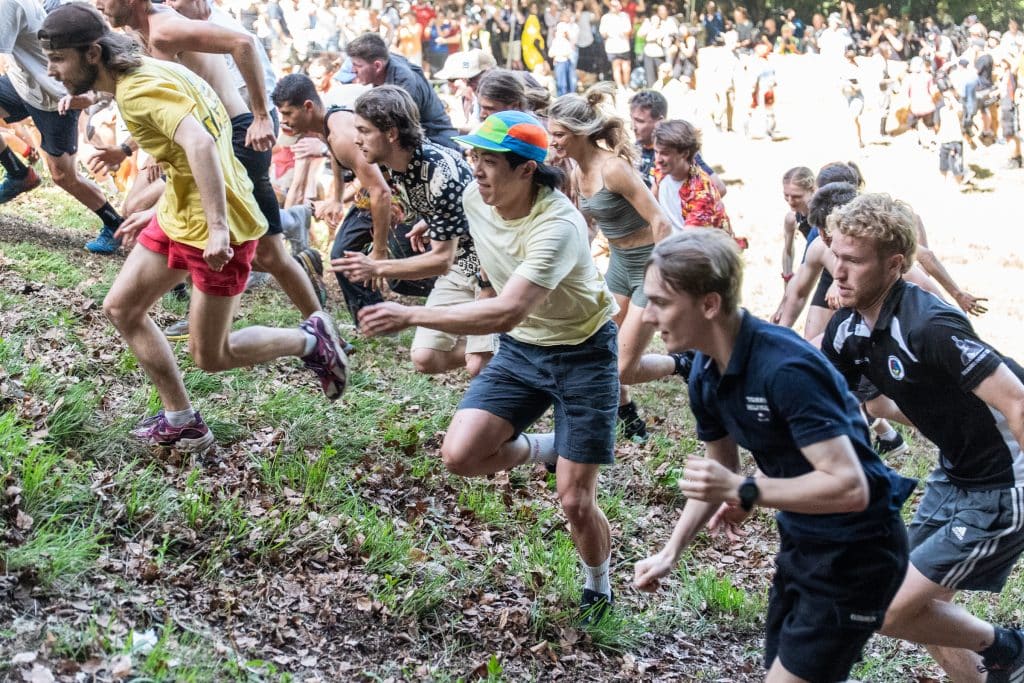
At the sound of the command, the seven-pound wheel of Double Gloucester cheese—often wrapped in ribbons—is released down the slope. The cheese can reach speeds exceeding 70 miles per hour, making it impossible for any human runner to actually catch it. The objective is not to retrieve the cheese, but to be the first person to cross the finish line at the base of the hill. Due to the extreme slope, competitors rarely remain on their feet; the descent is characterized by tumbling, somersaulting, and sliding, often resulting in high-impact collisions with the terrain or other runners.
Safety Implications and Official Stance
The unofficial nature of the event creates significant logistical challenges. Because there is no formal organizer, there is no standardized safety plan or insurance coverage. This legal ambiguity is a direct response to the recurring injuries sustained by participants.
Medical records from recent years confirm that the risk of injury is not merely theoretical. Broken bones, sprains, and concussions are common occurrences. In 2025, the demand for emergency services was so high that local hospitals had to deploy multiple land ambulances and an air ambulance to manage the surge of casualties. Local authorities and emergency services have, for years, issued formal warnings to the public, emphasizing that attendance—both as a participant and a spectator—is done entirely at one’s own risk. The presence of local rugby players at the finish line, tasked with tackling runners to prevent them from careening into the spectator crowd, serves as the only real "safety" measure in place.
The Global Rise in Popularity
In recent years, the profile of the event has shifted from a local curiosity to a global phenomenon. This transformation is largely attributed to the rise of social media and streaming platforms. The inclusion of the race in the first episode of the Netflix documentary series We Are The Champions brought the event to a worldwide audience, significantly increasing the number of international participants and tourists.
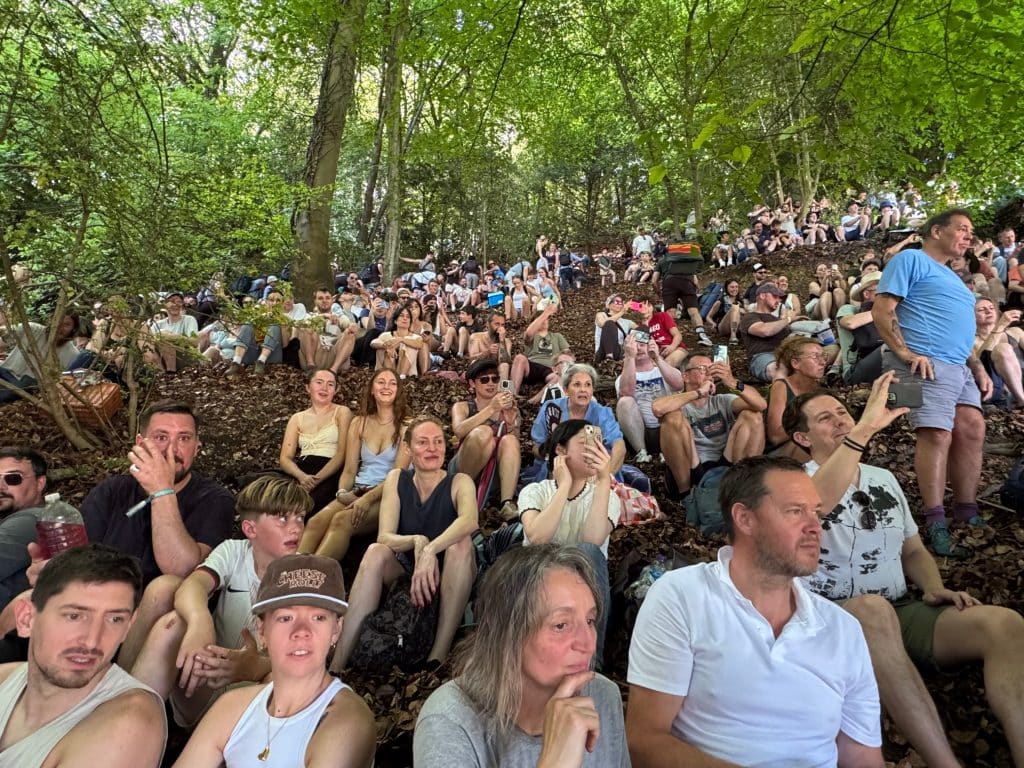
This influx of global attention has created a paradox for the community. While the tourism bolsters the local economy—benefiting nearby pubs, retailers, and hospitality providers—the massive crowds place unprecedented strain on the infrastructure of a small village like Brockworth. The challenge for the future will be determining whether the tradition can be formalized to ensure safety without losing the chaotic, authentic spirit that defines it.
Logistics for Attendees
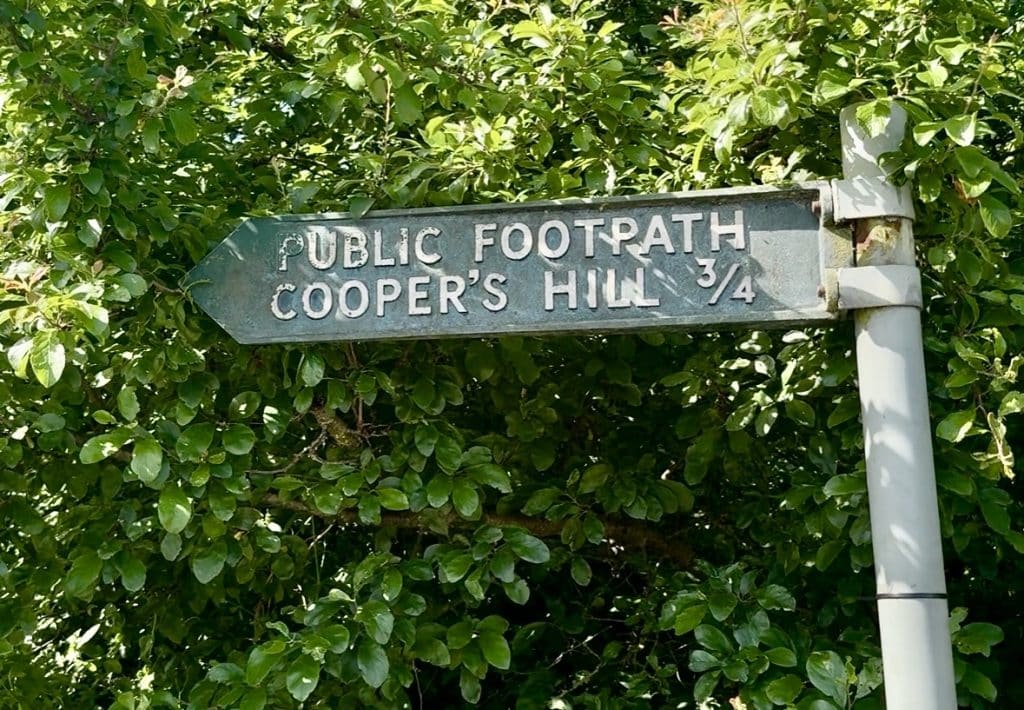
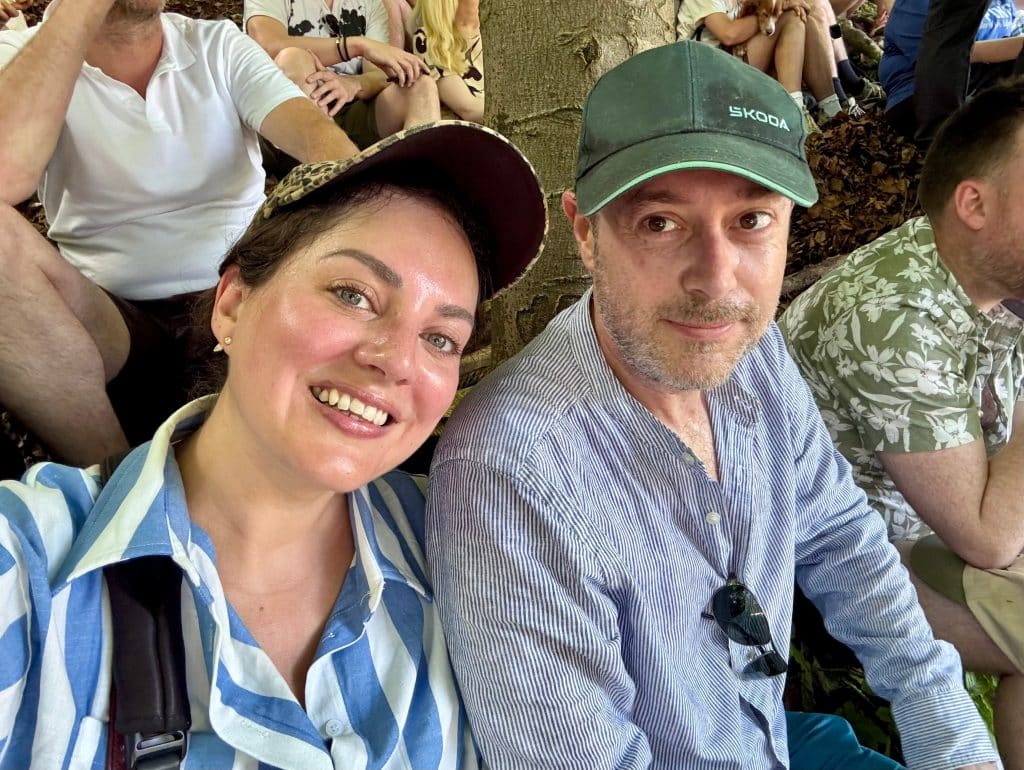
For those intending to visit, the logistics are demanding. The site is located in the town of Brockworth, between the major urban centers of Gloucester and Cheltenham. Public transportation is generally the recommended mode of transit, as street parking is strictly prohibited and local enforcement is rigorous. Visitors typically utilize the 10 or 166 bus lines, which provide access to the public footpath leading to the hill.
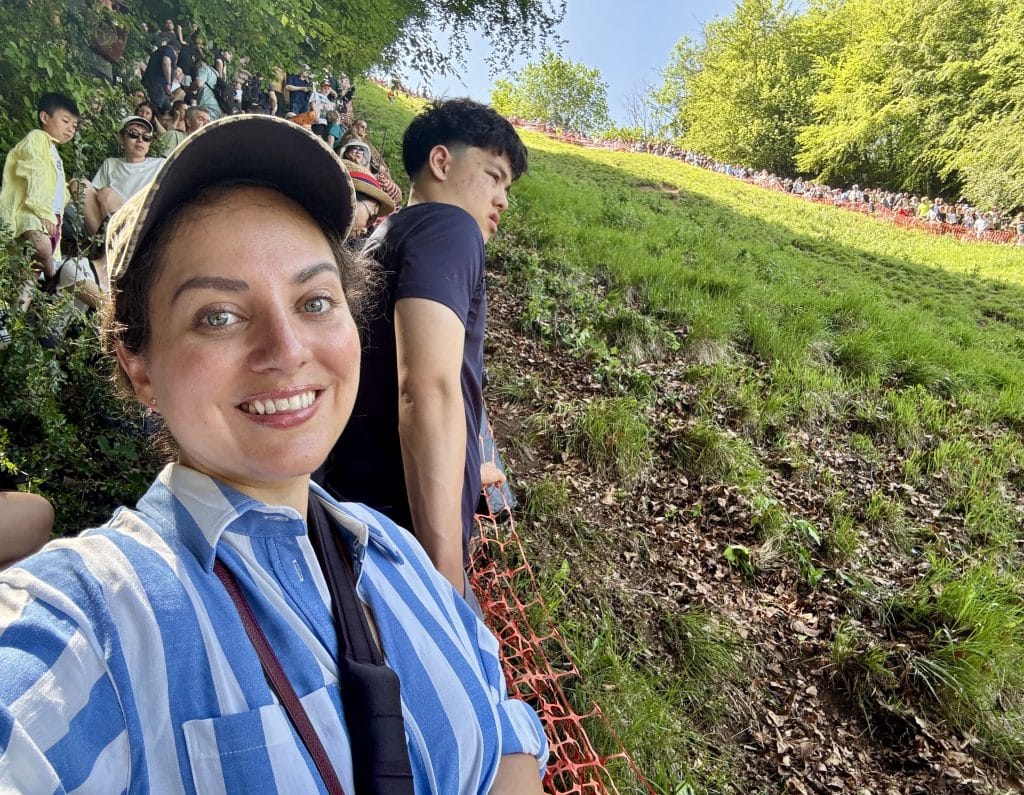
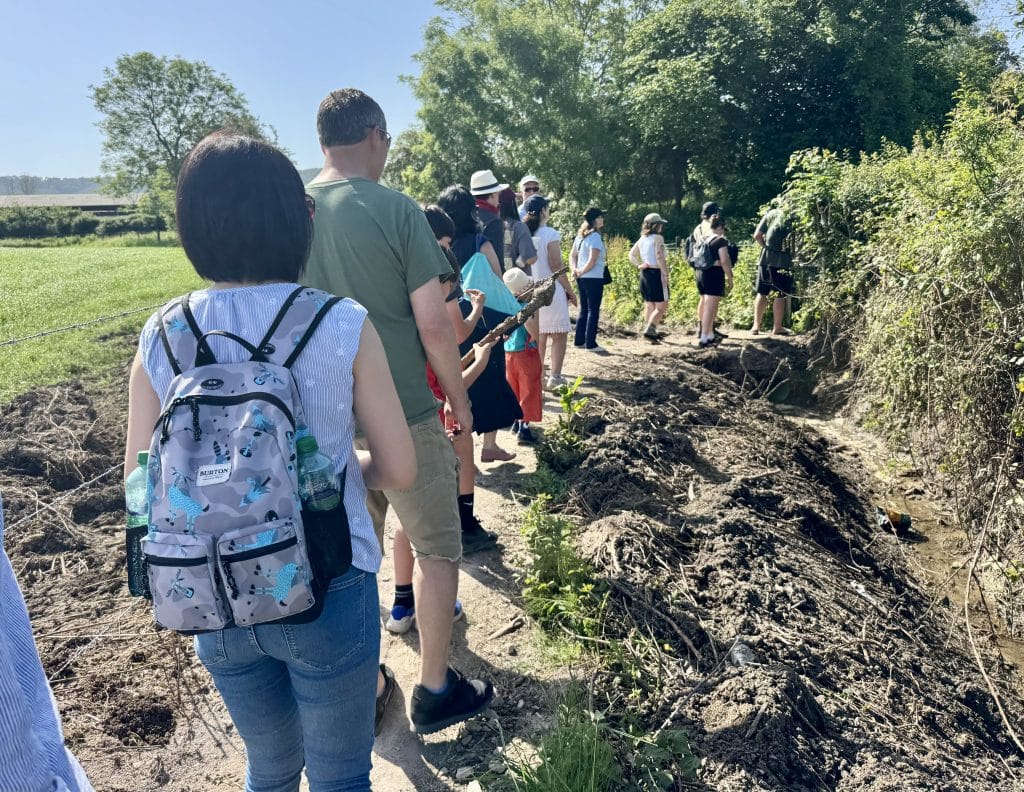
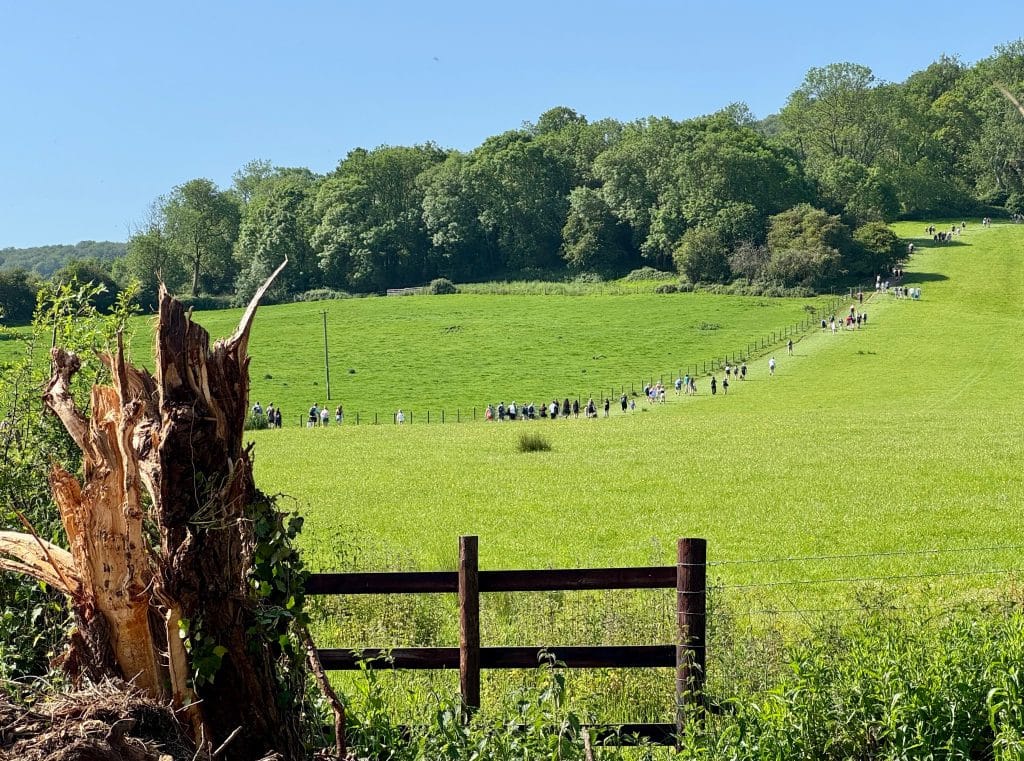
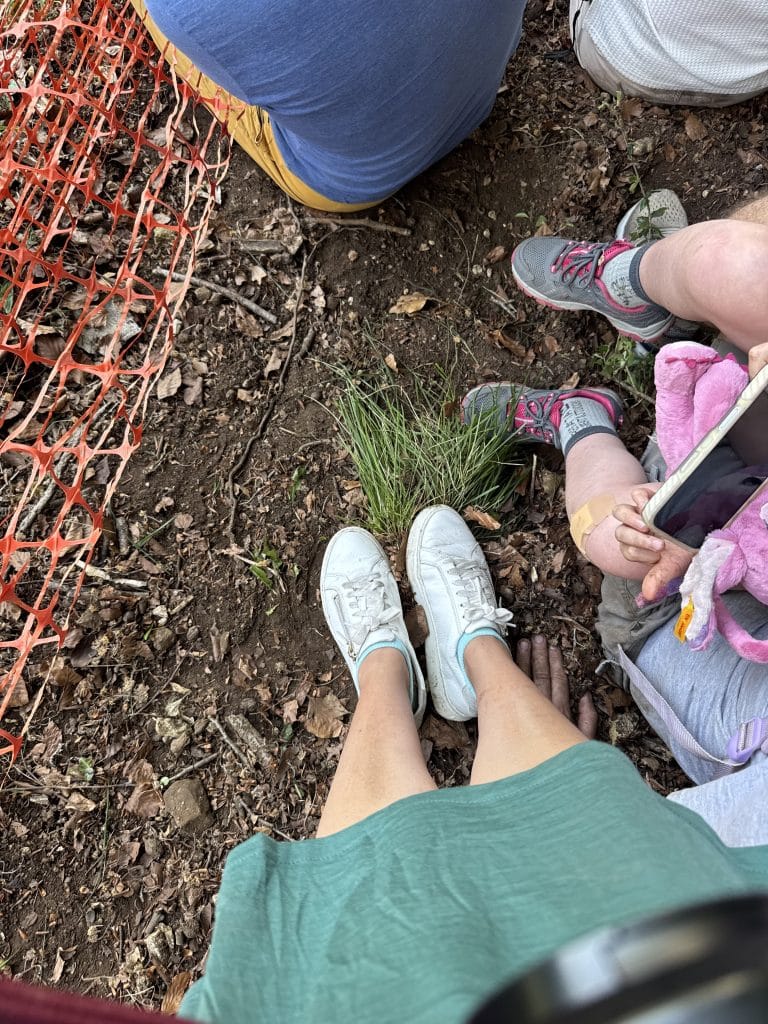
The footpath itself is a strenuous walk. It is approximately three-quarters of a mile, largely uphill, and can be impassable for those with limited mobility. Given the lack of infrastructure, attendees are advised to arrive as early as possible—often by 10:00 AM—to secure a viewing position. The terrain of the hill is composed of loose dirt and, in the event of rain, thick mud. Standard footwear is insufficient; sturdy, high-traction hiking gear is essential for both the approach and the duration of the event.
A Comparative Analysis of Risk
The Cooper’s Hill event exists in a unique legal category. Unlike sanctioned extreme sports, which require rigorous vetting, safety equipment, and emergency medical personnel on-site, the cheese rolling is a "voluntary exposure to risk." From a public health perspective, the event represents a significant drain on the National Health Service (NHS) resources on a day when those resources are already taxed.
Legal experts have frequently debated whether the landowners or the local parish council could be held liable for injuries. To date, the lack of an formal organizer has shielded these entities from direct responsibility, but the intensifying scrutiny from health and safety boards suggests that the status quo may not be sustainable indefinitely.
Economic and Community Impact
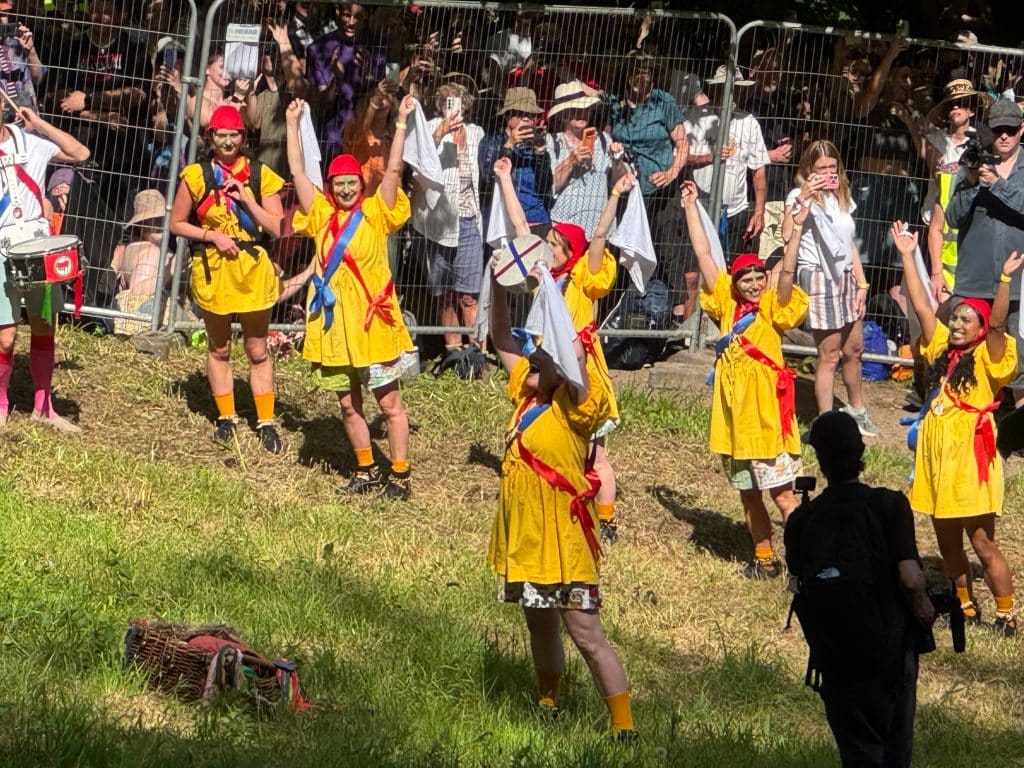
Beyond the physical danger, the event acts as a vital economic engine for the region. The Cheese Roller’s Pub in Shurdington and other local businesses see a massive spike in revenue during the May bank holiday. This economic incentive explains why, despite the risks, there is a strong community push to keep the tradition alive. Local legends, such as Chris Anderson—who holds the Guinness World Record for the most race wins—are celebrated figures in the region, turning the event into a focal point for local pride.
Future Prospects
As the event approaches future iterations, the tension between tradition and modernity will likely intensify. The combination of viral social media coverage, an aging demographic of traditional participants, and increasingly stringent safety regulations from national authorities points toward an eventual pivot point. Whether the event will eventually be banned, moved to a more manageable venue, or forced into a structured, ticketed format remains a subject of ongoing debate among locals and Gloucestershire officials.
For now, the Cooper’s Hill Cheese Rolling remains a testament to the endurance of regional eccentricity. It is a event where the prize is not monetary, but symbolic—a seven-pound wheel of cheese and the intangible, but highly coveted, status of "Champion of the Hill." Until such time as the risks outweigh the cultural value, the tradition will continue to draw the brave, the curious, and the reckless to the slopes of Gloucestershire.