Beyond the Boardwalk A Comprehensive Analysis of the Most Relaxed States and the Premier Natural Beaches Across the United States

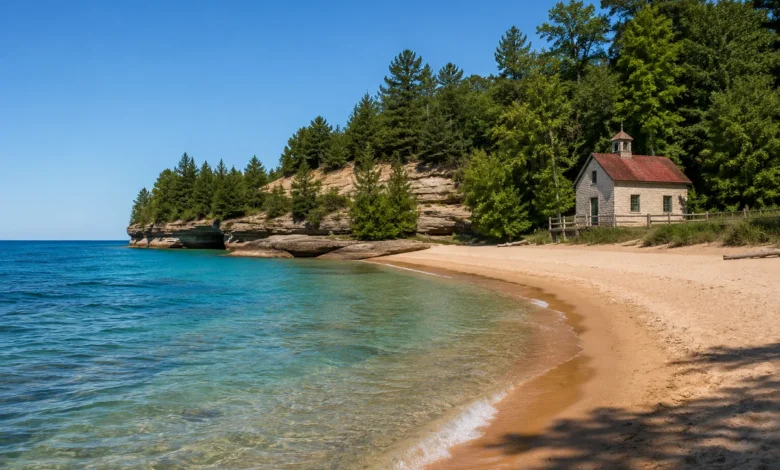
The traditional image of the American summer vacation—defined by neon-lit boardwalks, crowded piers, and the persistent hum of commercial resorts—is undergoing a significant shift as travelers increasingly prioritize tranquility and ecological integrity. According to the recently released Most Relaxed States Index, a study conducted by the research team at SlotsLV, there is a burgeoning demand for "natural beaches"—shorelines shaped by geological forces rather than urban development. By cross-referencing state-level geographical data with thousands of user-generated reviews from TripAdvisor, the study identifies a new hierarchy of coastal destinations where the absence of infrastructure is the primary draw.
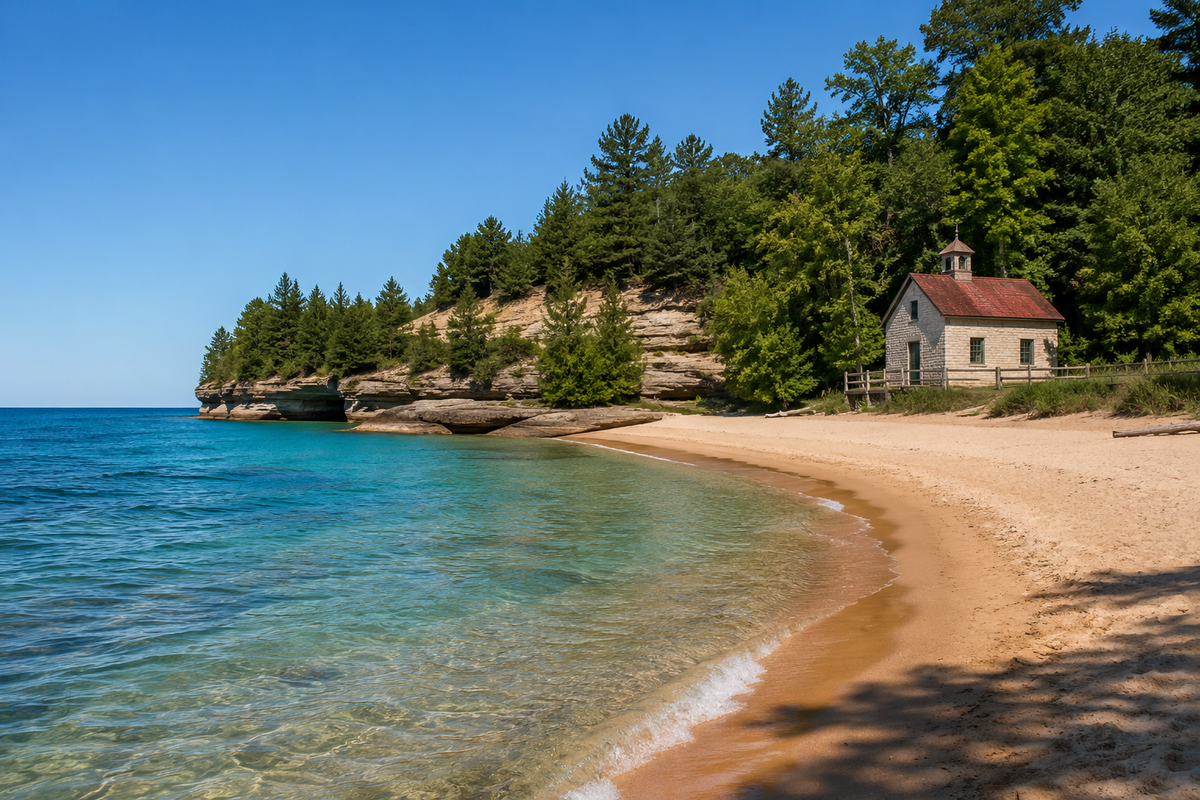
The Methodology of Relaxation: Defining the Natural Beach
The Most Relaxed States Index operates on the premise that environmental serenity is a measurable commodity. To qualify as a "natural beach" within this study, a shoreline must remain largely free of man-made alterations such as seawalls, paved promenades, or high-density commercial frontage. These locations are typically situated within the boundaries of national seashores, state parks, or protected nature preserves.
The research utilized two primary metrics: the total volume of natural beaches within a state and the qualitative feedback from visitors. The synthesis of this data reveals that states traditionally associated with heavy industry or urban density, such as Massachusetts and New York, actually harbor some of the most expansive and well-regarded natural escapes in the country.
A Data-Driven Ranking of America’s Natural Shorelines
The study identified the top ten states based on the sheer quantity of natural beaches, subsequently highlighting the highest-rated individual beach within each jurisdiction. The following table summarizes the findings that serve as the foundation for this analysis:
| Rank | State | Number of Natural Beaches | Top-Rated Natural Beach | TripAdvisor Rating |
|---|---|---|---|---|
| 1 | Massachusetts | 2,342 | Coast Guard Beach | 4.7 / 5 |
| 2 | Florida | 1,880 | Playalinda Beach | 4.5 / 5 |
| 3 | New York | 1,605 | Cooper’s Beach | 4.6 / 5 |
| 4 | California | 1,536 | Limantour Beach | 4.6 / 5 |
| 5 | Michigan | 1,241 | Oval Beach | 4.5 / 5 |
| 6 | Washington | 1,104 | Shi Shi Beach | 4.5 / 5 |
| 7 | Maine | 885 | Sand Beach | 4.5 / 5 |
| 8 | Wisconsin | 737 | Schoolhouse Beach | 4.6 / 5 |
| 9 | Ohio | 650 | Headlands Beach | 4.2 / 5 |
| 10 | Minnesota | 510 | Iona’s Beach | 4.6 / 5 |
Regional Highlights and Ecological Profiles
1. Massachusetts: The Preservation of the Atlantic Frontier
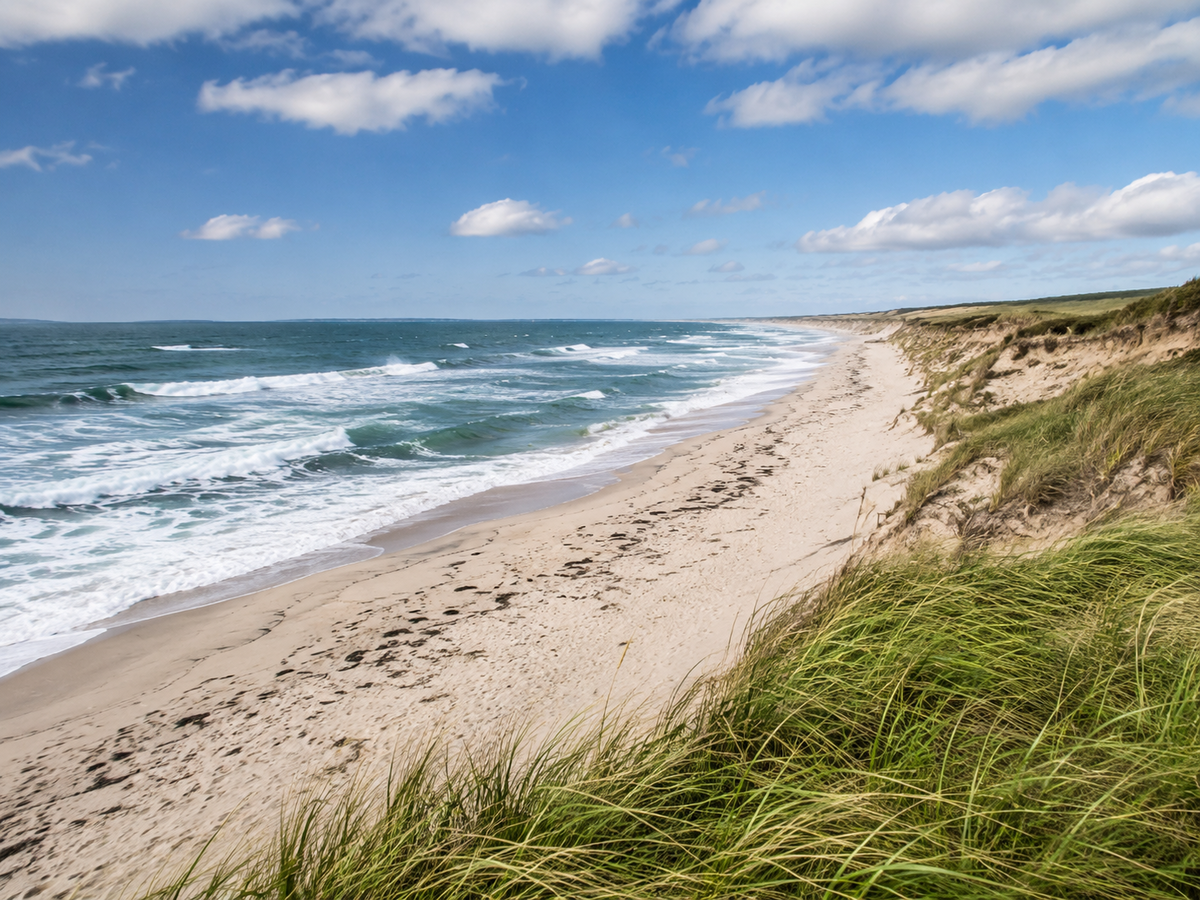
Massachusetts leads the nation with 2,342 natural beaches, a figure bolstered by the rigorous conservation efforts surrounding Cape Cod. Coast Guard Beach in Eastham stands as the crown jewel of the Cape Cod National Seashore. Historically, this area was praised by Henry David Thoreau, and today it remains much as it was in the 19th century. The beach is defined by massive glacial bluffs and a shifting shoreline that serves as a vital habitat for gray seals and various shorebirds. The 4.7 rating reflects a consumer preference for the "Great Beach" experience—a 20-mile stretch of uninterrupted sand and surf.
2. Florida: The Space Coast’s Silent Sanctuary
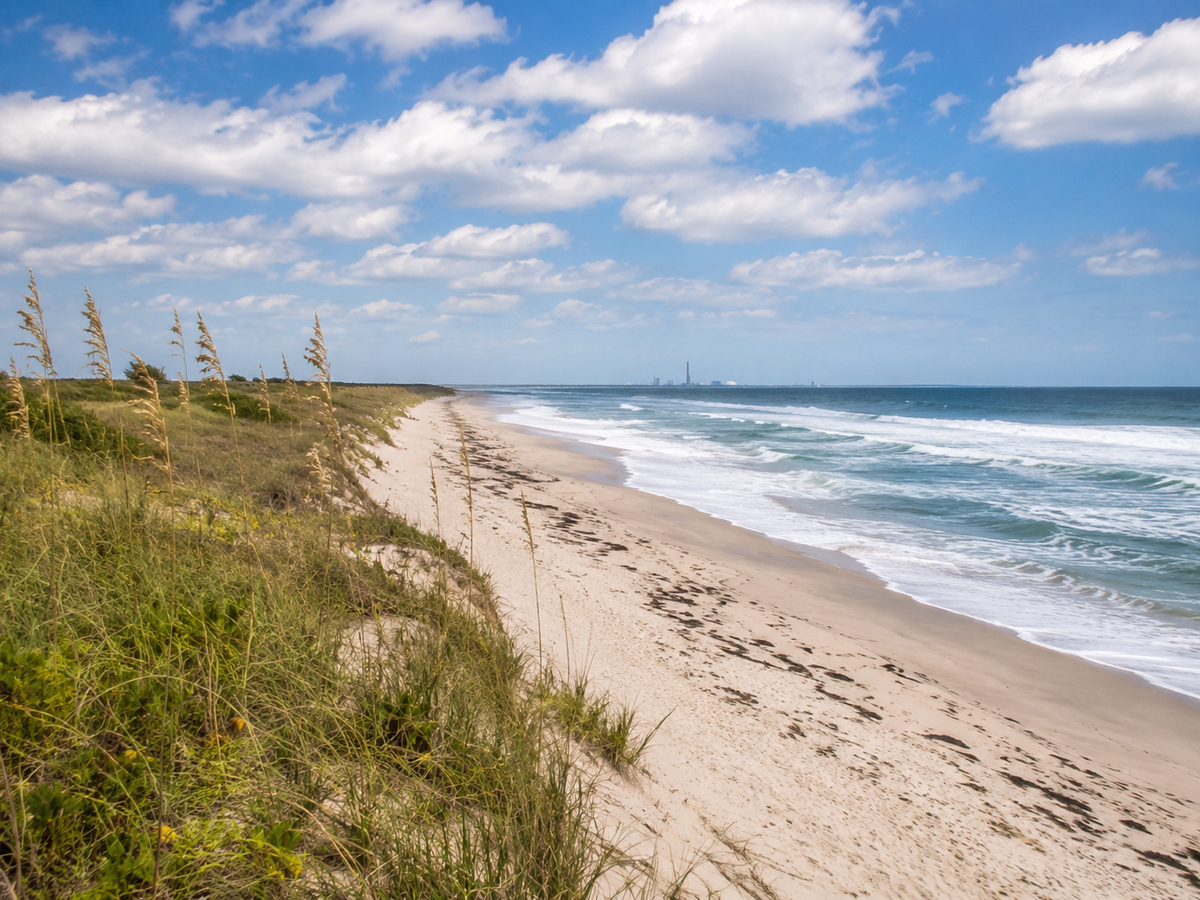
While Florida is synonymous with the high-rise skylines of Miami and the commercial bustle of Key West, its second-place ranking is driven by protected areas like the Canaveral National Seashore. Playalinda Beach offers a stark contrast to the nearby Kennedy Space Center. It is a 24-mile stretch of undeveloped barrier island that provides a critical nesting ground for endangered sea turtles. The absence of light pollution and commercial noise makes it a primary destination for those seeking the "Old Florida" aesthetic.
3. New York: Beyond the Concrete Jungle
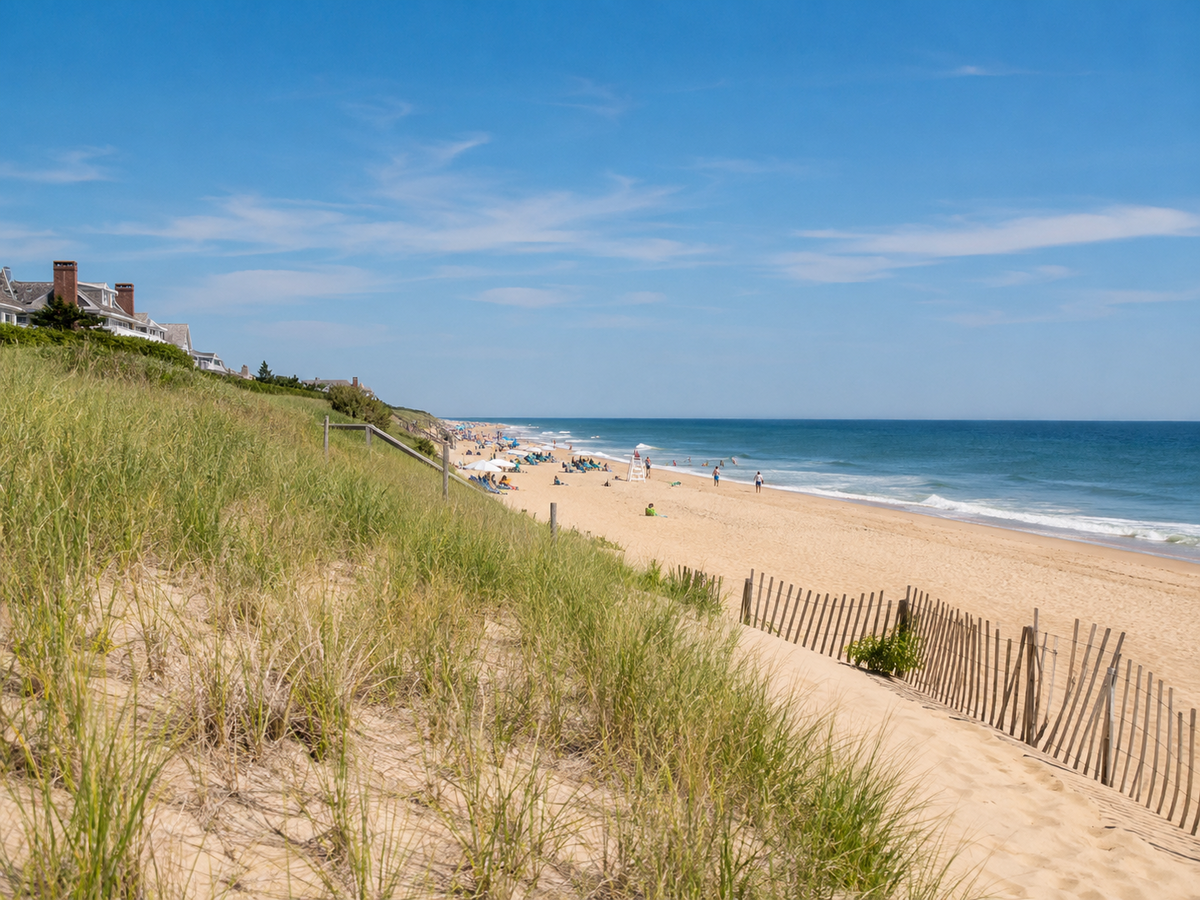
New York’s third-place ranking may surprise those who associate the state solely with Manhattan. However, Long Island’s South Fork contains Cooper’s Beach in Southampton, which consistently ranks among the best in the nation. Unlike the more social-centric beaches of the Hamptons, Cooper’s Beach is lauded for its expansive white quartz sand and dramatic dunes. The management of this beach balances accessibility with preservation, providing essential facilities without infringing upon the natural vista of the Atlantic.
4. California: The Wild Pacific Margin
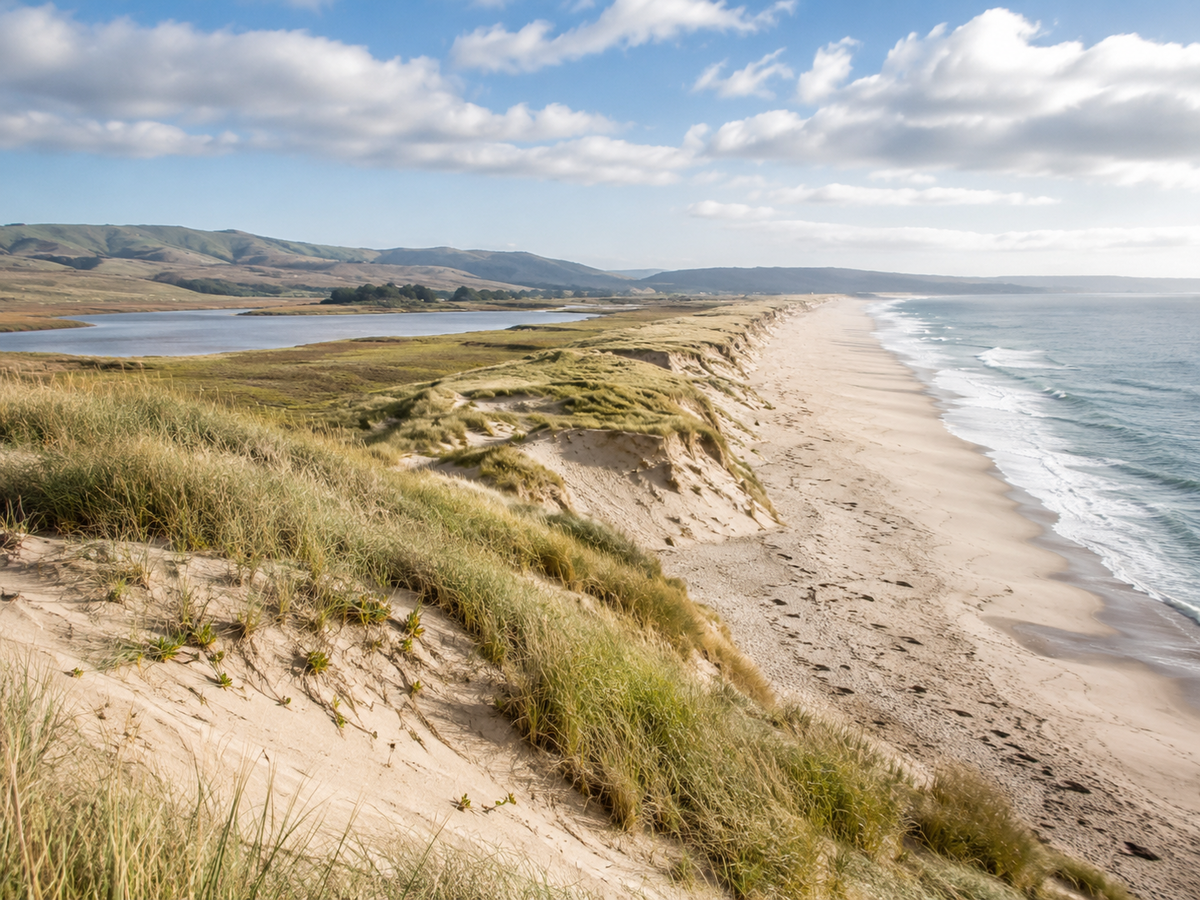
California’s 1,536 natural beaches are diverse, but Limantour Beach at Point Reyes National Seashore represents the quintessential Northern California coast. Located along the Limantour Spit, the beach is a transition zone between the estero (estuary) and the ocean. It is a haven for birdwatchers and those seeking a "disconnect" from the tech-heavy atmosphere of the nearby Bay Area. The beach’s 4.6 rating is a testament to its rugged, often fog-shrouded beauty.
5. Michigan: The Rise of the "Third Coast"
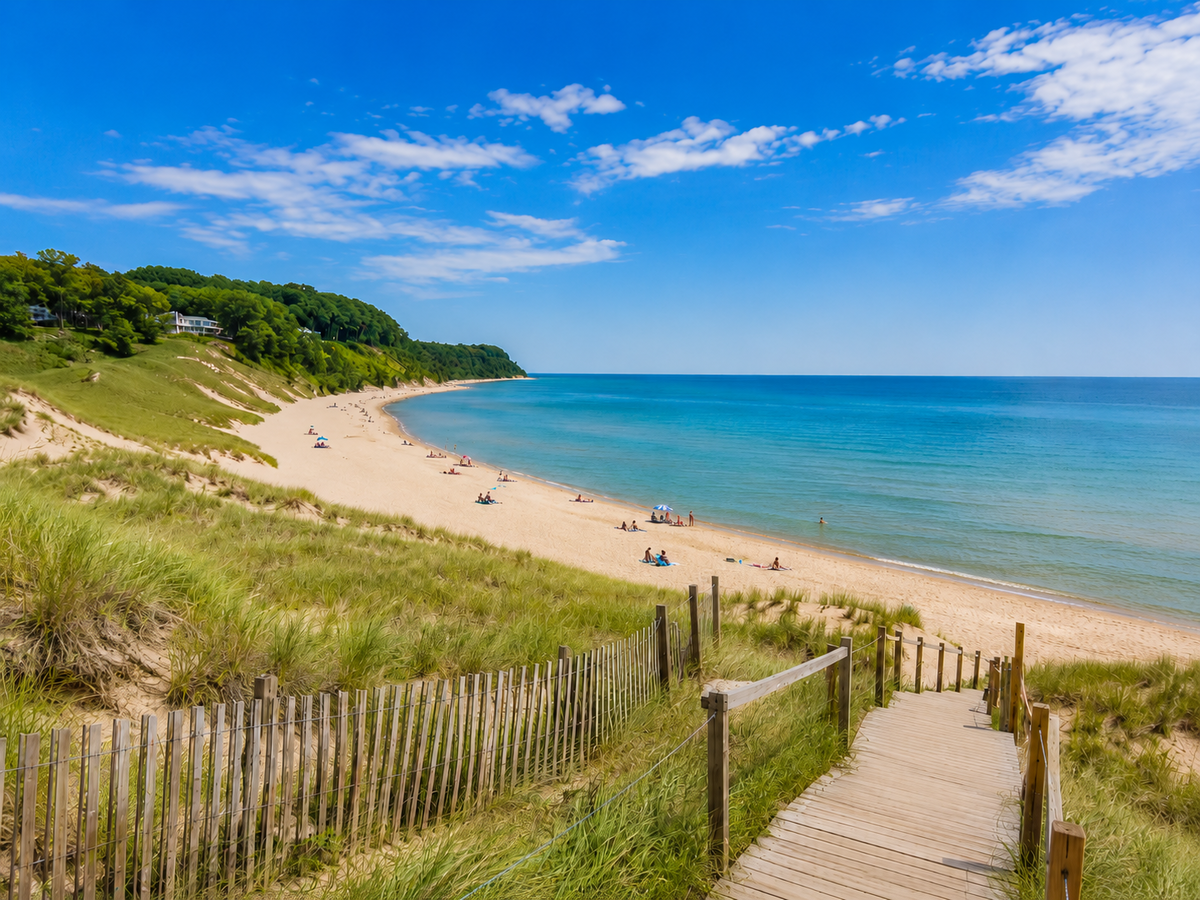
Michigan’s fifth-place position highlights the significance of the Great Lakes in the American beach landscape. Oval Beach in Saugatuck is frequently cited by international travel publications as a world-class destination. Bordered by towering sand dunes and the winding Kalamazoo River, it offers freshwater swimming without the concerns of salt or sharks. The high volume of reviews (over 1,100) suggests that the "Third Coast" is no longer a regional secret but a national contender.
6. Washington: The Rugged Olympic Wilderness
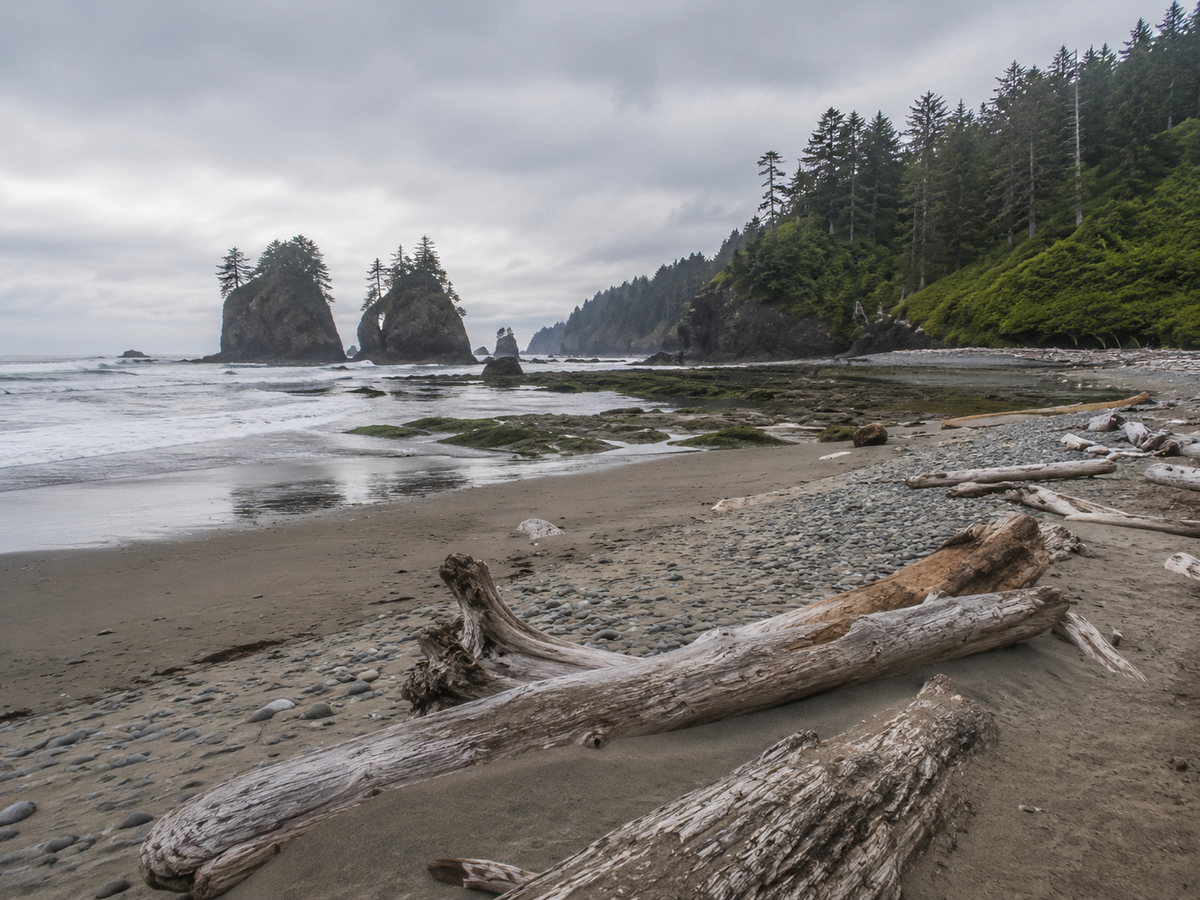
Shi Shi Beach in Washington requires a physical commitment that sets it apart. Located within the Olympic National Park and accessed via the Makah Reservation, reaching the shore involves a multi-mile hike through coastal forests. The reward is a landscape of jagged sea stacks and intricate tide pools. This beach represents the "adventure" segment of the relaxation index, where the effort of the journey contributes to the serenity of the destination.
7. Maine: A Sandy Outlier in a Rocky State
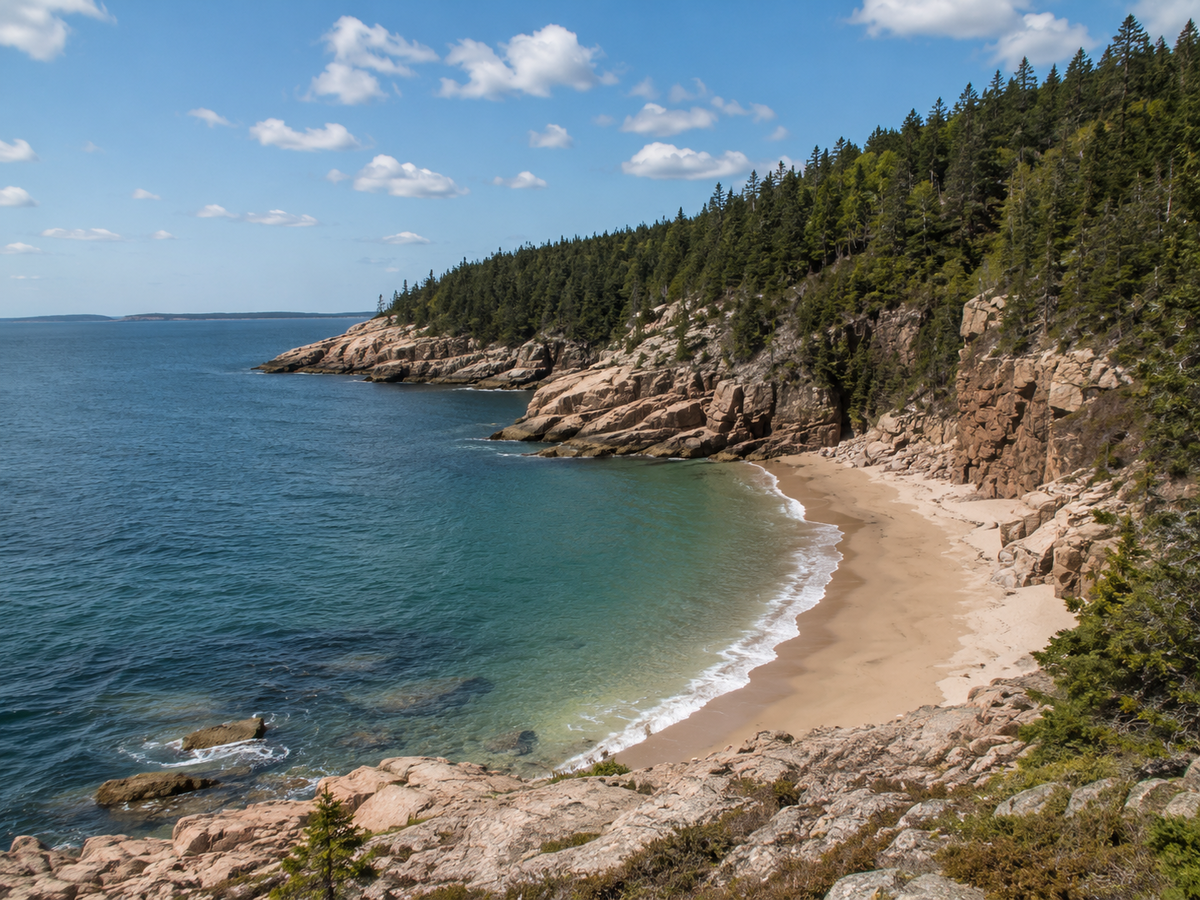
Maine is famous for its "rockbound coast," making the existence of Sand Beach in Acadia National Park all the more notable. Composed largely of crushed shell fragments, the beach is tucked between the granite headlands of Mount Desert Island. Despite the bracing water temperatures, which rarely exceed 60°F, it remains a focal point for visitors to the first national park established east of the Mississippi River.
8. Wisconsin: The Geological Uniqueness of Washington Island
Wisconsin’s Schoolhouse Beach challenges the very definition of a beach. Located on Washington Island, the shoreline is composed entirely of smooth, white limestone pebbles. This geological rarity is so protected that removing a single stone is a fineable offense. The clear, Caribbean-like waters of Lake Michigan provide a surreal swimming environment that feels more like a mountain spring than a traditional beach.
9. Ohio: Industrial Recovery and Natural Resurgence
Ohio’s Headlands Beach State Park proves that natural beauty can thrive in post-industrial corridors. As the largest natural sand beach in the state, it offers a mile of shoreline on Lake Erie. Its proximity to the Headlands Dunes State Nature Preserve allows visitors to see rare switchgrass and sand cherry plants that are remnants of the post-glacial era.
10. Minnesota: The Singing Sands of the North Shore
Rounding out the list is Iona’s Beach on Minnesota’s North Shore. This "Scientific and Natural Area" is famous for its pink rhyolite cobblestones. When the waves of Lake Superior retreat, the stones clatter against one another, creating a high-pitched ringing sound—the "singing" of the beach. It is a destination defined by acoustic beauty as much as visual splendor.
Analysis of Broader Implications: The Economics of Quietude
The data suggests a pivot in the travel industry’s economic drivers. For decades, coastal economies were built on "active" recreation—rentals, amusements, and dining. However, the high ratings for locations like Coast Guard Beach and Limantour Beach indicate that "passive" recreation—hiking, photography, and silence—carries significant consumer value.
This shift presents both an opportunity and a challenge for park management. The "most relaxed" states must now balance the influx of tourists seeking quiet with the ecological necessity of maintaining it. Overtourism in natural areas can lead to dune erosion, wildlife displacement, and the degradation of the very serenity travelers seek.
Conservation and the Future of the American Shoreline
Most of the beaches identified in this index are managed by the National Park Service (NPS) or state-level equivalents. The high ratings are a direct result of decades of federal and state protection. For instance, the Cape Cod National Seashore was created in 1961 specifically to prevent the commercial development that has characterized much of the Atlantic coast.
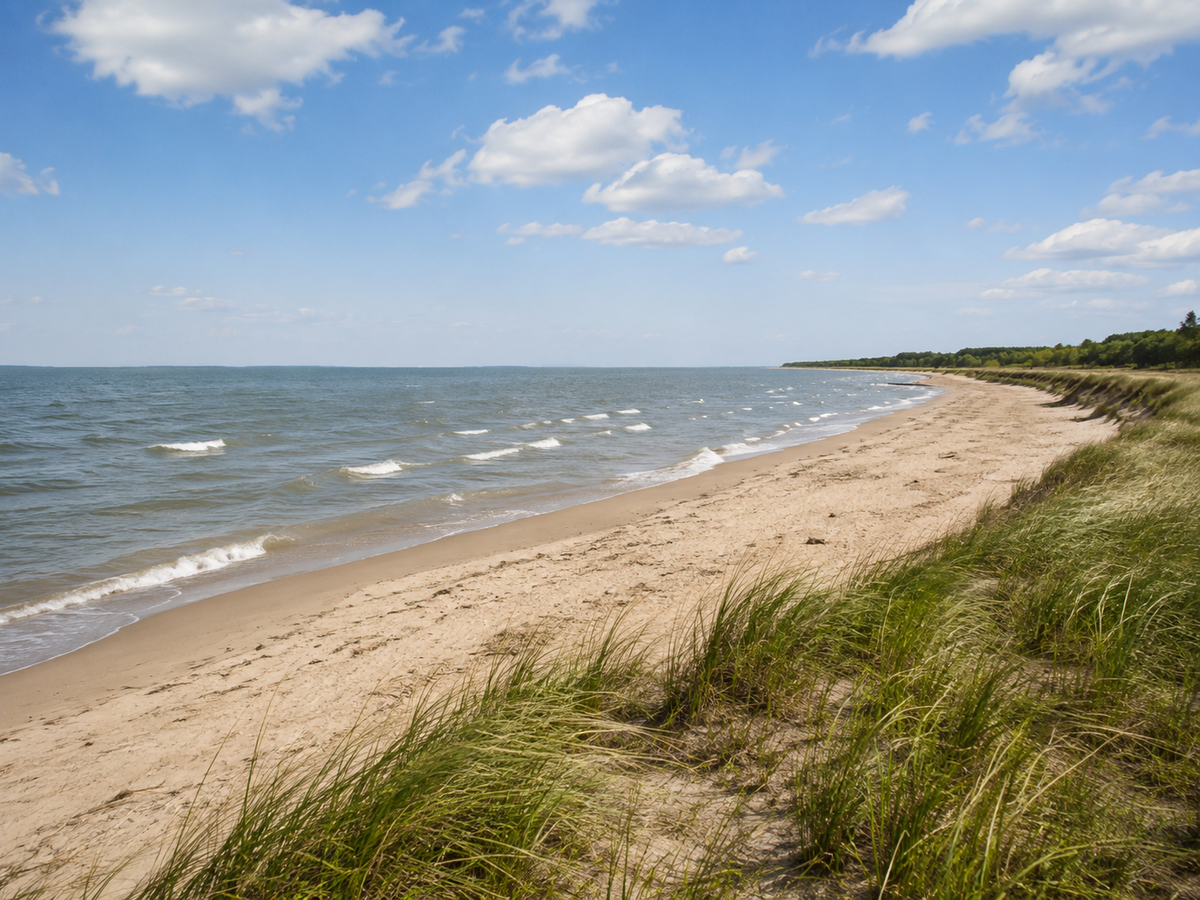
As climate change leads to rising sea levels and more frequent storm surges, these natural beaches serve as critical buffers. Unlike developed shorelines with rigid seawalls, natural beaches are dynamic systems that can shift and absorb energy. Protecting these spaces is therefore not just a matter of tourism, but of coastal resilience.
Conclusion
The Most Relaxed States Index serves as a roadmap for the modern traveler who views the beach not as a backdrop for social activity, but as a sanctuary for mental restoration. From the singing stones of Minnesota to the massive dunes of Massachusetts, these ten locations offer a compelling argument for leaving the boardwalk behind. As the travel industry continues to evolve, the value of an undeveloped horizon appears to be at an all-time high, proving that sometimes, the most memorable destination is the one where the least has been done to change it.