Capital One Offers 30 Percent Transfer Bonus to Japan Airlines Mileage Bank Ahead of September Deadline

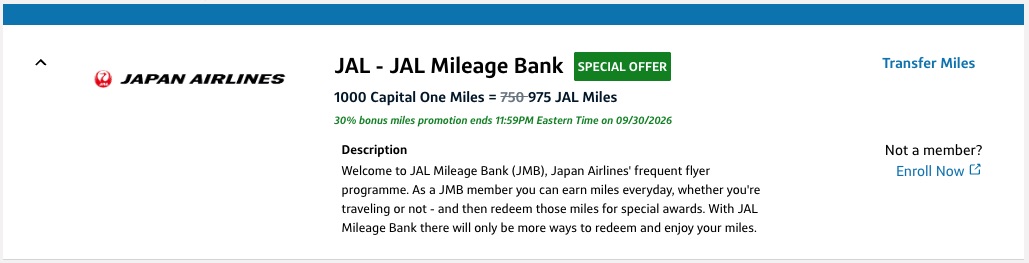
Capital One has launched a 30 percent transfer bonus for cardholders looking to move their miles to Japan Airlines (JAL) Mileage Bank, marking the third time this calendar year and the fourth time in the past 12 months that the issuer has introduced this promotion. The limited-time offer allows holders of eligible travel rewards cards, such as the Capital One Venture X Rewards Credit Card and the Capital One Venture Rewards Credit Card, to bridge the gap between Capital One’s standard transfer ratio and a near one-to-one conversion rate. Under normal conditions, cardholders transfer miles to JAL at a 1,000-to-750 ratio. With the active 30 percent promotion, the conversion rate improves to 1,000 Capital One miles yielding 975 JAL miles. The promotional window concludes on Wednesday, September 30, leaving cardholders with a brief timeframe to execute transfers. While the mathematical conversion requires a multiplier of approximately 1.0256 to calculate exact totals, frequent flyer analysts note that the enhanced valuation unlocks substantial opportunities within JAL’s mileage program.
Background and Context of the Partnership
The inclusion of Japan Airlines as a transfer partner has become a significant asset for Capital One cardholders since the partnership was initially established. JAL Mileage Bank is widely recognized in the travel industry for offering high-value redemption opportunities, particularly for long-haul premium cabin flights. Historically, transferable point currencies from major credit card issuers have competed heavily on the strength of their airline and hotel transfer partners. By frequently rolling out 30 percent transfer bonuses—such as those seen earlier in the year and throughout the prior 12-month cycle—Capital One aims to increase the competitiveness of its rewards ecosystem against rival programs run by American Express, Chase, and Citi.
Airline loyalty programs have faced increased scrutiny from consumers due to frequent devaluations, rising fuel surcharges, and tightening award availability. Despite these industry-wide headwinds, JAL’s distance-based partner award charts and competitive pricing for its own metal flights have maintained their appeal among points and miles enthusiasts. Travel industry observers note that these recurring transfer bonuses serve as a strategic tool to drive consumer engagement and reward loyalty among premium cardholders who utilize flexible currency ecosystems for high-value travel redemptions.
Timeline of the Promotion and Key Deadlines
The latest promotional window follows a pattern of periodic rate boosts implemented by Capital One over the past year.
- Late 2024 to Early 2025: Capital One introduced its initial promotional bonuses following the onboarding of JAL as a formal transfer partner.
- Throughout 2026: Issuers have repeated 30 percent bonus intervals roughly on a quarterly basis, reflecting strong demand from cardholders targeting Asian travel routes.
- September 1, 2026: Japan Airlines enacted a reduction in carrier-imposed fuel surcharges, lowering out-of-pocket costs by approximately $100 for JAL-operated flights, which coincided with the active promotional push.
- September 30, 2026: The final deadline for the current 30 percent transfer bonus. All point transfers must be completed by the end of the day to secure the enhanced rate.
Industry analysts recommend that travelers enroll in the JAL Mileage Bank program well in advance of executing transfers, as processing times and account verification can occasionally introduce delays that threaten time-sensitive award bookings.
Redemption Sweet Spots: Flying JAL to Japan
The most prominent utility of JAL Mileage Bank miles lies in booking flights directly on Japan Airlines between North America and Japan. JAL operates out of numerous major North American gateways, connecting travelers to Tokyo Haneda (HND), Tokyo Narita (NRT), and Osaka (KIX). The airline’s standard award chart features competitive pricing across economy, premium economy, and business class cabins.

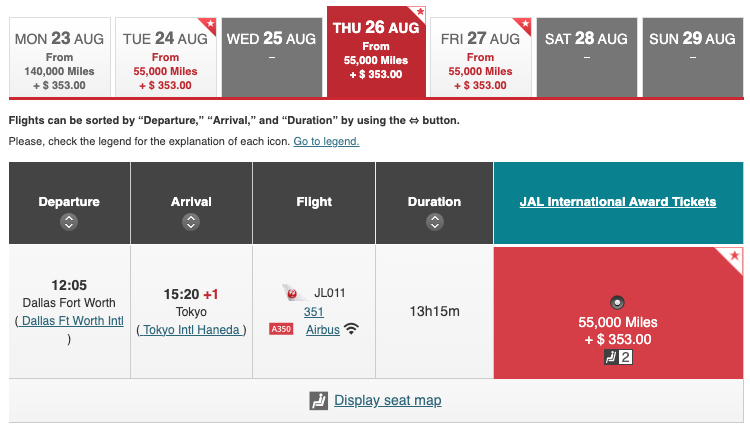
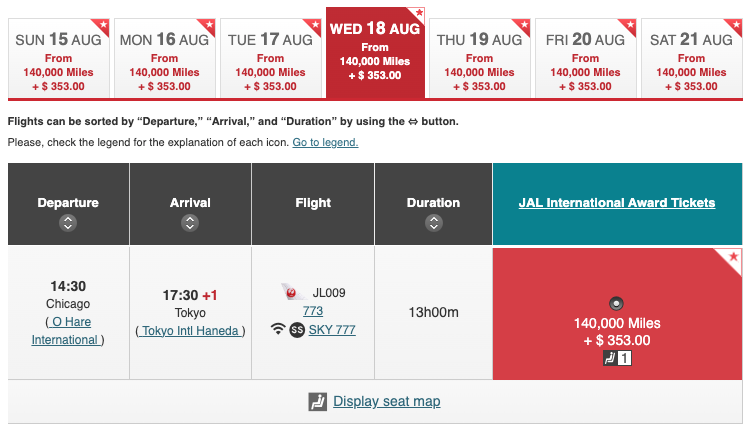
One-way economy tickets typically begin at 27,000 miles, while premium economy seats start at 40,000 miles. For travelers seeking lie-flat seating, JAL business class traditionally prices at 55,000 miles one-way, undercutting many competing domestic airline loyalty programs. For example, a nearly 13-hour business class itinerary from Dallas-Fort Worth (DFW) to Tokyo-Haneda (HND) can be secured for 55,000 JAL miles. Factoring in the current 30 percent Capital One transfer bonus, this redemption requires a transfer of approximately 56,500 Capital One miles.
Taxes and carrier-imposed surcharges remain a consideration for award travelers. Following geopolitical conflicts in the Middle East and subsequent spikes in global jet fuel prices, fuel surcharges rose sharply in prior years. However, JAL’s recent adjustment on September 1, 2026, reduced these fees by roughly $100, bringing one-way out-of-pocket expenses for the DFW-to-HND business class route down to $353.
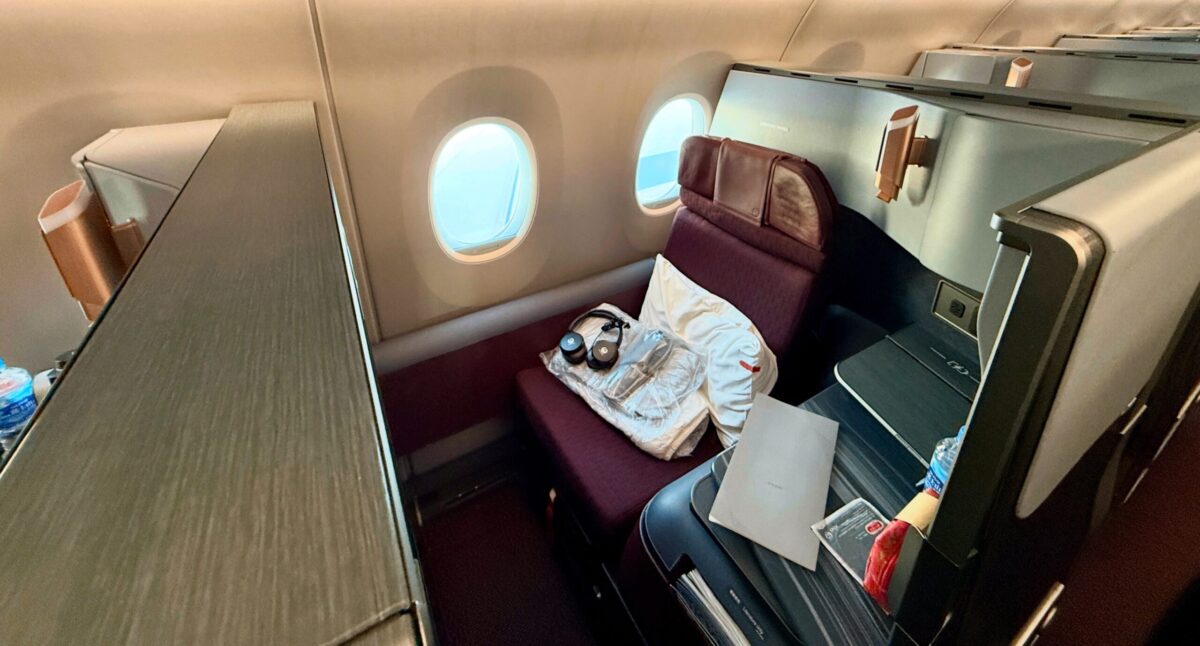
For travelers eyeing ultra-luxury options, JAL first class awards range from 110,000 to 140,000 miles one-way depending on seasonality. Utilizing the 30 percent transfer bonus, a 140,000-mile first-class ticket requires a transfer of 143,600 Capital One miles, accompanied by the same $353 in taxes and fees. Passengers flying out of key hubs such as New York (JFK), Los Angeles (LAX), and Dallas (DFW) may also secure seats on JAL’s modern Airbus A350-1000 aircraft, which feature updated business and first-class suites. Industry experts point out that JAL consistently releases superior award space to its own Mileage Bank members compared to external Oneworld alliance partners like American Airlines or Cathay Pacific, making direct redemption the preferred strategy.
Maximizing Partner Award Charts and Roundtrip Savings
Beyond flights to Asia, JAL Mileage Bank provides unique value through its partnership network, which includes Oneworld carriers and independent partners such as Emirates, Air France, and JetBlue. JAL utilizes a distance-based award chart for partner bookings, offering specific advantages for roundtrip itineraries.
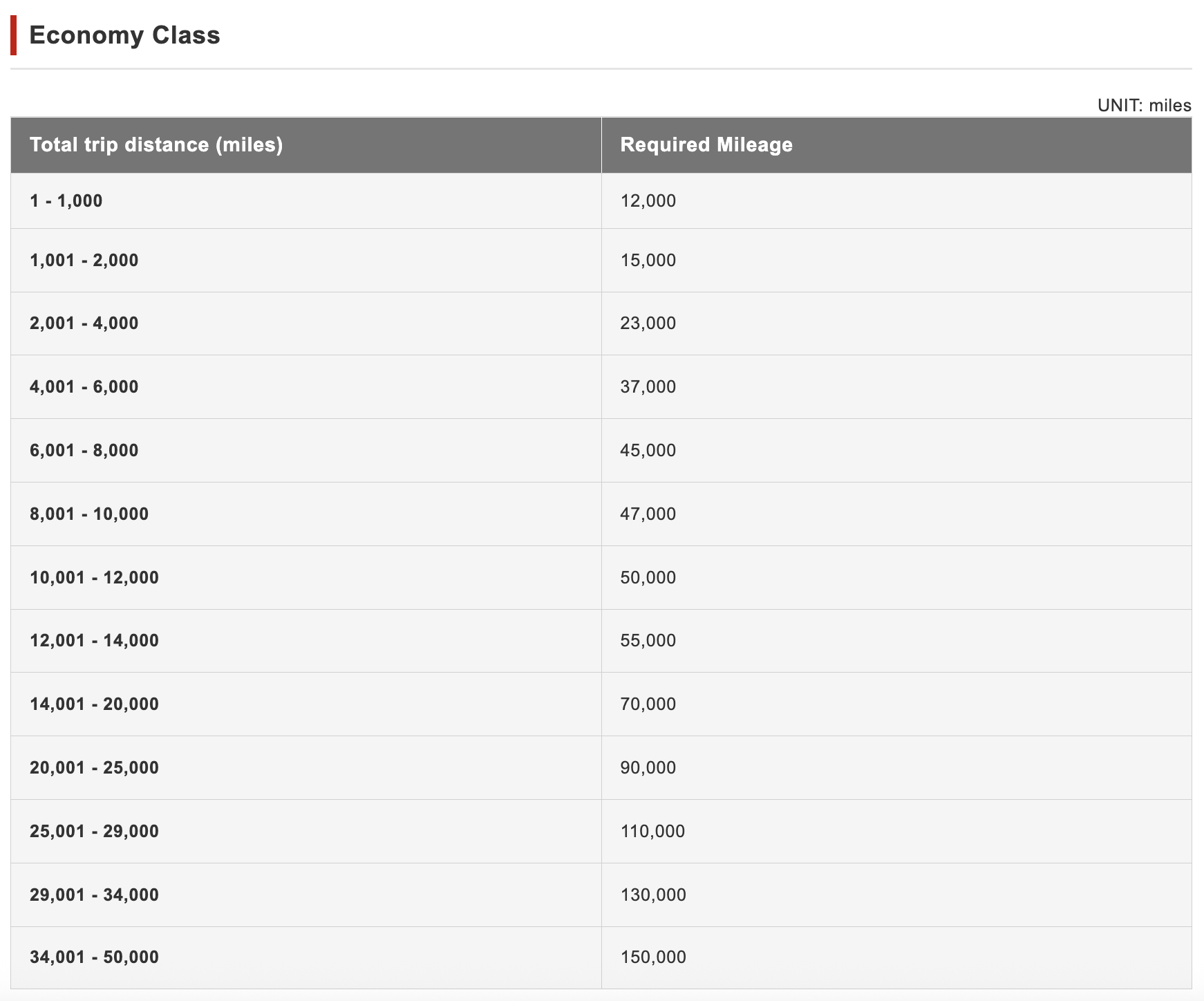
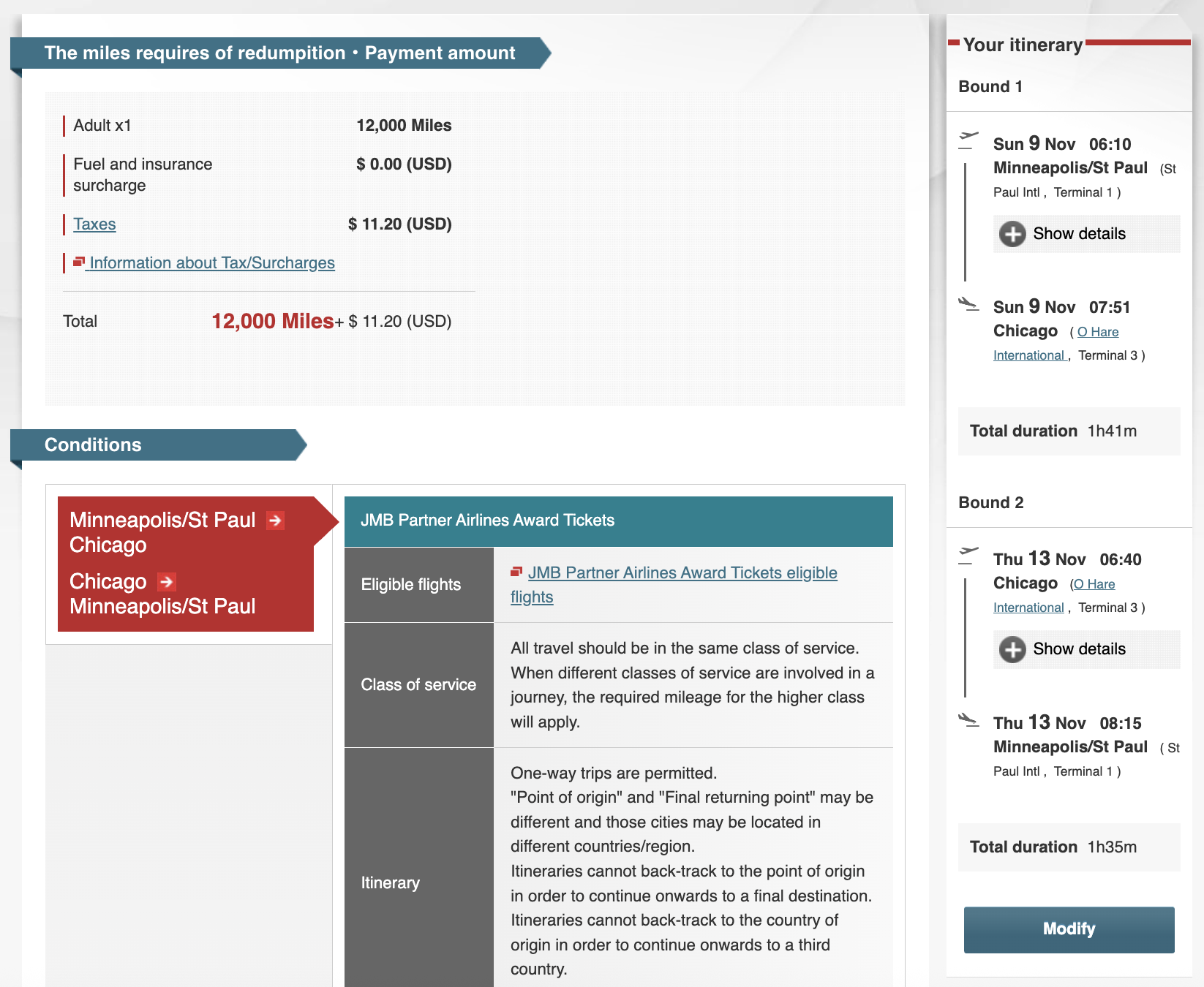
Unlike the majority of major airlines that price roundtrip itineraries by adding two separate one-way segments together, JAL calculates partner award pricing based on the cumulative distance of the entire journey. This structural nuance can yield substantial savings on both domestic and international routes operated by partners like American Airlines and Alaska Airlines.
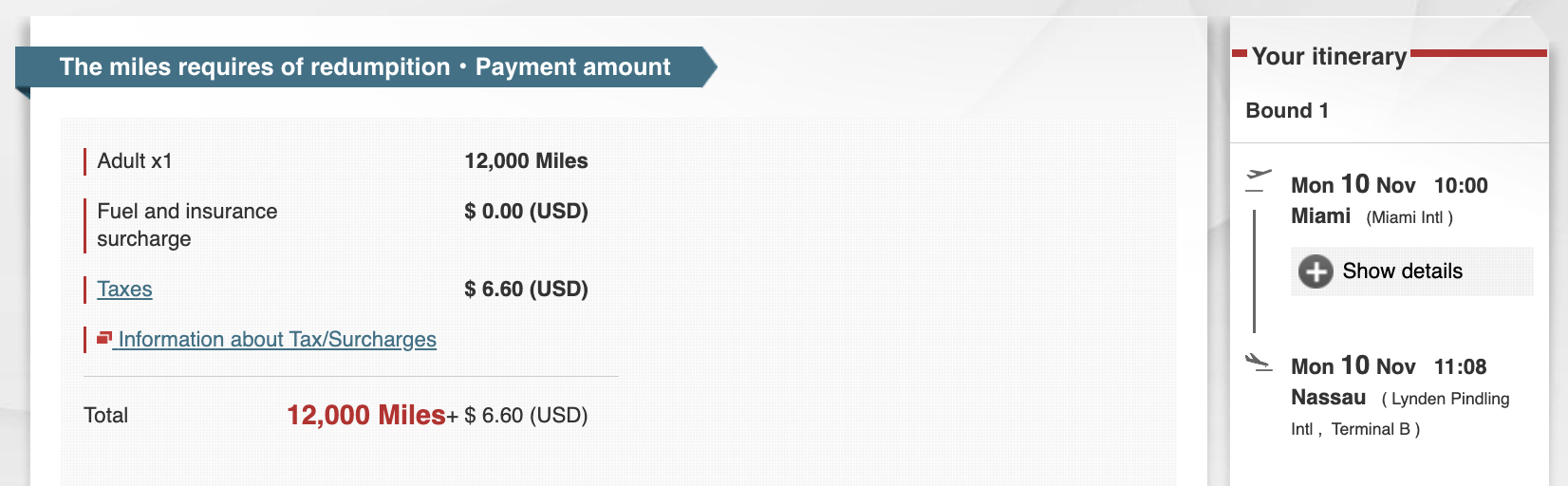
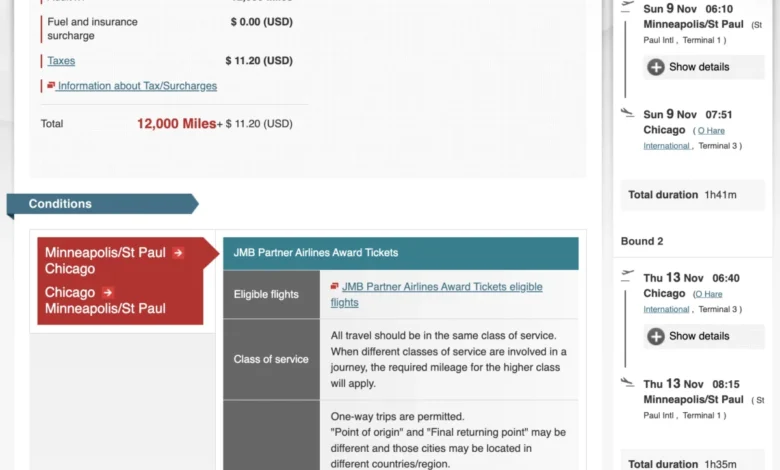
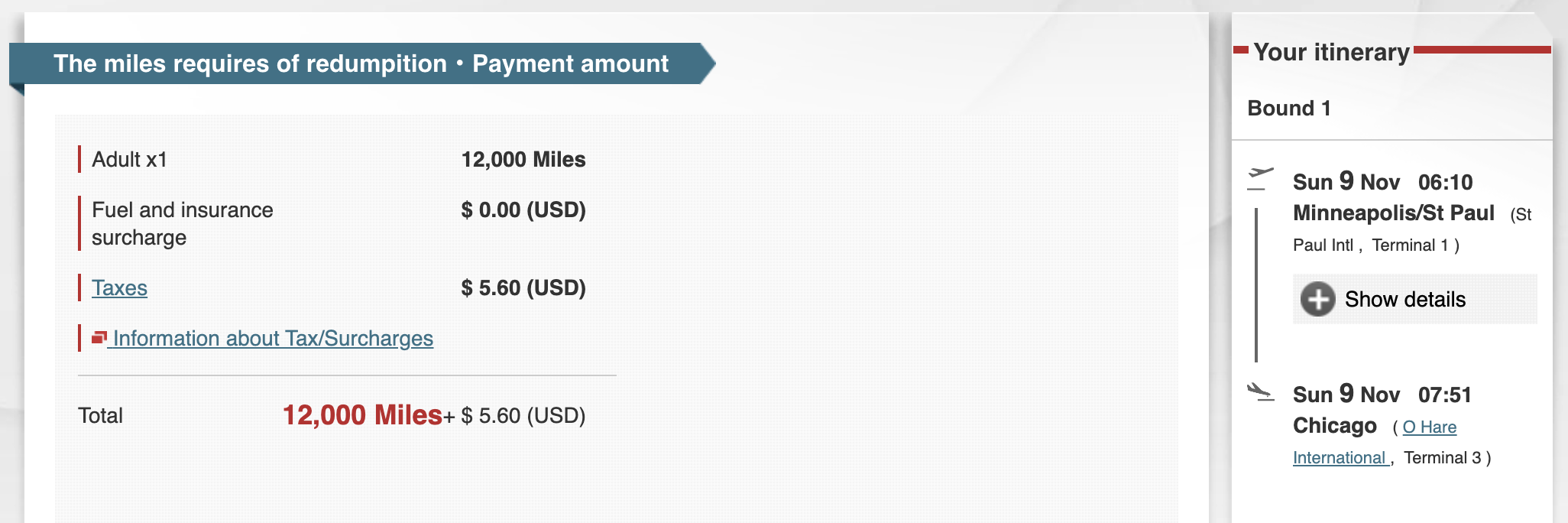
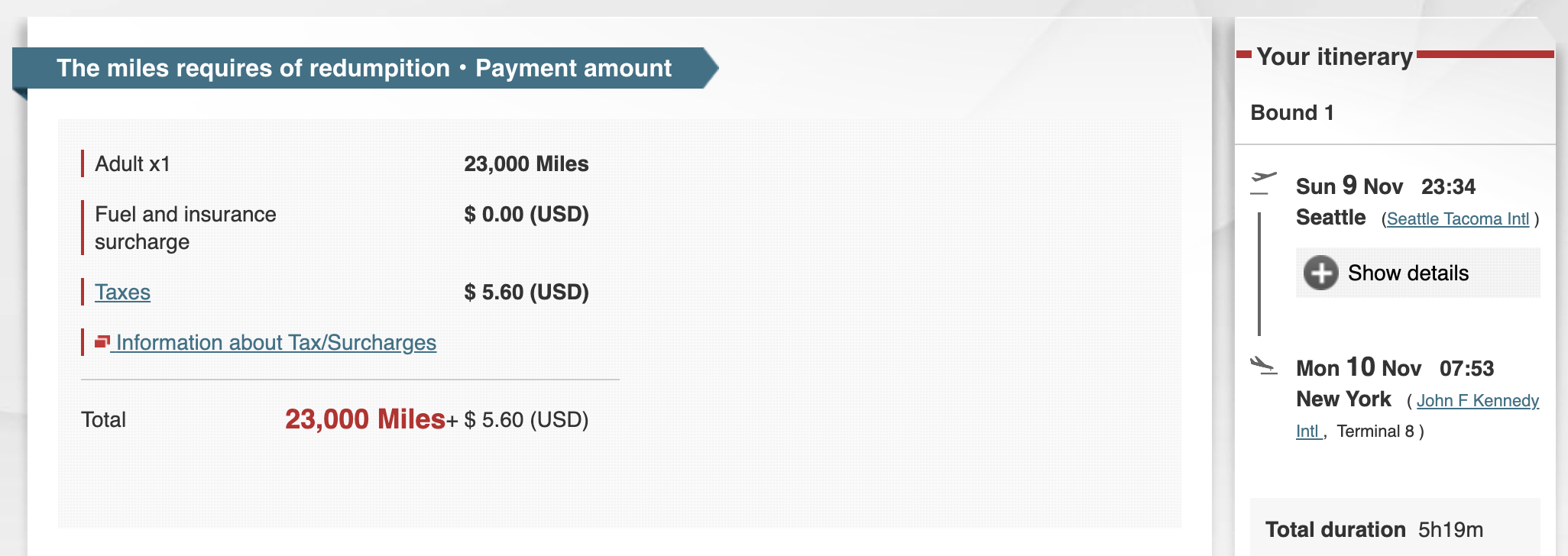
For instance, short-haul domestic flights starting under specific distance thresholds can price as low as 12,000 miles one-way. When booked as a roundtrip that remains within the same cumulative distance bracket, the total mileage cost often remains flat at 12,000 miles, requiring only minor additions for taxes and fees. Similar mechanics apply to long-haul international routes. A business class itinerary from Miami (MIA) to Madrid (MAD) on American Airlines traditionally prices at 60,000 miles one-way. However, booking the complete roundtrip journey results in a reduced total of 85,000 miles. With the 30 percent Capital One transfer bonus applied, travelers need to transfer only 87,200 Capital One miles to cover the entire roundtrip business class trip to Europe, alongside minimal taxes and fees.
This distance-accumulation rule also extends to open-jaw and multi-city routings, permitting travelers to fly into one European destination and depart from another without incurring mileage penalties, provided the total distance fits within the applicable tier.
Implications for Loyalty Program Strategies
The recurring presence of high-value transfer bonuses highlights a broader evolution in how consumers extract value from flexible credit card currencies. As inflation and shifting airline revenue models alter the cost of cash tickets, point and mile transfers serve as a primary hedge against rising travel expenses. Financial analysts emphasize that while transfer bonuses create compelling opportunities for immediate savings, travelers should refrain from speculating on speculative point transfers without a specific, confirmed redemption in mind. Because airline loyalty programs maintain unilateral control over award charts, seat availability, and partnership terms, holding transferable bank points generally offers superior flexibility compared to speculative warehousing in a single airline account.
As the September 30 deadline approaches, cardholders holding balances with Capital One must weigh their upcoming travel needs against the mathematical advantages of the 30 percent boost. Ensuring prior enrollment in JAL Mileage Bank remains a critical administrative step to prevent transaction bottlenecks before the promotional window closes.