Beyond the Sagrada Família: A Comprehensive Guide for Returning Travelers to Barcelona

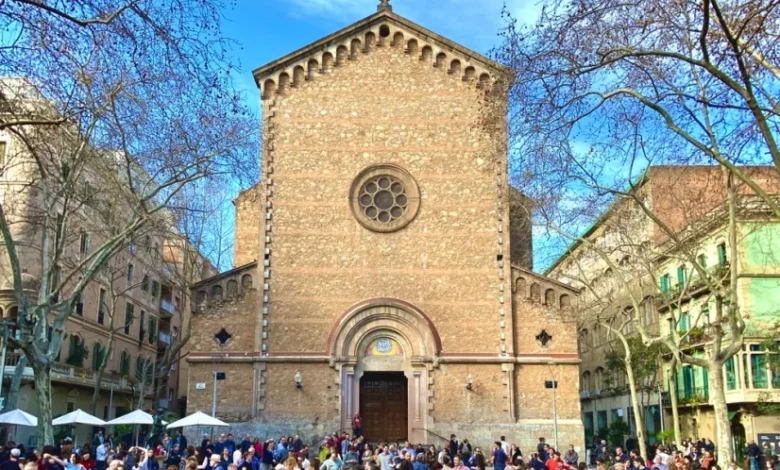
The enduring appeal of Barcelona as a global tourism titan is rarely questioned, yet the nature of visitor engagement with the Catalan capital is undergoing a structural evolution. While first-time itineraries remain heavily anchored to the architectural masterpieces of Antoni Gaudí, the bustling pedestrian corridor of La Rambla, and the medieval labyrinth of the Gothic Quarter, tourism boards and urban planners note a distinct shift among repeat visitors. Travelers returning to Barcelona increasingly bypass hyper-congested epicenters in favor of peripheral neighborhoods, regional excursions, and immersive, localized cultural experiences. This diversification of tourist traffic not only alleviates pressure on historical landmarks that face acute overtourism challenges but also redefines the economic footprint of tourism across Catalonia.
The Evolution of Urban Tourism: From Checklists to Immersion
Historically, urban tourism relied on a checklist model: monuments photographed, museums visited, and designated viewpoints ticked off within a compressed timeframe. In Barcelona, this phenomenon concentrated millions of annual visitors into a fraction of the city’s total municipal footprint. According to municipal data from the Barcelona Tourism Consortium, historical districts such as Ciutat Vella routinely absorb the highest density of visitors, leading to well-documented resident friction, housing market shifts, and commercial homogenization.

However, travel trend analyses indicate that repeat visitors—accounting for a substantial share of total arrivals—exhibit different behavioral patterns. Armed with geographic familiarity, these travelers seek out socio-cultural immersion. Rather than navigating the queues at the Sagrada Família or Park Güell, returning tourists prioritize culinary exploration, contemporary art spaces, historical context, and day trips into the broader Catalan region. This decentralized approach aligns with municipal initiatives designed to promote sustainable tourism by distributing economic benefits to less-visited districts like Gràcia, Sant Antoni, and Poblenou.
Decentralizing the Itinerary: Neighborhood Profiles
To understand Barcelona beyond its postcard facade, analysts suggest examining the distinct municipal identities that make up the metropolitan area. Each neighborhood preserves a unique socio-historical trajectory that predates or developed parallel to the modern tourist center.
El Raval: Industrial Roots and Contemporary Edge
Located immediately west of La Rambla, El Raval offers a stark contrast to the pristine Gothic architecture nearby. Historically known as Barri Xinès and serving as a landing point for successive waves of immigration, El Raval retains a gritty, dynamic character. It is home to the Museu d’Art Contemporani de Barcelona (MACBA), designed by Richard Meier, which anchors a thriving contemporary art and skate culture centered around Plaça dels Àngels. Urban sociologists point to El Raval as a prime example of managed gentrification, where traditional working-class commerce coexists with independent galleries, vintage boutiques, and diverse culinary offerings, creating a complex urban ecosystem.

Gràcia: The Autonomous Village
Long before it was formally annexed by Barcelona in 1897, Gràcia was an independent municipality—a heritage that its residents fiercely maintain. Characterized by narrow, pedestrian-friendly streets and a network of vibrant public squares such as Plaça del Sol, Gràcia operates at a distinctly slower pace than the city center. The absence of heavy vehicular traffic fosters a community-centric atmosphere, dominated by local cooperatives, independent bookstores, and neighborhood mercats. Urban planners cite Gràcia as a successful model of human-scale urbanism within a densely populated European metropolis.
Sant Antoni and Mercat de Sant Antoni
For culinary tourists, Sant Antoni presents a compelling alternative to the legendary Mercat de La Boqueria. Following a near decade-long, multi-million-euro architectural restoration completed in 2018, the Mercat de Sant Antoni reopened to showcase a stunning iron-and-glass structure originally designed by Antoni Rovira i Trias in the 19th century. Unlike La Boqueria, which caters overwhelmingly to international visitors, Sant Antoni maintains a deeply local clientele. The surrounding grid system, designed by Ildefons Cerdà, teems with specialized bakeries, vermuteries, and innovative dining establishments. On Sundays, the perimeter of the market transforms into a bustling open-air trade hub for books, stamps, and collectibles.
Poblenou: Industrial Archaeology to Tech Hub
Poblenou represents Barcelona’s industrial past and its modern economic transformation. Once dubbed the "Catalan Manchester" due to its dense concentration of textile mills and factories in the 19th and early 20th centuries, the neighborhood underwent significant post-industrial redevelopment, particularly catalyzed by the 1992 Olympic Games and the subsequent 22@ innovation district initiative. Today, former brick warehouses house architectural studios, technology startups, and contemporary cultural spaces. This juxtaposition of industrial heritage and forward-looking design provides visitors with a tangible lesson in modern European urban renewal.

Expanding the Horizon: Coastal and Regional Explorations
Beyond urban neighborhoods, return visitors frequently leverage Barcelona’s robust transportation infrastructure to explore the wider Catalonia region.
- Montbuïc and Maritime Perspectives: Montjuïc hill, rising sharply above the southwestern coastline, offers more than panoramic vistas and the site of the 1992 Olympic stadium. Its historical centerpiece, Montjuïc Castle, carries a layered political history, having served alternately as a military fortress, a political prison, and an execution site during various periods of Spanish turbulence, including the Francoist regime. Simultaneously, getting out on the Mediterranean via the city’s maritime ports provides a spatial understanding of how Barcelona’s urban grid meets its coastline—a waterfront reshaped extensively for the 1992 Olympics.
- Alella Wine Country: Situated mere kilometers north of Barcelona, the Designation of Origin (DO) Alella is one of Spain’s smallest and most historic wine regions. Specializing in crisp white wines—particularly those produced from the indigenous Pansa Blanca grape—Alella offers agricultural tourism opportunities that require minimal travel time from the metropolitan center.
- Strategic Day Trips: High-speed rail networks connect Barcelona to historical regional hubs within minutes. Girona, located approximately 40 minutes north via AVE, boasts a remarkably preserved medieval walled city, a historic Jewish quarter, and iconic pastel-colored houses suspended over the River Onyar. Conversely, Sitges, situated south along the coast, provides a Mediterranean resort atmosphere enriched by modernist architecture and a longstanding reputation as a safe haven for LGBTQ+ travelers. Further inland, the jagged silhouette of Montserrat houses a Benedictine abbey of profound spiritual and cultural significance to the Catalan people, complete with extensive hiking networks through its protected natural park.
Economic and Sociological Implications of Repeat Tourism
The evolution of visitor behavior toward neighborhood exploration and regional day-trips carries significant implications for regional tourism management. Local authorities, operating under the strategic framework of the Barcelona Tourism Destination Marketing Plan, actively encourage geographical dispersion. By shifting foot traffic away from saturated nodes like the Park Güell buffer zones and Ciutat Vella, the city aims to mitigate the negative externalities of mass tourism, such as inflation in the residential rental market and the displacement of local commerce.
Economic analyses suggest that decentralized spending benefits small- and medium-sized enterprises (SMEs) outside the traditional tourist circuit. Neighborhood markets, local artisans, and boutique hospitality providers in districts like Poble Sec, Sant Antoni, and Gràcia capture revenue that might otherwise be monopolized by multinational hospitality chains in the historic core. Furthermore, specialized guided experiences—such as those focusing on industrial architecture, culinary traditions, or regional viticulture—foster deeper cross-cultural understanding and encourage longer average lengths of stay.

Ultimately, the maturation of Barcelona as a travel destination reflects a broader trend in global tourism: the transition from superficial sightseeing to experiential, context-driven engagement. For the returning traveler, Barcelona ceases to be a static museum of architectural monuments and reveals itself as a living, multi-layered metropolis defined by distinct neighborhoods, complex history, and dynamic regional connections.
Related posts: