How Setting Down Roots in Bulgaria Transformed Our Health After 15 Years of Nomadic Travel

After more than fifteen years of near-constant international travel, transitioning to formal residency in Bulgaria has fundamentally altered the physical and mental well-being of long-term digital nomads. For the first time since maintaining a part-time residence in Grenada years prior, the lifestyle of living out of suitcases, constantly rotating through temporary accommodations, and relying on convenient, ad-hoc dietary choices has been replaced by stability. Establishing a permanent home base has introduced structured daily routines that medical and wellness experts cite as essential for long-term health, particularly for individuals navigating the physical realities of aging past their initial years of nomadic exploration, which began in earnest in 2008.

The shift toward a sedentary home base offers a compelling case study in the intersection of modern remote work lifestyles and preventative health. While the digital nomad population has surged globally—with estimates indicating tens of millions of remote workers operating across international borders—the long-term physiological toll of perpetual transit is frequently overlooked. Chronic disruption of circadian rhythms, lack of access to consistent fitness facilities, and the absence of localized healthcare networks often accumulate over time. By choosing Bulgaria as a permanent anchor, these long-term travelers have implemented a structured framework of ten specific lifestyle interventions designed to optimize health outcomes.
Integrating Thermal Therapy and Hydrotherapy Into Weekly Routines
Among the primary health upgrades facilitated by the move to Bulgaria is consistent access to traditional saunas. Scientific literature increasingly supports the cardiovascular and recovery benefits of regular sauna use, which extends well beyond simple relaxation. Medical studies published by institutions such as the Cleveland Clinic have linked routine thermal exposure to enhanced cardiovascular function, improved peripheral circulation, accelerated muscle tissue recovery, and measurable reductions in systemic stress markers.

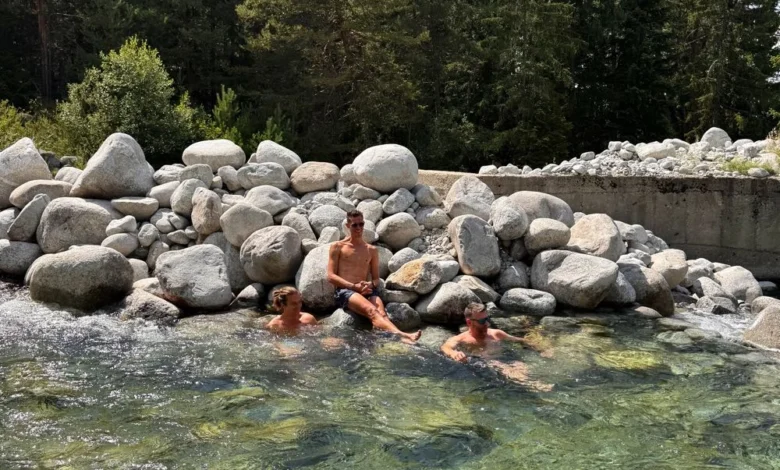
During a prior multi-year residence in a larger property near Plovdiv, the installation of a dedicated infrared sauna allowed for daily utilization. Following a recent downsize and relocation to the mountain town of Bansko, weekly spa visits have been integrated into the schedule to maintain this physiological exposure. This practice is frequently paired with hydrotherapy, leveraging Bulgaria’s renowned network of natural mineral springs. The thermal waters, naturally enriched with magnesium, calcium, and sulfur, provide targeted relief for muscular inflammation and contribute to dermatological health—modalities historically utilized for therapeutic recovery across Eastern Europe.
Complementing the heat therapy, cold-water immersion has been adopted by some members of the household, utilizing the natural mountain streams surrounding the Pirin Mountains. While scientific consensus regarding cold plunges notes potential caveats—particularly concerning physiological stress responses in female populations—controlled cold exposure among male participants has been correlated with reduced inflammatory markers, boosted immune response profiles, and acute enhancements in cognitive alertness driven by sudden endorphin releases.

Calibrating Sleep Architecture and Physiological Tracking
Sleep disruption is widely recognized as one of the most debilitating side effects of frequent travel. Constant rotation of mattress quality, ambient noise pollution, and recurring changes in geographic time zones severely degrade rapid eye movement (REM) and deep sleep phases. Medical specialists consistently emphasize that optimal nutrition and rigorous physical training cannot fully compensate for chronic sleep deprivation.
To counteract these deficits, the establishment of a controlled sleep environment has become a primary operational priority. Recognizing that rental properties frequently feature substandard mattresses, corrective measures—including high-density mattress toppers and targeted sleep-tracking wearables such as the Oura Ring and Apple Watch—have been implemented to monitor sleep architecture objectively. Data-driven sleep monitoring allows individuals to quantify recovery metrics, ensuring that the physiological demands of daily physical activity are adequately repaired during rest cycles.

Precision Wellness Through Biomarker Analysis and Targeted Supplementation
Moving away from generalized, over-the-counter supplementation, the adoption of data-driven wellness protocols has marked a significant shift in health management. Utilizing Hair Tissue Mineral Analysis (HTMA)—a diagnostic test that evaluates cellular mineral retention and heavy metal accumulation over time—individuals can identify precise physiological deficiencies rather than relying on generalized multivitamin regimens.
Clinical data derived from these analyses have highlighted the prevalence of subclinical mineral imbalances resulting from years of variable dietary access inherent to global travel. By recalibrating mineral intake based on quantitative laboratory diagnostics, remote workers can directly influence energy regulation, endocrine balance, and cognitive function. This personalized medical approach reflects a broader trend among high-performing professionals seeking preventative health optimization through objective biomarker tracking.

Structured Physical Activity and Elevation Training
The transition from a nomadic lifestyle to a fixed residential base fundamentally alters daily energy expenditure. Without the friction of constant transit, individuals can implement multi-tiered daily exercise schedules. A typical regimen now incorporates morning mobility stretching, moderate-intensity cardiovascular walking, and midday resistance training at local fitness facilities.
Furthermore, the geographic positioning of Bansko at the foot of the Pirin Mountain range offers immediate access to high-altitude hiking trails. Regular trekking across uneven terrain provides a dual benefit: cardiovascular endurance conditioning and localized strength training through sustained vertical elevation gains. Exercise physiologists note that varied terrain hiking significantly improves neuromuscular coordination, core stability, and proprioception compared to flat-surface gym training.

Nutritional Autonomy and the Return of the Home Kitchen
A persistent challenge of long-term travel is the reliance on restaurant dining and pre-packaged convenience foods. While culinary exploration is a primary draw of the nomadic lifestyle, the inability to consistently control ingredient sourcing, cooking oils, and caloric density often leads to suboptimal nutritional outcomes.
Establishing a permanent residence restores complete autonomy over meal preparation. Cooking the majority of meals domestically allows for precise macronutrient control, elimination of hidden industrial seed oils, and an emphasis on whole, locally sourced agricultural products. Epidemiological studies consistently correlate home-cooked meals with superior metabolic health markers and lower incidences of diet-related chronic conditions.

Rebuilding Social Fabric and Community Integration
While professional mobility offers unparalleled exposure to diverse cultures, chronic transience frequently precipitates social isolation. Human health is inextricably linked to social determinants, including a stable sense of community belonging, interpersonal accountability, and localized support networks.
The decision to establish legal residency in a specific municipality—particularly a tight-knit community like Bansko, which hosts an active blend of local residents, long-term expatriates, and digital entrepreneurs—addresses the psychological deficit of perpetual motion. Engaging in recurring social rituals, community events, and collaborative local initiatives fosters psychological resilience, which neuroscientists associate with lower baseline cortisol levels and enhanced longevity.

Intentional Consumption and Alcohol Moderation
Cultural immersion often involves the routine consumption of local alcoholic beverages, particularly within regions celebrated for viticulture, such as the Balkan Peninsula and neighboring Mediterranean countries. While full-time travel environments frequently normalize daily drinking due to social networking in bars and restaurants, establishing a permanent home base allows for a more deliberate approach to alcohol consumption.
Rather than eliminating alcohol entirely, modern health guidelines regarding moderate consumption are applied. Restricting wine consumption to specific social occasions or curated pairings during weekend meals minimizes hepatic stress, protects sleep architecture, and optimizes metabolic recovery. This intentional moderation transforms alcohol from a default social lubricant into an occasional culinary appreciation, aligning with broader preventative health strategies for adults navigating middle age.

Implications for the Global Remote Work Movement
The experiences of long-term travelers transitioning to permanent residency in Eastern Europe highlight a growing maturity within the global remote work sector. As the initial wave of digital nomads from the late 2000s and 2010s ages, the imperative to balance location independence with structural health maintenance becomes acute.
Data from regional economic development agencies indicate that countries offering streamlined digital nomad visas and residency pathways—such as Bulgaria, Portugal, and Spain—are increasingly attracting professionals seeking long-term stability rather than transient tourism. This demographic shift not only revitalizes rural and semi-rural economies across Europe but also establishes a sustainable blueprint for maintaining high standards of physical health and community connection in an increasingly mobile global workforce.