Paris, the capital of France, remains one of the most visited urban destinations in the world, consistently ranking at the top of global tourism indices. Known for its rich architectural heritage, culinary excellence, and historical significance, the city attracts tens of millions of visitors annually. For those planning a comprehensive exploration of the French capital, a five-day itinerary provides a structured framework to experience the city’s major landmarks, cultural institutions, and distinct neighborhoods while balancing efficiency with the depth of the Parisian experience.
Navigating the City: Infrastructure and Logistics
The primary gateway for international travelers is Paris Charles de Gaulle (CDG) Airport, which handled approximately 67.4 million passengers in 2023. Connectivity from the airport to the city center is facilitated by the RER B train line, which serves as the primary artery for transit-dependent visitors. Within the city, the Paris Métro remains the most efficient mode of transport. Operated by the RATP, the network consists of 16 lines covering over 200 kilometers of track, ensuring that no major point of interest is beyond reach. For visitors, the "Paris Visite" travel pass offers unlimited access to public transport, including the metro, buses, and the RER within central zones, providing a cost-effective alternative to private vehicle hire.
A Chronological Five-Day Itinerary
Effective city planning in Paris requires grouping attractions by geographical proximity to minimize transit time. The following structure optimizes daily travel patterns.
Day 1: The Iconic Landmarks
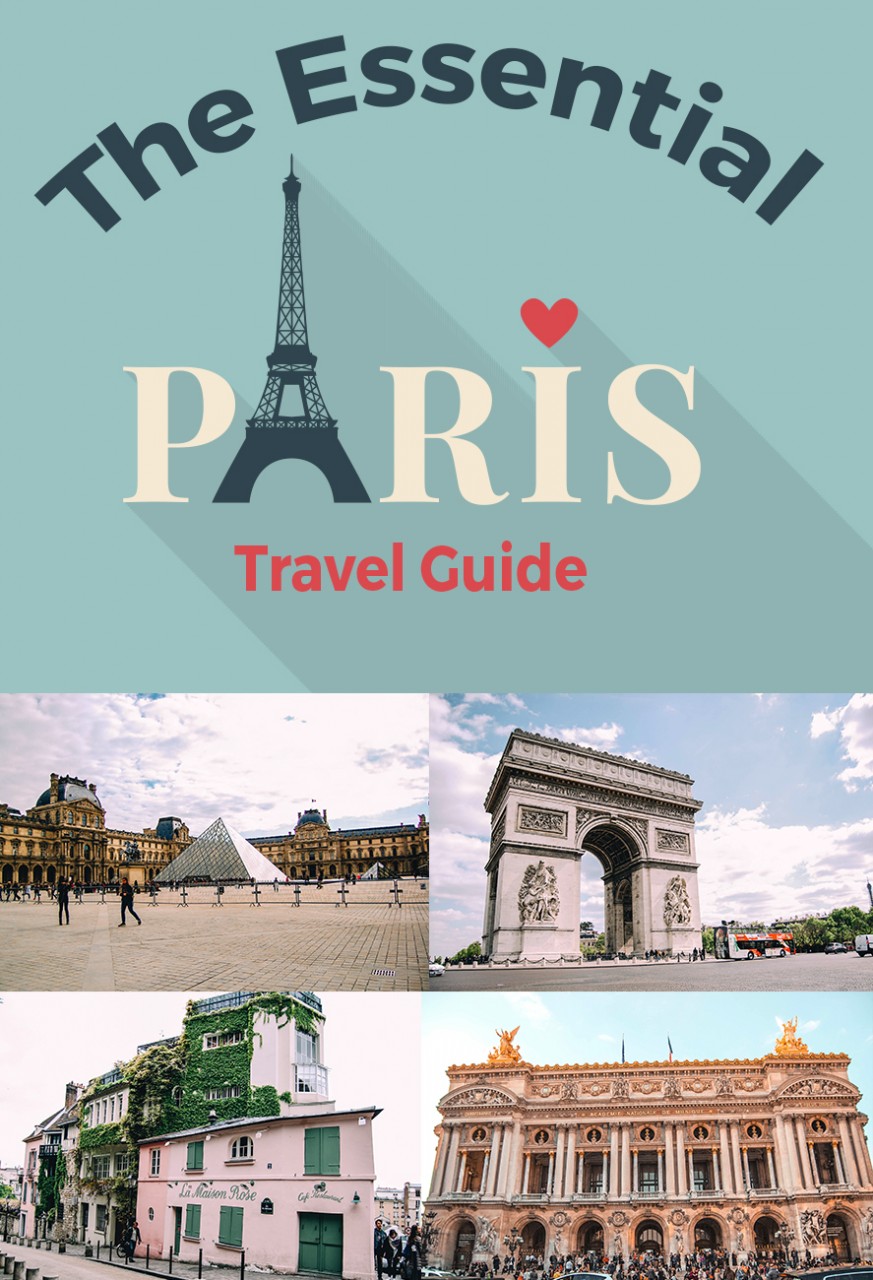
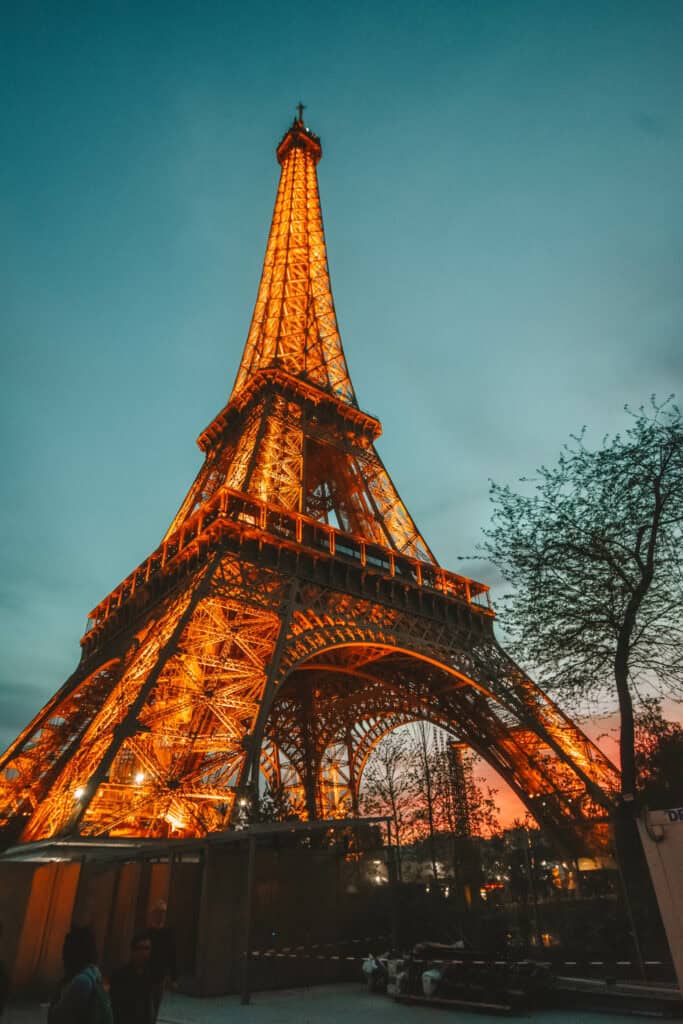
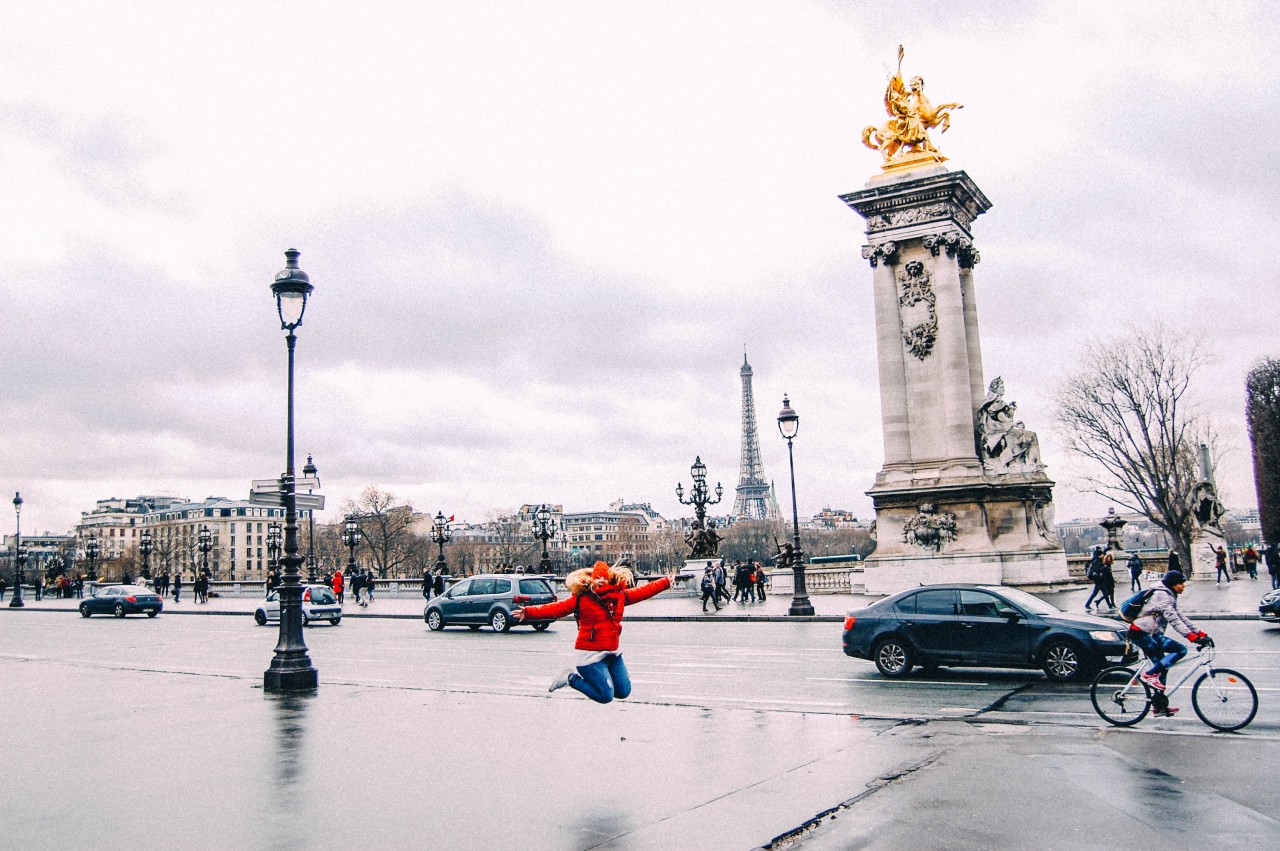
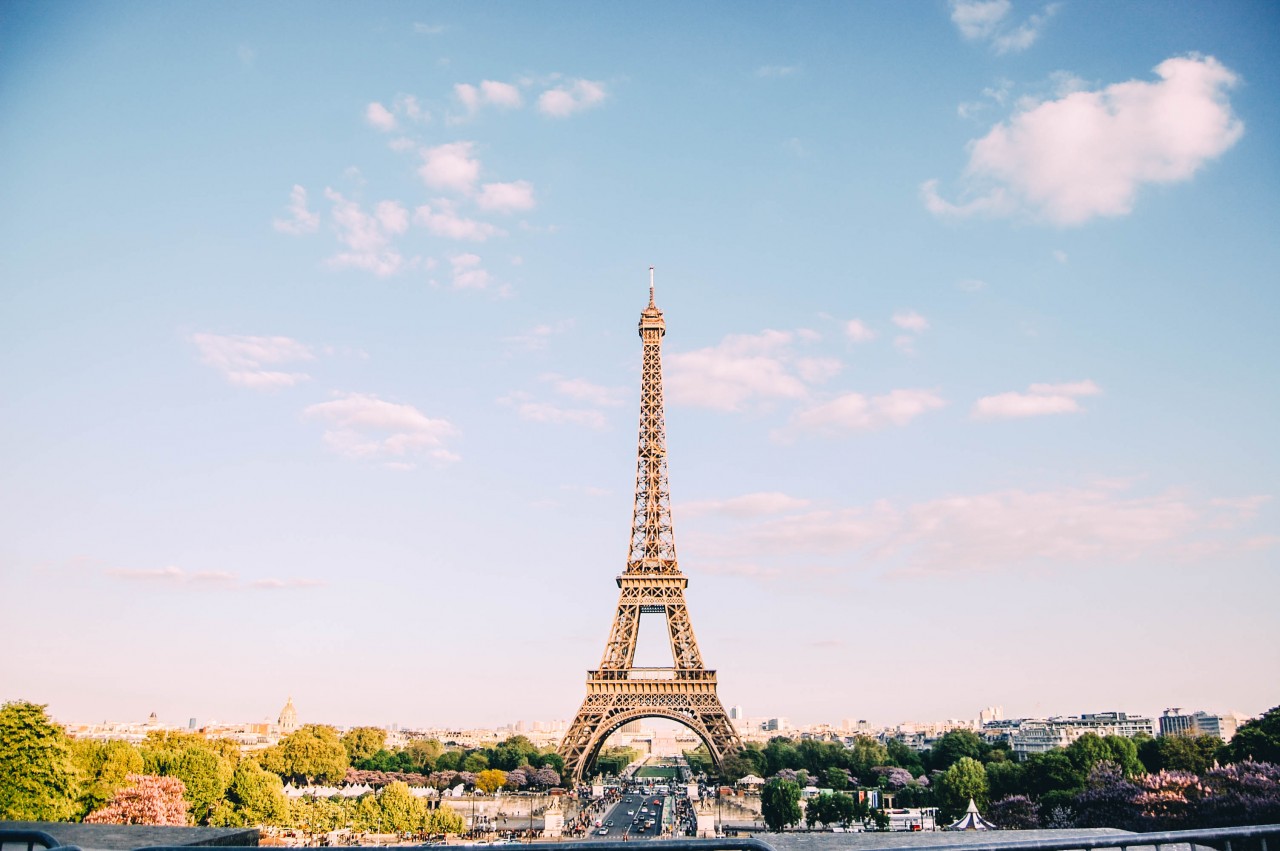
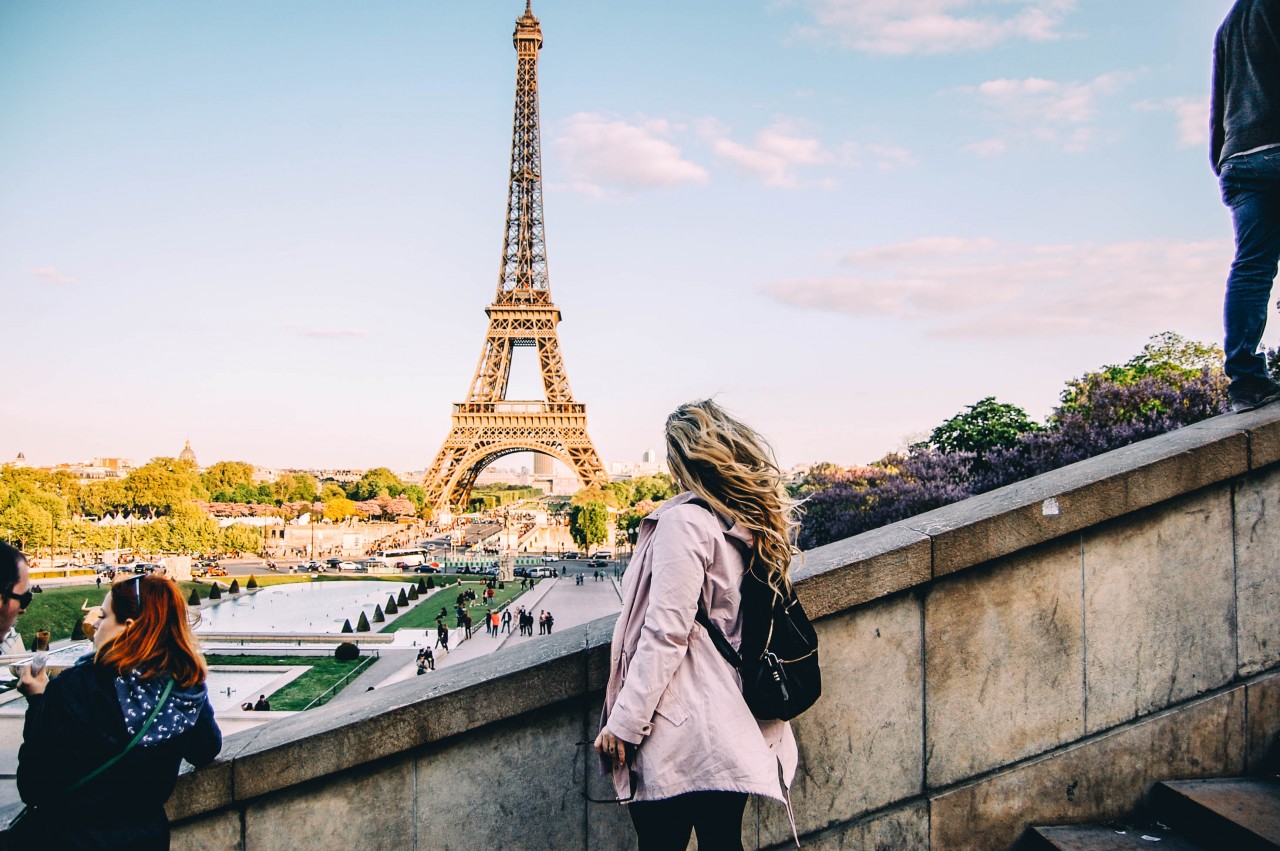
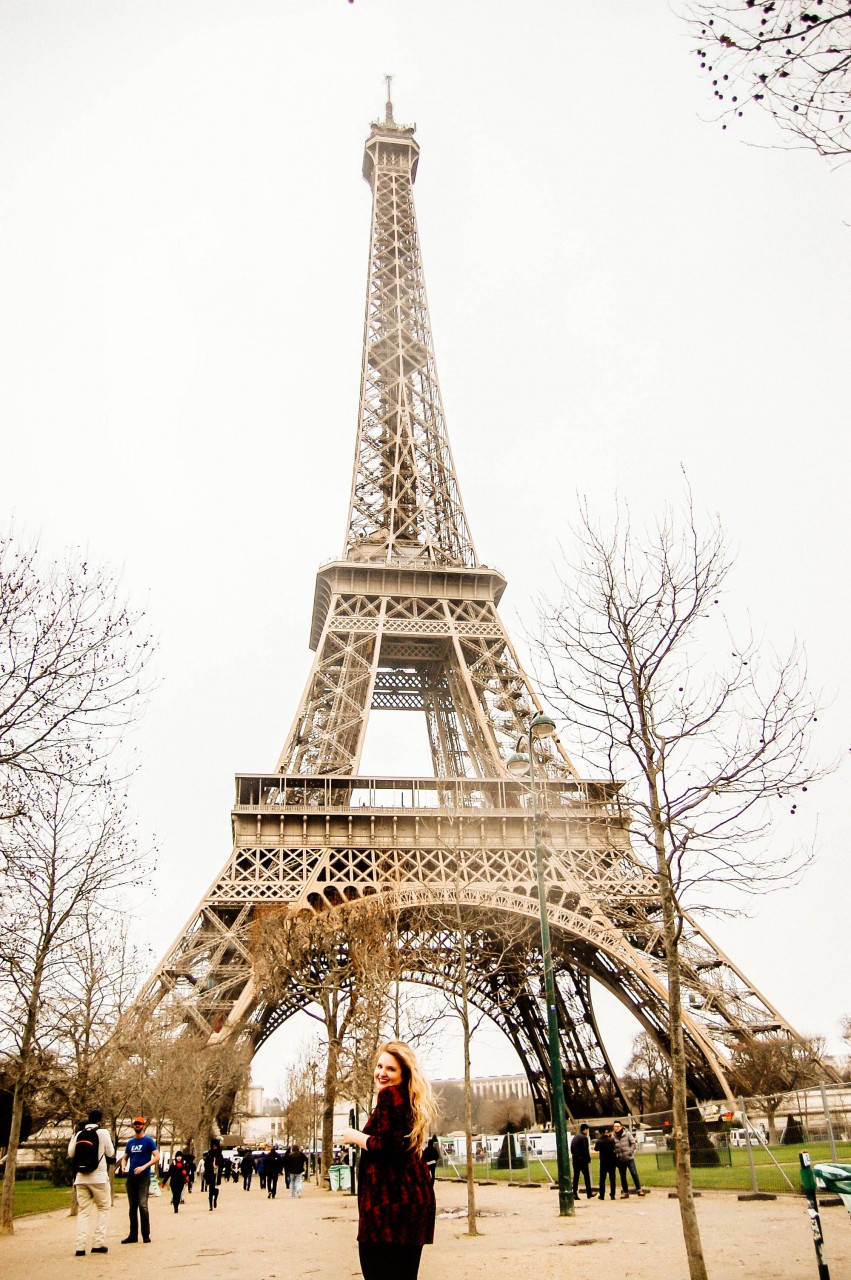
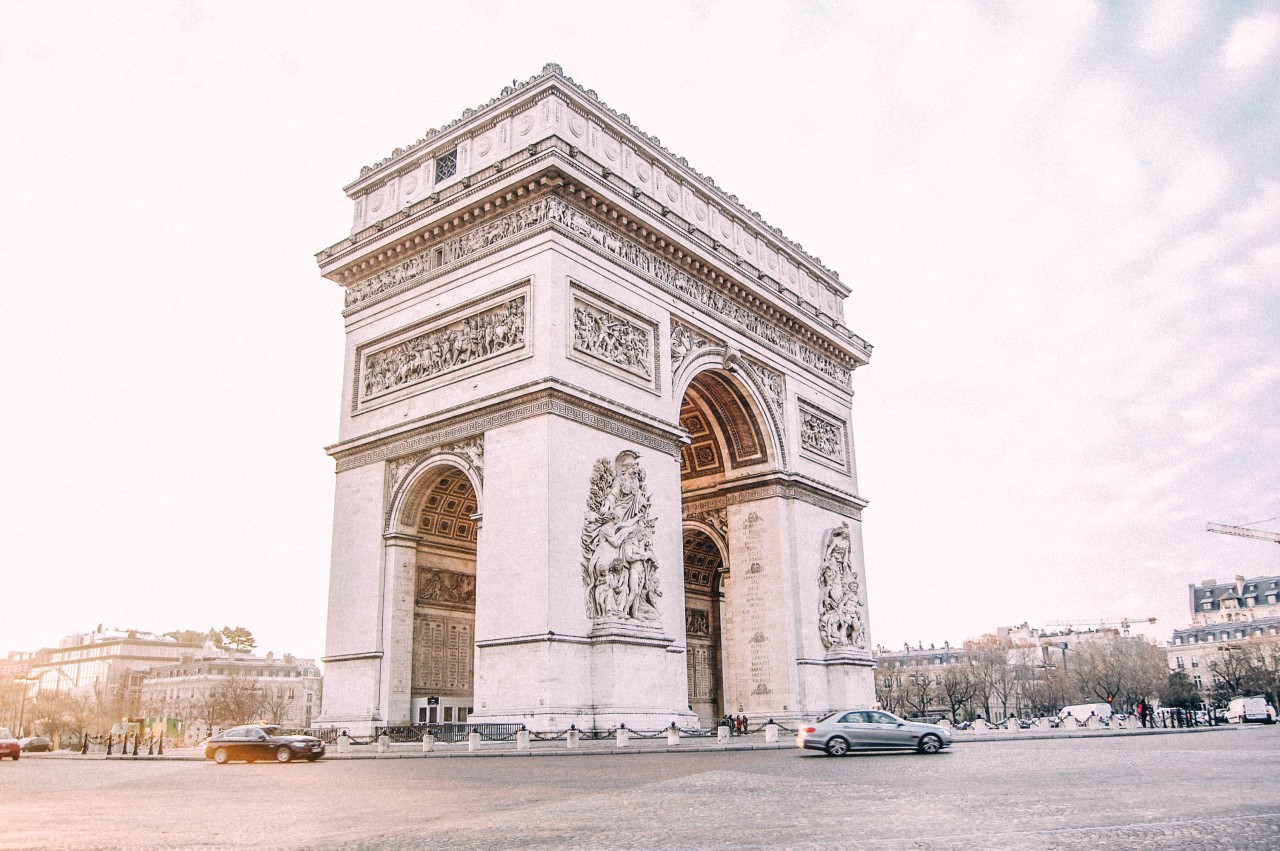
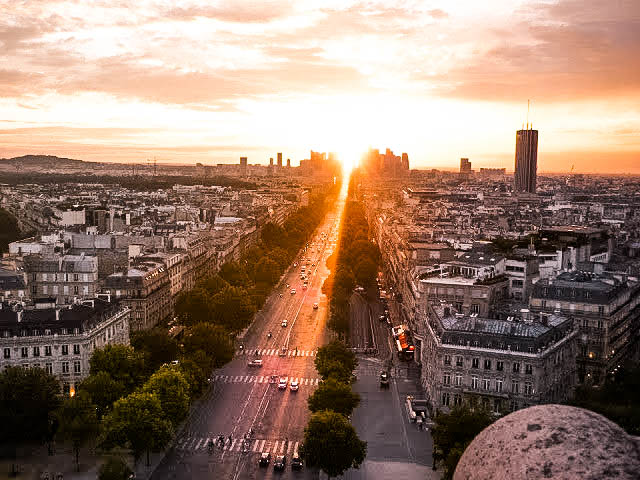
The first day is traditionally dedicated to the most recognized symbols of the city. Starting at the Trocadéro provides an unobstructed view of the Eiffel Tower, the city’s most famous landmark, which receives approximately 6 million visitors annually. Following a visit to the tower, moving toward the Arc de Triomphe allows visitors to traverse the Champs-Élysées. The Arc, completed in 1836, serves as a monument to those who fought and died for France. Climbing the 284 steps to the top offers a panoramic view of the twelve radiating avenues. The day concludes at the Grand Palais and Petit Palais, structures that exemplify the Beaux-Arts architectural style.
Day 2: Historical Foundations and Artistic Heritage
Day two focuses on the historic heart of Paris, the Île de la Cité. The Cathedral of Notre Dame, currently undergoing extensive restoration following the 2019 fire, remains the focal point of the island. Nearby, the Sainte-Chapelle, known for its 13th-century stained glass windows, provides a contrast in scale and atmosphere. The itinerary then extends to the Latin Quarter, home to the Sorbonne University and the Panthéon, the final resting place of notable French figures such as Voltaire and Victor Hugo.
Day 3: The Left Bank and Museological Depth
The third day centers on the Left Bank. The Musée d’Orsay, housed in a converted Beaux-Arts railway station, contains the world’s largest collection of Impressionist and Post-Impressionist masterpieces. The museum’s collection serves as a chronological bridge between the pre-1848 works held in the Louvre and modern art. The afternoon can be spent in the Luxembourg Gardens, a 25-hectare public park commissioned by Marie de’ Medici in 1612, providing a necessary respite from the dense urban environment.
Day 4: Royal History in Versailles
A day trip to the Palace of Versailles is essential for understanding the transition of the French monarchy. Located 20 kilometers southwest of Paris, the estate was the principal royal residence from 1682 until the French Revolution in 1789. The palace, a UNESCO World Heritage site, includes the Hall of Mirrors and extensive formal gardens. Data from the Palace of Versailles indicates that over 8 million people visit the estate annually, necessitating advanced booking to manage the significant foot traffic, particularly during peak summer months.
Day 5: The Bohemian Spirit and Final Exploration
The final day explores the northern district of Montmartre. Historically, this area was the epicenter of the Parisian art scene in the late 19th and early 20th centuries, hosting figures such as Picasso and Dalí. The Sacré-Cœur Basilica, situated at the highest point in the city, offers a view that encapsulates the density and layout of the metropolis. Concluding the trip with a visit to the Galeries Lafayette allows for an observation of Paris’s contemporary retail culture, with the building’s dome serving as a testament to early 20th-century commercial architecture.
Economic Considerations and Travel Planning
Paris operates on the Euro, and while the city is often perceived as an expensive destination, it offers a tiered economic experience. According to the Paris Tourism Office, visitors can significantly reduce costs by utilizing municipal markets for meals, taking advantage of the "Museum Pass" for entry into over 50 attractions, and prioritizing walking tours in the historic districts.
The timing of a visit also impacts the experience and cost. Spring (April to June) and Autumn (September to November) provide the most temperate weather, whereas winter months—though colder—offer lower density in queues at major sites. The use of city passes is a common recommendation for first-time visitors, as they consolidate entry fees and often include "skip-the-line" privileges at heavily trafficked locations like the Louvre.
Broader Implications of Tourism in Paris
The influx of tourists into Paris is both an economic driver and a logistical challenge. Tourism accounts for approximately 10% of the city’s GDP and provides significant employment. However, the concentration of visitors in specific districts has led to the implementation of "de-concentration" policies by local authorities, encouraging tourists to explore less-visited neighborhoods to mitigate overcrowding.
Furthermore, the integration of technology, such as mobile ticketing and real-time transit apps, has become central to the modern travel experience in Paris. The city’s commitment to urban sustainability is also evident, with recent initiatives to increase bicycle infrastructure and reduce vehicle traffic in the city center, which directly impacts how tourists traverse the city.
Conclusion
A five-day itinerary in Paris is not merely a list of sites to visit but an immersion into the history and culture of a major global capital. By following a structured, neighborhood-based approach, visitors can maximize their time and gain a deeper understanding of the city’s complex evolution. Whether exploring the royal history of Versailles or the artistic legacy of Montmartre, the city offers a vast array of educational and cultural opportunities that require careful planning to fully appreciate. For the modern traveler, the combination of historical inquiry and logistical preparation ensures a balanced and rewarding experience in one of the world’s most significant cultural centers.