When planning a multi-generational vacation, the quality of on-site aquatic amenities has become a primary driver of consumer choice. Data from the travel industry indicates that families increasingly prioritize resorts offering comprehensive "water-first" experiences, moving beyond the traditional rectangle pool to complex aquatic landscapes that function as destination attractions in their own right. This shift is driven by the desire for convenience and the high cost of external entertainment, leading hoteliers to invest heavily in lazy rivers, zero-entry pools, and high-speed water slides to keep guests on-property.
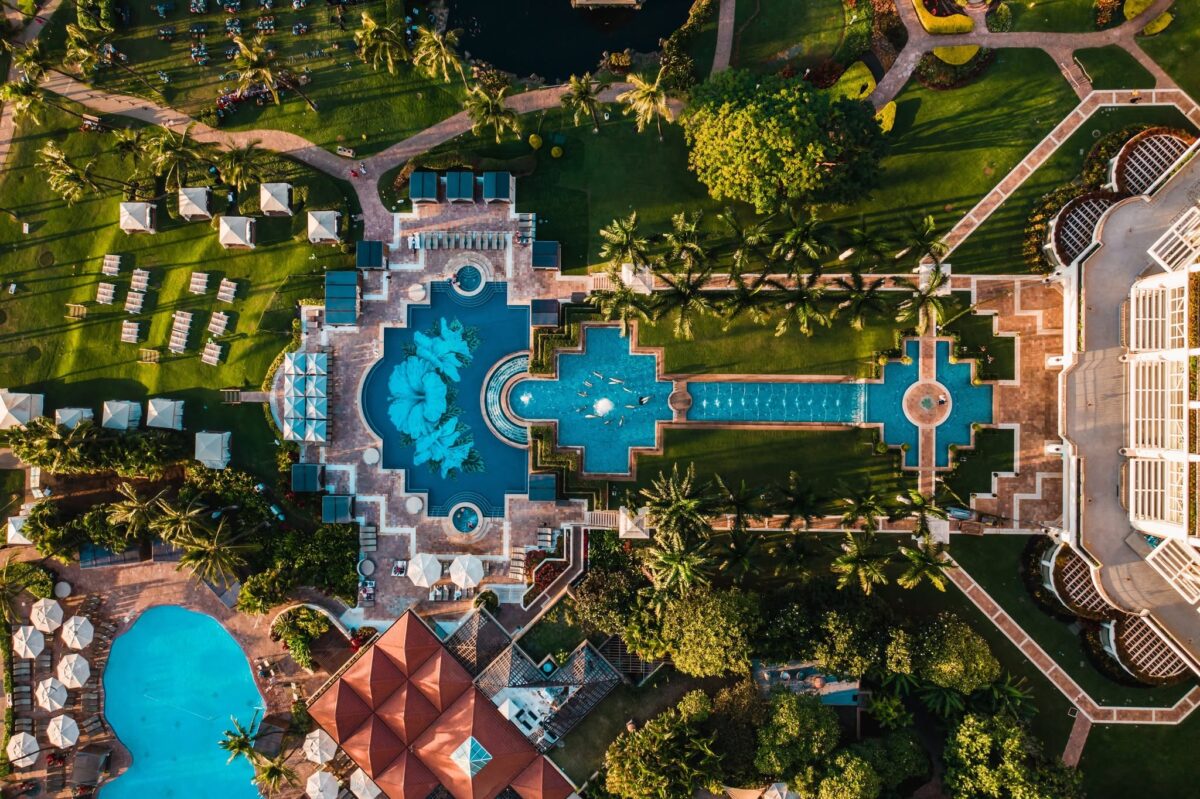
The following report analyzes the most prominent U.S. resorts that have integrated advanced waterpark features into their hospitality models, examining how these facilities impact the family travel landscape.
The Evolution of Resort Aquatic Centers
Historically, hotel pools served a utilitarian purpose for cooling off and light recreation. However, the last two decades have seen a significant transformation. Driven by competition and the need to differentiate within the luxury and mid-tier markets, resorts have begun incorporating "water-resort" infrastructure. The industry standard has moved toward the inclusion of interactive play zones for toddlers, high-velocity slides for adolescents, and secluded, adult-only sanctuaries to balance the needs of diverse family demographics.
Premier Aquatic Destinations in Hawaii and the Pacific
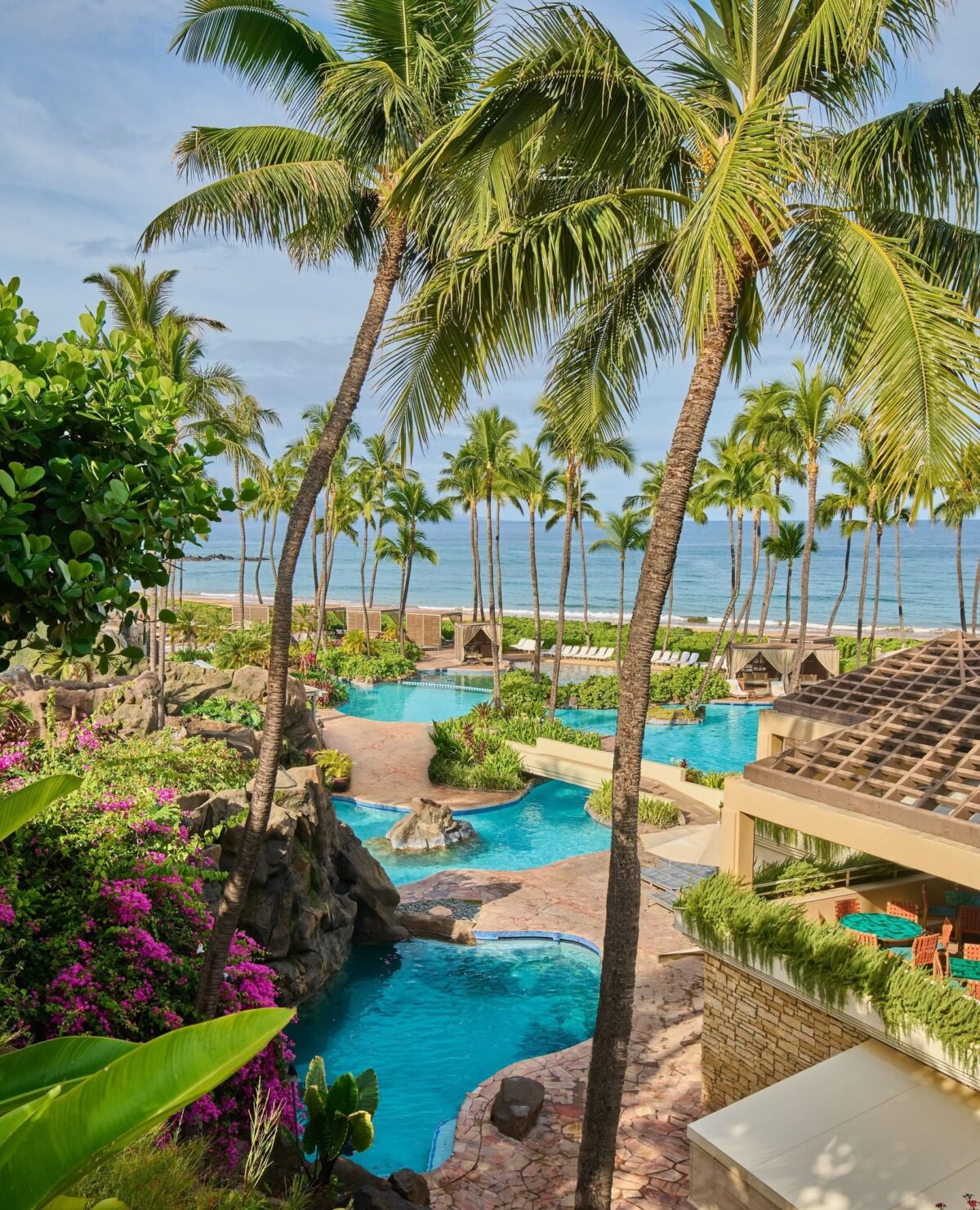
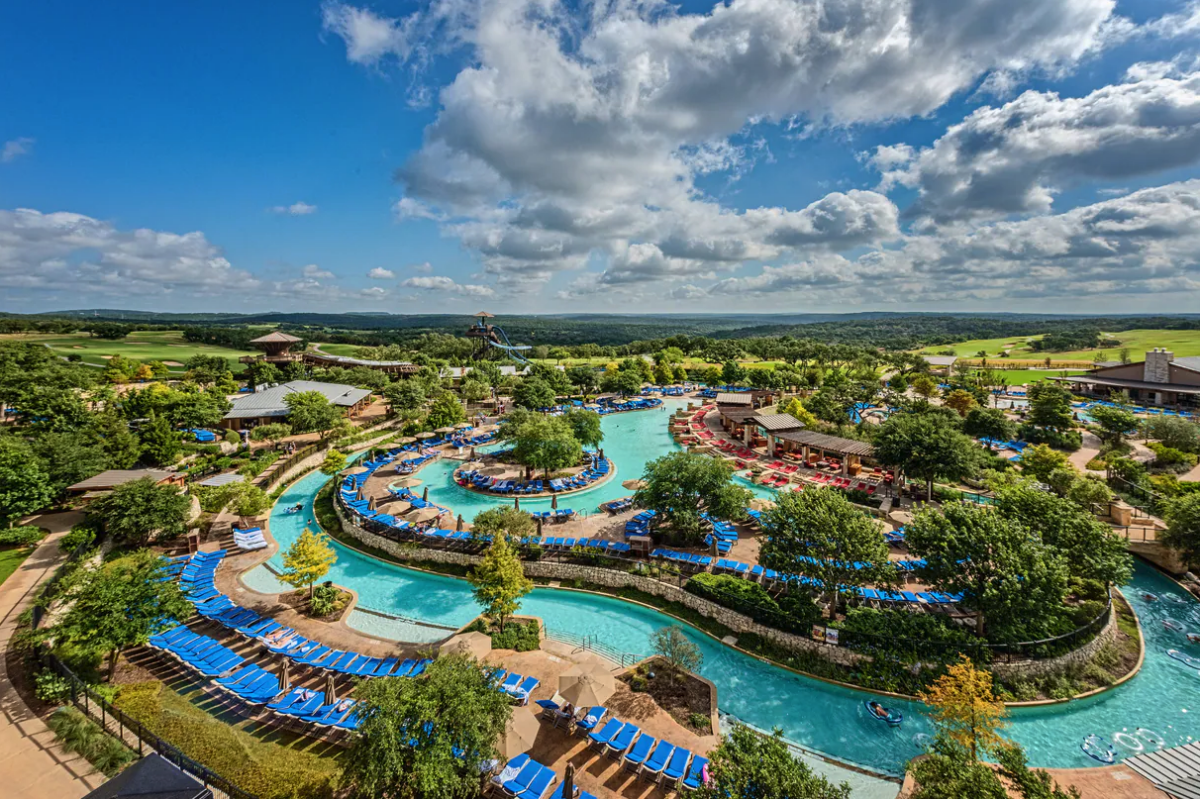
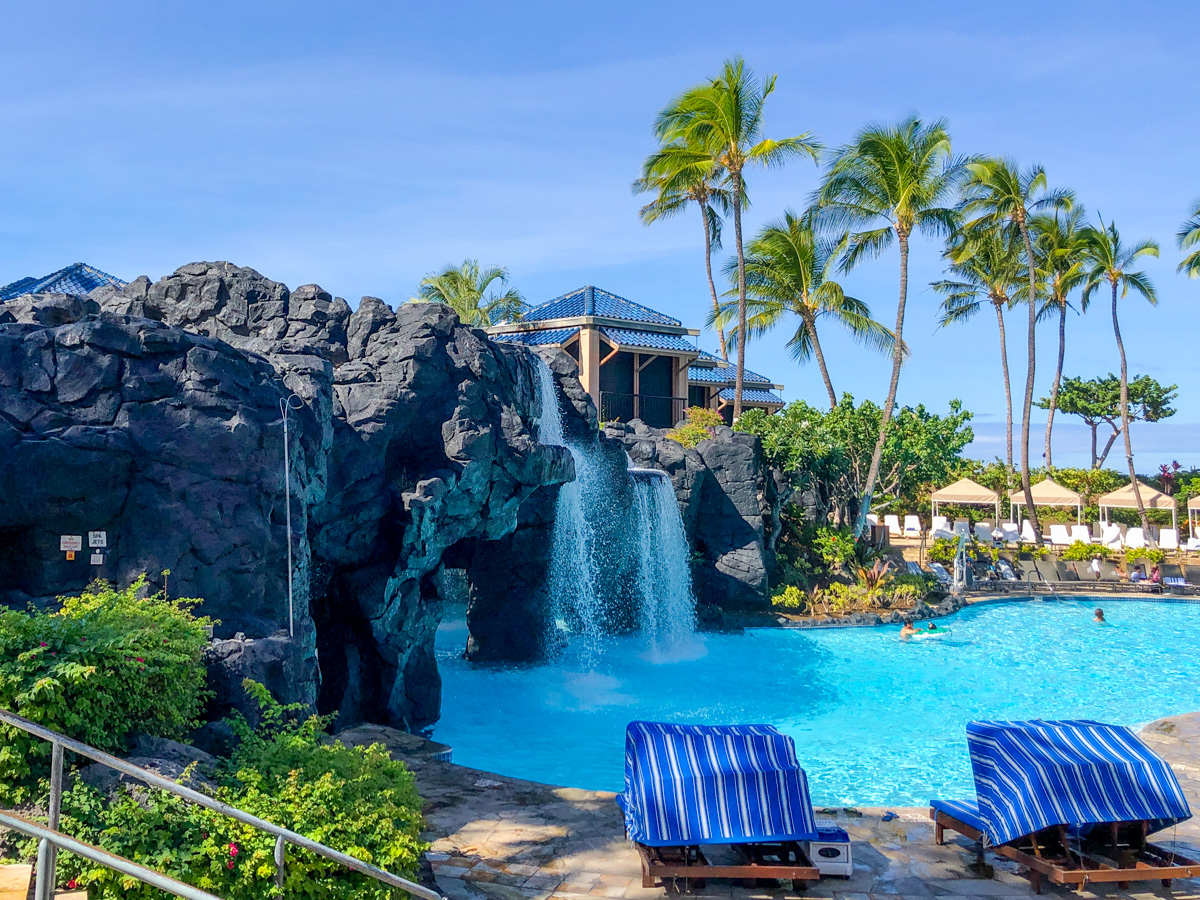
The Hawaiian Islands remain at the forefront of the luxury resort pool sector. The Grand Wailea, a Waldorf Astoria Resort on Maui, is widely considered the industry benchmark for pool complexity. The resort features a 770,000-gallon water complex spanning six levels and nine distinct pools. The engineering behind this site includes the world’s first "water elevator," which assists in the vertical transport of guests through the multi-tiered system. This facility also serves as a case study for managing high-volume water usage, utilizing advanced filtration systems to maintain the integrity of its waterfalls and lazy river.
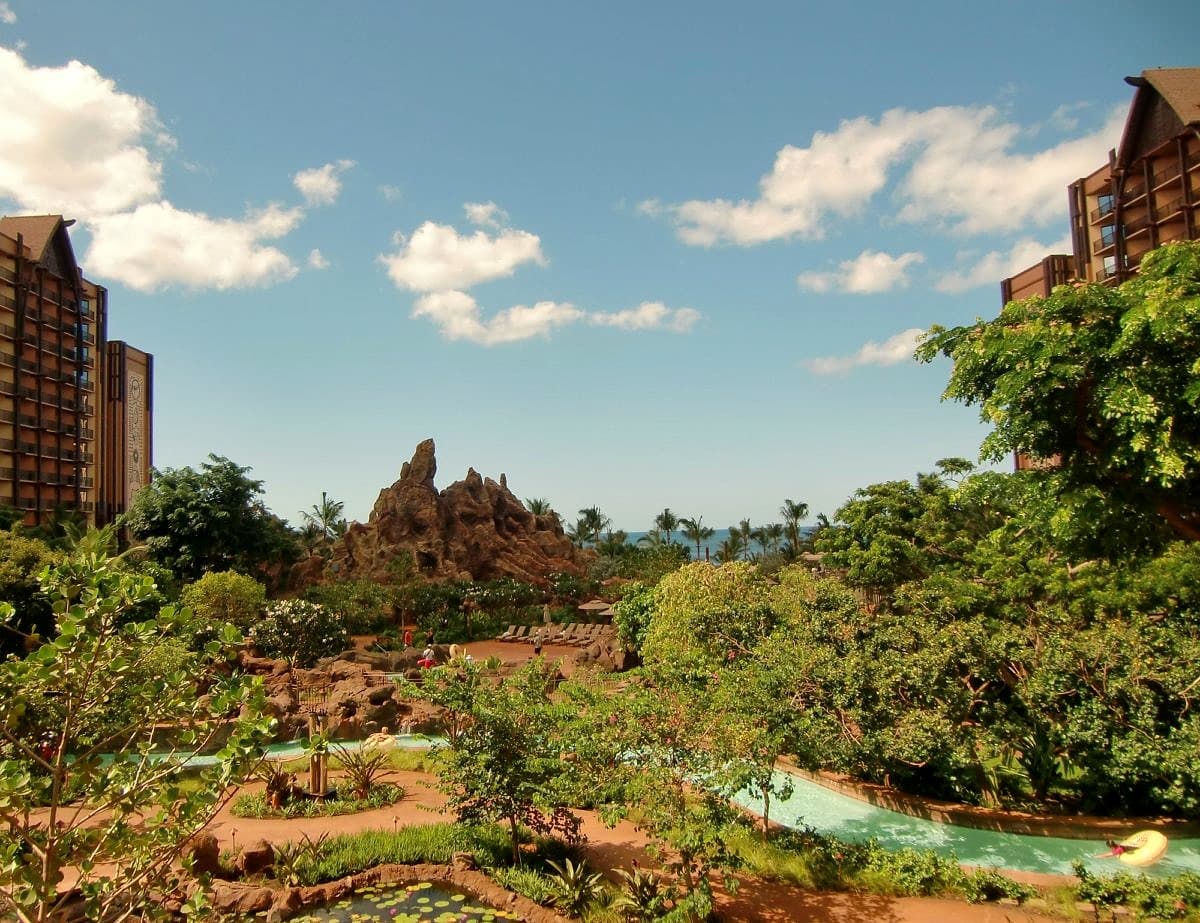
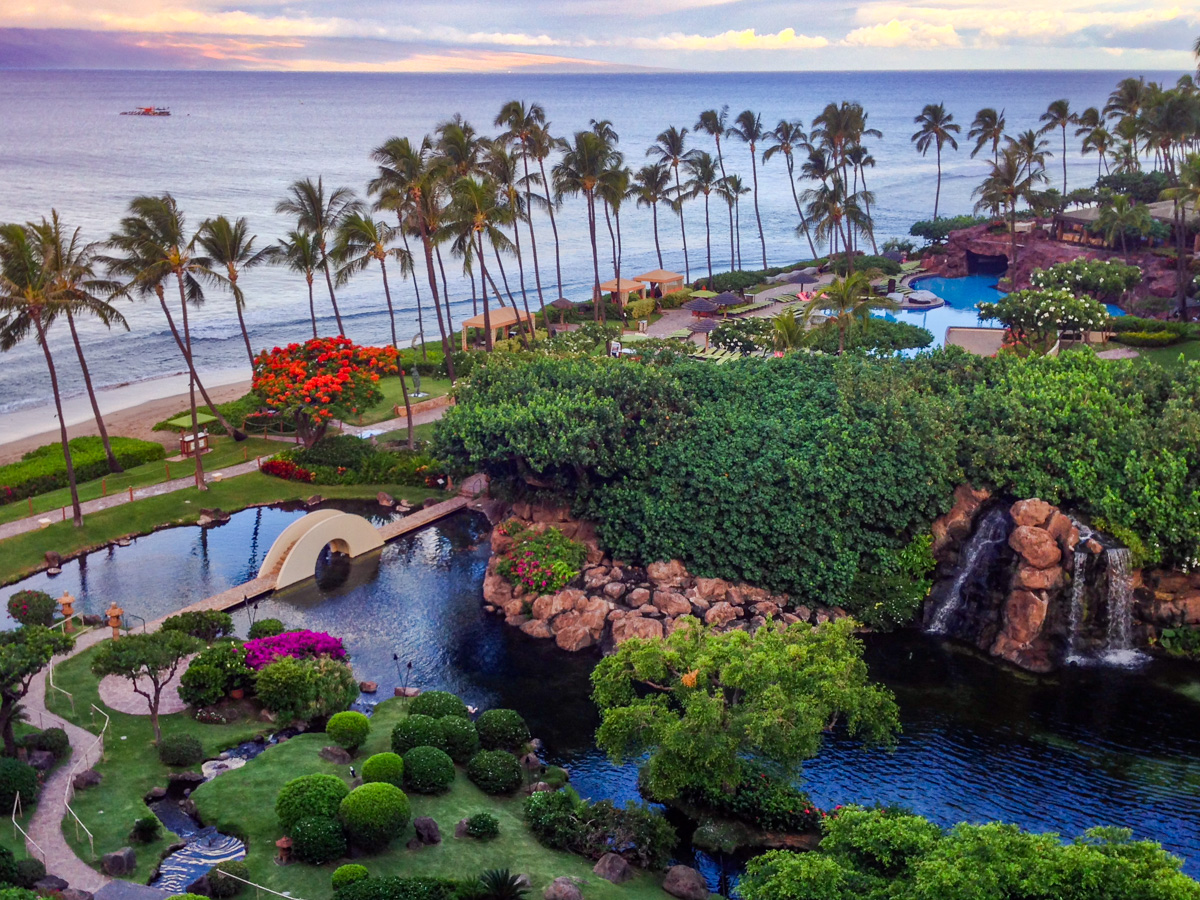
Similarly, the Hyatt Regency Maui and Aulani, A Disney Resort & Spa, utilize the natural topography of the islands to integrate pools with lush, native landscaping. Aulani, in particular, focuses on the "Waikolohe Valley," an immersive environment that blends technological water features with cultural storytelling, setting a high bar for thematic guest experiences.
The Texas Hill Country and Southwestern Oasis Model
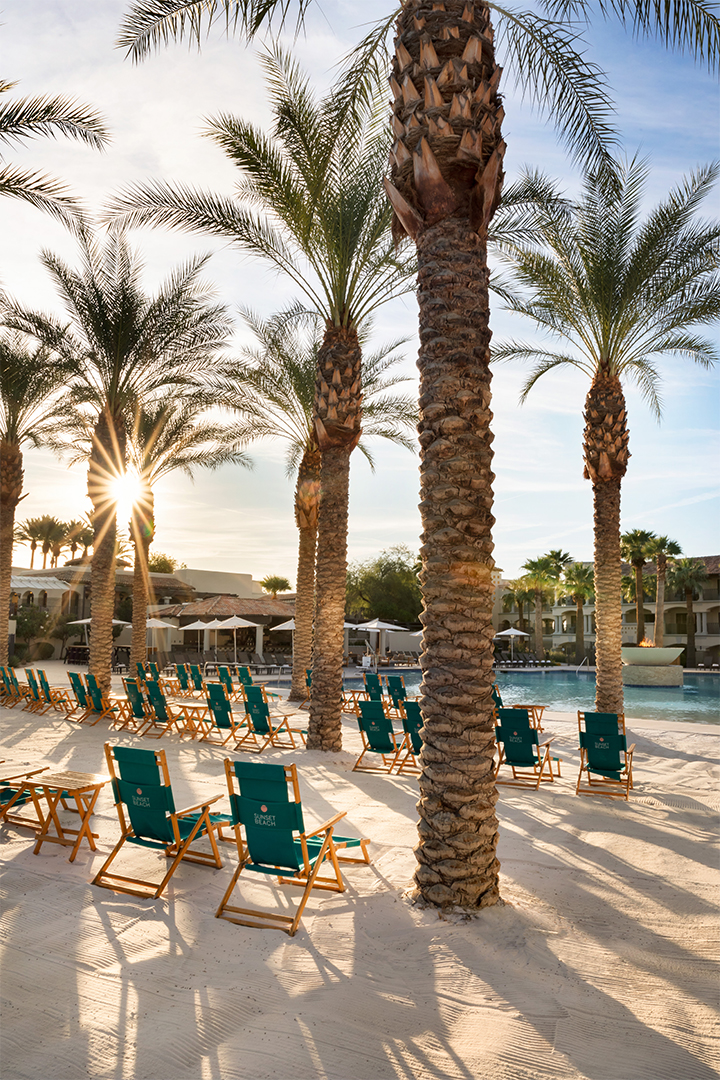
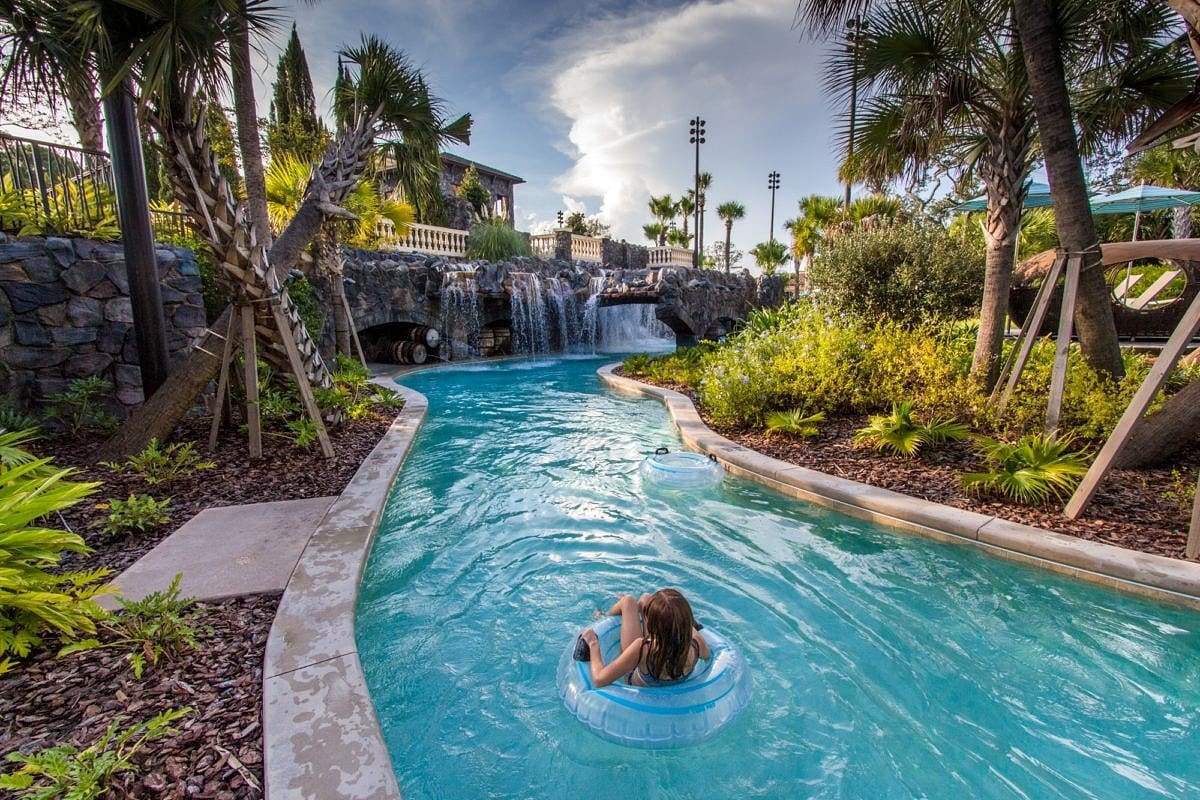
In landlocked regions like Texas and Arizona, resorts have successfully leveraged water to create synthetic oases. The JW Marriott San Antonio Hill Country Resort & Spa is a primary example of this approach. The 1,100-foot lazy river, framed by natural stone and indigenous landscaping, is designed to mimic the local river systems of the Hill Country. By integrating natural features into the pool design, the resort provides an authentic sense of place while addressing the high temperatures typical of the region.
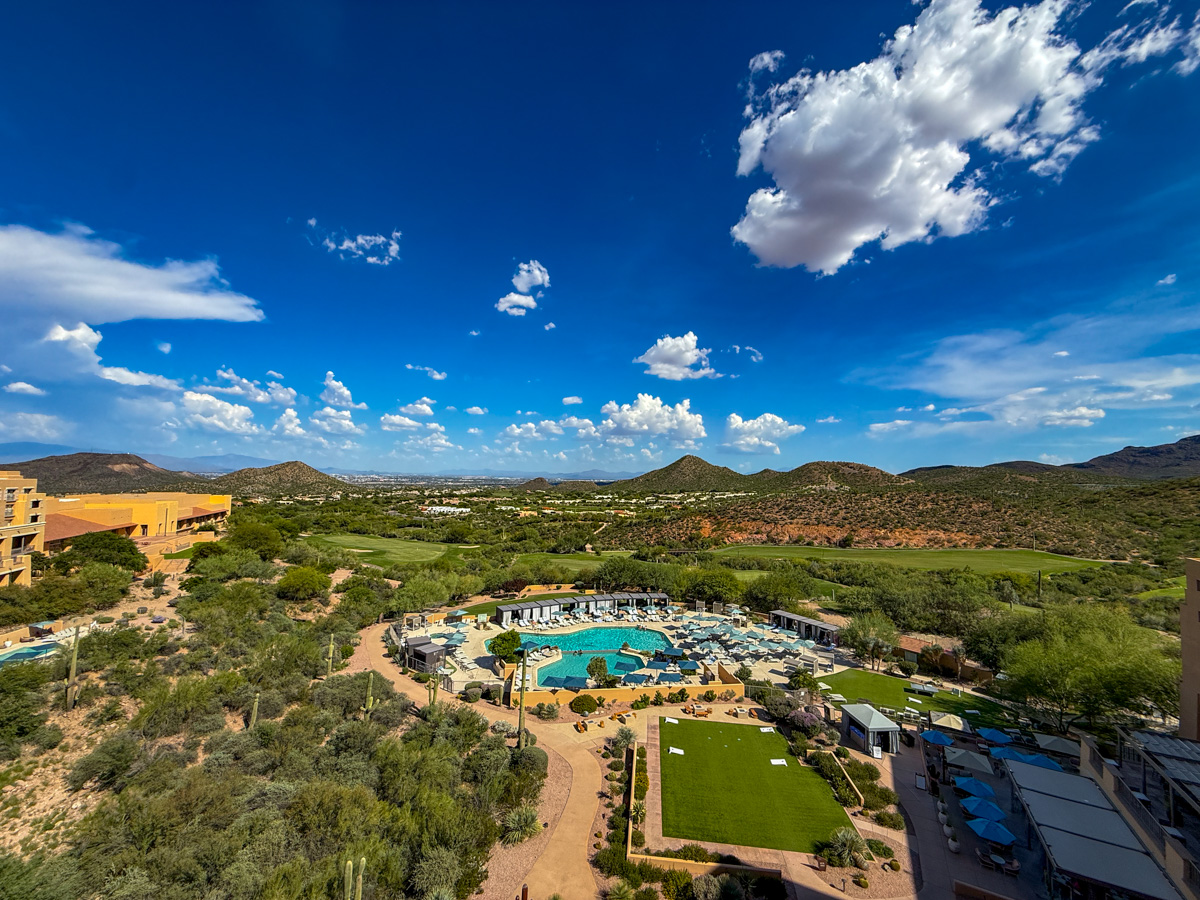
The Fairmont Scottsdale Princess and the JW Marriott Starr Pass in Tucson follow a similar logic, utilizing water features to mitigate the desert heat. These resorts often employ "dive-in" programming, utilizing large LED screens and laser light shows to extend the life of the pool deck into the evening hours, thereby maximizing guest engagement throughout the day.
Orlando: The Epicenter of Integrated Waterparks
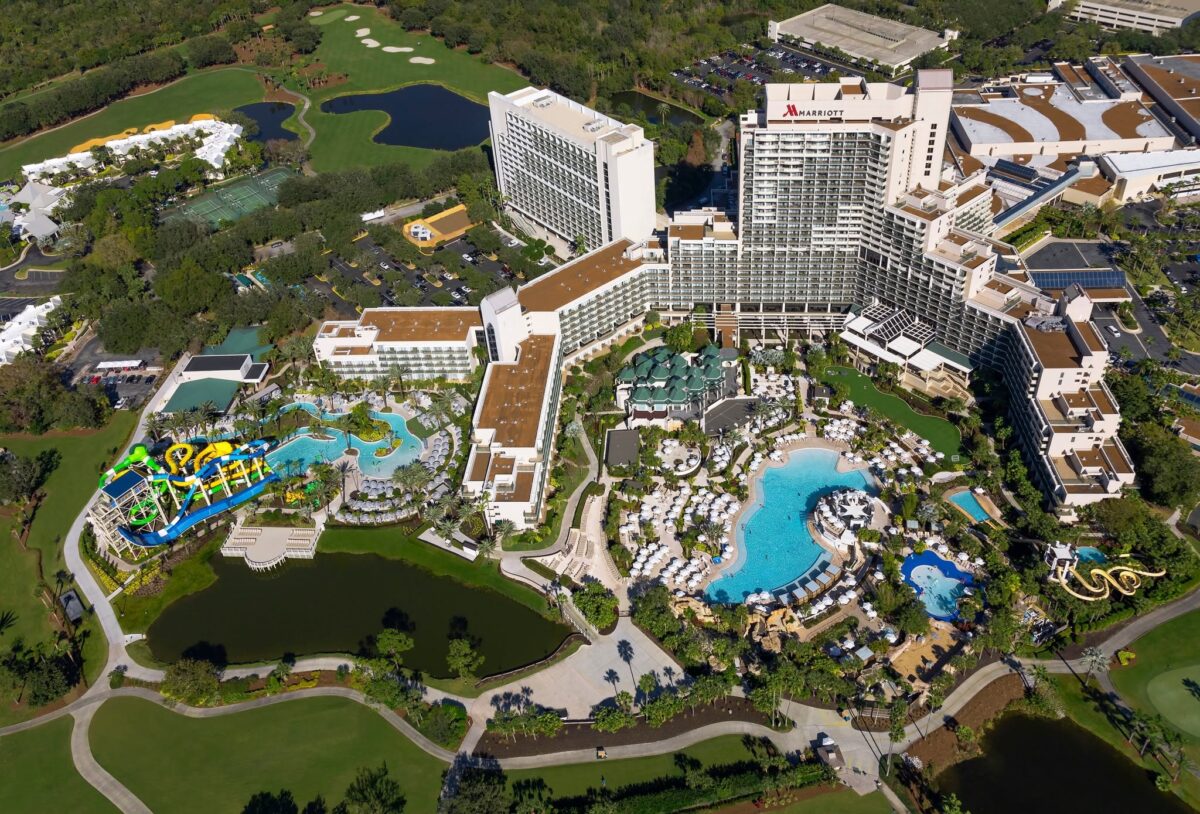
The Orlando market represents the most competitive landscape for resort pools, given its proximity to major theme park operators. Resorts like the Orlando World Center Marriott and the Four Seasons Resort Orlando have responded to this competitive pressure by constructing full-scale waterparks.
The River Falls Waterpark at the Orlando World Center Marriott is a significant infrastructure investment, featuring seven waterslides and a 575-foot lazy river. This model is designed to function as a self-contained ecosystem, allowing guests to bypass the congestion of theme parks while maintaining a high level of stimulation. The economic implication for these properties is clear: by offering comprehensive waterpark amenities, they capture a larger share of the guest’s travel budget and increase the average length of stay.
Cold-Climate Innovations: Indoor Aquatic Complexes
In regions where the outdoor season is limited, the hospitality industry has turned to indoor waterparks to ensure year-round occupancy. The Kartrite Resort & Indoor Waterpark in New York’s Catskills region and Zehnder’s Splash Village in Michigan represent the pinnacle of this segment.
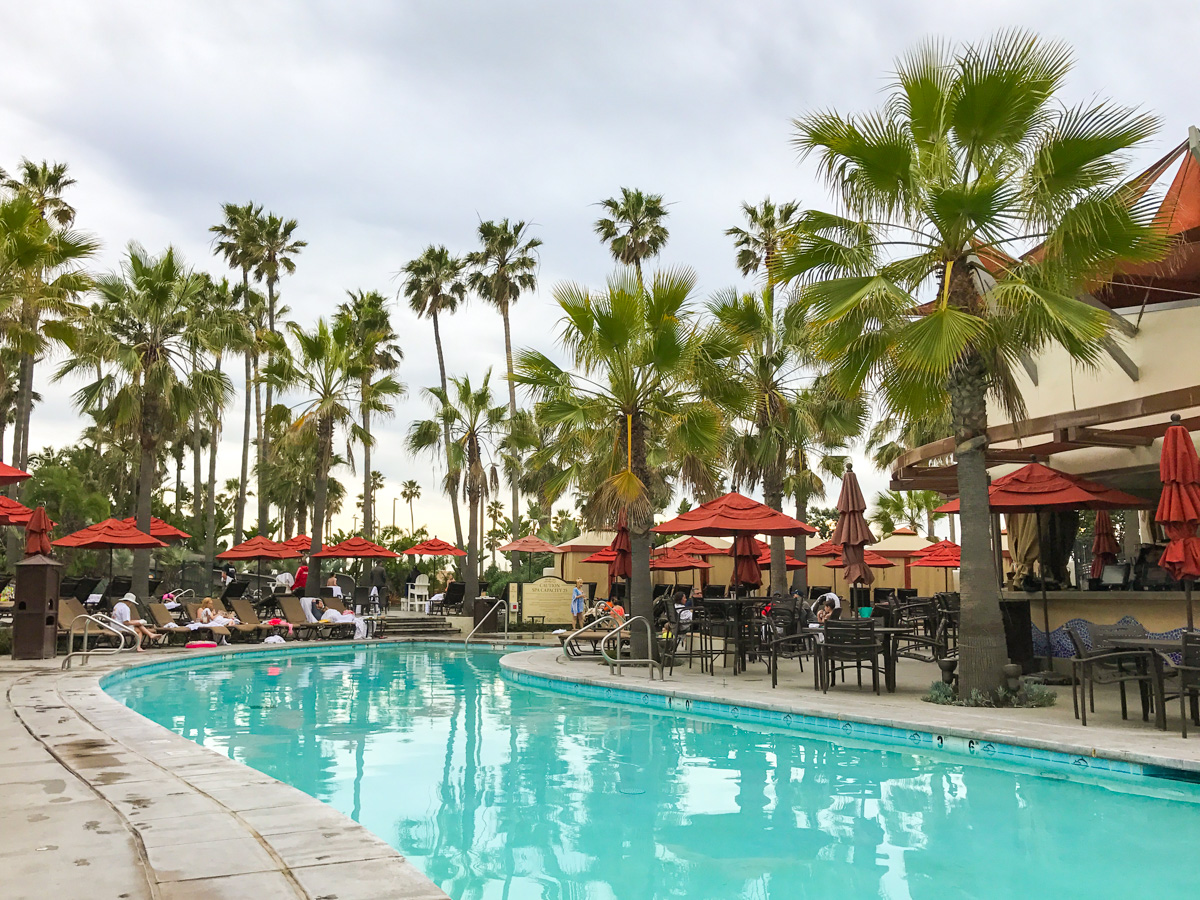
The Kartrite utilizes a transparent, climate-controlled roof that provides the sensation of outdoor recreation in a protected environment. This engineering allows for two acres of indoor aquatic space, regardless of exterior weather conditions. Similarly, the Hershey Lodge in Pennsylvania uses its "Water Works" complex to complement the seasonal offerings of nearby amusement parks. These facilities have fundamentally altered the regional travel market, turning previously seasonal locations into year-round destinations.
Operational Standards and Safety Considerations
The integration of complex water features brings significant operational responsibilities. Modern resorts with high-velocity slides and wave pools must adhere to rigorous safety protocols, often employing certified lifeguards and maintaining strict water quality monitoring.
Industry data suggests that the presence of on-site lifeguards is a primary factor in parental peace of mind, significantly influencing booking decisions for families with younger children. Furthermore, as sustainability becomes a core concern, many of these resorts are implementing advanced recycling systems for their water circuits, aiming to minimize the environmental footprint of these large-scale aquatic displays.
Economic Implications for Families
The rising cost of travel has made "all-in-one" resort stays an attractive economic proposition. When a resort provides a waterpark, it effectively eliminates the need for separate daily excursions to public waterparks or secondary attractions. While the nightly rate for these resorts is often higher, the bundled cost of amenities often results in a lower overall trip expenditure.
However, guests are advised to remain aware of "resort fees." These mandatory daily charges, often ranging from $30 to $60, are typically used to cover the maintenance of these extensive pool systems. It is recommended that travelers verify the specific amenities included in these fees prior to booking, as access to certain features—such as cabanas or specialized slides—may incur additional surcharges.
Summary of Regional Trends
The current landscape of U.S. resort pools reflects a broader trend toward immersive, experience-based travel. Whether in the tropical environments of Hawaii, the arid deserts of the Southwest, or the climate-controlled indoor parks of the Northeast, the emphasis is on creating a comprehensive "water-resort" experience.
For the modern family, these facilities are no longer considered optional amenities. They are central to the vacation experience, serving as the primary site for family bonding, physical activity, and recreation. As the hospitality industry continues to innovate, it is expected that the next generation of resort pools will incorporate even more sophisticated digital integration and sustainable water management technologies.
Travelers should continue to research the specific age-appropriateness of water features at their chosen destination, as some pools are heavily weighted toward thrill-seekers, while others prioritize the needs of toddlers and infants. By aligning the resort’s aquatic offerings with the specific needs of their family, travelers can ensure a more seamless and enjoyable vacation experience.
Related posts: