La Crosse, Wisconsin, situated at the confluence of the Mississippi, Black, and La Crosse rivers, serves as a significant cultural and economic anchor in the Driftless Area of the American Midwest. Known for its rugged topography, characterized by towering limestone bluffs that rise over 500 feet above the river valley, the city has evolved from a 19th-century river trade hub into a multifaceted destination for tourism and recreation. With a population of approximately 51,000, the city balances its historical identity with a modern commitment to public infrastructure, arts, and outdoor conservation.
Historical Significance and Geographic Context
The region surrounding La Crosse was historically inhabited by Indigenous peoples, including the Ho-Chunk Nation, who utilized the fertile river valleys for centuries. Following European settlement in the mid-1800s, the city became a central nexus for the logging industry. The Mississippi River was the primary artery for transporting timber to downstream markets, a process that fueled the rapid development of local infrastructure and Victorian-era architecture that remains a focal point of the downtown district today.
Geographically, La Crosse sits within the Driftless Area—a region of the Upper Midwest that remained unglaciated during the last Ice Age. This geological anomaly created the region’s signature steep hills and deep valleys, which now serve as the backdrop for the city’s extensive park systems and outdoor recreational offerings.
Riverside Park and the Mississippi River Corridor
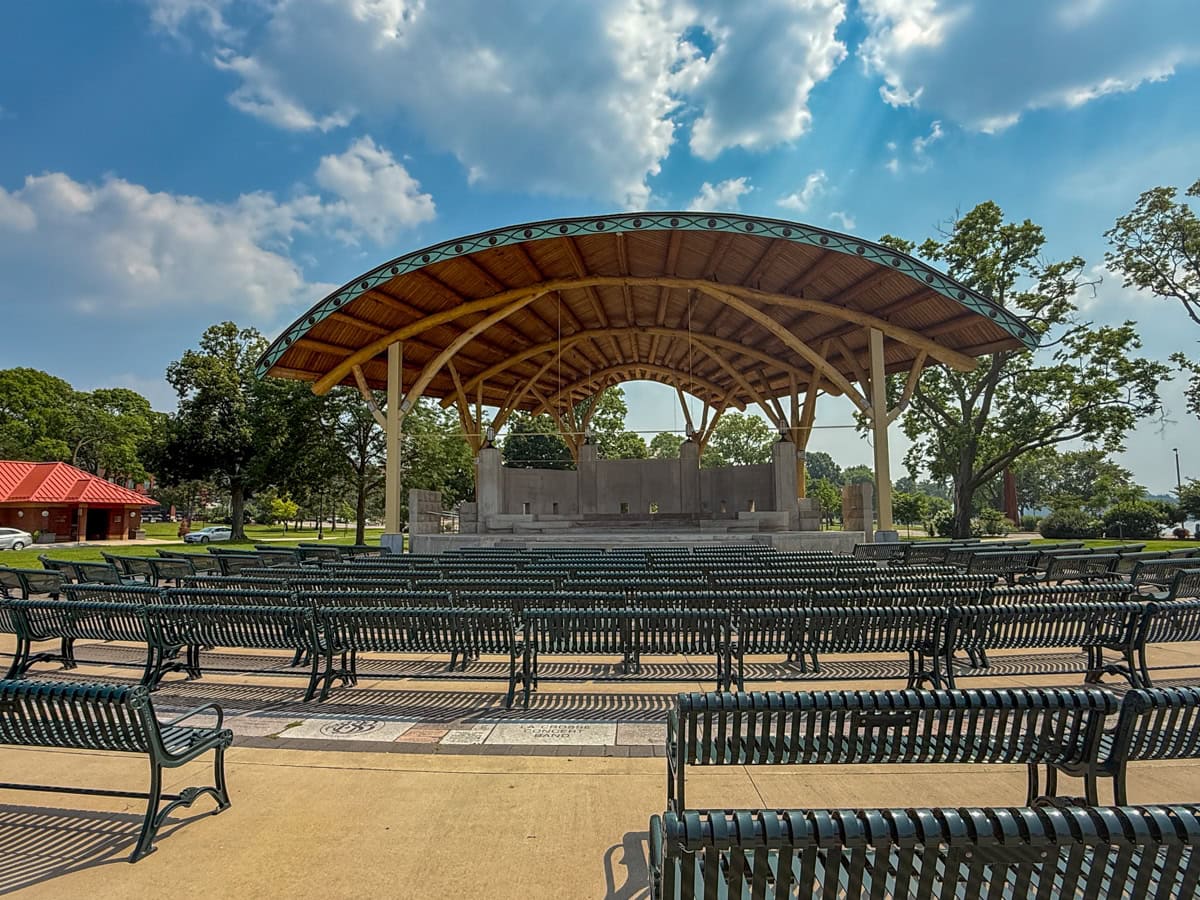
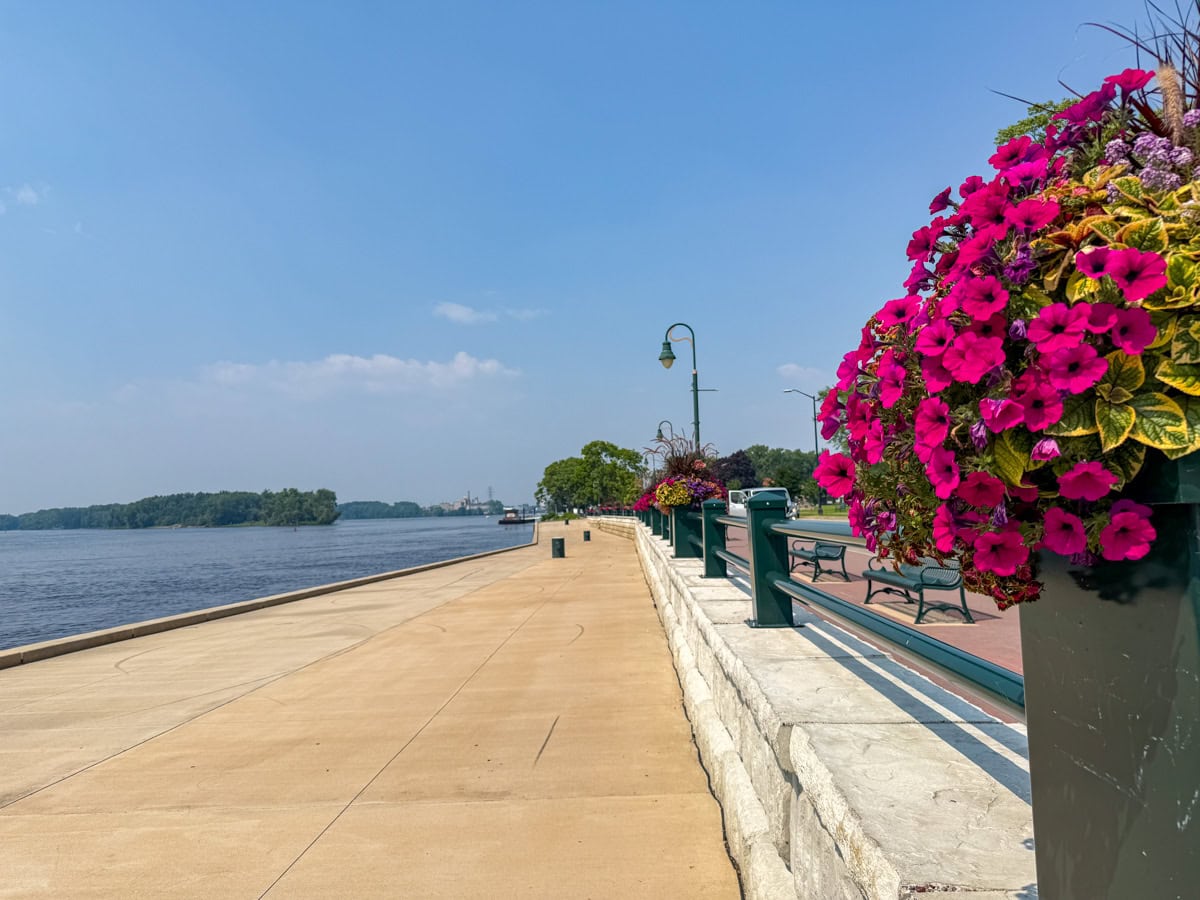
Riverside Park remains the city’s premier public space, encompassing 30 acres of reclaimed riverfront land. The park functions as both a recreational site and a critical venue for municipal events. Central to the park’s identity is the Riverside Park Bandshell, an Art Deco structure completed in 1930. The bandshell continues to host the Riverside Concert Series, supporting local and regional musicians and maintaining a tradition of civic arts engagement.
The park is also the site of major annual events, most notably the Rotary Lights display, which has operated for over 25 years. This event, which draws thousands of visitors annually, serves as a charitable initiative to support regional food pantries and community organizations. During the summer months, the park hosts Riverfest, a multi-day festival that provides an economic boost to local businesses through increased tourism and vendor participation.
Botanical and Cultural Integration
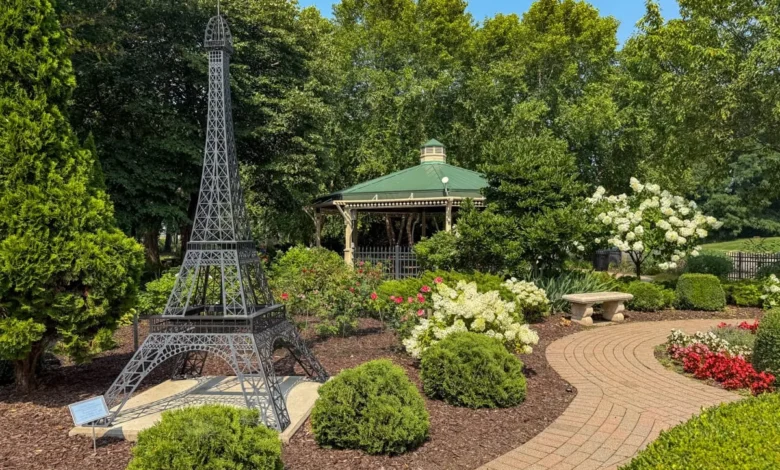
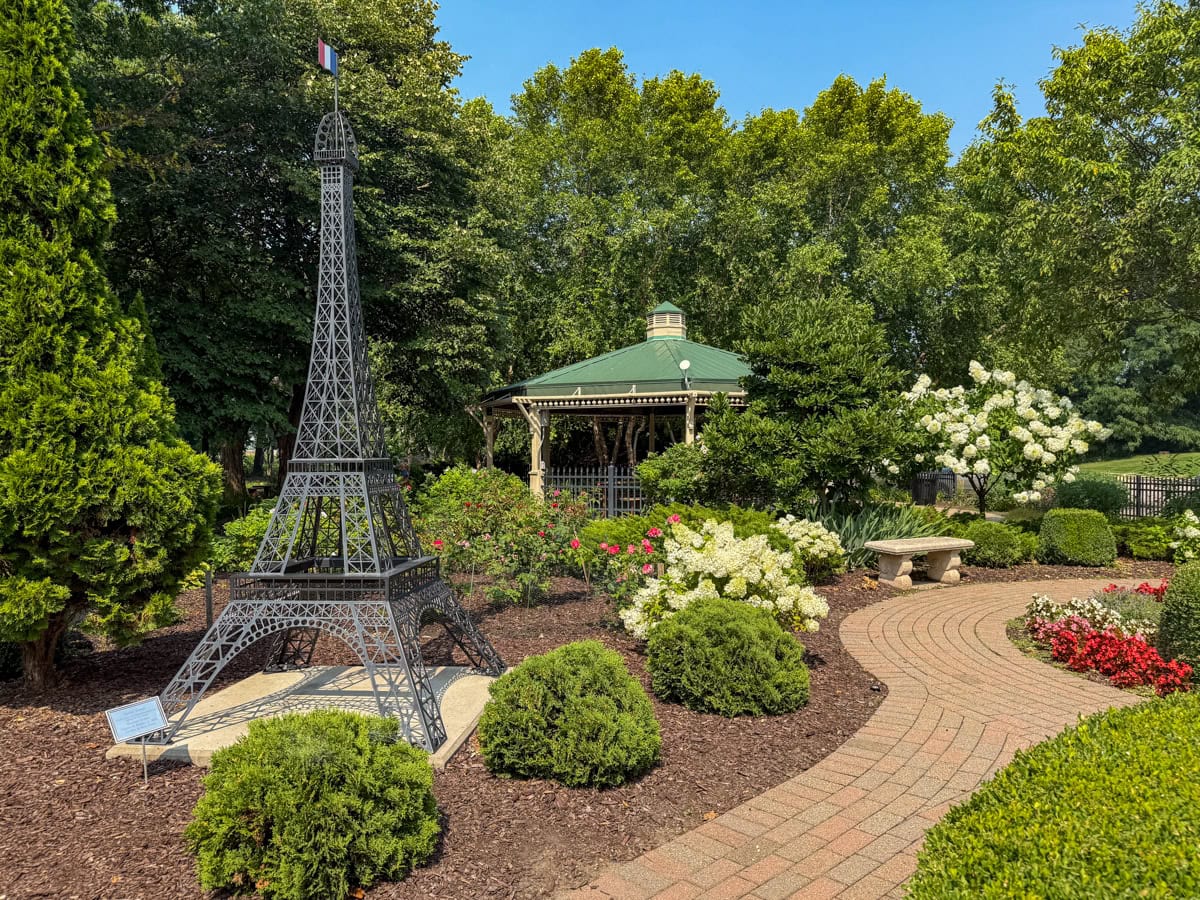
The International Friendship Gardens within the Riverside Park complex represent the city’s commitment to global cultural exchange. The gardens feature thematic sections representing La Crosse’s international sister cities, including locations in France, China, Germany, Russia, Ireland, and Cameroon. These gardens serve as an educational resource, offering visitors a localized experience of international horticultural practices and architectural styles.
Outdoor Recreation and Infrastructure
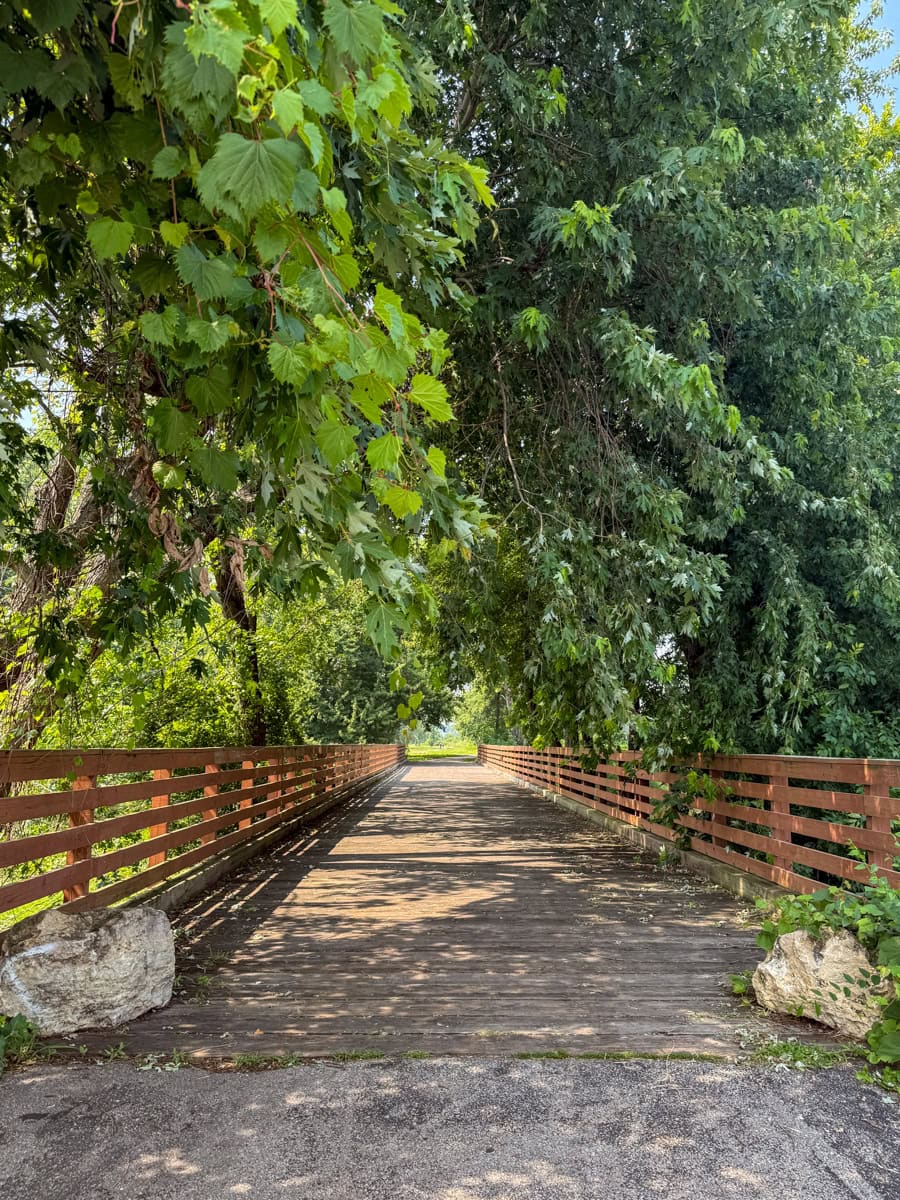
The city of La Crosse has invested heavily in non-motorized transportation infrastructure, particularly the Marsh Trail and the Great River State Trail. The La Crosse River Marsh acts as a biological buffer, providing habitat for diverse avian species and acting as a natural drainage basin for the region. The boardwalk system allows for public access while minimizing human impact on the sensitive wetland ecosystem.
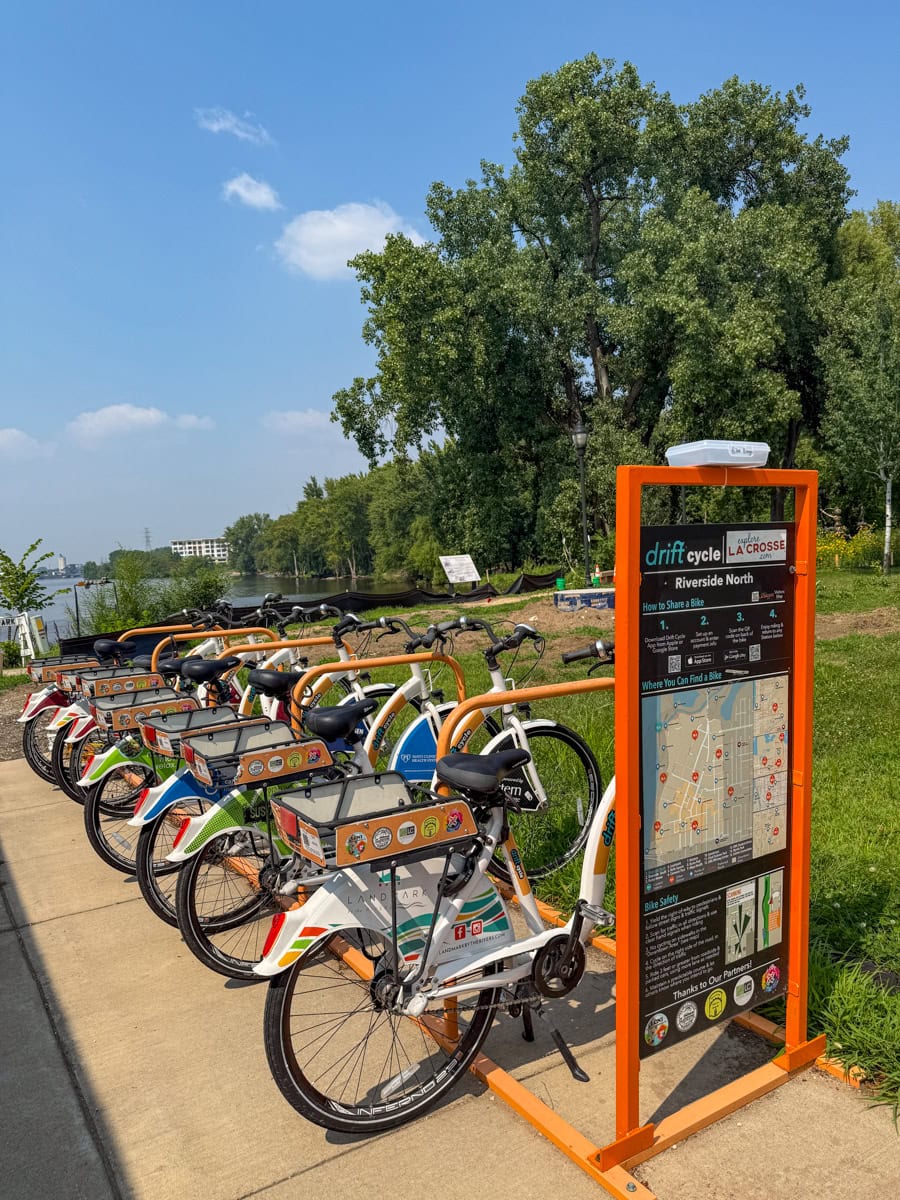
To facilitate mobility, the city has implemented the Drift La Crosse Bike Share program. This system, integrated with a mobile application interface, allows residents and tourists to access a fleet of bicycles stationed at key points, including the riverfront and downtown. This initiative aligns with broader municipal goals to reduce carbon emissions and promote healthy lifestyle choices within the urban center.
Maritime History and Tourism
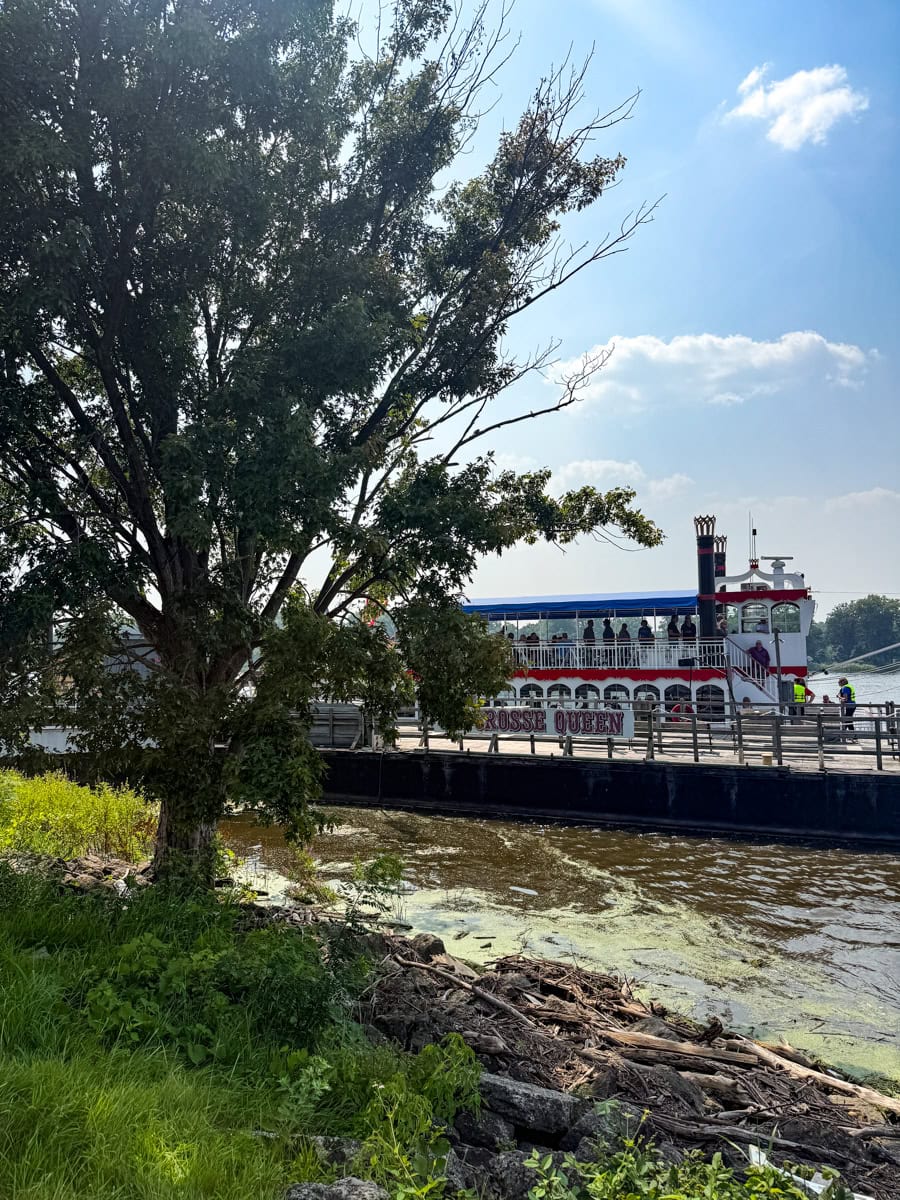
The La Crosse Queen, a paddlewheel riverboat modeled after the historic vessels that once dominated Mississippi River commerce, offers a tangible connection to the city’s maritime past. The vessel provides narrated sightseeing tours that focus on the geological formation of the bluffs and the industrial history of the river. Economically, these cruises contribute to the local hospitality sector, drawing tourists into the downtown core for dining and shopping experiences following their transit.
Preservation of Architectural Heritage
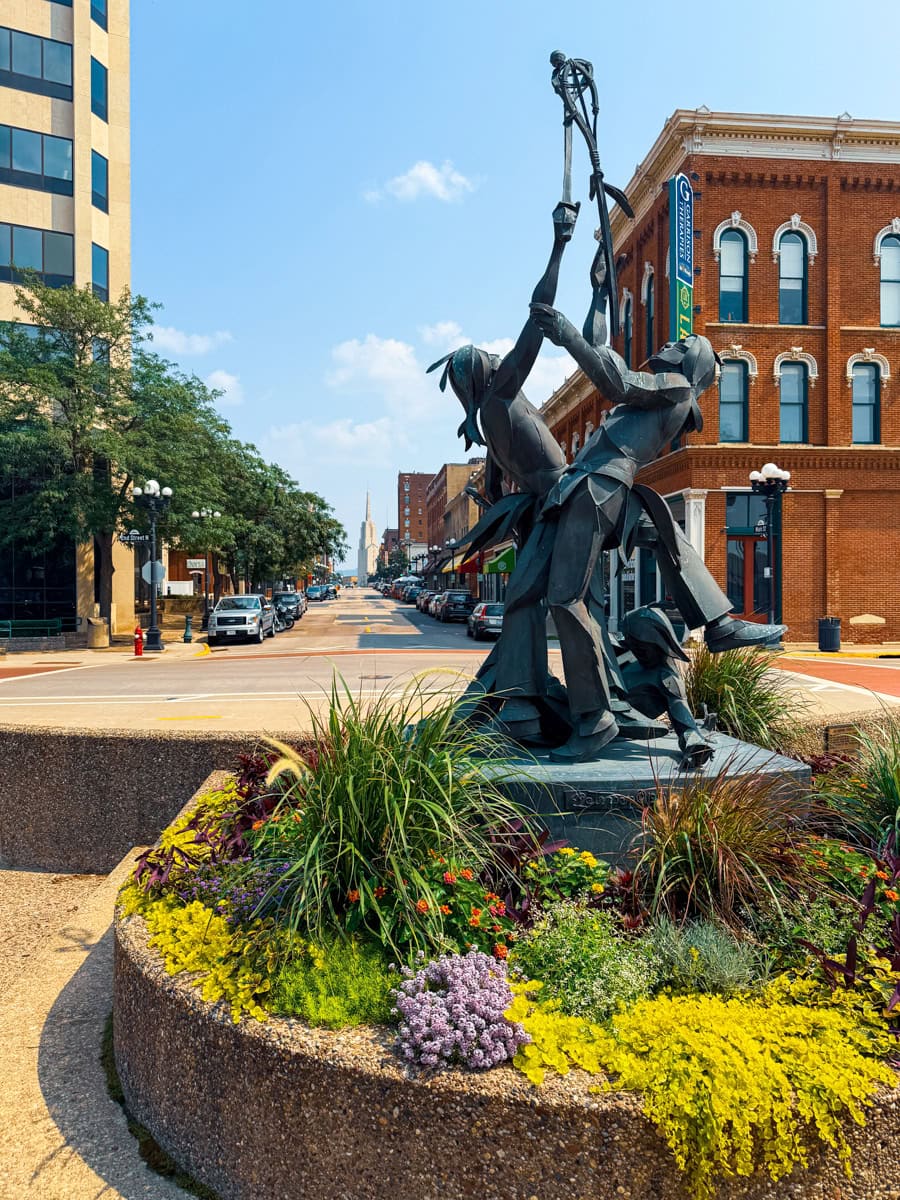
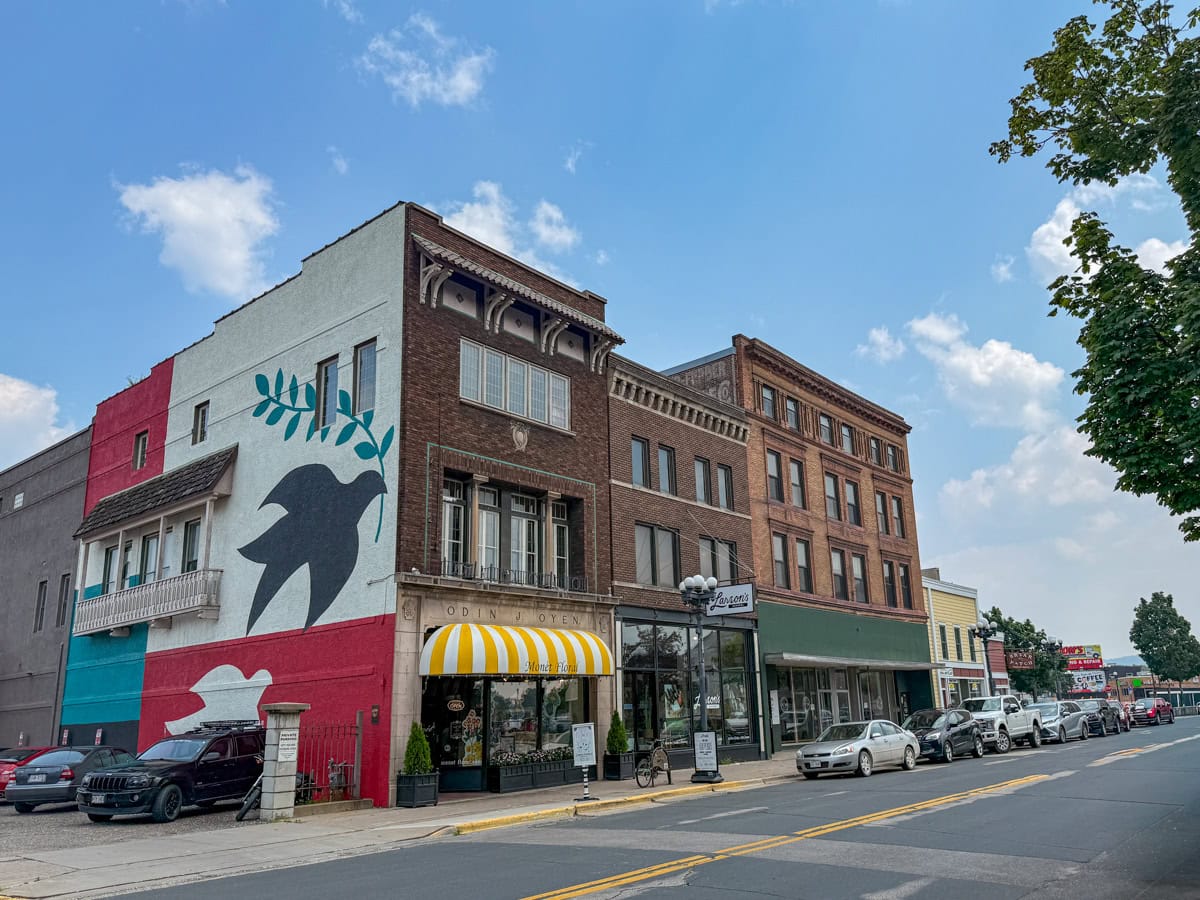
Downtown La Crosse is recognized for its concentration of late 19th-century commercial buildings. The preservation of the 7th Street South corridor has been a priority for the local historic preservation commission, which enforces guidelines to maintain the aesthetic integrity of the district’s brick storefronts and Victorian-era facades. This preservation effort has fostered an environment conducive to small business growth, including independent bookstores such as Pearl Street Books and specialized retail establishments like Deaf Ear Records.
Cultural and Educational Institutions
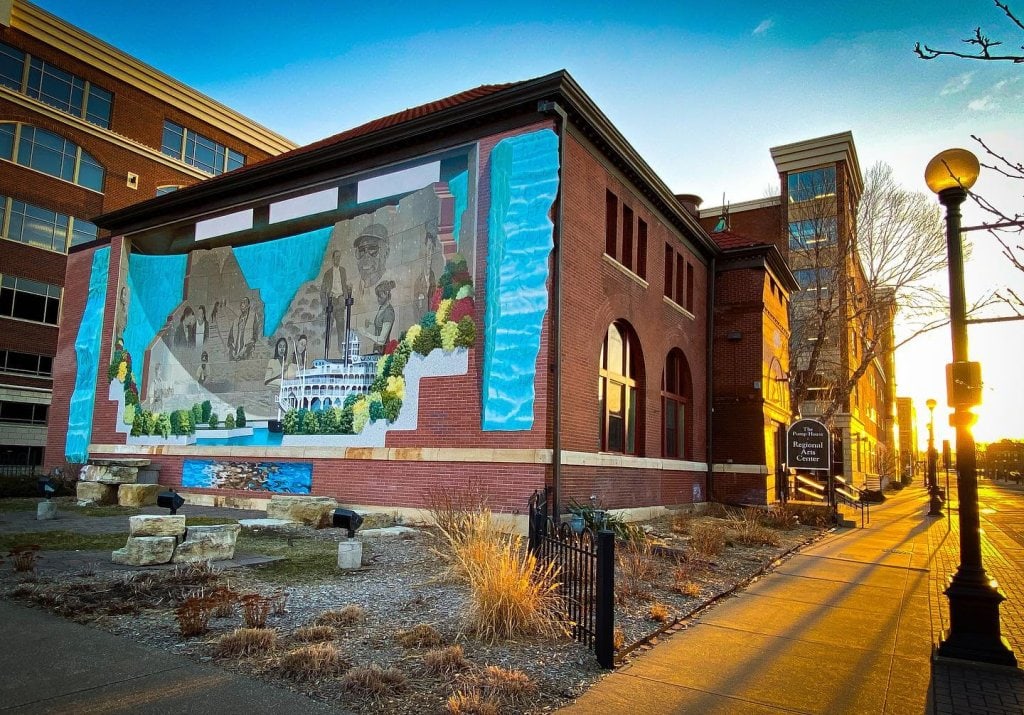
The Pump House Regional Arts Center is housed in a repurposed municipal water-pumping station dating to the 1880s. Its adaptive reuse is an example of historic preservation successfully merging with contemporary cultural needs. The facility now serves as a non-profit incubator for local visual and performing arts, offering exhibition galleries and studio space.
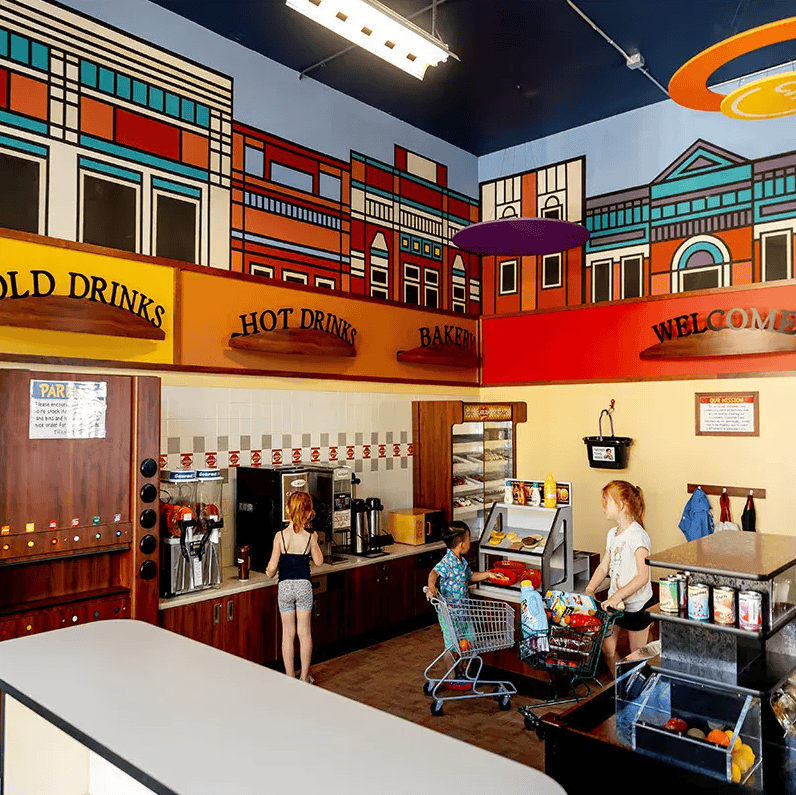
Additionally, the Children’s Museum of La Crosse provides a STEM-focused educational environment for youth under the age of 10. By creating interactive exhibits such as the "Mighty Mississippi" water play area, the museum introduces local geographic and environmental concepts to children through experiential learning.
Automotive History and Regional Identity
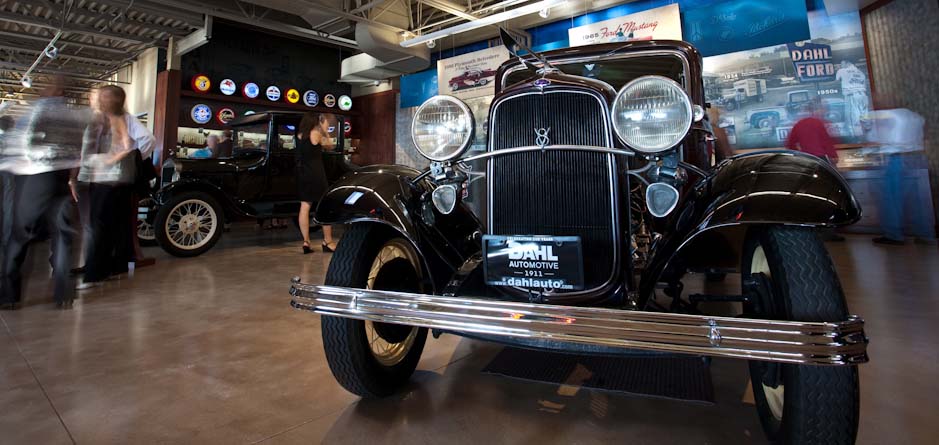
The Dahl Auto Museum offers a specialized look at the history of the Ford Motor Company, reflecting the city’s long-standing relationship with the automotive industry. The museum’s collection includes a 1911 Ford Model T and the 2006 Ford GT, providing a chronological survey of mechanical innovation. The museum, operated by one of the oldest family-owned Ford dealerships in the United States, serves as a repository for regional automotive history and contributes to the city’s tourism diversity.

Culinary and Brewing Traditions
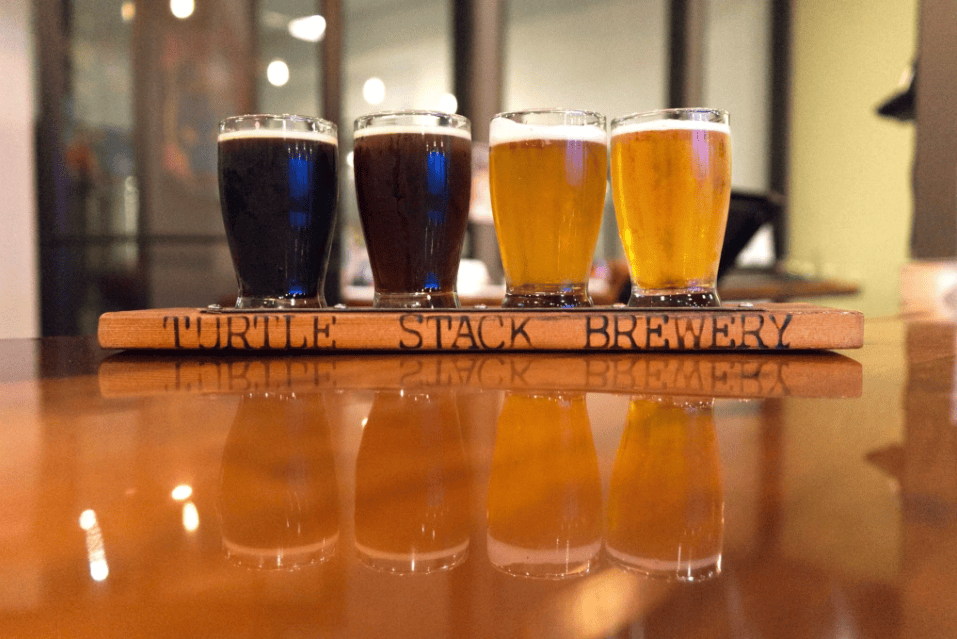
The regional culinary scene is heavily influenced by the city’s German heritage, particularly in the local brewing industry. The craft beer sector, exemplified by the Turtle Stack Brewery, utilizes the region’s specific water quality and climate to produce distinct lager and ale varieties. The presence of numerous coffee houses, such as the Grounded Patio Café, highlights the city’s transition toward a modern, diversified hospitality economy that caters to both local students and visiting tourists.

Panoramic Viewpoints and Conservation
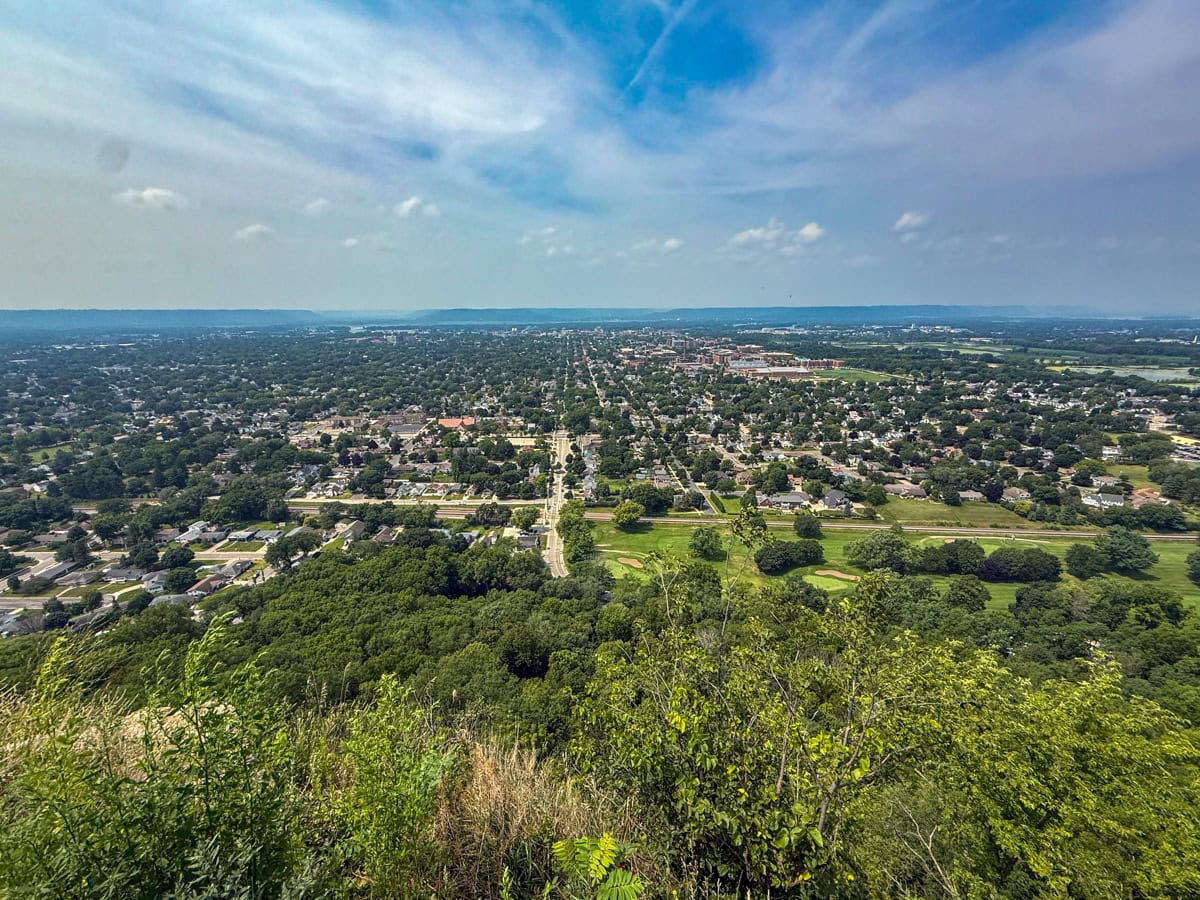
Grandad Bluff stands as the city’s most significant geological landmark. Rising 600 feet above the city, the overlook provides a vantage point for understanding the region’s topography and urban layout. The site is managed in conjunction with the Hixon Forest, a protected area that offers over 10 miles of hiking and biking trails. The maintenance of these trails is part of a larger regional strategy to manage the intersection of urban development and environmental conservation.
Economic and Demographic Impact
La Crosse’s identity as a "college town," home to the University of Wisconsin-La Crosse, Viterbo University, and Western Technical College, significantly influences its economic and social fabric. The student population contributes to a high demand for cultural amenities, transit options, and diverse housing, while the presence of major regional medical centers like Mayo Clinic Health System provides a stable employment base.
As the city looks to the future, the primary challenge remains balancing the influx of tourism with the preservation of its natural resources. The development of the riverfront and the ongoing maintenance of the bluffs are central to the city’s long-term economic sustainability, ensuring that La Crosse remains a viable destination for both short-term visitors and long-term residents.