Nichupté Bridge and the Strategic Evolution of Infrastructure in the Mexican Caribbean

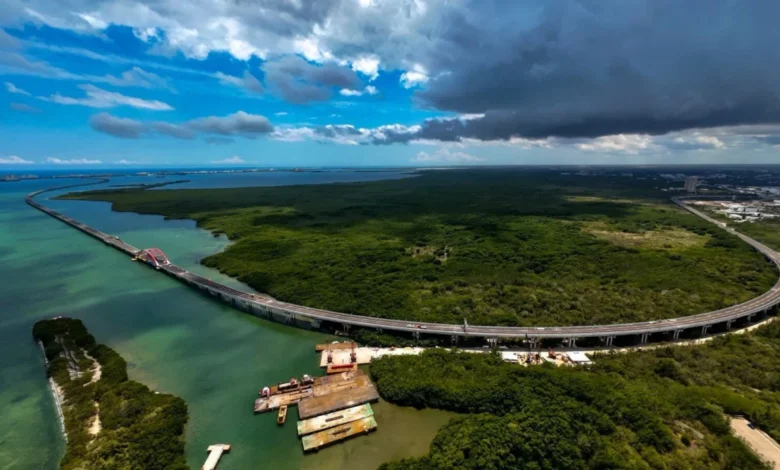
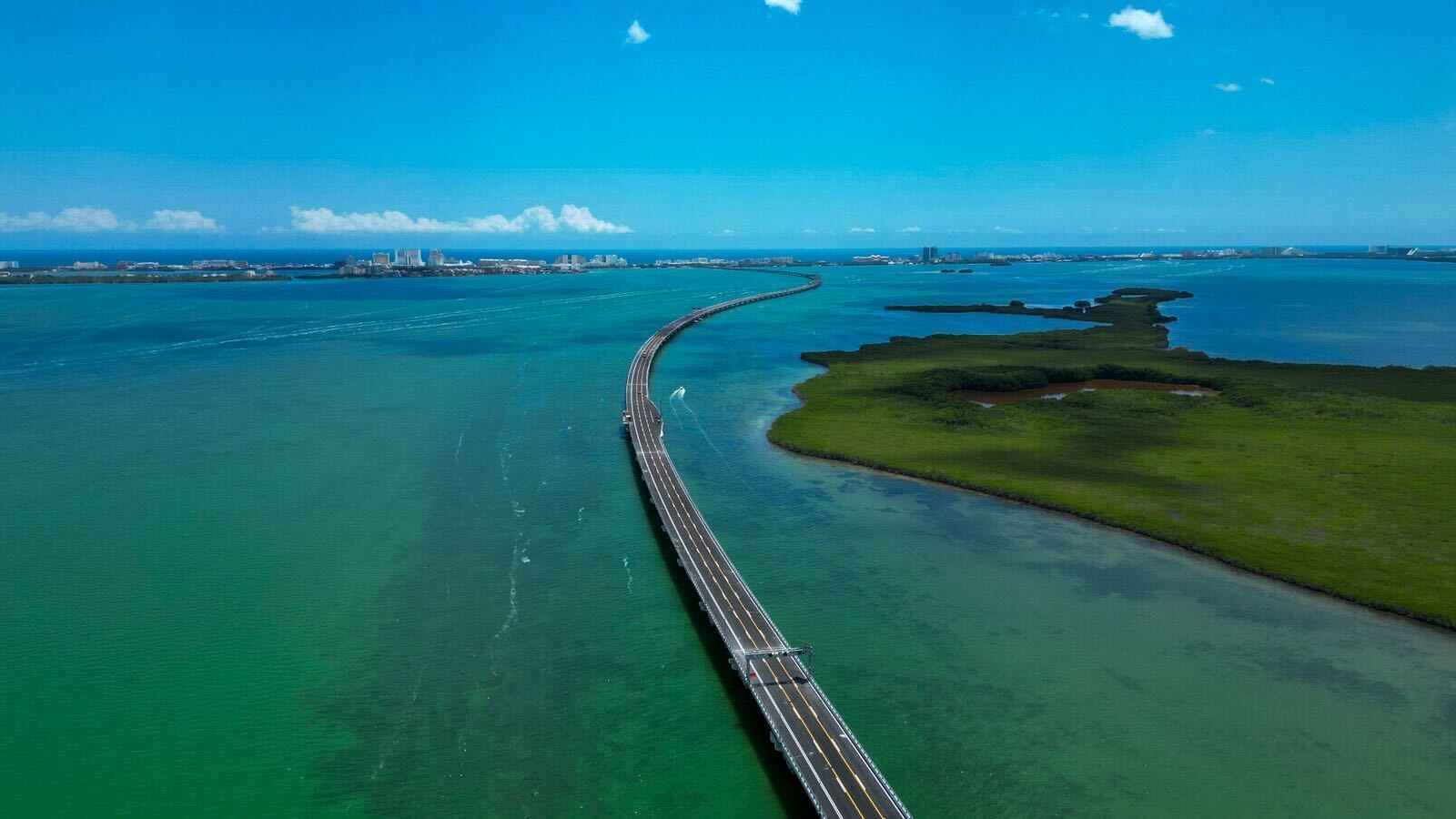
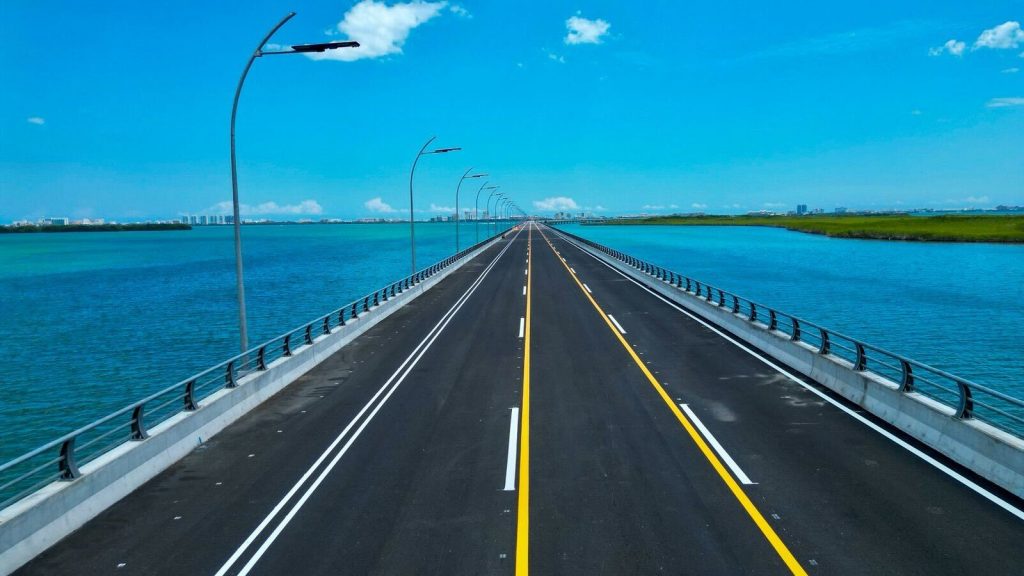
The completion and opening of the Nichupté Bridge in Cancún marks a pivotal moment in the history of Mexico’s most visited tourist destination, signaling a shift from localized resort development to a comprehensive regional infrastructure strategy. Spanning 8.8 kilometers (approximately 5.5 miles) across the Nichupté Lagoon, this monumental engineering feat is designed to solve one of the most persistent challenges facing the city: the severe traffic congestion that has historically plagued the connection between downtown Cancún and the world-renowned Hotel Zone. As a cornerstone of the federal and state government’s "Program for the Strengthening of Infrastructure in Quintana Roo," the bridge represents a multi-billion peso investment aimed at modernizing the travel experience for millions of international visitors while simultaneously improving the quality of life for the local workforce.
The project, overseen by the Secretariat of Infrastructure, Communications and Transportation (SICT), serves as a secondary access point to the Hotel Zone, which was previously served almost exclusively by Kukulcan Boulevard. For decades, Kukulcan Boulevard acted as a bottleneck where a single traffic incident or heavy rain could paralyze movement for hours, affecting both tourists rushing to catch flights and the thousands of service industry employees who keep the region’s economy running. The Nichupté Bridge provides a direct link between the Luis Donaldo Colosio Boulevard and the heart of the Hotel Zone, offering a redundant route that is essential for both daily logistics and emergency evacuations.
Technical Specifications and Engineering Innovation
The Nichupté Bridge is not merely a roadway but a sophisticated piece of modern engineering. The structure consists of an 8.8-kilometer viaduct, with a significant portion traversing the sensitive ecosystem of the Nichupté Lagoon. To address environmental concerns, the construction utilized a specialized "top-down" methodology. This approach involved the use of a launching gantry—a massive crane-like structure—that allowed workers to install the bridge’s spans from above. By avoiding the placement of heavy machinery directly on the lagoon floor or within the mangrove forests, the project minimized its ecological footprint, preserving the delicate balance of the local flora and fauna.
The bridge features three lanes, each 3.5 meters wide. A notable feature of the design is the inclusion of a reversible center lane. This lane is managed dynamically to accommodate peak traffic flows: in the morning, it can be directed toward the Hotel Zone to assist workers arriving for their shifts, and in the evening, it can be reversed to facilitate the exit of tourists and employees toward the mainland. Additionally, the bridge includes a dedicated bicycle lane and pedestrian walkways, reflecting a modern approach to urban mobility that encourages non-motorized transport.
The total investment for the project exceeded 5.5 billion Mexican pesos (approximately $320 million USD). The funding was a collaborative effort involving federal resources, emphasizing the strategic importance of Cancún to the national economy. With the Cancún International Airport handling over 30 million passengers annually, the bridge is viewed as a necessary upgrade to maintain the city’s competitiveness against other global luxury destinations.
A Timeline of Transformation
The journey toward the completion of the Nichupté Bridge was characterized by years of planning and environmental assessments. While the idea of a bridge over the lagoon had been discussed for over two decades, it was not until the current federal administration and the state government of Quintana Roo, led by Governor Mara Lezama, prioritized the "Quintana Roo Infrastructure Package" that the project moved from a concept to a reality.
Construction officially gained momentum in 2022, following rigorous environmental impact studies required by the Secretariat of Environment and Natural Resources (SEMARNAT). Throughout 2023, the skyline of Cancún was defined by the presence of the massive launching gantries as they methodically marched across the water. Despite challenges such as hurricane seasons and the logistical complexity of transporting massive concrete beams through a busy city, the project remained a high priority.
The bridge’s progress was a central theme during the EDGE 2026 conference in San Diego, a major gathering for the travel and tourism industry. At this event, the Mexican Caribbean Tourism Board showcased the bridge as evidence of the region’s commitment to "frictionless travel." It was during this conference that officials officially announced that EDGE 2027 would be hosted in the Cancún-Riviera Maya region, a move that underscores the international travel community’s confidence in the area’s evolving infrastructure.
Official Responses and Economic Justification
The leadership of the Mexican Caribbean has been vocal about the bridge’s role in the region’s broader economic strategy. Andrés Martínez Reynoso, CEO of the Mexican Caribbean Tourism Board, has characterized the project as "transformational." In various statements, Reynoso has emphasized that the modern traveler demands more than just luxury accommodations; they demand efficiency and ease of movement.
"The Nichupté Bridge is more than just a piece of concrete; it is a bridge to a more sustainable and efficient future for Cancún," Reynoso noted during the project’s final phases. "By reducing travel times and easing the stress of transit, we are enhancing the overall guest experience. This project reflects our evolution into a destination that thinks about the entire journey, from the moment a traveler lands at the airport to the moment they sit down for dinner in our vibrant downtown area."
Local government officials have also highlighted the social justice aspect of the project. Governor Mara Lezama has frequently pointed out that for too long, the benefits of tourism were concentrated within the Hotel Zone, while the people who worked there faced grueling commutes. The bridge is expected to reduce commute times for local workers by up to 45 minutes each way, giving thousands of families more time together and reducing the carbon footprint associated with idling vehicles in traffic jams.
Integration with the Tren Maya and Tulum Airport
The Nichupté Bridge does not exist in isolation. It is part of a massive, synchronized overhaul of the Mexican Caribbean’s transportation network. This includes the renovation of Luis Donaldo Colosio Boulevard, the construction of the Cloverleaf Interchange at the airport entrance, and the massive Tren Maya (Mayan Train) project.
The Tren Maya, which connects Quintana Roo with the states of Yucatán, Campeche, Tabasco, and Chiapas, features a major station in Cancún located near the airport. The Nichupté Bridge acts as a vital artery that ensures the influx of passengers from the train can move efficiently into the tourism heart of the city. Furthermore, the recent opening of the Tulum International Airport (Felipe Carrillo Puerto) has redistributed air traffic across the region, but Cancún remains the primary hub. The bridge ensures that Cancún can handle its share of the load without succumbing to the "gridlock" that threatened its reputation in previous years.
Environmental Stewardship and Safety
One of the most critical aspects of the Nichupté Bridge is its role in civil protection. The Hotel Zone of Cancún is essentially a long, narrow sandbar. In the event of a major hurricane, the evacuation of tens of thousands of tourists and staff was previously dependent on a single road. The bridge provides a vital second exit, significantly increasing the safety profile of the destination.
Environmentally, the project includes a comprehensive "Mangrove Rescue and Reforestation" program. For every square meter of mangrove affected by the construction, the government committed to restoring a significantly larger area in other parts of the lagoon system. The bridge also features advanced drainage and filtration systems to ensure that runoff from the roadway does not contaminate the lagoon’s waters, which are a protected federal area.
Broader Implications for Modern Tourism
The success of the Nichupté Bridge reflects a global trend in tourism development where the "logistics of travel" are becoming as important as the "amenities of the stay." In an era where travelers have endless options, the removal of "logistical friction"—such as long taxi rides in heavy traffic—becomes a competitive advantage.
Analysis of the project suggests that it will also spark a "Downtown Renaissance" in Cancún. By making the Hotel Zone more accessible from the city center, more tourists are expected to venture into downtown Cancún to explore local restaurants, markets, and cultural sites. This diversification of the tourist experience helps spread the economic benefits of the industry more broadly across the local population, moving away from the "all-inclusive" model that often keeps tourist dollars within the walls of a single resort.
As Cancún prepares to host EDGE 2027, the Nichupté Bridge stands as a testament to the region’s ambition. It is a signal to the world that the Mexican Caribbean is not resting on its laurels but is actively building the infrastructure required to remain a world leader in tourism for the next half-century. The bridge is a physical manifestation of a new philosophy: that the luxury of a vacation begins not at the check-in desk, but the moment a traveler moves effortlessly through the destination.