In an era defined by professional burnout and the relentless pursuit of traditional markers of success, a growing demographic of professionals is rejecting the conventional corporate ladder in favor of intentional, long-term global mobility. At the forefront of this movement is Heather Markel, a full-time solo traveler and self-described "Travel Reset Catalyst," who has spent nearly a decade studying how extended relocation and cultural immersion can permanently alter human behavior, mental health, and life trajectory. Markel’s journey—from a high-earning corporate executive paralyzed by routine to a global nomad who has traversed 45 countries across six continents—serves as a compelling case study in the modern phenomenon of the "Travel Reset."
The Anatomy of Burnout: From Corporate Stability to Existential Crisis
The modern corporate ecosystem often rewards adherence to institutional expectations at the expense of individual well-being. Markel’s transition into full-time global travel began in the mid-1980s as an adolescent participant in a French host-family program, an experience that forged a lifelong affinity for language acquisition and cultural immersion. However, subsequent decades drew her into the traditional American economic mainstream. Following corporate mergers and acquisitions, she established a lengthy career with telecommunications giant AT&T, securing a six-figure salary, comprehensive healthcare, and corporate stability.
Despite achieving these conventional benchmarks of adulthood—including marriage and financial security—Markel experienced a profound sense of alienation. By her late thirties and early forties, her daily reality had devolved into a repetitive cycle of sitting at a desk for eight hours a day merely to collect a paycheck and corporate benefits. Despite maintaining positive relationships with colleagues and superiors, she describes the sensation as feeling "like my soul was dying."
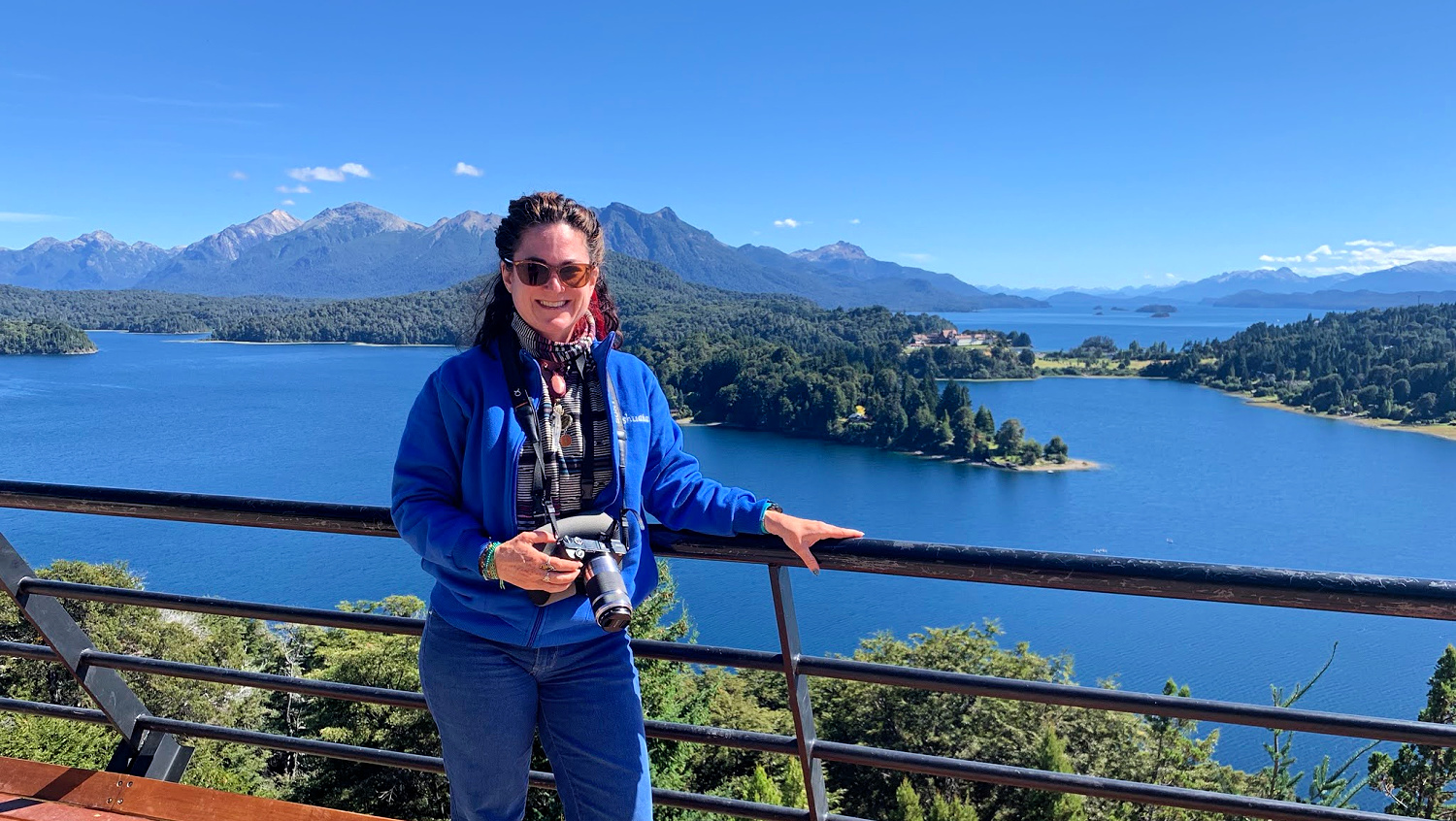
Standard institutional remedies proved ineffective. Traditional therapeutic interventions, professional coaching certifications, board memberships, and recreational sports leagues failed to alleviate her chronic exhaustion. Markel’s internal distress ultimately manifested as somatic physical pain—a critical inflection point that underscored the danger of prioritizing external responsibilities over psychological health. In a decisive break with convention, she resigned from her corporate position in 2017. Initially conceived as a standard six-month career hiatus, the departure evolved into a permanent lifestyle transformation that has now spanned nearly a decade.
Defining the Travel Reset Versus Traditional Tourism
To understand Markel’s methodology, industry analysts and behavioral specialists draw a sharp distinction between conventional vacations and a structured Travel Reset. While the standard vacation typically spans one to two weeks, its primary objective is episodic escape, relaxation, and rapid sightseeing. Sociological studies on modern leisure consistently demonstrate that short-term vacations compress intensive travel schedules into compressed timeframes, frequently resulting in travelers returning to their points of origin exhausted and requiring a secondary rest period.
Furthermore, short-term tourism fails to disrupt entrenched behavioral patterns. Upon landing back at their home airports, travelers immediately re-enter their habitual routines, effectively neutralizing any introspective insights gained during the trip. The psychological inspiration required to implement meaningful life changes dissipates under the immediate weight of returning responsibilities, trapping individuals in chronic cycles of fatigue and professional dissatisfaction.
Conversely, a Travel Reset is explicitly defined as an extended period of slow travel lasting anywhere from one month to several years. By removing oneself from familiar environments for an extended duration, the traveler breaks the psychological inertia of the "rat race." Markel argues that prolonged separation from familiar social structures allows abstract dreams of personal reinformation to crystallize into actionable plans. Paradoxically, extended travel often proves more economically efficient than short-term tourism, as slow-travel practitioners avoid the inflated costs associated with rapid transit, tourist-trap dining, and short-term hotel bookings by utilizing long-term rentals and public transportation networks.

The Psychological Mechanics of Solo Global Mobility
Markel’s framework emphasizes that solo travel acts as an accelerator for personal accountability and self-discovery. Early in her global journey, finding herself confronted by familiar interpersonal conflicts while residing in Europe, she experienced a sobering realization: geographical relocation does not inherently eliminate internal psychological friction. Recognizing that she was the common denominator in her own interpersonal dramas, Markel shifted her perspective from victimhood to agency. This cognitive pivot demonstrated that environments, relationships, and life paths could be intentionally constructed rather than passively endured.
Over the course of her travels—which have included navigating South America exclusively by bus, traversing contested land borders in Central America under high-stress conditions, and weathering a two-year pandemic lockdown as a solitary expatriate in New Zealand—Markel documented recurring psychological benefits among long-term solo travelers:
- Radical Adaptability: Extended exposure to foreign bureaucracies, language barriers, and logistical failures builds extreme resilience and resourcefulness.
- Decoupling Identity from Vocation: Prolonged removal from corporate titles and professional hierarchies allows individuals to redefine their self-worth based on intrinsic values rather than productivity metrics.
- Geopolitical Nuance: Immersion in diverse cultures consistently shatters monolithic media narratives, replacing generalized political stereotypes with nuanced, human-centric understandings of global populations.
- Financial Pragmatism: Managing living expenses in emerging economies forces a critical re-evaluation of material consumption, distinguishing authentic human needs from manufactured commercial desires.
Global Footprint and Quantitative Impact
Since initiating her Travel Reset, Markel’s itinerary has expanded to encompass 45 countries across six continents. Notable destinations within her migration history include Peru, South Africa, Namibia, Vietnam, Taiwan, Costa Rica, Mauritius, Réunion Island, and Easter Island. Each location has provided distinct structural lessons in cultural adaptation, resource management, and social anthropology.
Her professional evolution has since transitioned from personal experimentation to structured enterprise. As a Travel Reset Catalyst, Markel now consults directly with burnt-out professionals, career-transitioners, and individuals seeking post-retirement reinvention. Her coaching methodology follows a rigorous, multi-phased trajectory:

- Diagnostic Evaluation: Assessing the client’s current psychological state, identifying deeply ingrained behavioral patterns, and defining specific developmental goals for the reset period.
- Geographic Alignment: Matching the client’s psychological objectives and financial parameters with optimal global destinations suited for extended stays.
- Logistical Orchestration: Resolving complex anxieties related to international healthcare, remote work compliance, visa regulations, and financial sustainability.
- Reintegration Mapping: Designing a structured framework to ensure that the psychological insights gained abroad are successfully transferred and applied upon the traveler’s eventual return or transition to a new permanent lifestyle.
Broader Economic and Societal Implications
Markel’s philosophy aligns with broader macro-level shifts in the global workforce, accelerated by post-pandemic shifts toward remote employment, digital nomadism, and the gig economy. Sociologists note an increasing cultural skepticism toward the traditional 40-year corporate trajectory, particularly among Millennials and Generation Z professionals who prioritize work-life integration and mental health over institutional loyalty.
While long-term travel was historically viewed as the exclusive domain of affluent retirees or gap-year students, the democratization of remote work infrastructure has transformed the Travel Reset into a viable mid-career intervention. Experts suggest that structured career breaks—when approached with intentionality rather than mere escapism—can mitigate long-term healthcare costs associated with chronic corporate burnout, enhance cross-cultural competencies, and foster a more adaptable, globally conscious workforce.
Ultimately, Heather Markel’s ongoing work serves as both a personal testament and a professional blueprint for individuals seeking to reclaim agency over their life paths. By reframing travel not as an expensive temporary distraction, but as a rigorous psychological and logistical instrument for transformation, the Travel Reset movement offers a compelling alternative to the traditional paradigms of modern success.
Related posts: