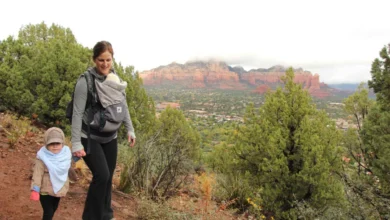
Asheville, nestled in the heart of North Carolina’s Blue Ridge Mountains, has transitioned from a niche destination for outdoor enthusiasts and art lovers into a premier hub for family-oriented tourism. With its unique combination of vibrant cultural institutions, expansive public park systems, and a brewery culture that increasingly prioritizes family inclusivity, the city provides a robust infrastructure for parents traveling with young children. Navigating this mountain destination requires strategic planning, particularly regarding logistics, transportation, and local amenities, to ensure a seamless experience for families with toddlers and infants.

Transportation and Arrival Logistics
The primary point of entry for most travelers is the Asheville Regional Airport (AVL). While the airport offers the convenience of being located just 15 minutes from the downtown core, it serves primarily as a regional hub with a limited number of direct flights. For travelers arriving from larger international or national transit hubs, Charlotte Douglas International Airport (CLT) or Greenville-Spartanburg International Airport (GSP) serve as common alternatives. However, these secondary options necessitate a drive of approximately two hours to reach Asheville, adding significant travel time to a trip with young children.

Once in the city, the most effective mode of transport remains a rental vehicle. While Asheville Regional Transit (ART) operates the S3 South 3 route connecting the airport to the downtown transit hub, the frequency and coverage of public transit remain insufficient for families reliant on strollers, car seats, and the necessity of frequent, unscheduled stops. For those opting out of a car rental, downtown Asheville offers a dense, walkable urban core. However, venturing into neighboring areas such as West Asheville or the scenic outskirts requires a reliable vehicle. Visitors are advised that airport car rental agencies rarely stock guaranteed child safety seats, making the transport of one’s own equipment or the utilization of local baby-gear rental services—such as BabyQuip—a critical pre-trip necessity.

Strategic Neighborhood Selection
The choice of accommodation significantly dictates the ease of an Asheville excursion. Downtown hotels offer the highest level of proximity to dining and cultural attractions. Modern establishments, such as the Renaissance Asheville Downtown Hotel, have adapted to modern family needs by offering amenities like indoor saltwater pools, portable cribs, and high chairs.

For families seeking a more residential and immersive experience, the neighborhoods of West Asheville and Montford provide a distinct, local atmosphere. These areas are characterized by historic architecture, tree-lined streets, and a concentration of locally owned restaurants that are accustomed to the presence of families. Furthermore, the growth of the vacation rental market in these sectors allows for kitchen access and separate sleeping quarters, which are often essential for maintaining a child’s sleep schedule. For those prioritizing space over proximity, the outlying towns of Weaverville, Black Mountain, and Mills River offer a quieter, more expansive environment while remaining within a short driving distance of the city’s major attractions.

Playgrounds and Recreational Infrastructure
Asheville’s Department of Parks and Recreation has focused on modernizing its community facilities, providing essential outlets for the high energy levels of toddlers. The Tempie Avery Montford Community Center is frequently cited for its safety-conscious design, featuring soft, cushioned surfaces and dedicated zones for different age groups.

Roy Pope Memorial Park stands out as a top-tier facility due to its enclosed perimeter, which provides a critical safety buffer for parents of active toddlers. The park’s layout, combined with proximity to local coffee shops and natural landmarks like the Beaver Lake Bird Sanctuary, makes it an ideal anchor for a morning itinerary. Additional sites such as Kenilworth Park and Malvern Hills Park continue to receive high marks for maintenance and accessibility, ensuring that families always have a reliable, low-cost option to occupy young children between more structured activities.

Cultural and Educational Engagement
Contrary to the perception that art museums and science centers are exclusively adult-oriented, Asheville’s institutions have actively cultivated youth-focused programming. The Asheville Art Museum, situated in the heart of the city, dedicates specific space on its second floor to interactive, play-based art education. This allows toddlers to engage with tactile materials like building blocks while parents navigate the exhibits.

Similarly, the Asheville Museum of Science (AMOS) provides a concentrated, hands-on learning environment. These indoor facilities are particularly valuable during the region’s shoulder seasons, when unpredictable mountain weather may limit outdoor accessibility. For animal enthusiasts, the WNC Nature Center offers an educational look at regional biodiversity. With its emphasis on local wildlife—including bears, otters, and raptors—it serves as a significant attraction that is both manageable in size and highly engaging for young children.

The Evolution of the Brewery Culture
Asheville’s reputation as a "Beer City" has, perhaps unexpectedly, evolved into a family-friendly phenomenon. Local breweries have increasingly moved away from the traditional dark, confined pub model in favor of expansive, open-air, or grass-covered venues. Establishments such as New Belgium Brewing, located along the French Broad River, exemplify this trend. By offering vast, fenced-in outdoor spaces, these breweries provide an environment where children can move freely without infringing on the adult social experience.

This shift is not merely aesthetic; it is an economic and social response to the city’s demographics. Many of these venues maintain B Corp certifications, emphasizing community impact and sustainable practices. The integration of food trucks or in-house family menus further streamlines the dining experience, allowing parents to consume quality local food without the rigid constraints of traditional fine-dining establishments.

Biltmore Estate: A Balancing Act
The Biltmore Estate remains the most prominent tourist attraction in the region. However, a visit to the 250-room mansion requires significant logistical consideration. While the historic home itself can be claustrophobic and challenging for strollers, the estate’s 8,000 acres of gardens and grounds provide ample space for families.

The strategy for a successful Biltmore visit involves prioritizing the Conservatory and the surrounding walking paths over the interior of the mansion. The winery, while traditionally associated with adult activities, is surprisingly accessible for those with infants, though the recommendation remains to focus on the outdoor horticultural displays to maximize the experience for toddlers.

Practical Tips for the Modern Traveling Parent
The successful navigation of Asheville relies on a few core tactical choices. Firstly, the reliance on a high-quality, lightweight travel stroller is paramount, as is the use of a baby carrier for the occasional uneven terrain found on local trails or within the Biltmore gardens. Secondly, the city’s grocery store network—including staples like Publix and Harris Teeter, as well as the specialized French Broad Food Co-op—ensures that specialized dietary needs or emergency supplies are easily acquired.

Finally, the social aspect of parenting in Asheville is supported by active community networks. Platforms like the "Baby Can Travel" Facebook group serve as a vital resource for visitors to exchange real-time advice on everything from current playground conditions to the latest family-friendly restaurant recommendations. By leveraging these community resources and adhering to a flexible, nature-focused itinerary, parents can ensure that Asheville remains not just a destination for adults, but a welcoming environment for the youngest of travelers. The combination of high-quality public infrastructure, a forward-thinking hospitality sector, and the natural beauty of the Blue Ridge Mountains solidifies Asheville’s standing as an essential destination for modern families.