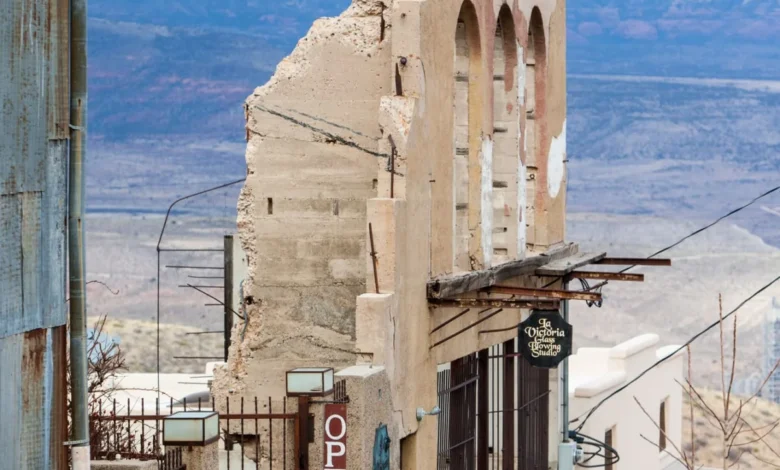
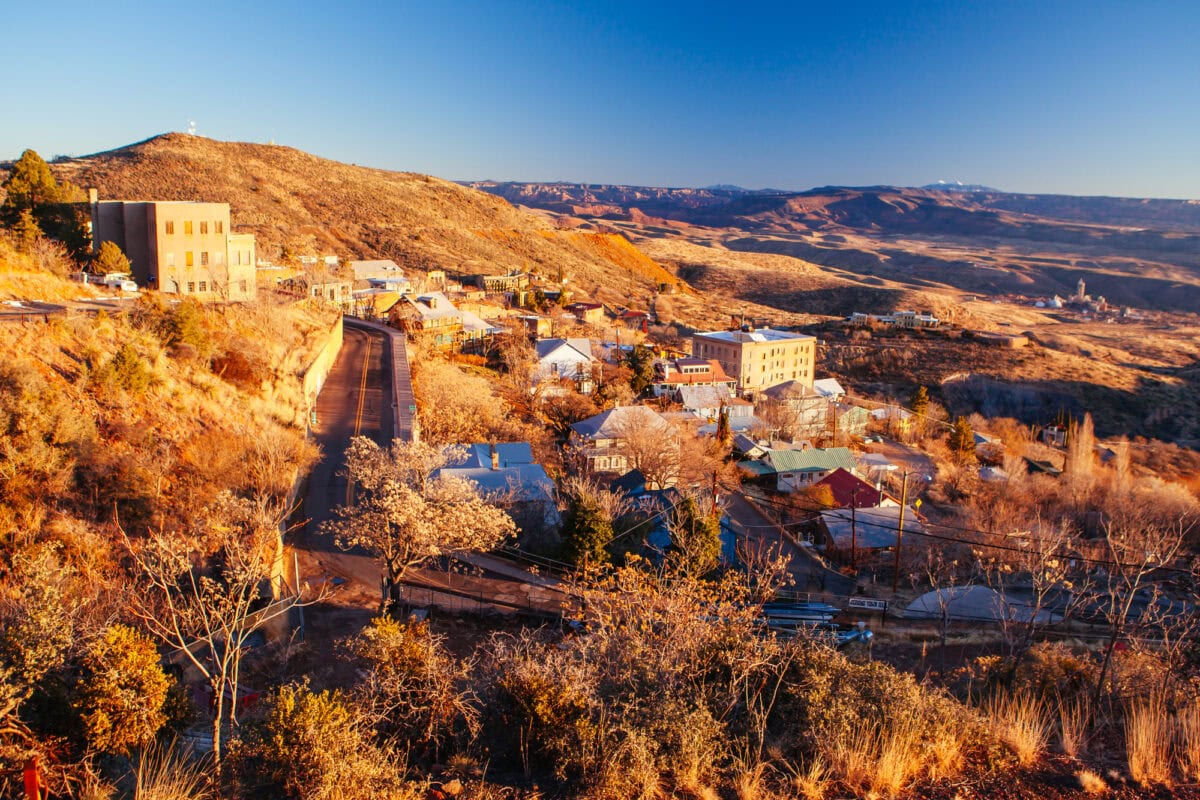
Perched precariously on the side of Cleopatra Hill in Arizona’s Verde Valley, the town of Jerome stands as a striking monument to the volatility of the American frontier. Once a booming copper mining camp that served as the heartbeat of the region’s economy, Jerome has undergone a radical transformation over the past century. Today, it holds the distinction of being the largest ghost town in the United States, a title earned through a dramatic decline in population and the preservation of its architectural heritage. While the town’s streets were once filled with the cacophony of industrial labor and the excesses of a "wicked" frontier settlement, it is now a tranquil yet eccentric haven for artists, historians, and tourists.
The Rise and Fall of a Copper Giant
The history of Jerome is intrinsically linked to the geology of the Black Hills. In 1876, prospectors identified rich copper deposits, leading to the formation of the United Verde Copper Company. By the late 19th and early 20th centuries, Jerome had swelled to a population of approximately 15,000 residents, supported by the massive output of local mines. During its peak, the town was notoriously rowdy, boasting 24 saloons, 18 brothels, and an opium den, earning it the reputation of the "Wickedest Town in the West."
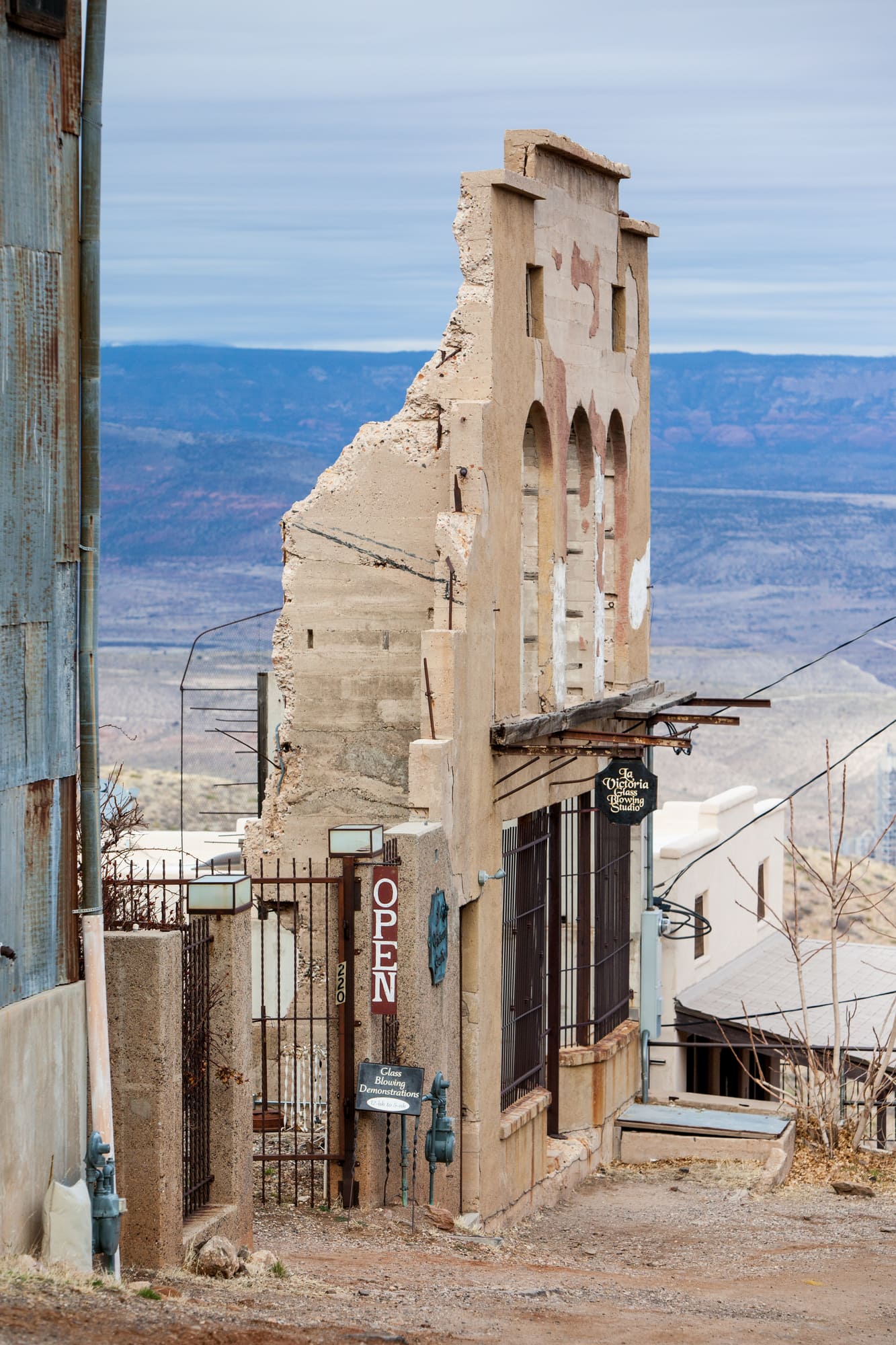
However, the town’s fortune was tied directly to the price of copper and the accessibility of the ore. As global demand fluctuated and the mining operations became less profitable, the industry began to falter. The final, decisive blow came in 1953 when the Phelps Dodge Corporation closed the underground mines. The economic impact was immediate and devastating. The population plummeted from a bustling city to a mere handful of residents, leaving behind a sprawling landscape of abandoned industrial infrastructure and hillside homes.
The Preservation of a National Historic Landmark
For decades, Jerome stood as a literal ghost town, with vacant storefronts and silent mineshafts. It was not until the 1960s that a shift occurred. Artists and preservationists, attracted by the affordable property and the town’s haunting aesthetic, began to relocate to the hillside. This influx of creative energy prevented the town from succumbing to total decay. In 1967, the United States Department of the Interior designated Jerome as a National Historic Landmark District, a move that codified the protection of over 100 historic structures and cemented its status as a site of national importance.
Exploring the Jerome State Historic Park and the Douglas Mansion
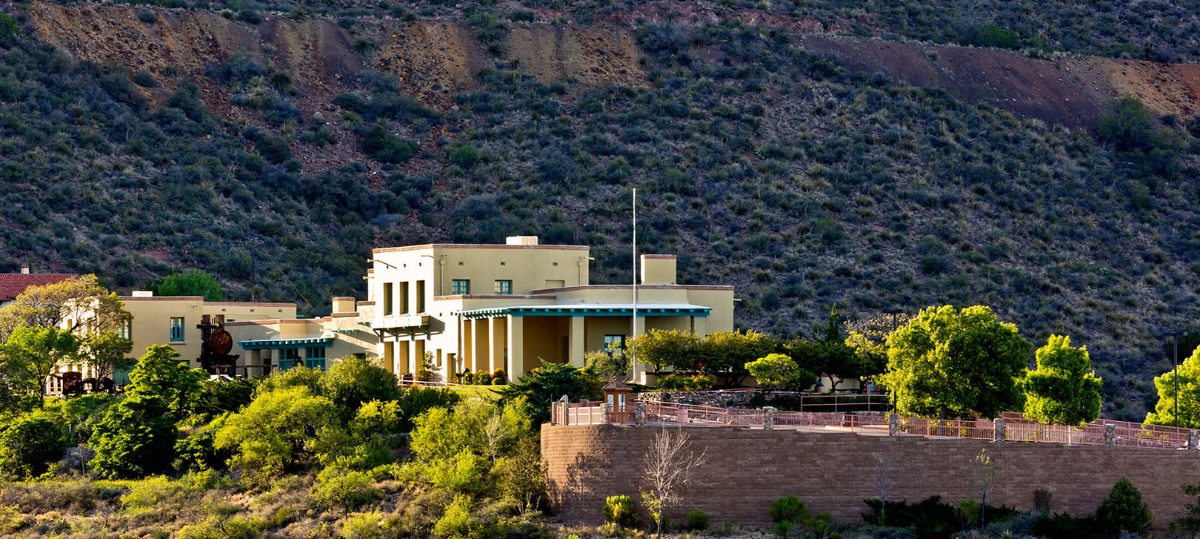
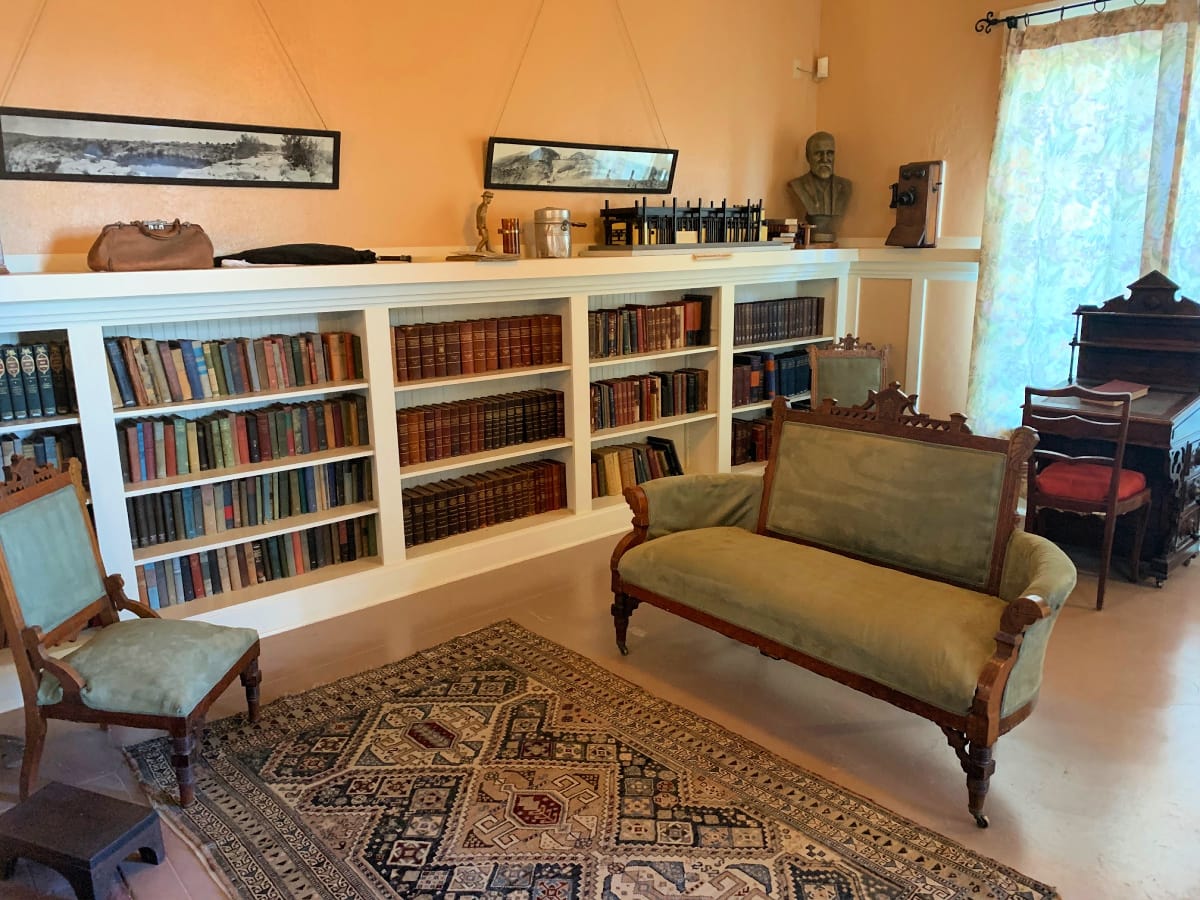
The primary anchor for visitors seeking to understand the town’s industrial legacy is the Jerome State Historic Park. At the center of this park sits the Douglas Mansion, a stately structure built in 1916 by the Douglas family, the primary owners of the local mines. Donated to the state and opened as a museum in 1965, the mansion serves as a repository for the town’s mining history.
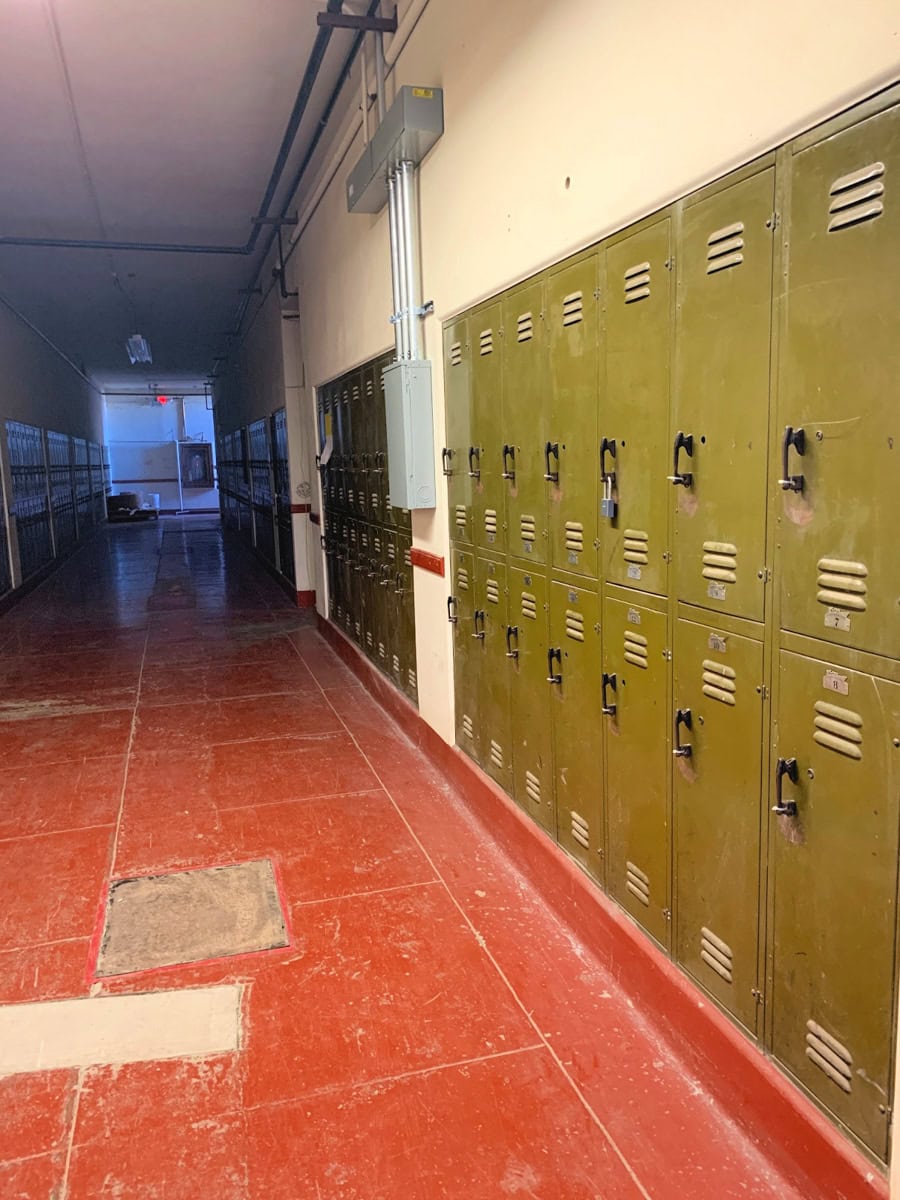
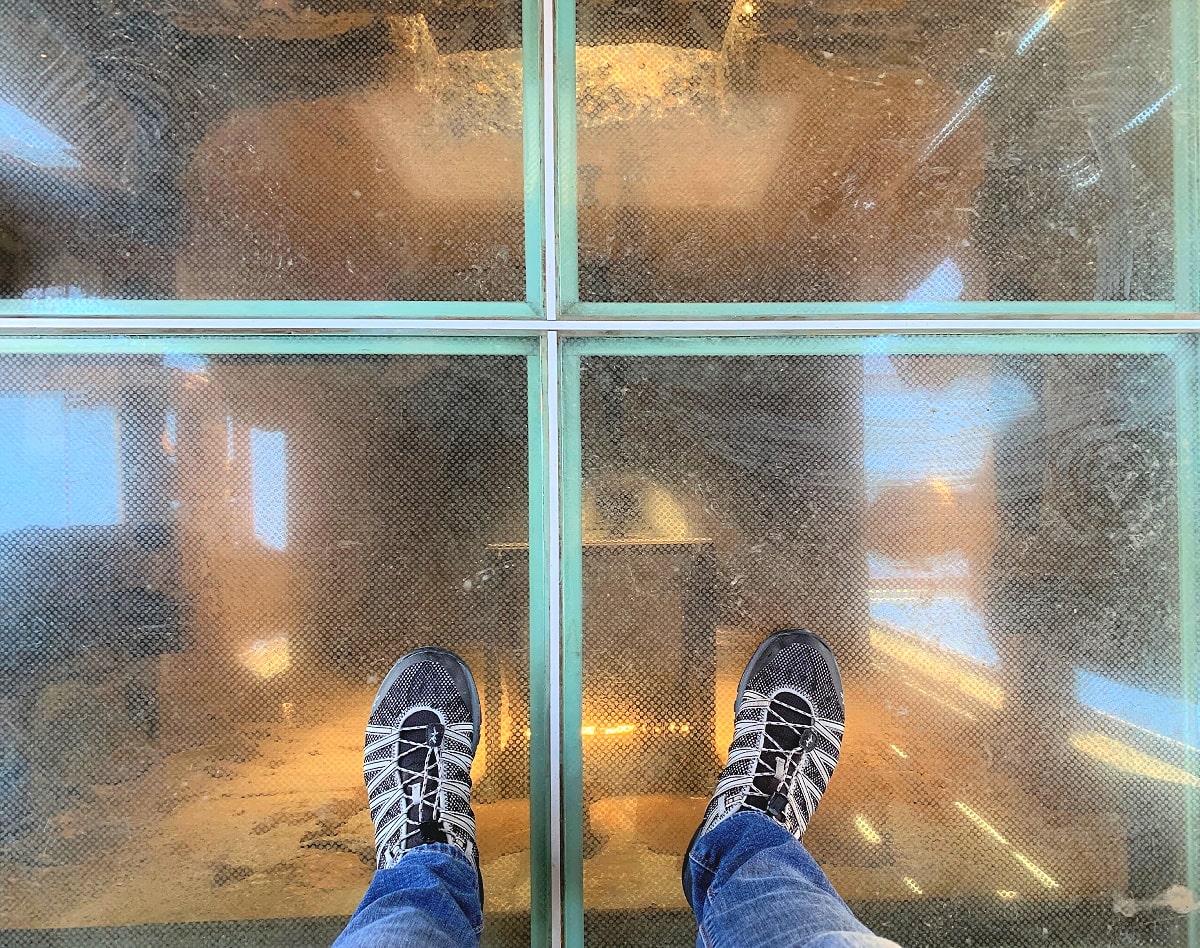
Exhibits within the mansion offer a detailed look at the geology of the area. Visitors can view miniature models that illustrate the "Swiss cheese" complexity of the tunnels that run beneath the town, a feature that contributes to the ongoing geological instability of the hillside. The inclusion of the documentary film "A Ghost Town Tour of Jerome, Arizona" provides an educational narrative that contextualizes the harsh reality of mining life in the early 1900s.
The Engineering Feats and Geological Perils
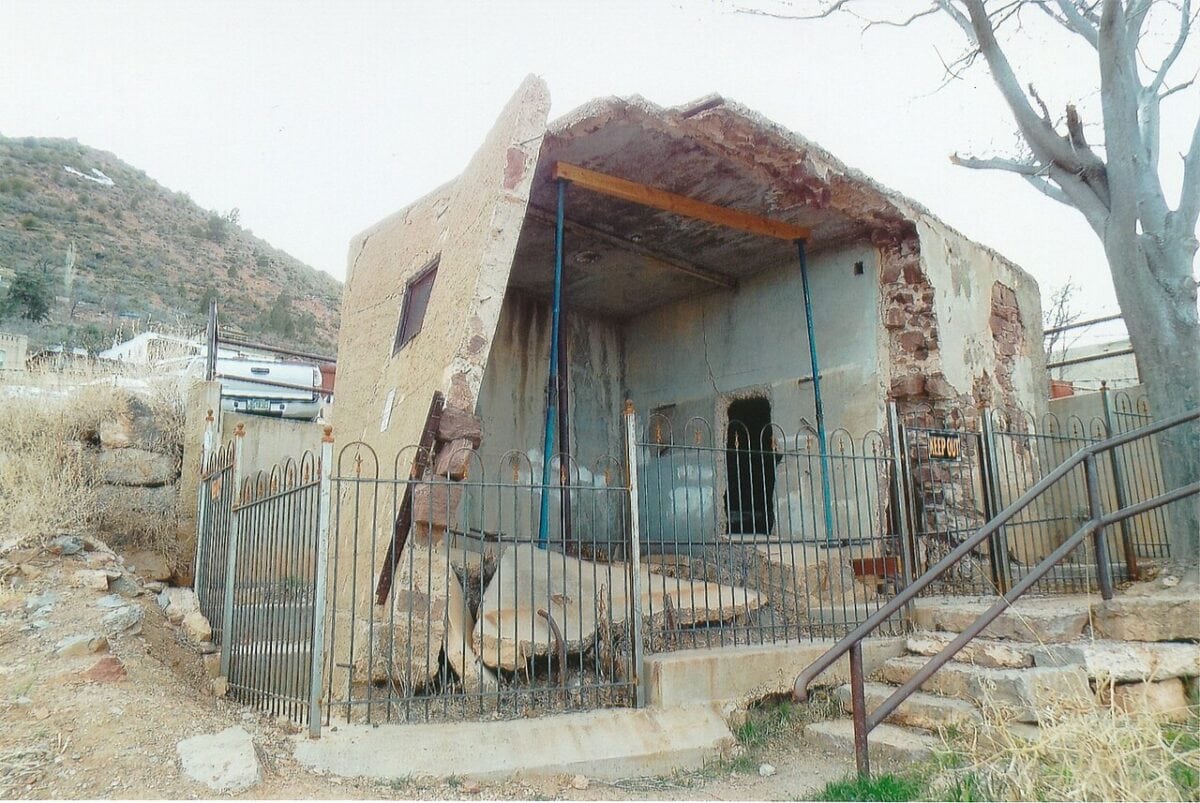
The geography of Jerome presents a constant battle between human development and natural shifts. Because the town was built on the steep slopes of the Verde Fault, it is subject to frequent landslides and ground movement. The most iconic example of this struggle is the "Sliding Jail." In 1938, following a significant underground blast, the town’s concrete jail began a slow, involuntary migration downhill. It eventually came to rest 225 feet from its original foundation. Today, the structure remains as a physical testament to the unpredictable nature of the terrain. Local authorities have implemented various stabilization measures, including retaining walls, to prevent further damage to the historic district.
Cultural and Artistic Revitalization
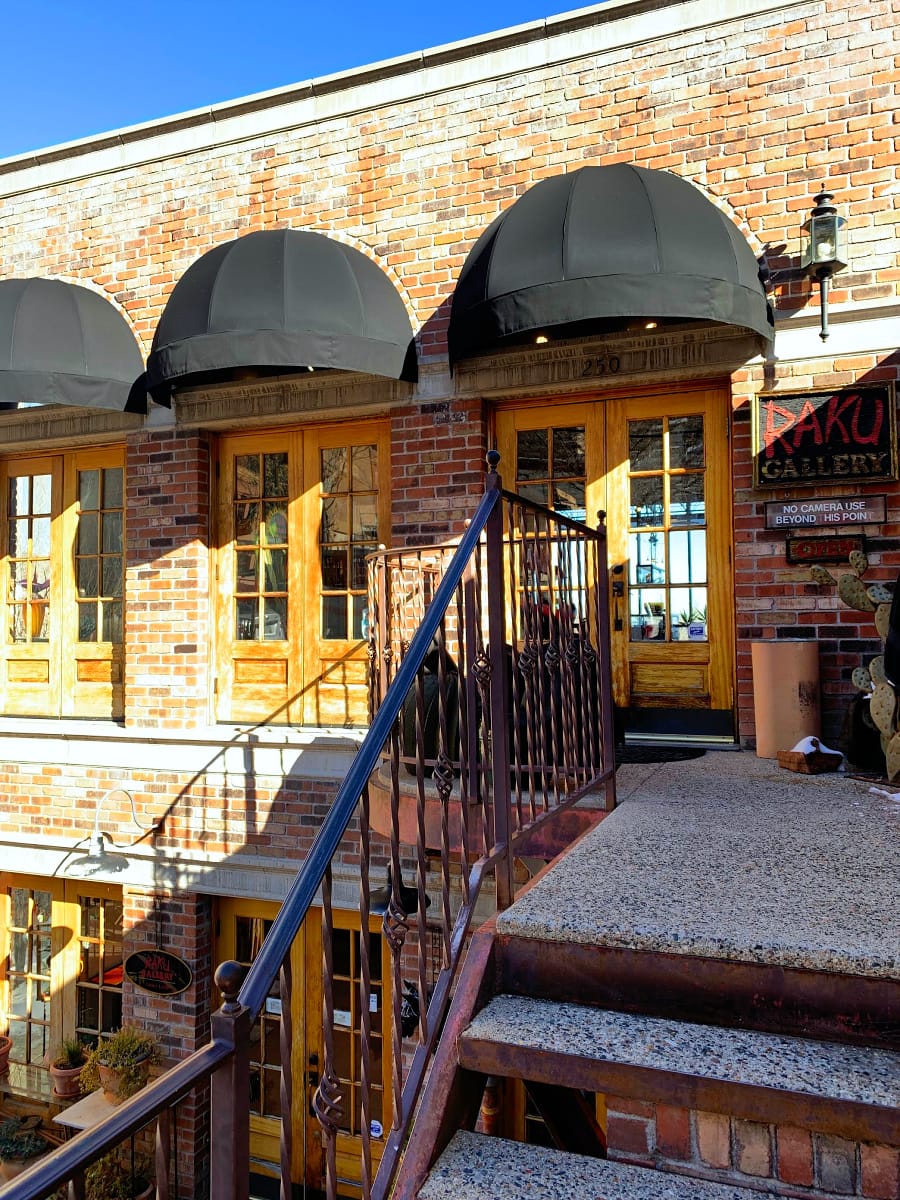
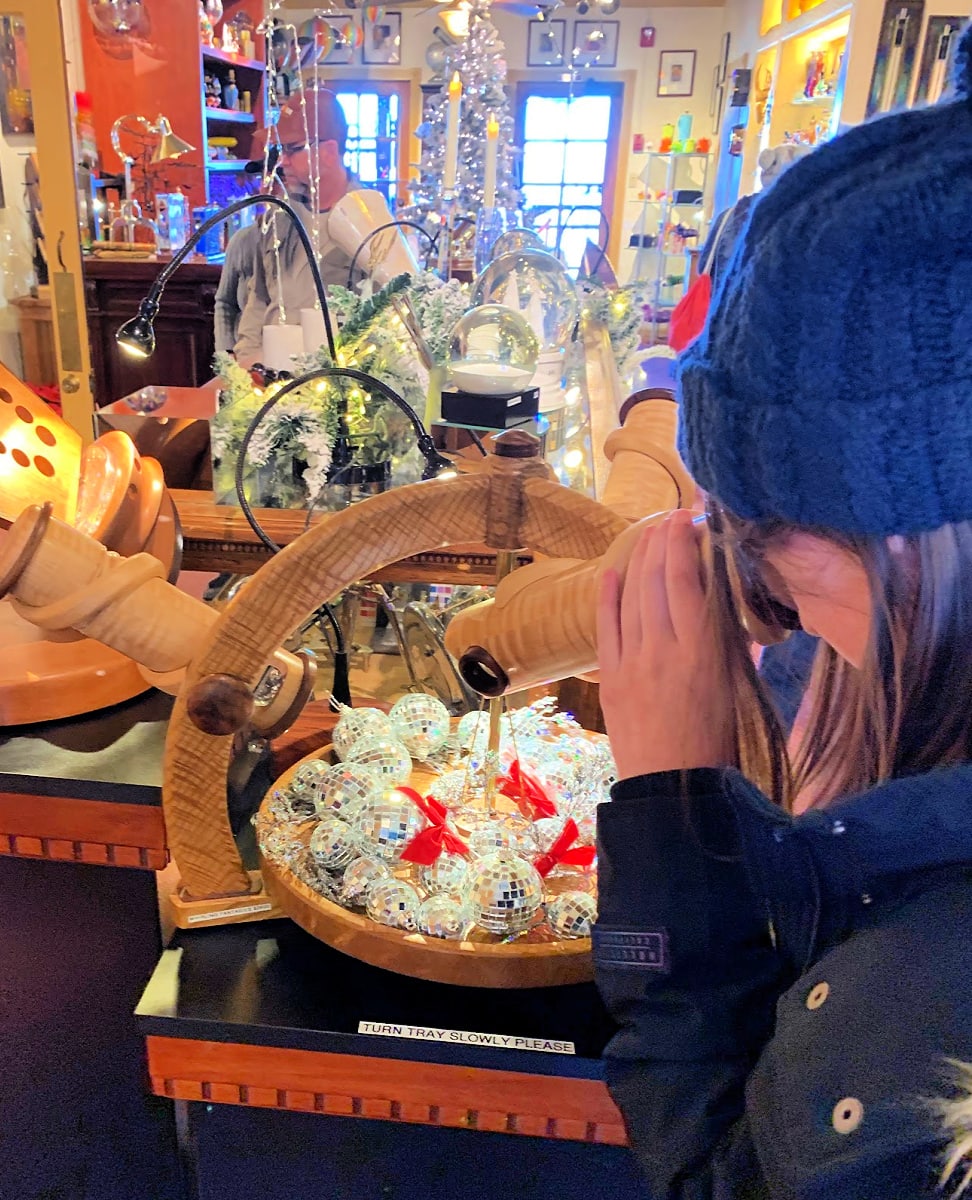
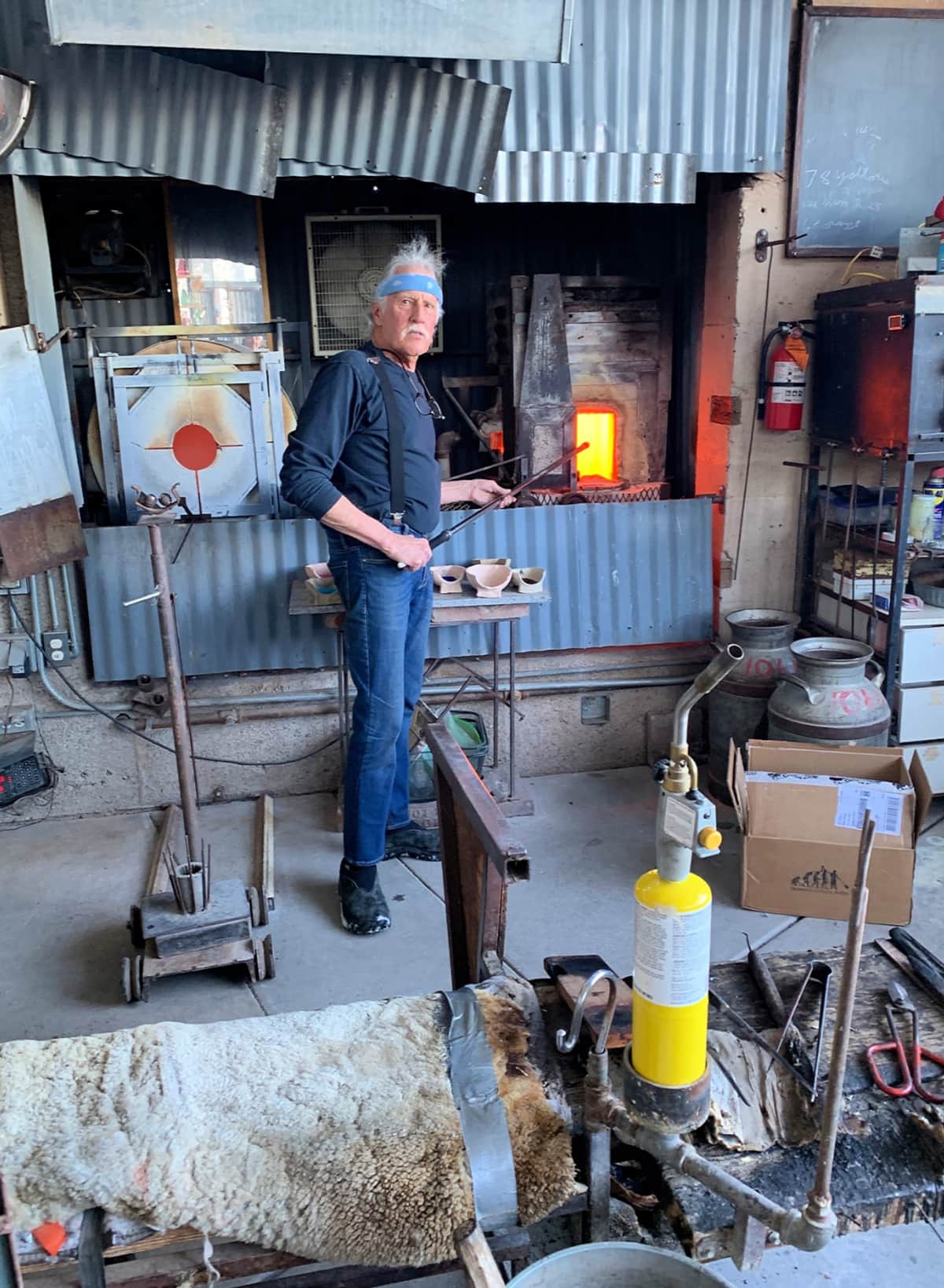
The modern economy of Jerome is driven by tourism and the arts. The town is currently home to roughly 500 residents, many of whom are artisans operating independent studios and galleries. This concentration of creative talent is most visible during the "First Saturday Jerome Artwalk," a monthly event where galleries stay open late, hosting live music and wine tastings. This event serves as an economic engine, drawing thousands of visitors annually and providing a platform for local creators to showcase their work, ranging from pottery and metalwork to high-end jewelry.
The Intersection of History and Commerce
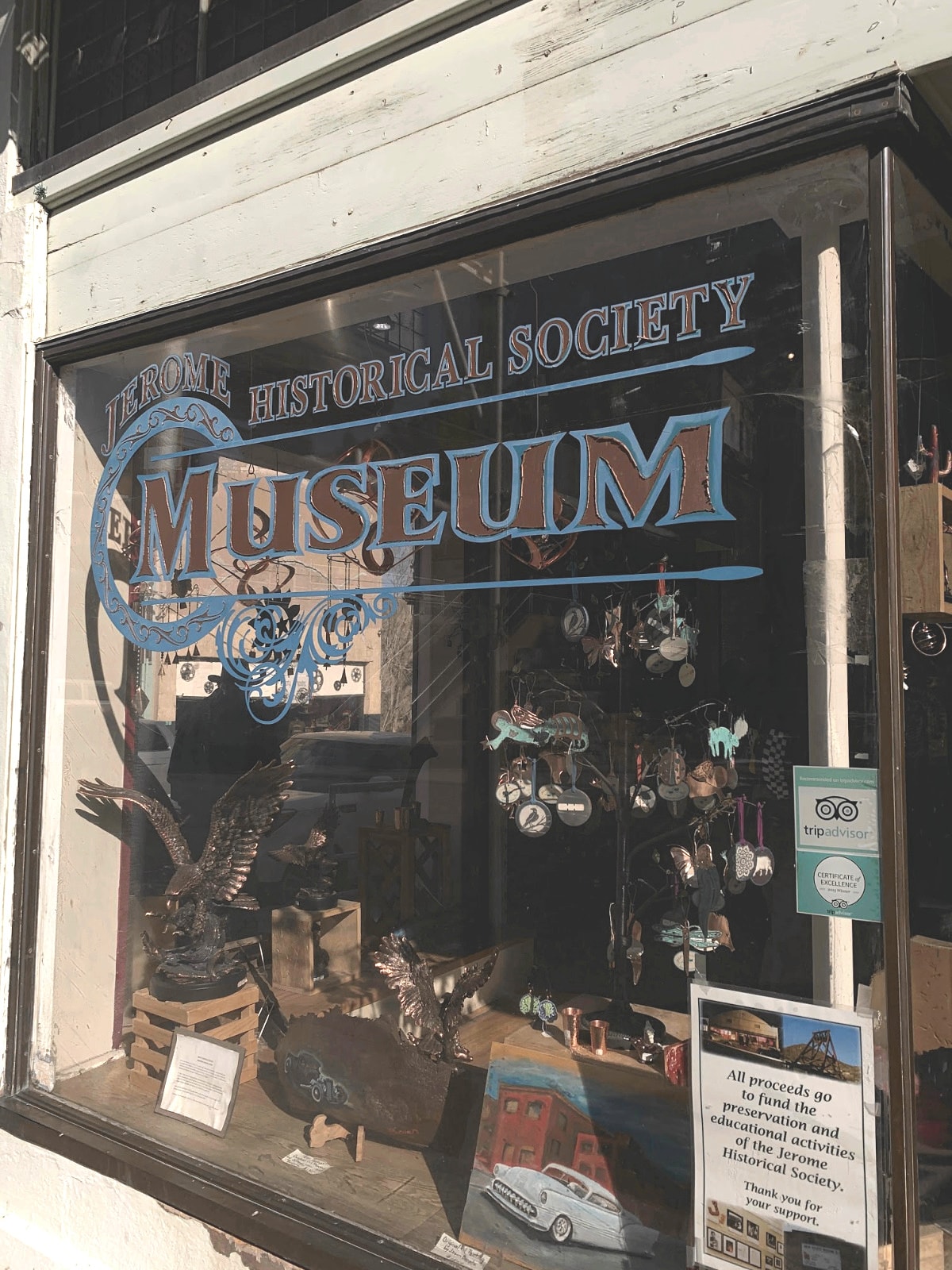
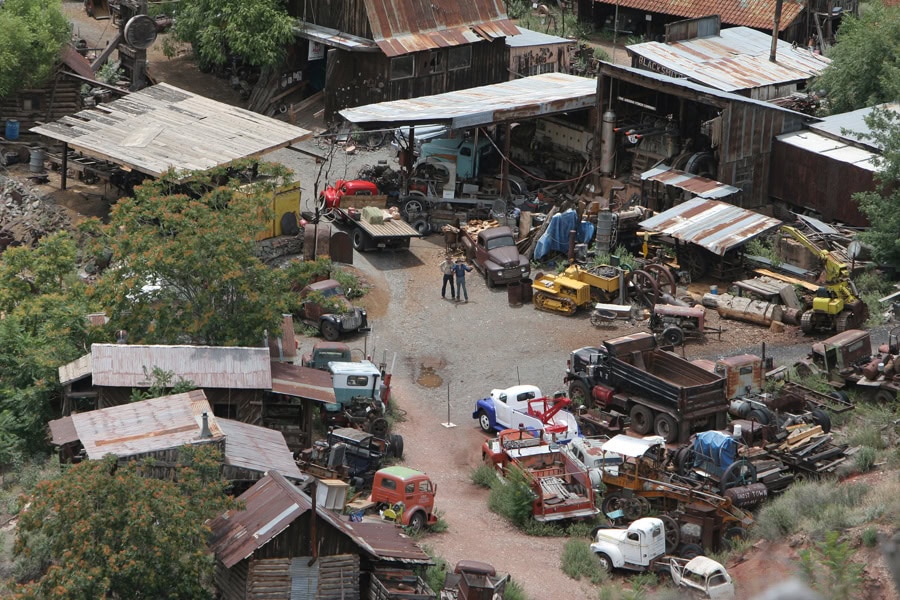
The town’s commercial district has successfully repurposed historical buildings to cater to a modern audience. The Jerome Historical Society Mine Museum, located on Main Street, provides a more granular look at the town’s artifacts, including miners’ tools and remnants from the era of the saloons. Meanwhile, the Gold King Mine Museum in the nearby Haynes settlement offers a more rugged experience. With a collection of over 100 vintage vehicles and a working sawmill, it provides a tactile connection to the mechanical ingenuity of the early 20th century.
Culinary tourism has also become a cornerstone of the Jerome experience. Restaurants such as the Haunted Hamburger and Bobby D’s BBQ utilize the town’s ghost-story reputation to create an immersive dining environment. Bobby D’s, housed in a building originally established in 1899 as the "English Kitchen," is a prime example of historical adaptive reuse. While the original business catered to Chinese American miners and served as a cultural hub, the current establishment honors the site’s history while providing contemporary dining options for visitors.
Hospitality and the "Ghost" Economy
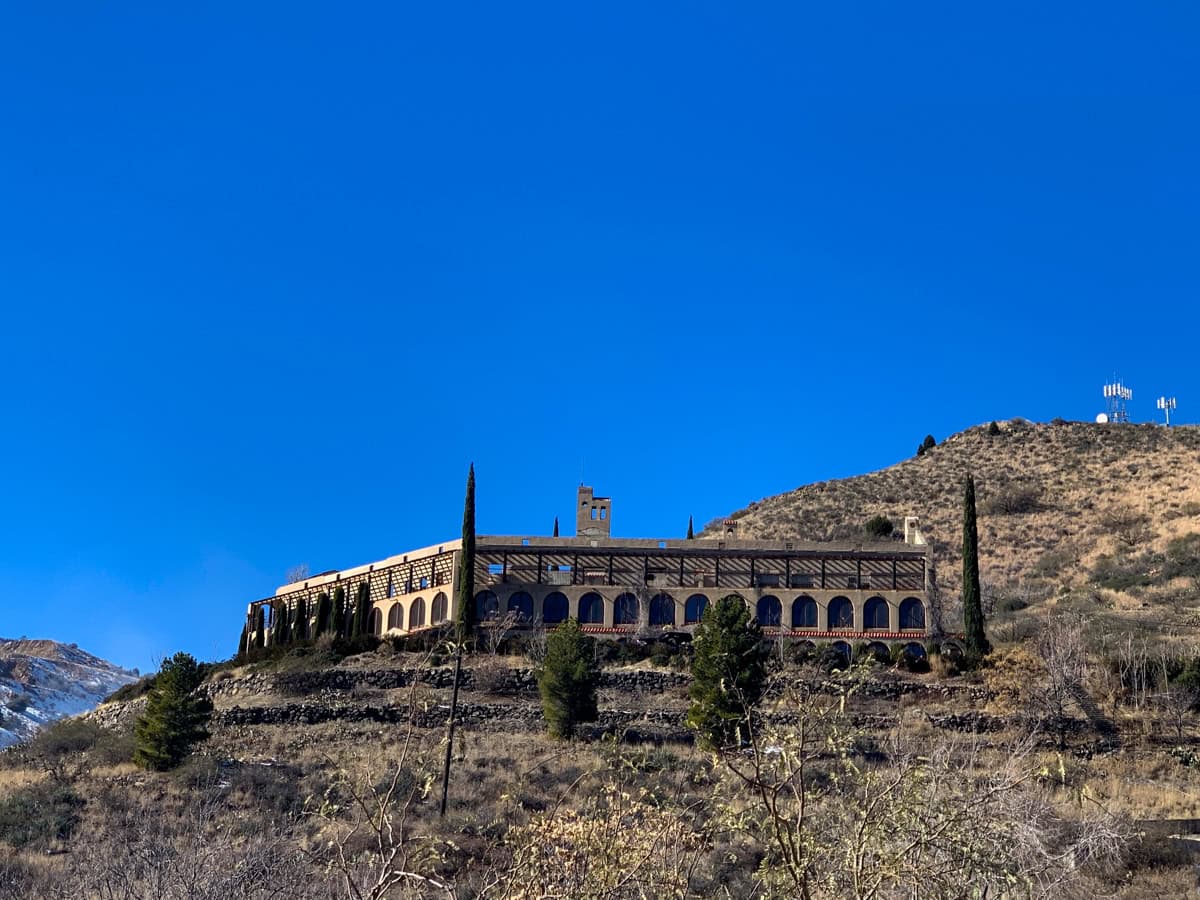
Accommodation in Jerome reflects its history. Rather than modern hotel chains, visitors find themselves in renovated historic structures. The Jerome Grand Hotel, once the United Verde Hospital, is the largest accommodation in the area. Built in 1927, the facility sat vacant for decades before its conversion into a hotel in 1996. It is now a focal point for "paranormal tourism," a growing sector of the travel industry that capitalizes on reports of supernatural activity. Similarly, the Connor Hotel, rebuilt after two fires in the late 1890s, serves as a center for nightlife due to the presence of the Spirit Room, a historic venue known for live performances.
Broader Economic and Environmental Implications
The transition of Jerome from a resource-extraction economy to a tourism-based economy provides a case study in rural revitalization. The reliance on tourism, however, brings its own set of challenges. Parking and infrastructure limitations in the narrow, steep streets of the town require constant management by local authorities. Furthermore, the environmental impact of maintaining these historic structures in a geologically active zone requires ongoing investment and collaboration between the private sector and state conservationists.
Strategic Planning for Future Visitors
For those planning to visit, logistical preparation is essential. Due to the limited space and popularity of the town, weekend visits often result in significant parking congestion. The town’s public lots, while accessible, fill rapidly. Travelers are encouraged to visit during the spring or fall, when temperatures are moderate, as the elevation makes for cooler, sometimes snowy, winters and pleasant summers.
Jerome’s survival as a functioning community, rather than a decaying ruin, is the result of intentional public policy and individual initiative. By leveraging its history—both the mining industry that created it and the "wicked" reputation that defined it—Jerome has secured its place as a significant destination in the Arizona tourism landscape. Whether one is drawn by the geological curiosity of the Sliding Jail, the artistic output of its resident painters and sculptors, or the somber reflection of its mining past, Jerome remains a unique intersection of American history and contemporary resilience.