The Architectural and Ecological Significance of the Town of 1770 LARC Tours in Queensland’s Southern Great Barrier Reef Region

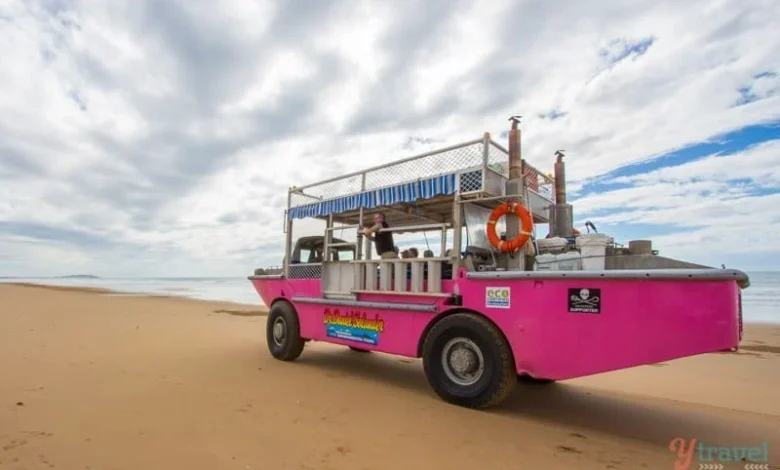
The Town of 1770, situated on the central coast of Queensland, represents a unique intersection of Australian colonial history, Indigenous heritage, and specialized maritime engineering. Recognized as the site of Lieutenant James Cook’s second landing on the Australian continent and his first within the borders of what is now Queensland, the township serves as a critical historical landmark. While the region is a gateway to the Southern Great Barrier Reef, its rugged terrain—characterized by mangrove-fringed estuaries, shifting sandbars, and secluded coastal headlands—presents significant logistical challenges for traditional exploration. To bridge this gap, the local tourism industry has utilized the LARC (Lighter, Amphibious, Resupply, Cargo) vehicle, a military-grade amphibious craft that has become an iconic fixture of the region’s identity and a primary vehicle for ecological and historical education.
Historical Foundations and the Birthplace of Queensland
The nomenclature of the Town of 1770 is derived from the arrival of the HMS Endeavour on May 24, 1770. Lieutenant James Cook, accompanied by botanists Joseph Banks and Daniel Solander, went ashore to collect plant specimens and observe the local landscape. This event marked the first time Europeans set foot in the northern region of Australia’s eastern coastline, leading many historians to refer to the area as the "birthplace of Queensland."
However, the historical narrative of the region extends significantly further back than the 18th century. For thousands of years, the Gooreng Gooreng people served as the traditional custodians of the land. The estuaries and bay provided a rich source of sustenance, and the cultural footprint of the Indigenous population remains an integral part of the area’s heritage. Modern interpretive tours, such as those conducted by 1770 LARC! Tours, emphasize this dual history, juxtaposing the colonial maritime records with the deep-rooted Indigenous connection to the Bustard Bay ecosystem.
Engineering and Utility: The LARC-V Amphibious Vehicle
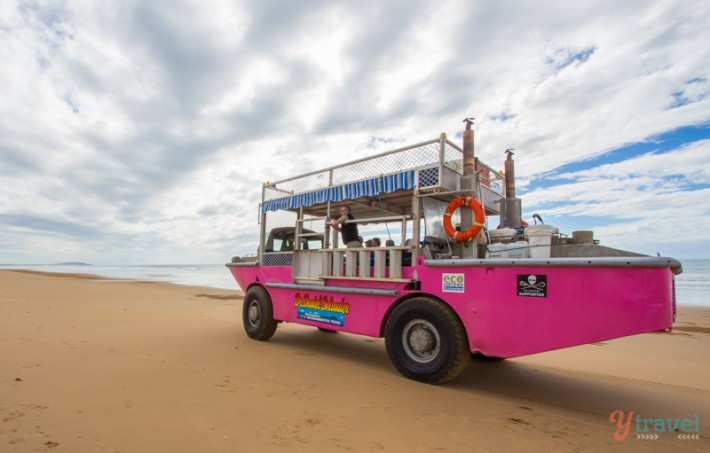
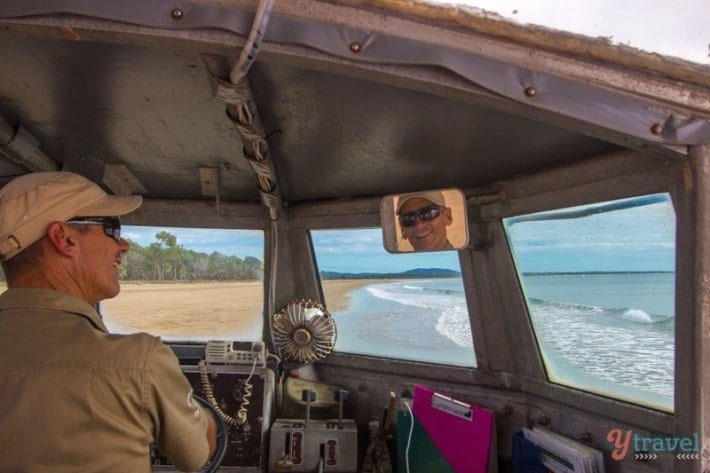
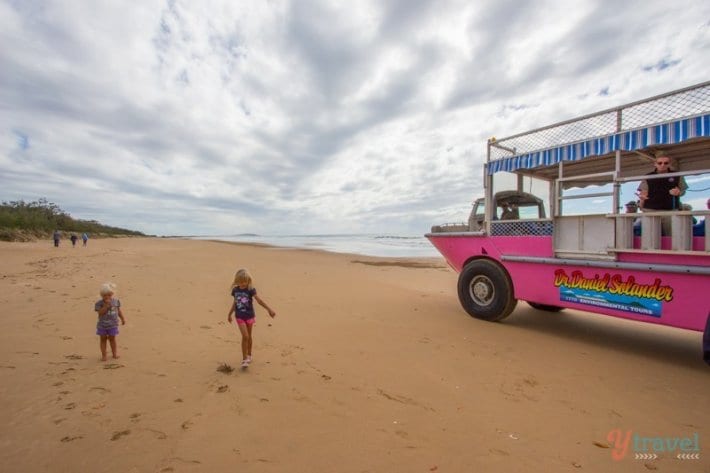
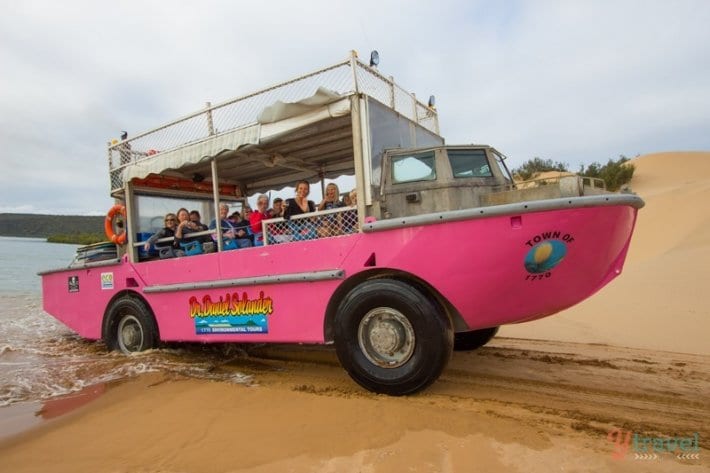
The primary vessel for exploration in this region is the LARC-V (Lighter, Amphibious, Resupply, Cargo, 5-ton), a vehicle originally developed by the United States in the 1950s for military logistics. These vehicles were designed to transport cargo from ships to shore across varied terrain, including surf zones and sandy beaches. The craft features an aluminum hull and is powered by a diesel engine that drives both a propeller for aquatic transit and a four-wheel-drive system for terrestrial movement.
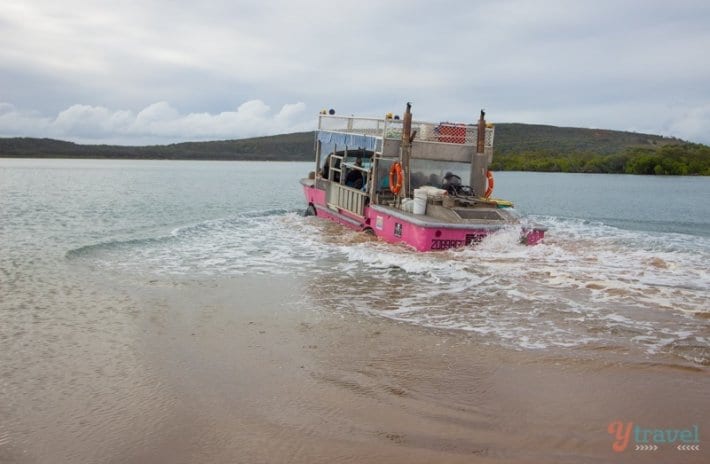
In the context of the Town of 1770, the LARC-V is more than a novelty; it is a necessity. The region’s geography includes vast tidal flats and the Eurimbula National Park, where the lack of paved infrastructure makes standard vehicular travel impossible. The LARC’s ability to transition seamlessly from the waters of Round Hill Creek to the sandy expanses of Bustard Bay allows for a comprehensive exploration of the coastline that would otherwise require multiple specialized vessels and off-road vehicles. Since 1994, 1770 LARC! Tours, founded by Neil Mergard, has operated these vessels, maintaining them as both functional transport and historical artifacts of mid-century engineering.
The Paradise Tour: A Chronological Journey Through the Wilderness
The most comprehensive excursion offered in the region is the full-day "Paradise Tour," which covers approximately 80 kilometers of coastline and focuses on three primary pillars: environmental biodiversity, maritime history, and recreational engagement.
Transit through Eurimbula National Park and Bustard Bay
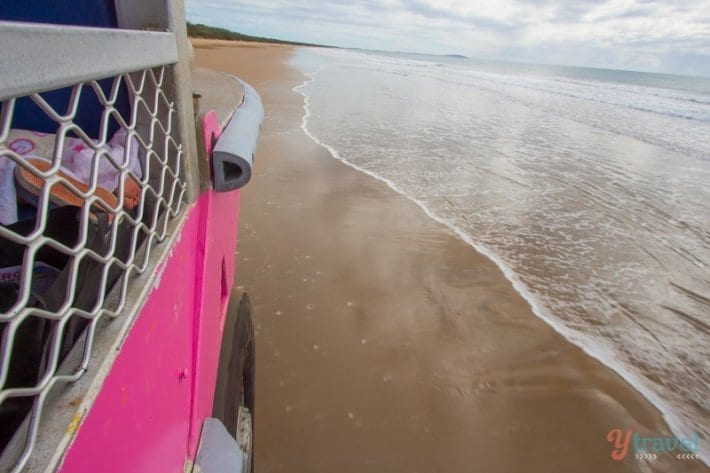
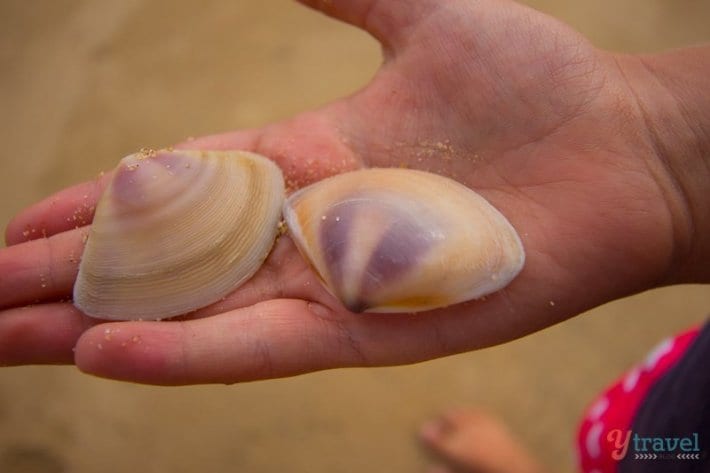
The journey commences at the 1770 Marina, where the LARC enters the water and navigates the sandbars of Round Hill Creek. The route follows the coastline of the Eurimbula National Park, a protected area known for its diverse avian population and marine life. Observations of the "soldier crab" migrations at low tide are a frequent highlight, alongside sightings of brahminy kites, white-bellied sea eagles, and various species of marine turtles. The ecological significance of Bustard Bay is underscored by its status as a nursery for various fish species and its role in the broader health of the Southern Great Barrier Reef ecosystem.
The Bustard Head Lightstation: Queensland’s First Coastal Sentinel
A central stop on the itinerary is the Bustard Head Lightstation, established in 1868. This was the first coastal lighthouse built by the newly formed Queensland government to secure the treacherous shipping lanes of the northern coast. Standing at a height of 18 meters, the lighthouse remains an active navigational aid.

The station is also known as the "Lighthouse of Tragedy" due to a series of documented historical events. These include shipwrecks, disappearances, and several mysterious deaths among the lightkeepers and their families during the 19th and early 20th centuries. One of the most notable cases is the 1887 death of Kate Gibson, the wife of a lightkeeper, whose passing remains a subject of historical debate and local lore.
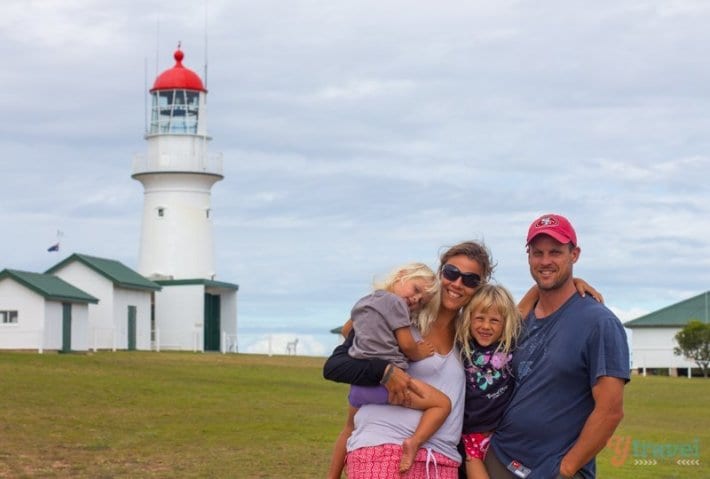
Following the automation of the lighthouse in the 1980s, the site fell into disrepair. However, the Bustard Head Lighthouse Association, led by former keeper Stuart Buchanan and supported by local operators, spearheaded a massive restoration project. Today, the lightkeeper’s cottage serves as a museum, housing memorabilia and offering a window into the isolated, often harrowing lives of those who manned the station.
Middle Island and Sandboarding Logistics
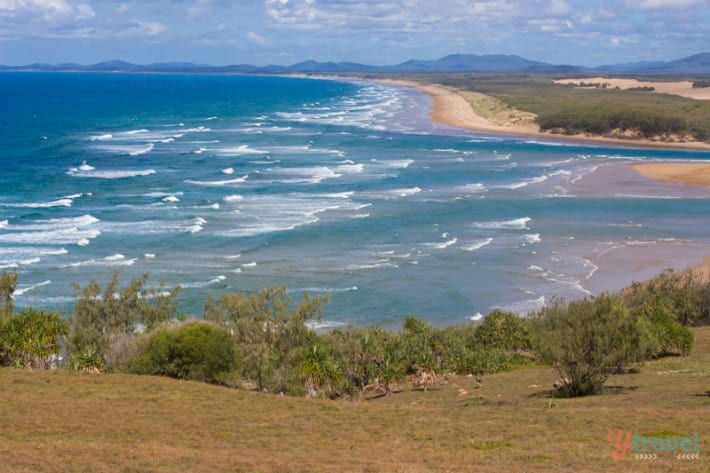
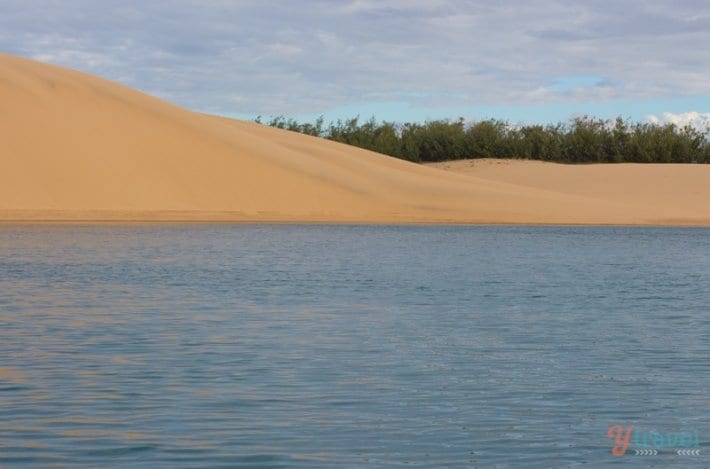
The tour continues across Jenny Lind Creek to the northern tip of Middle Island. This area serves as a site for both historical reflection and physical activity. The island features towering 35-meter sand dunes that provide a unique environment for sandboarding. From a geological perspective, these dunes represent the constant movement of coastal sands driven by wind and tide, forming a dynamic landscape that changes annually.
Regional Economic and Tourism Impact
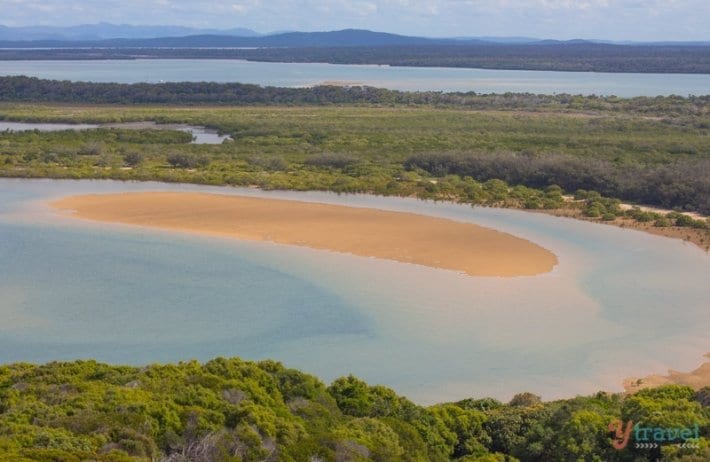
The operation of LARC tours in the Town of 1770 is a significant driver of the local economy for the Gladstone region. By offering a product that combines history, technology, and nature, the tours attract a demographic that ranges from international tourists to domestic families. This diversification is crucial for the resilience of regional tourism in Queensland, which has traditionally relied heavily on direct reef access.

Furthermore, the educational component of these tours aligns with the "eco-tourism" standards promoted by Tourism and Events Queensland (TEQ). By providing guided commentary on the fragility of the mangrove systems and the importance of heritage conservation, the operators foster a sense of environmental stewardship among visitors. This is particularly relevant as the Southern Great Barrier Reef faces ongoing challenges from climate change and human impact; education remains a primary tool in the effort to preserve these ecosystems for future generations.
Chronology of Key Events in the Town of 1770
- Pre-1770: The Gooreng Gooreng people inhabit and manage the coastal region.
- May 24, 1770: Lieutenant James Cook lands the HMS Endeavour at Round Hill Creek, marking the first European landing in Queensland.
- 1868: Bustard Head Lightstation is established to protect maritime trade routes.
- 1880s-1900s: A series of tragedies occur at the lighthouse, leading to its reputation as the "Lighthouse of Tragedy."
- 1986: The Bustard Head Lighthouse is automated, and the resident keepers are withdrawn.
- 1994: 1770 LARC! Tours is established by Neil Mergard, introducing amphibious tourism to the region.
- 2002: The Bustard Head Lighthouse Association is formed to restore the site.
- Present Day: The Town of 1770 remains a premier destination for historical and ecological tourism in the Southern Great Barrier Reef region.
Broader Implications and Future Outlook
The success of the LARC tours in the Town of 1770 highlights the potential for specialized, small-scale tourism to provide high-value experiences without the need for heavy infrastructure development in sensitive areas. As global travel trends shift toward "authentic" and "educational" experiences, the model used in 1770—leveraging historical hardware to explore natural history—serves as a benchmark for other regional destinations.
The preservation of the Bustard Head Lightstation and the continued operation of the LARC vehicles ensure that the narrative of the Town of 1770 remains a living history. It is a reminder of the ingenuity required to navigate the Australian wilderness and the importance of maintaining the link between the past and the present. For the Southern Great Barrier Reef region, these tours are not merely a leisure activity but a vital conduit for cultural and environmental preservation.