Documenting family milestones during international travel has become a significant priority for modern parents, yet the logistics of conducting professional photo sessions with toddlers remain notoriously complex. Balancing the unpredictability of a young child’s temperament with the rigid scheduling requirements of professional photography requires careful planning, strategic timing, and a departure from traditional, static portraiture. By synthesizing experiences from professional travel photographers and industry experts, families can mitigate the stressors inherent in destination photoshoots and achieve high-quality results.

The Evolution of Family Travel Photography
The demand for professional photography in travel destinations has surged over the past decade, fueled by the rise of platforms like Flytographer and Airbnb Experiences. According to market analysis in the travel industry, "vacation photography" is now a robust niche, moving away from the "selfie" culture toward curated, editorial-style imagery. Families increasingly seek to capture authentic moments—toddlers exploring cobblestone streets or engaging with local environments—rather than stiff, posed portraits. This shift reflects a broader consumer preference for experiential travel memories over traditional, posed studio photography.
Chronology of a Successful Session
A successful photoshoot with a toddler is rarely the result of spontaneity; it is the product of a well-executed timeline. Professional photographers generally advocate for a three-phase approach:

- Preparation (48 Hours Pre-Shoot): This involves acclimating the child to the photographer’s presence, selecting comfortable clothing that allows for movement, and ensuring that the child’s sleep schedule is respected leading up to the session.
- The Golden Hour Window (Execution): Scheduling the session during the "golden hour"—the hour after sunrise or before sunset—is critical. Not only does this provide soft, flattering light, but it also aligns with periods when toddlers are typically more rested and cooperative.
- Post-Session Decompression: Experts emphasize that the session should conclude before the child reaches a point of physical exhaustion or frustration, ensuring the final images reflect genuine joy rather than forced compliance.
Strategic Timing and Environmental Factors
Professional photographers consistently identify the morning hours as the optimal window for toddler photography. Research into childhood behavioral patterns suggests that toddlers are significantly more alert and emotionally regulated in the morning compared to late afternoon, when fatigue sets in. Furthermore, from a technical perspective, morning sessions avoid the harsh, high-contrast lighting of midday, which often results in unflattering shadows and excessive glare in outdoor environments.
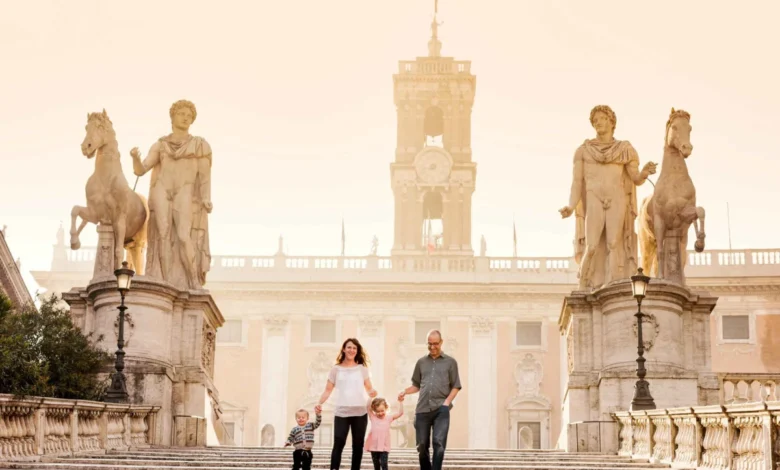
Beyond lighting, timing serves a secondary purpose: crowd management. In popular tourist destinations such as Rome or Paris, popular landmarks become congested by mid-morning. By scheduling a session at dawn, photographers can secure "empty" backdrops, which provides a clean, cinematic aesthetic that is nearly impossible to achieve during peak tourist hours.

Technical and Logistic Considerations for Parents
The logistics of a photoshoot extend beyond mere scheduling. Industry professionals recommend a "layering" approach to wardrobe. Toddlers are prone to spills and accidents; having an easily accessible, secondary outfit allows for immediate adjustments without the need to cancel or postpone a session. This flexibility also provides a variety of looks, enabling the photographer to capture both formal and candid, playful imagery within the same hour-long window.
Furthermore, the integration of "lures"—favored snacks or small, silent toys—serves as a critical psychological tool. These items should be familiar to the child, providing a sense of security and comfort. Experienced photographers advise that the goal is not to force the child to look at the camera for the duration of the hour, but rather to facilitate natural interactions between the child and their parents, with the camera acting as an unobtrusive observer.

The Role of Professional Guidance
The decision to hire a local professional photographer in a foreign country offers several distinct advantages over relying on bystanders or self-timed equipment. Professional photographers possess localized knowledge of lighting, crowd flow, and "hidden" locations that are not typically frequented by tourists.
Professional photographers Jake and Dannie, who have consulted on travel-photography best practices, note that the most effective sessions are those that prioritize the child’s autonomy. By allowing the toddler to lead the way—whether that means inspecting a wall or interacting with a local animal—photographers can capture genuine expressions of wonder. This "lifestyle" photography approach results in images that are not just technically sound, but emotionally resonant.

Data-Driven Insights on Family Travel Trends
Data from major photography booking platforms indicates that families who book professional sessions tend to report higher levels of satisfaction with their travel documentation. Surveys suggest that 78% of parents who utilized professional services during international trips felt that the photos provided a lasting, tangible connection to the experience that their own phone-based photography failed to capture.
Moreover, the financial investment in professional photography is increasingly viewed as a standard travel expense, comparable to guided tours or curated excursions. With the average cost of a one-hour session ranging from $250 to $500 depending on the destination, it is categorized as a "high-value memory investment."

Addressing the Challenges of Toddler Behavior
One of the most persistent hurdles in family photography is the management of emotional outbursts. Industry consensus on this matter is clear: the energy of the parents dictates the mood of the session. If parents exhibit anxiety regarding the child’s behavior, the child will mirror that stress.
Effective communication is essential. Before the session, parents are encouraged to frame the experience as an adventure or a game rather than a formal commitment. During the session, photographers often employ "distraction" techniques—asking the parents to play tag, sing songs, or engage in active play—to redirect a toddler’s focus. By shifting the perspective from "performing for the camera" to "engaging as a family," the likelihood of a successful, stress-free outcome increases exponentially.

Broader Implications and Long-Term Value
The shift toward professionalizing vacation memories has profound implications for the travel industry. As more families seek to document their journeys, destinations are adapting by offering "photography-friendly" routes and experiences. This trend has also influenced the way families plan their itineraries; rather than packing every hour with sightseeing, they are building in "slow travel" days specifically to accommodate photography sessions.
Ultimately, the goal of a family photoshoot is not the perfection of the image, but the preservation of the narrative. In a decade, the minor details of the trip—the specific names of streets or the names of restaurants—may fade, but the captured interaction between parent and child serves as a permanent record of a developmental stage.

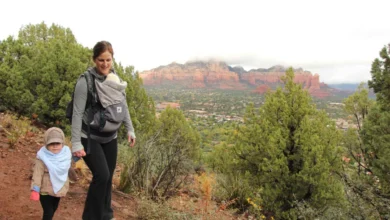
By adhering to professional advice—prioritizing the child’s comfort, timing sessions for optimal light and mood, and fostering a relaxed environment—families can transform a potentially chaotic event into one of the most rewarding aspects of their travels. The professional expertise provided by photographers who specialize in family dynamics is the final, crucial ingredient in ensuring these fleeting moments are preserved with clarity and artistry. Whether in the heart of Rome or the mountains of Canada, the principles remain constant: prepare well, keep the pace playful, and allow the child’s personality to drive the narrative.