Fes, Morocco’s spiritual and cultural capital, continues to draw international travelers seeking an authentic immersion into one of the world’s best-preserved medieval Islamic cities. Founded in the late 8th century by the Idrisid dynasty, Fes remains a cornerstone of North African heritage, blending architectural mastery, artisanal traditions, and complex urban design. Recent tourism data from late 2026 highlights a sustained surge in cultural tourism to the region, particularly driven by travelers completing cross-country itineraries that transition from the High Atlas Mountains and the Sahara Desert to the ancient lanes of the Fes el-Bali medina.
Urban Architecture and Historical Significance
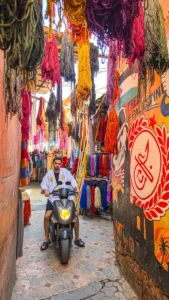
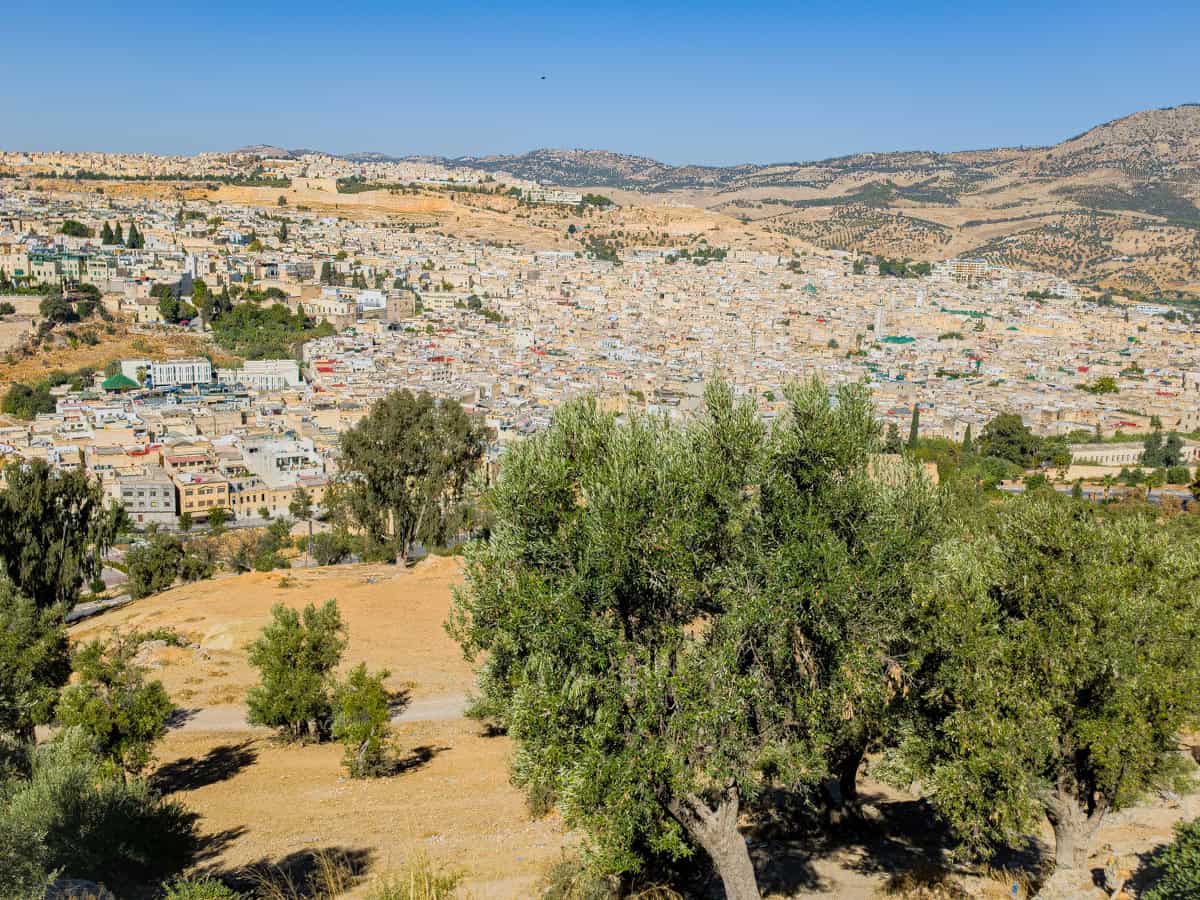
At the heart of the city’s enduring appeal is Fes el-Bali, designated as a UNESCO World Heritage Site in 1981. Encompassing one of the largest contiguous car-free urban areas globally, the medina is characterized by a dense network of thousands of narrow alleyways enclosed by historic ramparts.
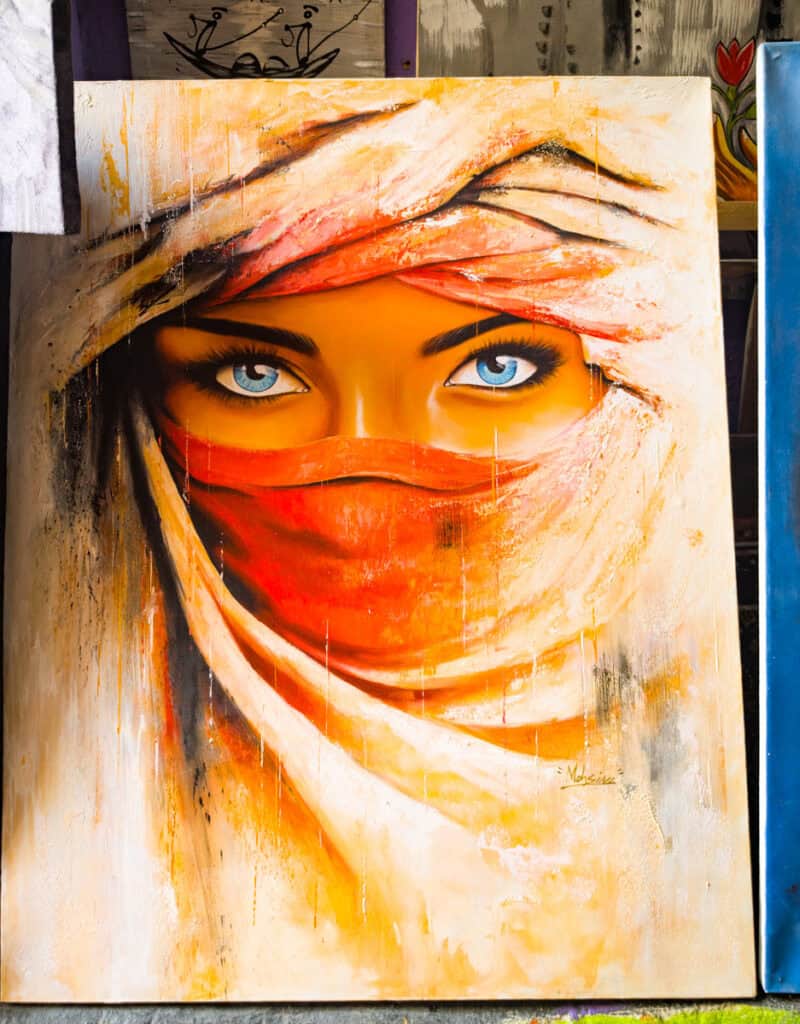
Urban planners and historians note that the city’s layout served a defensive purpose during its founding eras, notably under successive dynasties including the Marinids, who established the royal administrative district of Fes el-Jdid in the 13th century. Key architectural landmarks continue to anchor the tourist and scholarly circuit:
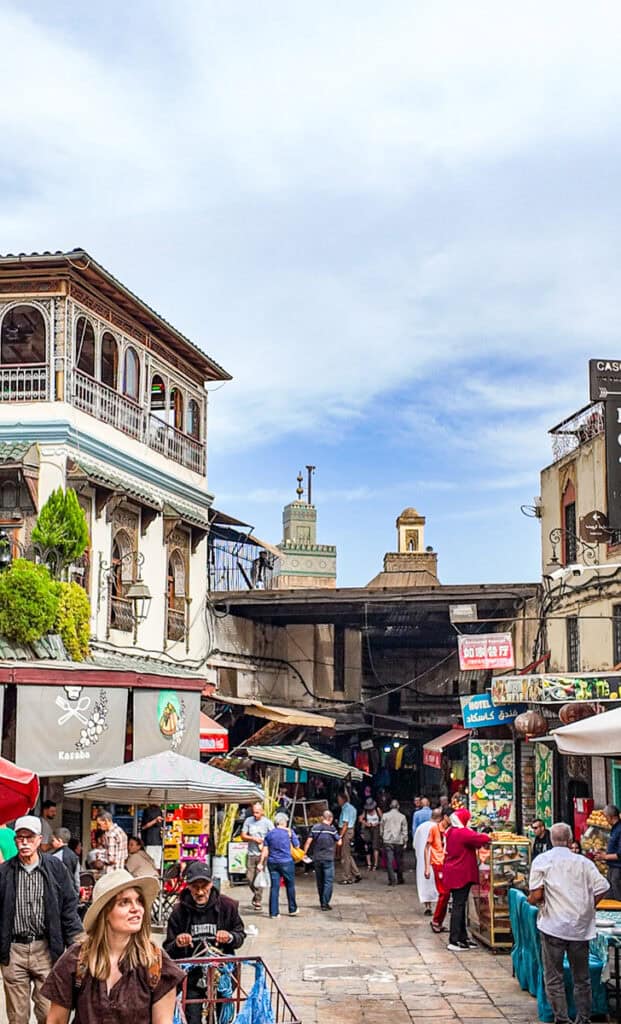
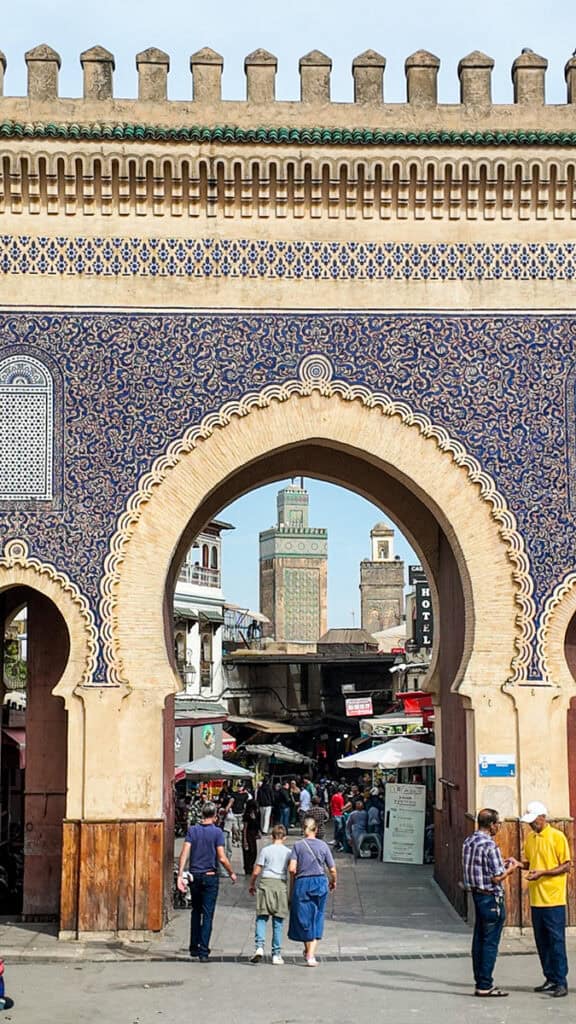
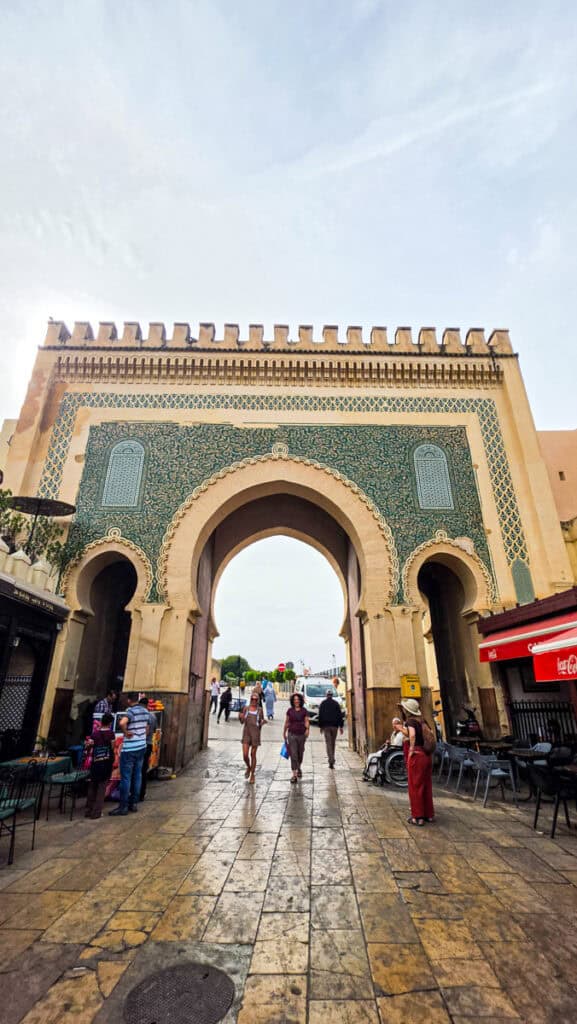
- Bab Bou Jeloud (The Blue Gate): Serving as the primary western gateway to Fes el-Bali, this iconic structure features distinctive blue ceramic tilework facing the exterior and green tilework on the interior, symbolizing Islam. Finished in 1913 during the French Protectorate, it functions as a central navigational waypoint for visitors.
- Al-Qarawiyyin University: Founded around 857–859 CE by Fatima al-Fihri, Al-Qarawiyyin holds the distinction from UNESCO and Guinness World Records as the oldest continually operating university in the world. While non-Muslim visitors are restricted from entering the prayer hall, the intricately tiled courtyards and ancient library remain accessible via visual entry points from the main thoroughfares.
- Chouara Tannery: Operating largely unchanged since the medieval period, the tannery employs traditional methods to process cow, sheep, goat, and camel hides using natural ingredients such as pigeon droppings, quicklime, and botanical dyes including indigo and poppy.
Artisanal Economy and Traditional Craftsmanship
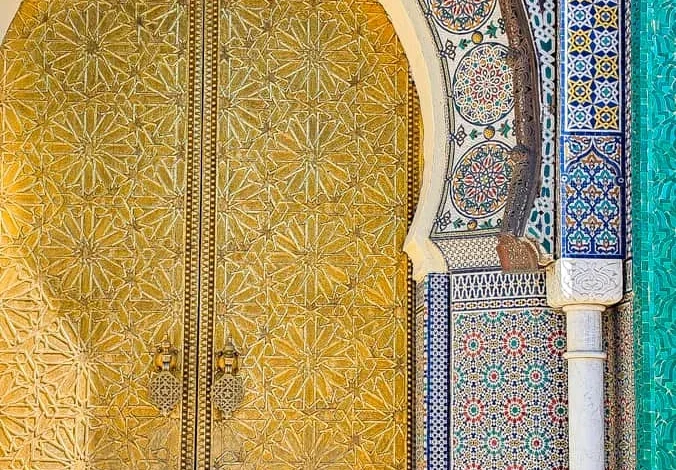
The economic fabric of Fes is heavily reliant on traditional guilds and hand-crafted goods, particularly ceramics, zellige mosaic tilework, and leather production. Workshops located just outside the medina walls, such as Mosaique et Poterie de Fes, offer structured demonstrations and hands-on workshops that preserve techniques passed down through generations.
Local trade associations emphasize the economic importance of ethical manufacturing, noting a distinction between mass-produced souvenirs sold within the interior souks and certified lead-free ceramics produced in regulated workshops. Similarly, the leather trade surrounding the Chouara tannery supports hundreds of local artisans specializing in bespoke garments, footwear, and travel accessories.
Tourism Infrastructure and Modern Logistics
As Fes experiences increased visitor volume, tourism boards and hospitality operators have adapted to meet international standards while preserving historical architecture. Boutique accommodations, known as riads—traditional courtyard houses converted into guesthouses—are concentrated both within the medina and along its immediate perimeter.
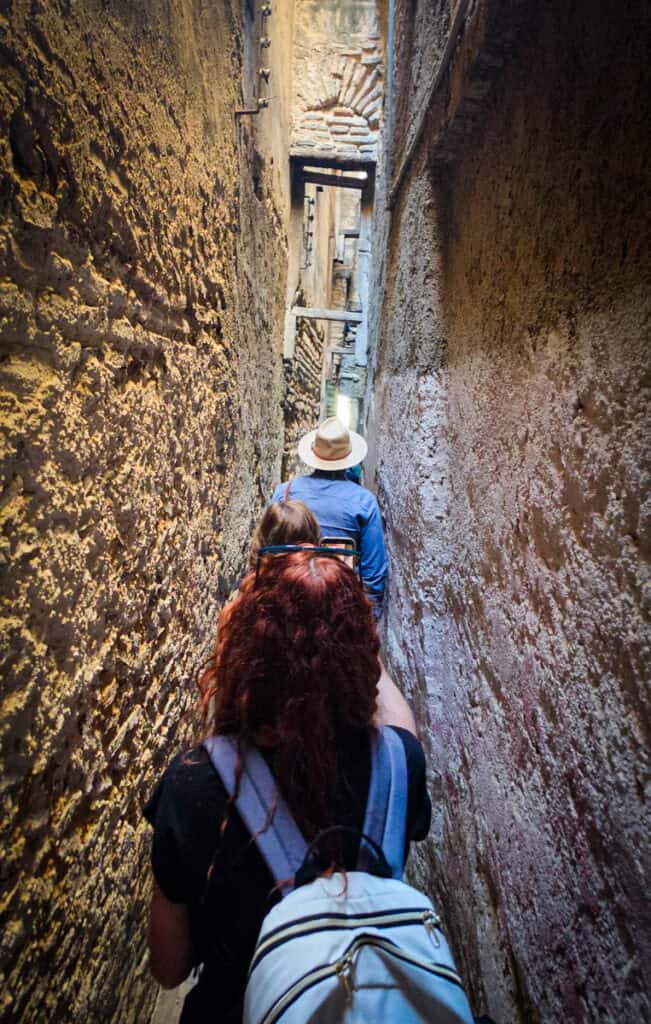
Industry analysts observe a growing preference among travelers for accommodations situated just outside the medina walls. This positioning provides immediate access to the historic core while mitigating logistical challenges associated with vehicular restrictions, luggage transport, and late-night navigation through the complex alleyways.
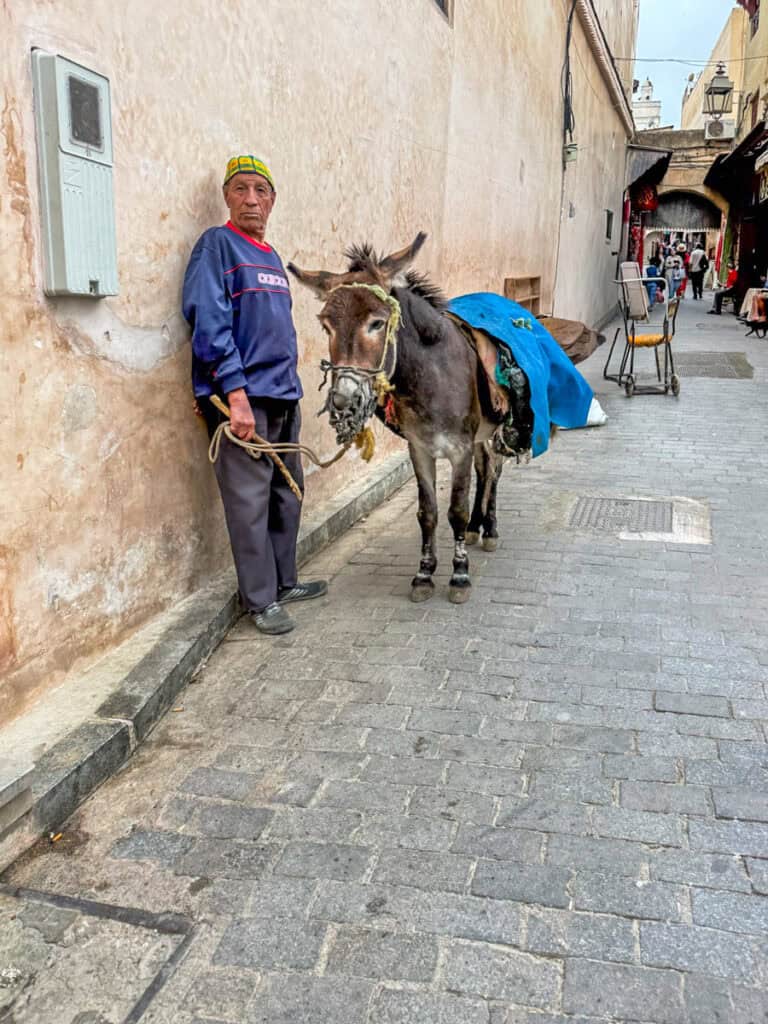
Culinary tourism has likewise expanded, with establishments such as Café Clock and Palais Bab Sahra offering integrated cultural programming, including cooking classes centered on traditional Moroccan tagines, local ingredient sourcing tours, and live musical performances.
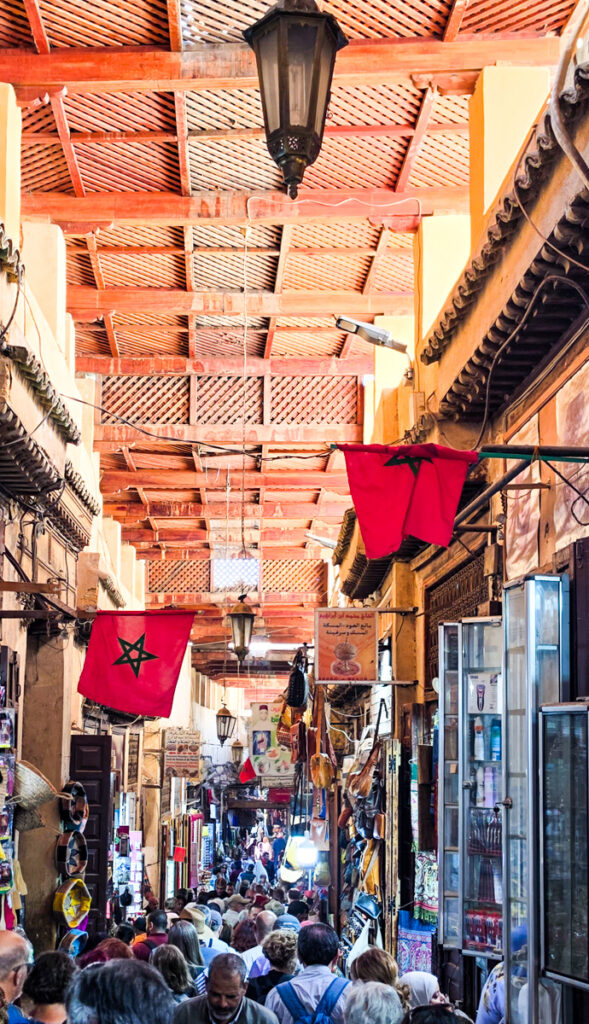
Economic and Cultural Implications
The ongoing revitalization of Fes highlights a broader trend across North Africa: balancing heritage conservation with sustainable economic development. While tourism generates vital revenue for local artisans, municipal authorities and cultural preservationists face the ongoing challenge of protecting structural integrity against high foot traffic and managing informal guiding practices.
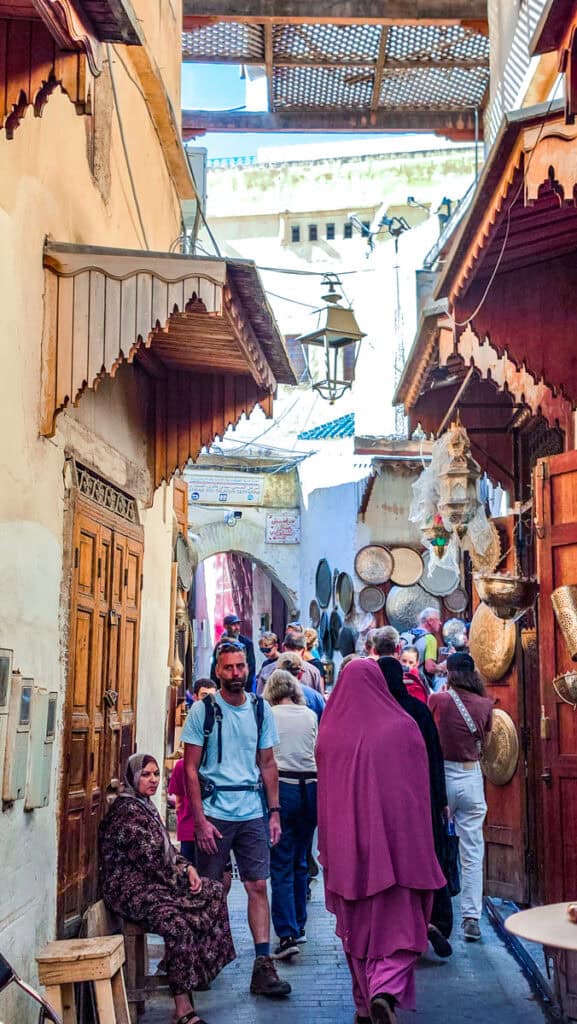
Official tourism bodies continue to advise travelers to utilize licensed guides and verified booking platforms to ensure fair compensation for local workers and maintain safety standards. As Fes solidifies its status as an essential stop on Moroccan itineraries alongside Marrakech, Casablanca, and the Sahara, its blend of living history and dynamic craftsmanship ensures its prominence in the global travel sector.