The northernmost extremity of New Zealand’s South Island harbors a geographic and cultural anomaly that continues to captivate travelers seeking refuge from urban centers: Golden Bay. Anchored by the township of Takaka and bounded by the Abel Tasman National Park and the 26-kilometer expanse of Farewell Spit, this crescent-shaped region presents a striking juxtaposition to the rugged alpine environments typical of Central Otago. While residents of southern locales such Wānaka frequently contend with severe winter frosts and escalating utility costs, Golden Bay offers a temperate microclimate, a thriving independent agricultural sector, and a distinct community ethos rooted in environmental preservation and slow-paced living.

Logistical Challenges and Access Infrastructure
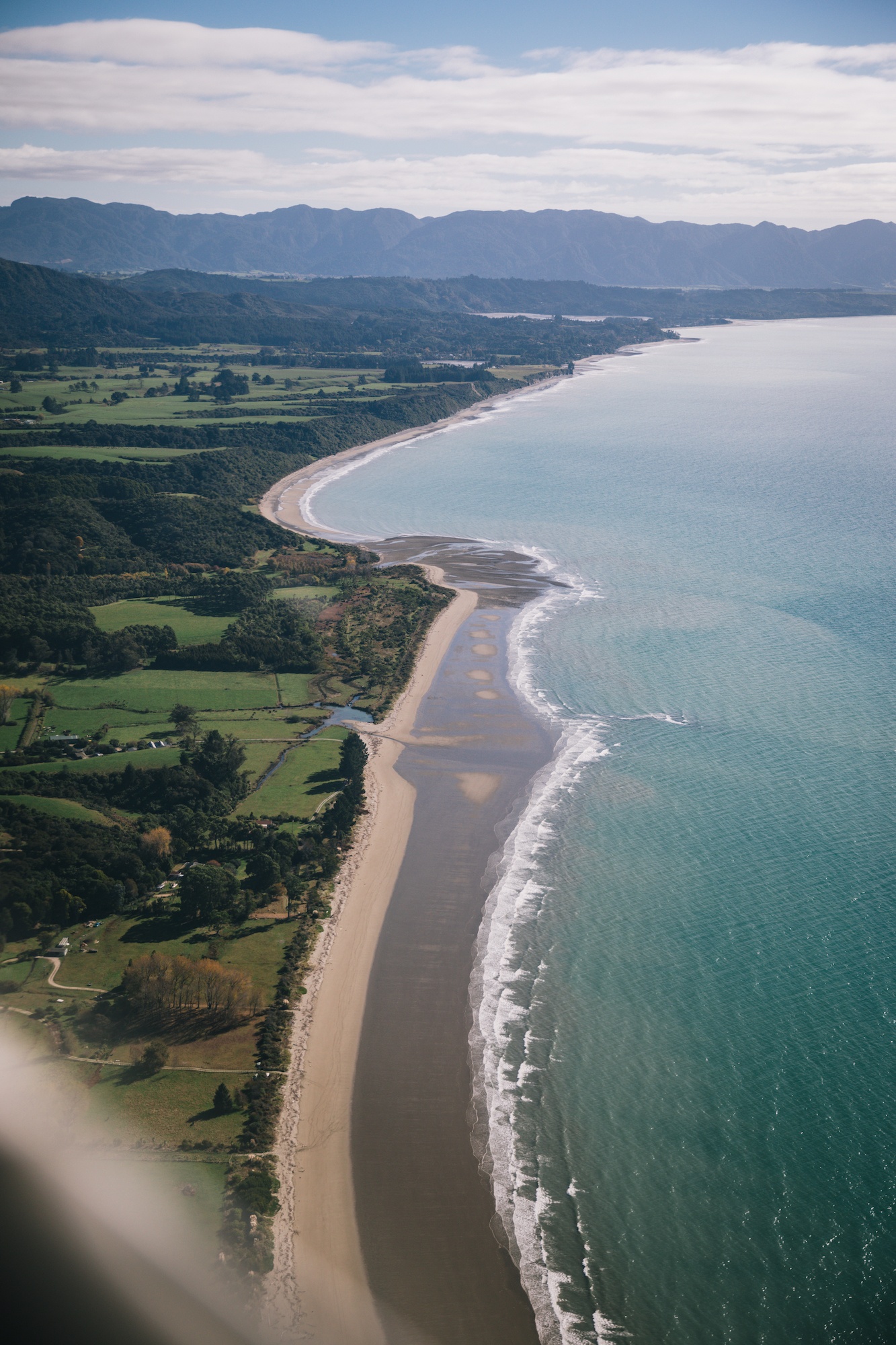
Access to Golden Bay has historically defined its isolated character. Situated at a considerable distance from major South Island hubs, the region is shielded by Takaka Hill, a winding alpine pass characterized by hundreds of sharp gradients and steep drops. For decades, transit across the hill presented commuters and tourists with significant delays, exacerbated by infrastructural damage sustained during severe weather events that necessitated multi-year single-lane traffic management.
Despite these geographic barriers, alternative regional transport networks have developed to streamline movement for visitors transitioning from multi-day wilderness expeditions, such as the Heaphy Track. Regional carriers like Golden Bay Air facilitate critical logistical connections, operating small-aircraft flights and shuttle services that bypass the extensive driving times typically required to navigate the upper South Island. This connectivity allows travelers to transition seamlessly from backcountry trekking to coastal exploration without enduring prolonged overland journeys.

Conservation Significance and Marine Wildlife
Beyond its agricultural abundance and tourism appeal, Golden Bay occupies a focal point in New Zealand’s marine conservation landscape. The geological formation of Farewell Spit—featuring extensive, gently sloping tidal flats adjacent to deep oceanic trenches—renders the area acutely susceptible to mass marine mammal strandings, predominantly involving pilot whales.

Historical records indicate recurring stranding events, including a significant incident seven years ago that involved over 400 whales. These occurrences have prompted sustained intervention by conservation organizations, most notably Project Jonah, alongside independent researchers studying the interplay of tidal extremes and echolocation disruption in the bay. For conservation advocates and local volunteers, these events have fundamentally shaped regional ecological policies, pivoting local awareness toward rigorous marine mammal monitoring and emergency response protocols.

Geological and Ecological Attractions
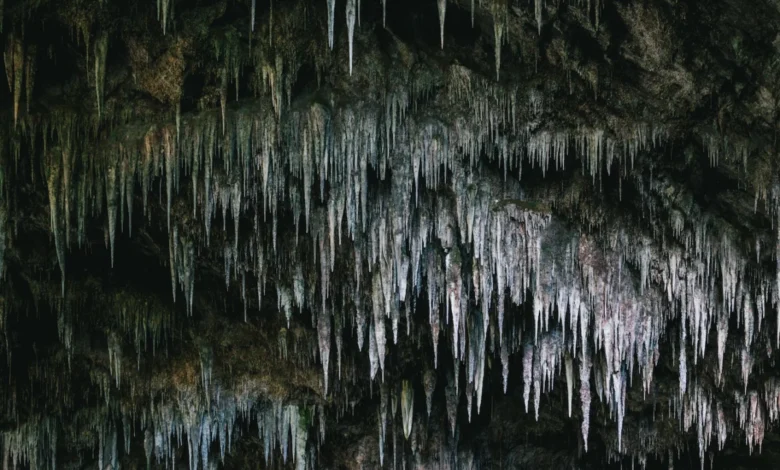
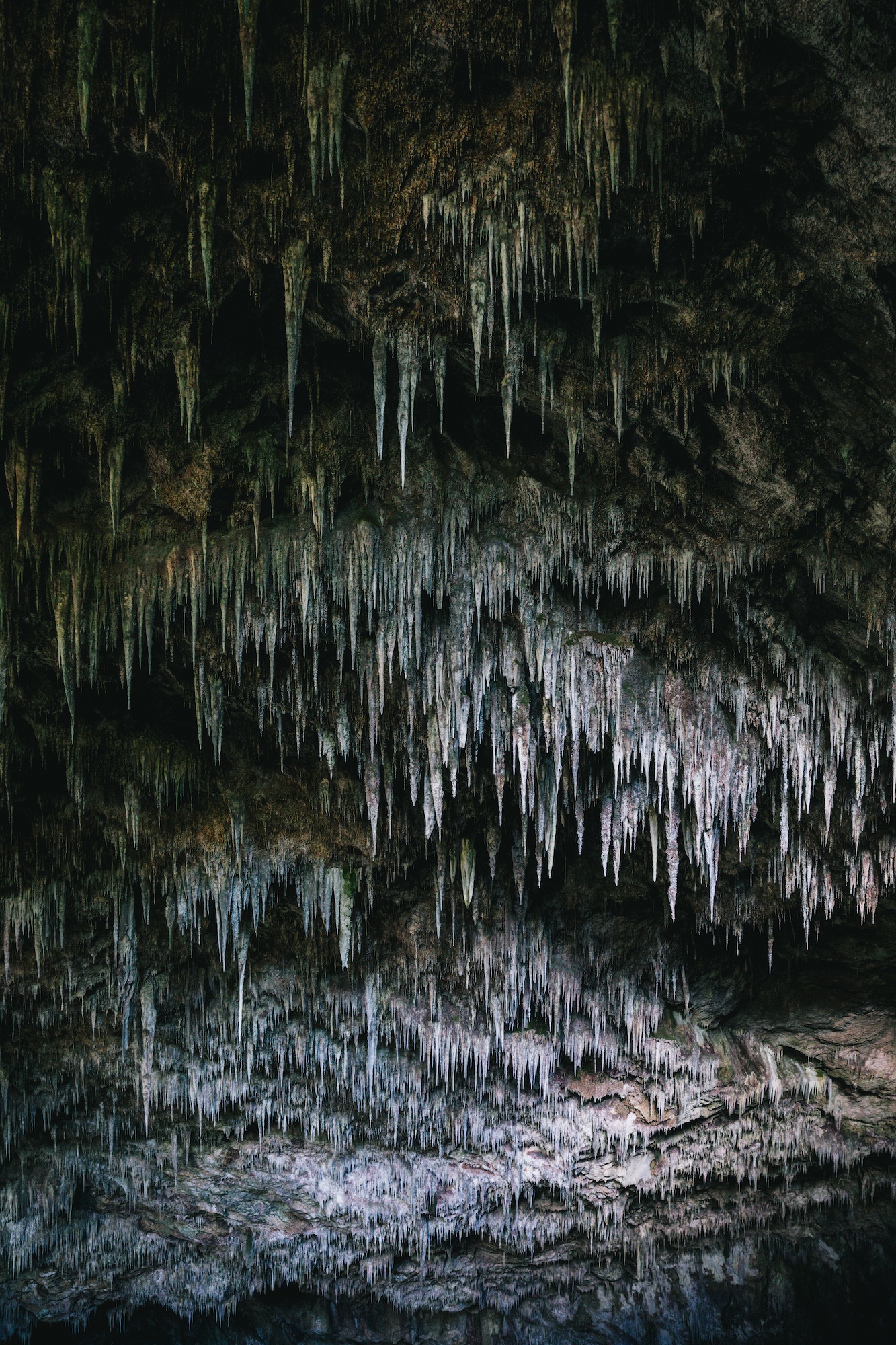
The Nelson-Tasman region is geologically defined by extensive cave networks and karst landscapes situated within and around Kahurangi National Park. Among these, the Rawhiti Caves—accessed via Takaka—feature striking entrances adorned with complex stalactite formations, drawing geologists and independent explorers.

Further north, the region hosts the Te Waikoropupū Springs, recognized as the largest cold-water springs in the Southern Hemisphere. These springs possess among the highest recorded water clarity levels globally, with optical clarity measurements reaching up to 81 meters. Regarded as a taonga (sacred treasure) under indigenous Māori heritage, the springs are strictly protected; public access is restricted to perimeter walking tracks to prevent environmental degradation and preserve water purity.
Socio-Economic Dynamics and Sustainable Tourism

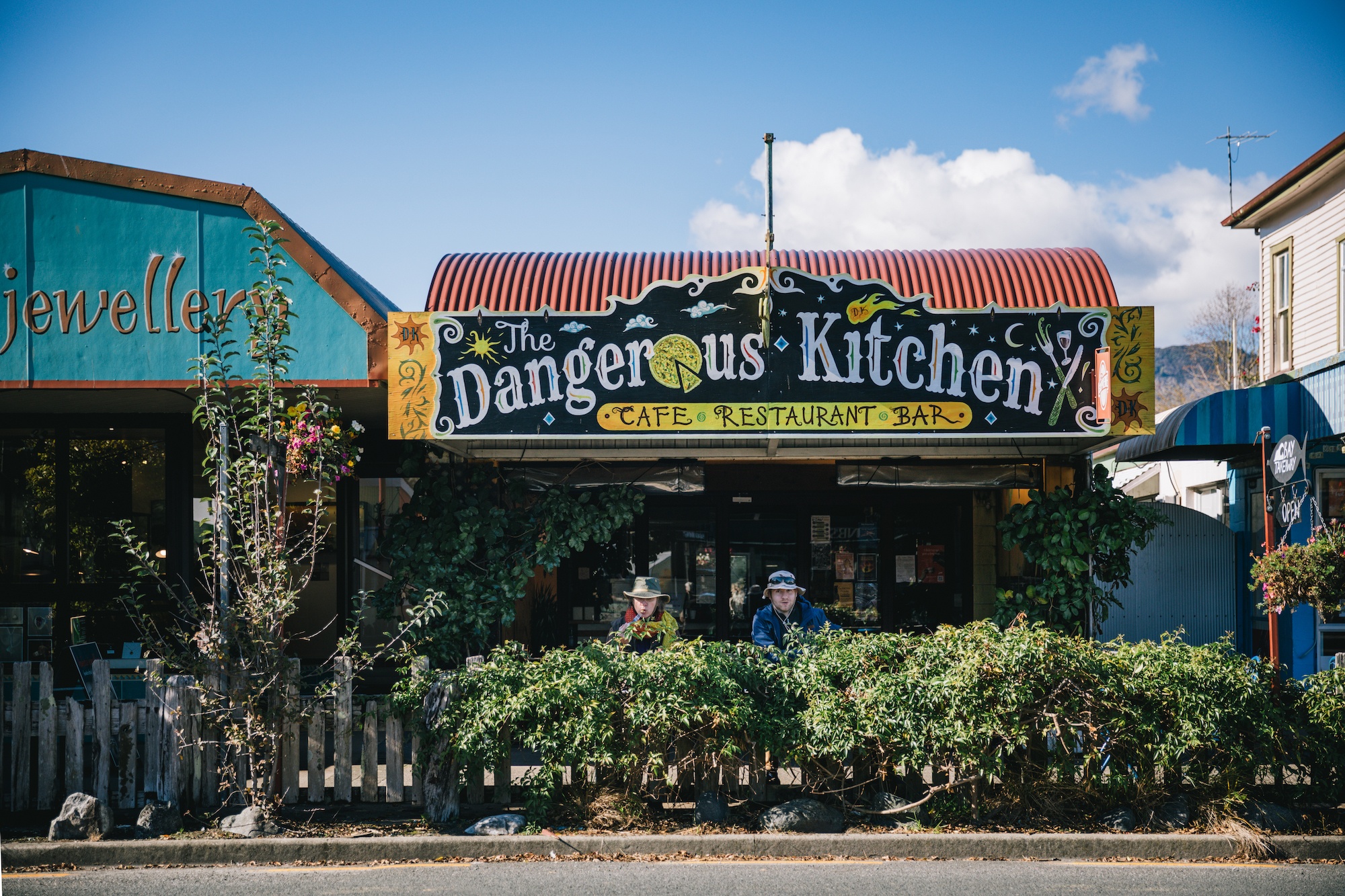
Golden Bay’s socio-economic fabric remains heavily reliant on independent horticulture, artisanal production, and low-impact tourism. The prevalence of honesty-box fruit stalls and localized commerce reflects an economic model distinct from commercialized tourist centers. Accommodation sectors have similarly evolved to mirror this ethos, emphasizing secluded, off-grid glamping and eco-retreat infrastructure—such as timber-milled woodland structures designed to integrate with the surrounding oak forests and agricultural land.

This blend of isolation, ecological responsibility, and microeconomic resilience ensures that Golden Bay functions as both a vital sanctuary for threatened marine ecosystems and a resilient blueprint for sustainable regional development within New Zealand.