The Art of Slow Living: Understanding the Profound Social Significance of Coffee Culture in Greece

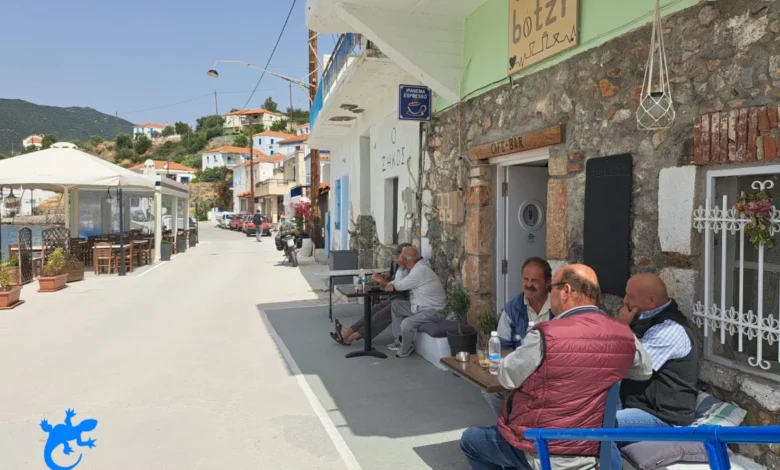
Coffee culture in Greece represents far more than a simple caffeine delivery system; it is a fundamental pillar of the nation’s social fabric, serving as a primary catalyst for community interaction, intergenerational bonding, and the preservation of the Mediterranean "slow living" philosophy. While nations such as Ethiopia treat coffee as a formal, sacred ceremony, and Italy approaches the beverage with a rigid, almost clinical precision, Greece utilizes the coffee shop—or kafeneio—as an extension of the public square. This practice, rooted in historical traditions, continues to dictate the rhythm of daily life across the Hellenic Republic, transcending mere consumption to become an essential ritual of human connection.
Historical Context and the Evolution of the Kafeneio
The origins of the Greek coffee house, or kafeneio, can be traced back to the Ottoman era. Historically, these establishments functioned as the modern-day equivalent of the ancient Greek Agora, serving as the primary hub for the exchange of news, political discourse, and communal decision-making. Following the Greek War of Independence in the 19th century, these spaces became deeply entrenched in local identity. By the mid-20th century, particularly the 1960s, the kafeneio had become a fixture in nearly every village and urban neighborhood.
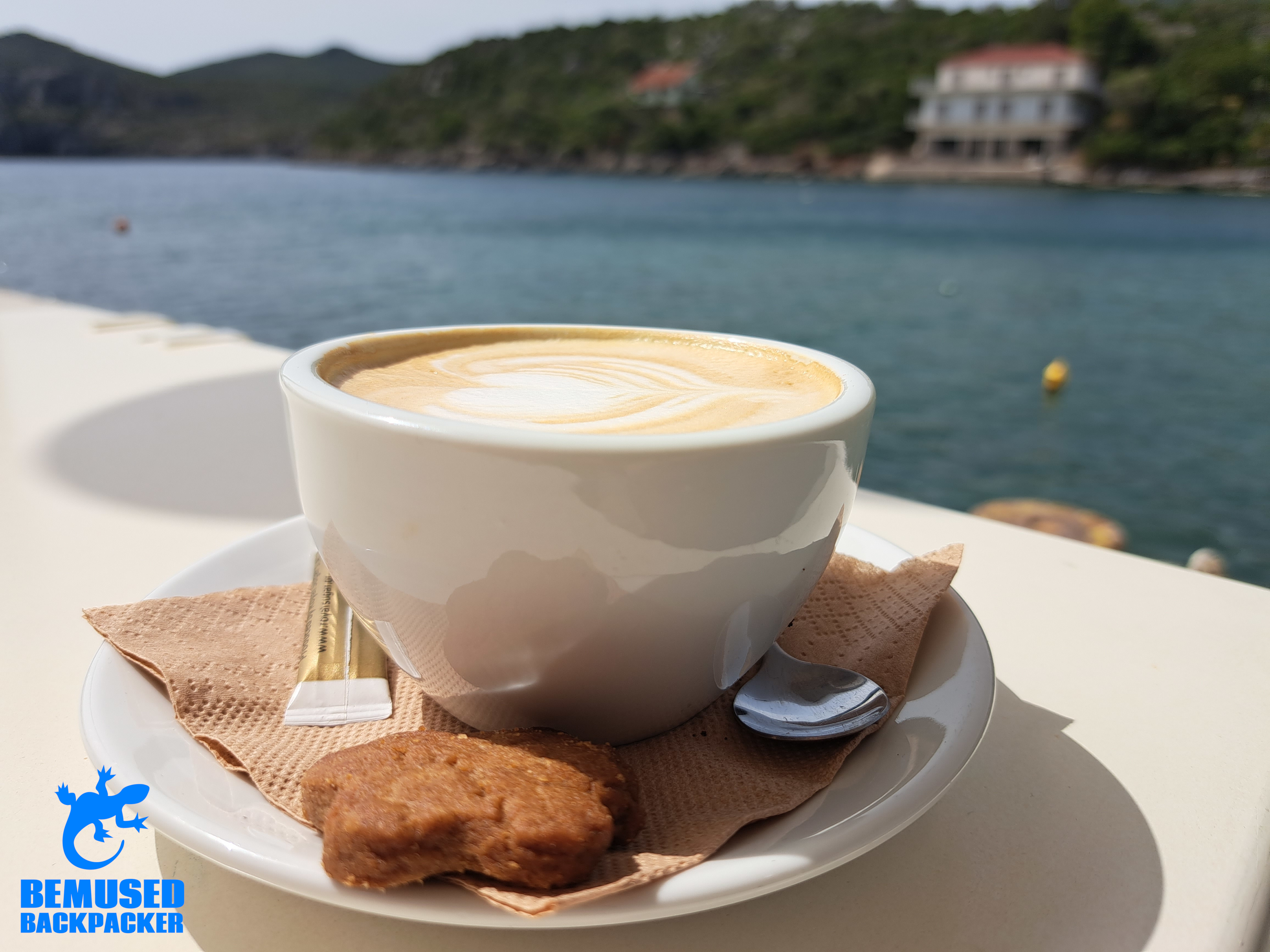
As Greece modernized, so did its coffee habits. The latter half of the 20th century saw the introduction of the frappé, a frothy, iced coffee drink accidentally invented in 1957 at the Thessaloniki International Fair by a representative of the Nestlé company. This innovation marked a shift toward a more modern, commercialized coffee culture that coexisted with, rather than replaced, the traditional preparation methods. In recent decades, the rise of the freddo espresso and freddo cappuccino—chilled, aerated coffee beverages—has further solidified Greece’s reputation as a leader in innovative cold coffee preparation, catering to the country’s warm climate.
Technical Preparation and Culinary Heritage
Traditional Greek coffee is defined by its specific preparation technique, which shares a lineage with Turkish and other Balkan coffee styles. The process begins with finely ground coffee beans, water, and sugar (if desired), all combined in a long-handled copper or brass pot known as a briki. This mixture is heated slowly, often over sand or hot coals, to ensure an even distribution of heat, preventing the coffee from boiling over and allowing the signature thick foam, or "kaimaki," to rise to the surface.
The resulting brew is served unfiltered in a demitasse cup, accompanied by a glass of cold water. The presence of the water is not incidental; it serves as a palate cleanser and a means to mitigate the intensity of the unfiltered grounds, which settle at the bottom of the cup. Often, this is paired with a "spoon sweet"—a preserve made from fruits or nuts submerged in syrup—reflecting the historical Greek emphasis on hospitality, where guests are traditionally offered a beverage and a small treat upon arrival.

Socio-Economic Data and Consumption Patterns
Recent data from the International Coffee Organization and regional agricultural reports indicate that Greece remains one of the highest per-capita consumers of coffee in the Mediterranean region. Despite periodic economic fluctuations, the demand for coffee in the domestic market has remained inelastic. Analysts attribute this to the fact that coffee in Greece is not merely a commodity but a social necessity.
Economically, the proliferation of coffee shops has been a significant driver of the service sector. A 2022 survey by the Hellenic Coffee Association highlighted that the coffee industry accounts for a substantial percentage of the country’s GDP, supporting a vast supply chain from local importers to the baristas who have become highly trained professionals in the art of extraction and aeration. This industry growth has been fueled by the "third-wave" coffee movement, which emphasizes single-origin beans and artisanal roasting, blending traditional social habits with global premium standards.
Cultural Implications: The Philosophy of Time

The most striking aspect of Greek coffee culture is its impact on the perception of time. In many Western nations, coffee is associated with productivity, speed, and the "on-the-go" lifestyle. In contrast, the Greek approach prioritizes the duration of the experience. It is common to witness patrons occupying a single table for several hours, engaging in conversation or observing the street life.
Sociologists observing this phenomenon note that the practice serves as a vital mental health buffer. By intentionally slowing down, the act of drinking coffee becomes a deliberate rejection of the high-pressure modern work-life balance. For the elderly, the coffee house remains a critical site for combating social isolation, providing a consistent venue for community engagement. For younger generations, the coffee shop is a flexible workspace and a primary social venue, proving that the tradition is resilient and capable of evolving with the times.
Navigating the Experience: A Guide for the Uninitiated
For the uninitiated, ordering coffee in Greece requires an understanding of local terminology. The standard request begins with "enan kafe parakalo" (one coffee, please). However, the complexity arises when specifying sugar content. The standard classifications are:

- Sketos: No sugar.
- Metrios: Medium sweetness, generally containing one teaspoon of sugar.
- Glykos: Sweet, typically containing two teaspoons of sugar.
- Vary Glykos: A "heavy and sweet" variation that is notably intense, often reserved for those accustomed to high caffeine and sugar concentrations.
While the language may appear daunting to tourists, the hospitality industry in Greece is characterized by its high degree of multilingualism and patience. Waiters and local residents are generally welcoming of visitors attempting to navigate these customs. It is important to note that the caffeine content in traditional Greek coffee is higher than that of standard drip coffee due to the unfiltered nature of the brew. As such, health experts and locals alike often advise newcomers to consume the beverage slowly, adhering to the cultural mandate of the "leisurely pace."
Broader Impact and Future Outlook
The resilience of Greek coffee culture suggests that it will continue to thrive despite global trends toward rapid, automated consumption. As the country continues to develop its tourism sector, the authenticity of the coffee experience remains a primary draw for visitors seeking cultural immersion. However, the industry faces challenges, including the impact of climate change on global coffee bean production and rising operational costs for small, independent cafes.
Industry experts suggest that the future of Greek coffee lies in the balance between heritage and sustainability. There is an increasing trend toward supporting fair-trade practices and sourcing beans from ethical producers, ensuring that the legacy of the kafeneio does not come at the expense of global agricultural stability. Furthermore, as the world becomes increasingly digitized, the physical space of the coffee shop remains one of the few remaining bastions of face-to-face, analog social interaction.

In conclusion, the practice of drinking coffee in Greece is an exercise in mindfulness and community building. Whether it is a quick freddo espresso taken on a bustling Athens street or a slow-brewed cup of traditional coffee enjoyed in a quiet village square, the act represents a deep-seated commitment to the human element of life. By valuing the conversation over the cup, the Greek people continue to uphold a tradition that reminds the world that sometimes, the most important thing one can do is to simply sit, slow down, and connect with those around them.