Beyond the Cyclades: An Analysis of the Peloponnese Coastal Landscape and the Top 10 Beaches Near Kalamata

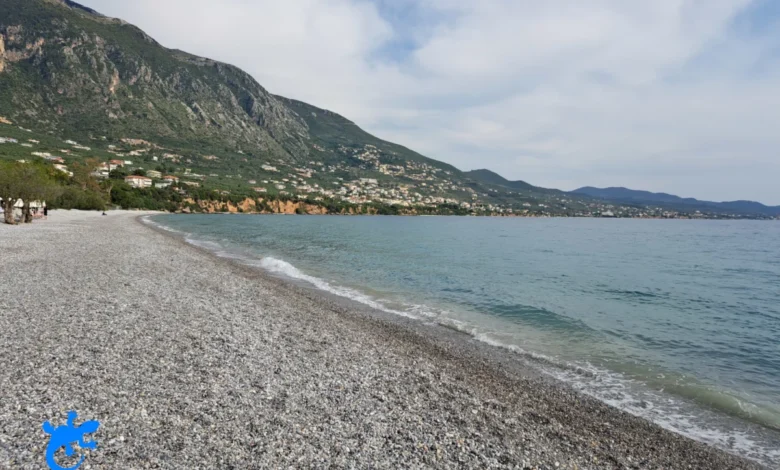
The Peloponnese Peninsula, a region defined by its rugged topography and profound historical significance, offers a Mediterranean coastal experience that stands in stark contrast to the heavily commercialized island hubs of the Aegean. While international tourism often gravitates toward the iconic volcanic cliffs of Santorini or the party atmosphere of Mykonos, the mainland’s southern coast—anchored by the city of Kalamata—provides a more nuanced alternative. This region, characterized by the towering Taygetus mountain range and an extensive, largely untouched coastline, has recently seen a shift in tourism demographics, with travelers increasingly seeking "slow travel" experiences that combine mythological heritage with environmental preservation. This report explores ten key coastal locations in and around the Messinia and Mani regions, assessing their geographic, ecological, and cultural contributions to the Greek tourism economy.
Geographic and Ecological Context
The Peloponnese is not merely a destination for leisure; it is a critical ecological zone. The region hosts several sites protected under the EU Habitats and Birds Directives, such as the Gialova Lagoon. Geologically, the area is marked by a unique intersection of karst landscapes—the limestone cliffs that create dramatic coves—and fertile alluvial plains that have supported olive cultivation for millennia. According to data from the Greek Ministry of Tourism, the Peloponnese has experienced a steady increase in "Blue Flag" certifications, an international eco-label awarded to beaches that meet stringent environmental, educational, safety, and accessibility criteria. This trend underscores a regional commitment to sustainable tourism, balancing the influx of visitors with the conservation of fragile coastal ecosystems like the nesting grounds of the Loggerhead sea turtle (Caretta caretta).

The Evolution of Kalamata as a Coastal Hub
Kalamata, the capital of Messinia, serves as the primary logistical gateway to the southern Peloponnese. Historically, the city’s relationship with the sea was centered on maritime trade and agricultural exports. In recent decades, the city has undergone a significant urban renewal project, resulting in a sophisticated waterfront infrastructure. The central Kalamata Beach, a recipient of the Blue Flag designation, exemplifies this transition. It currently spans several kilometers, featuring a comprehensive promenade that integrates municipal services with private hospitality ventures. Statistical analysis of local visitor patterns suggests that the beach acts as a primary stabilizer for the city’s economy, providing consistent foot traffic that supports local businesses during the shoulder seasons of May and September.
Categorizing the Coastal Landscape: A Regional Survey
The diversity of the coastline near Kalamata allows for a stratified tourism experience, ranging from family-oriented urban beaches to secluded, rugged inlets.
1. Kalamata City Beach: The Urban Standard
Kalamata Beach functions as the primary anchor for the region’s coastal tourism. Its accessibility—being located directly within the city limits—makes it a focal point for demographic data collection regarding regional tourism. The beach’s infrastructure, including life-saving equipment, water quality monitoring, and disability access, reflects modern European standards for public maritime spaces.

2. Stoupa and Mikri Mantinia: Family-Centric Infrastructure
Located to the south, these areas emphasize the "family tourism" segment. The shift toward shallower, protected waters in these zones is not coincidental; developers have leveraged the natural bathymetry to create safe environments for non-swimmers and children. These areas have seen a rise in "resort-style" hospitality, where the proximity of services (tavernas, medical facilities) is a primary selling point.
3. Voidokilia: The Intersection of History and Ecology
Perhaps the most scientifically and historically significant site in the region is Voidokilia Beach. Its circular, horseshoe-shaped bay is a natural harbor of immense archaeological interest. Located within the Gialova Lagoon ecosystem, the beach is subject to strict environmental regulations. Archaeological surveys conducted in the vicinity of Nestor’s Cave indicate human activity dating back to the Neolithic period, placing the site at the center of Mycenaean history. The presence of the Pylos Castle above the bay further serves as a cultural landmark, drawing historical tourism in addition to recreational visitors.
4. Foneous and Kitries: The Niche Markets
Foneous, located in the Kardamili region, represents the "adventure tourism" segment. Its small, rocky topography makes it unsuitable for mass tourism, which has preserved its status as a destination for hikers and free-divers. Conversely, Kitries operates as a culinary-tourism site. The reliance on local fishing fleets provides a case study in the integration of traditional economic practices with modern service-sector demands.

5. Mavrovouni and Kalogria: Specialized Tourism
Mavrovouni serves as a critical site for sports-oriented tourism. Its geography creates consistent wind patterns that have turned the beach into a recognized destination for windsurfing enthusiasts. Furthermore, its role as a nesting habitat for the endangered Loggerhead sea turtle provides a platform for conservation education. Meanwhile, Kalogria is significant for its literary associations; the connection to Nikos Kazantzakis and his seminal work, Zorba the Greek, provides a unique cultural layer that attracts academic and literary-minded tourists.
Analysis of Economic and Cultural Implications
The development of these beaches carries significant implications for the Peloponnese. The "Mythical Peloponnese" initiative, a regional development project, has aimed to promote these locations as a cohesive brand. By distributing visitor density across a wider range of beaches—rather than concentrating it in one area—the region minimizes the environmental impact on any single location.
However, the pressure to develop infrastructure at these sites is constant. Local authorities face the challenge of maintaining the "untouched" aesthetic that attracts visitors while simultaneously upgrading utilities to handle increased capacity. The current trend suggests a preference for low-density, high-quality developments. For example, the expansion of the airport in Kalamata has facilitated direct international flights, which has logically led to a rise in demand for luxury boutique hotels over traditional high-volume resort complexes.

Official Perspectives and Regional Policy
Local tourism boards and municipal representatives in Messinia and Mani have consistently emphasized that their strategy is centered on "quality over quantity." Official statements from regional tourism representatives indicate a desire to avoid the "over-tourism" phenomena witnessed in parts of the Cyclades. The strategy involves highlighting the Peloponnese’s mythological pedigree—linking the beaches to the narratives of Homeric epics—to create a "narrative-driven" tourism experience that encourages longer stays and deeper engagement with local culture.
Conclusion: Future Outlook
The coastal geography of the Peloponnese, specifically the areas surrounding Kalamata, offers a sustainable model for Mediterranean tourism. By leveraging a combination of Blue Flag environmental standards, historical preservation, and a diversity of beach types, the region has positioned itself as a viable alternative for travelers seeking a more authentic experience. As the region continues to develop, the primary challenge will remain the balancing of economic growth with the protection of the very landscapes that drive the local economy. For the discerning traveler, the Peloponnese remains a destination where the antiquity of the past is seamlessly integrated into the leisure of the present. Whether through the wind-swept shores of Mavrovouni or the tranquil waters of Mikri Mantinia, the region continues to provide a comprehensive look at the evolution of the Greek seaside experience.
Related posts: