Discover how Luxury Driving tours Blend Adventure, Comfort, and some of the Best Supercars on Earth

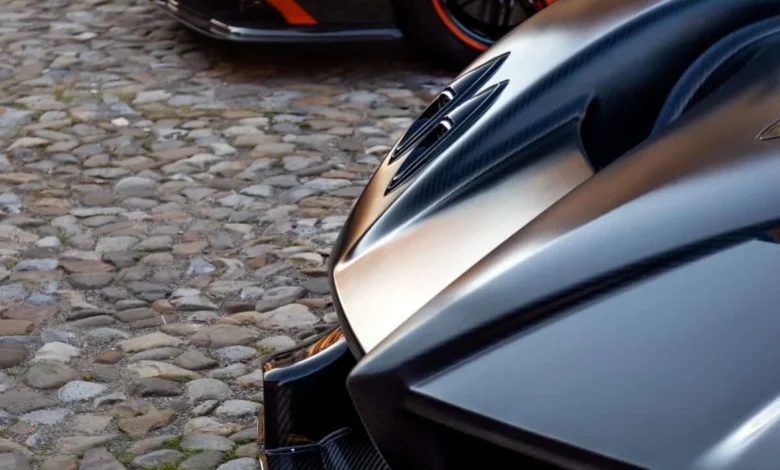
The modern travel landscape has long been defined by predictable itineraries. For decades, vacationers seeking leisure have chosen between conventional cruises, structured bus tours, and static beach resorts. However, a shifting demographic of affluent travelers is increasingly looking to replace passive observation with active participation. Enter the luxury supercar driving tour—a rapidly expanding niche within the high-end tourism sector that marries the visceral thrill of high-performance automotive engineering with the sophisticated comforts of five-star hospitality.
Rather than merely renting an exotic car for a weekend or visiting a controlled racetrack, participants in these curated journeys embark on multi-day itineraries across public roadways. Operators handle the complex architecture of international travel—securing boutique accommodations, Michelin-starred dining, and logistical support—leaving drivers free to experience world-class asphalt from the cockpit of elite vehicles. This intersection of high-octane adventure and refined luxury represents a fundamental evolution in how travelers consume geography, transforming the open road into an immersive cultural and mechanical expedition.
The Evolution of High-End Automotive Tourism
The concept of the automotive road trip is nearly as old as the automobile itself. In the early 20th century, wealthy early adopters took pioneering vehicles across nascent national highway systems, turning transportation into recreation. However, modern luxury driving tours bear little resemblance to those early, often grueling expeditions. Today’s market is characterized by meticulous precision, seamless logistics, and unprecedented access to some of the world’s most coveted machinery.
Over the past decade, the luxury travel sector has witnessed a significant pivot toward experiential tourism. Consumers are increasingly valuing transformative experiences over material accumulation or passive relaxation. Luxury driving tours capitalize directly on this psychological shift. By placing travelers behind the wheel of contemporary masterpieces—from brands like Ferrari, Lamborghini, Porsche, and Aston Martin—operators tap into a powerful emotional connection. The car becomes not just a tool for transit, but a primary medium through which the landscape is experienced.
Industry analysts note that this sector appeals heavily to a diverse demographic. While traditional automotive enthusiasts form a core baseline, the market has expanded to include milestone celebrants, anniversary planners, and couples where one partner may initially be hesitant about a pure car-centric trip. The inclusion of high-end gastronomy, spa treatments, and culturally rich stops ensures that the experience satisfies both automotive purists and luxury travel connoisseurs.

Anatomy of a Luxury Driving Tour: Structure and Formats
Unlike a track-day experience—where drivers test vehicle limits within the sterile, safe confines of a closed circuit—driving tours take place on open, public thoroughfares. This requires a delicate balance between driving engagement and relaxed touring. To accommodate varying travel styles, tour operators have developed three primary operational formats: guided small-group departures, self-guided itineraries, and fully bespoke, tailor-made journeys.
Guided Small-Group Convoys
The guided convoy remains the flagship offering for most operators. In this format, a small cohort of vehicles—typically ranging from five to ten cars—travels together along a meticulously scouted route. A lead instructor or tour director sets the pace, while sweep vehicles manage traffic, unexpected mechanical issues, and luggage transport.
One of the defining features of contemporary group tours is vehicle rotation. Companies such as HunterMoss have popularized fleets of latest-release supercars, allowing guests to swap keys throughout the multi-day itinerary. A driver might start the morning tackling alpine switchbacks in a mid-engine Italian stallion, only to transition to a German grand tourer by the afternoon. This fleet-sharing model provides participants with a comparative driving experience that would be financially prohibitive to replicate independently.
Self-Guided Freedom
For travelers who prefer autonomy over structured schedules, self-guided tours offer a compelling alternative. Operators supply a single designated vehicle and a pre-programmed navigation system loaded with curated routes, hotel bookings, and restaurant reservations. This model empowers travelers to dictate their daily rhythm. If a roadside vineyard or a historic village demands an extended visit, participants can linger without disrupting a group schedule.
Tailor-Made Expeditions
At the apex of the market are bespoke, tailor-made tours. Designed from scratch for private groups, these itineraries are custom-built around specific geographic desires, driving ambitions, and temporal constraints. Whether a client envisions a ten-day crawl through the lavender fields of Provence, a high-altitude assault on the mountain passes of the Swiss Alps, or a coastal journey along the Pacific Northwest, logistical architects construct every mile of the journey to exact specifications.
Legendary Asphalt: The World’s Premier Driving Corridors
The allure of a driving tour is inextricably linked to the geography it traverses. Tour operators invest substantial resources into scouting roads that offer a harmonious blend of technical challenge, visual splendor, and historical resonance.

In Europe, the pilgrimage often begins near legendary racing infrastructure. While public tours rarely utilize active race tracks for sustained high-speed driving, proximity to sites like Germany’s Nürburgring Nordschleife—where nearly 13 miles of undulating, blind-crest pavement have tested drivers for a century—infuses the journey with motorsport heritage. Similar cultural gravity surrounds Belgium’s Circuit de Spa-Francorchamps and Italy’s Autodromo Nazionale Monza.
Away from the race circuits, Europe’s natural topography offers unmatched driving arenas. The high-altitude passes of the Alps and the Dolomites feature sweeping hairpins, dramatic elevation changes, and panoramic vistas that reward precision driving. Further south, the sun-drenched coastal roads of the Italian Riviera and the rolling vineyards of Tuscany provide a sensory-rich backdrop where the rumble of a V8 engine harmonizes with regional terroir.
In North America, iconic byways command equal respect. California’s 17-Mile Drive through Pebble Beach and the winding stretches of the Pacific Coast Highway offer dramatic oceanic backdrops. On the opposite coast, Newport, Rhode Island’s Ocean Drive presents a more subdued, waterfront elegance. Meanwhile, across the Atlantic, the Isle of Man—famed for its historic Tourist Trophy (TT) motorcycle races—offers a unique legal environment where sections of public road are frequently utilized by driving enthusiasts seeking challenging layouts steeped in racing lore.
Daily Rhythm: Balancing the Cockpit and the Comfort
A typical day on a luxury driving tour is meticulously choreographed to maximize driving pleasure while preventing fatigue. Mornings generally begin with a driver’s briefing over breakfast, detailing the route profile, weather conditions, and scheduled rest stops.
Departures are timed to precede heavy traffic, allowing guests to experience quiet morning light illuminating mountain ranges, lakeshores, or agricultural valleys. The morning driving block often features the most technical roads of the day, capitalizing on focused attention and fresh asphalt.
Midday breaks eschew highway service stations in favor of private vineyard tastings, historic farmhouses, or secluded coastal cafes recommended by local scouts. These pauses serve a dual purpose: they allow the high-performance engines to cool and provide participants with a localized cultural immersion.

As the afternoon progresses, the pace often shifts to more relaxed cruising through open countryside or scenic byways. By late afternoon, the convoy arrives at a hand-selected boutique hotel, historic castle, or luxury lodge. Vehicles are securely parked, and guests transition effortlessly from driver to leisure traveler, gathering for evening dinners to recount the day’s mechanical highlights and navigational discoveries over regional cuisine.
Logistics, Safety, and the Invisible Support Network
The seamless execution of a luxury driving tour relies entirely on invisible infrastructure. Behind the wheel, drivers experience unbridled freedom; behind the scenes, a complex logistical apparatus operates continuously.
Experienced tour operators deploy support vehicles equipped with spare tires, diagnostic tools, and technical liaison personnel. In the rare event of a mechanical failure or flat tire, support teams intervene swiftly, often swapping the vehicle before the disruption impacts the tour schedule. Luggage is transferred independently between hotels, liberating drivers from the physical burdens of multi-destination travel.
Furthermore, safety protocols are paramount. Professional lead drivers assess road conditions in real-time, communicating hazard warnings via two-way radios installed in every vehicle. This structured communication network ensures that even drivers with limited experience handling high-horsepower, rear-wheel-drive supercars can navigate challenging environments with confidence and security.
Economic Implications and Market Demographics
The growth of luxury driving tours reflects broader macroeconomic trends within the travel and luxury goods sectors. According to luxury travel industry data, experiential spending continues to outpace traditional retail purchasing among high-net-worth individuals.
Automotive manufacturers have increasingly recognized these tours as powerful brand-building exercises. Rather than relying solely on traditional dealership test drives, brands partner with tour operators or establish proprietary driving academies (such as Porsche’s Track Experience or Ferrari Tour programs). These environments allow prospective and loyal buyers to experience vehicle limits in real-world contexts, fostering deep brand loyalty and driving sales of high-margin custom vehicles.

For local economies along designated routes, these tours represent a lucrative, low-impact form of tourism. Unlike mass-market bus tours that strain municipal infrastructure, small-group supercar tours direct high-spending travelers to boutique hotels, independent vineyards, and farm-to-table restaurants, distributing economic benefits directly to rural and regional businesses.
Broader Impact and Future Outlook
As the luxury travel sector looks toward the future, the appeal of the open road shows no signs of diminishing. In an era dominated by digital connectivity and virtual simulations, the tactile, analog experience of operating a high-performance machine through physical space offers a potent antidote to screen fatigue.
Industry observers predict continued innovation in fleet composition, with select operators beginning to incorporate hybrid and fully electric supercars into their rotations as high-performance EV technology matures. However, the core value proposition remains unchanged.
Ultimately, the enduring legacy of a luxury driving tour is not measured in horsepower figures or lap times. It is defined by the ephemeral, human moments: the scent of pine carried through an open window on an alpine pass, a shared toast over a bottle of wine harvested from a roadside hillside, and the unexpected camaraderie forged among strangers who started the journey as independent travelers and finished it as a motoring collective. For those fortunate enough to secure a reservation months in advance, these journeys offer a rare synthesis of control and escapism—proving that sometimes, the destination truly is secondary to the quality of the road it takes to get there.
Related posts: