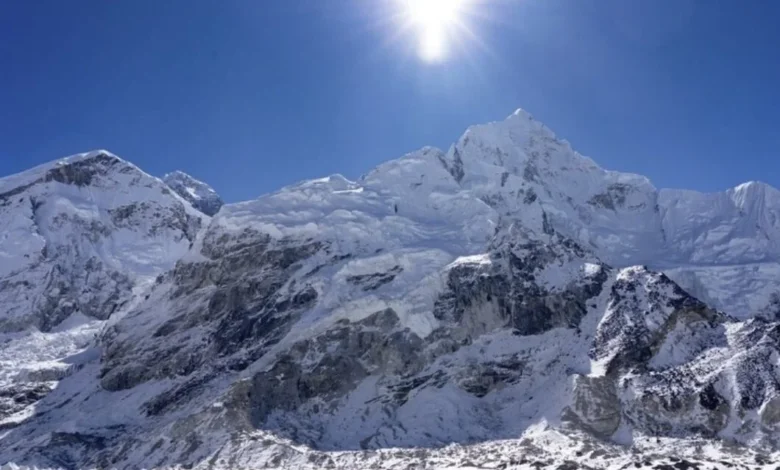
The Strategic Dilemma: Khumbu Icefall vs. Lho La
The decision to tackle the Khumbu Icefall followed a period of intense deliberation at the team’s base in Lobuche. After initial acclimatization efforts toward the Nuptse shoulder, where deep snow and adverse weather forced a retreat to a camp at 5,650 meters, the team evaluated their tactical options. The primary alternative to the traditional Khumbu route was the West Ridge via the Lho La, a steep mountain pass located to the west of the Khumbu Glacier.
The Lho La route is historically significant but technically demanding. It is a path frequently associated with solo attempts, most notably by mountaineer Jost Kobusch, who has made multiple winter forays onto the West Ridge. By opting for the Khumbu Icefall, the Russian expedition is choosing to engage with the most direct, yet most volatile, section of the standard route. Vasiliev confirmed the decision to Mountainclub, noting that the team is taking a measured approach, observing that they will "see how things go" as they progress. This strategy underscores the inherent uncertainty of off-season mountaineering, where the physical structure of the glacier changes daily.
Chronology of the Expedition
The current expedition represents a departure from the high-traffic commercial seasons that define Everest. The following timeline outlines the progression of the Russian team’s activities:
- Initial Arrival and Setup: The team established base operations in the Khumbu region, focusing on logistics and gear staging in Lobuche.
- Acclimatization Phase: The team conducted reconnaissance toward the Nuptse shoulder. This phase was intended to allow the body to adapt to the thin air of the upper Khumbu valley.
- Weather Interference: Heavy snowfall during the second week of October impeded progress, forcing the team to halt their ascent at 5,650 meters.
- Strategic Review: The team returned to their lower-altitude quarters to assess route viability, weighing the risks of the Lho La against the instability of the Khumbu Icefall.
- The Commitment: Following their analysis, the team mobilized toward the entrance of the Icefall, initiating a six-day window of operations on the mountain.
The Hazards of an Unmaintained Everest
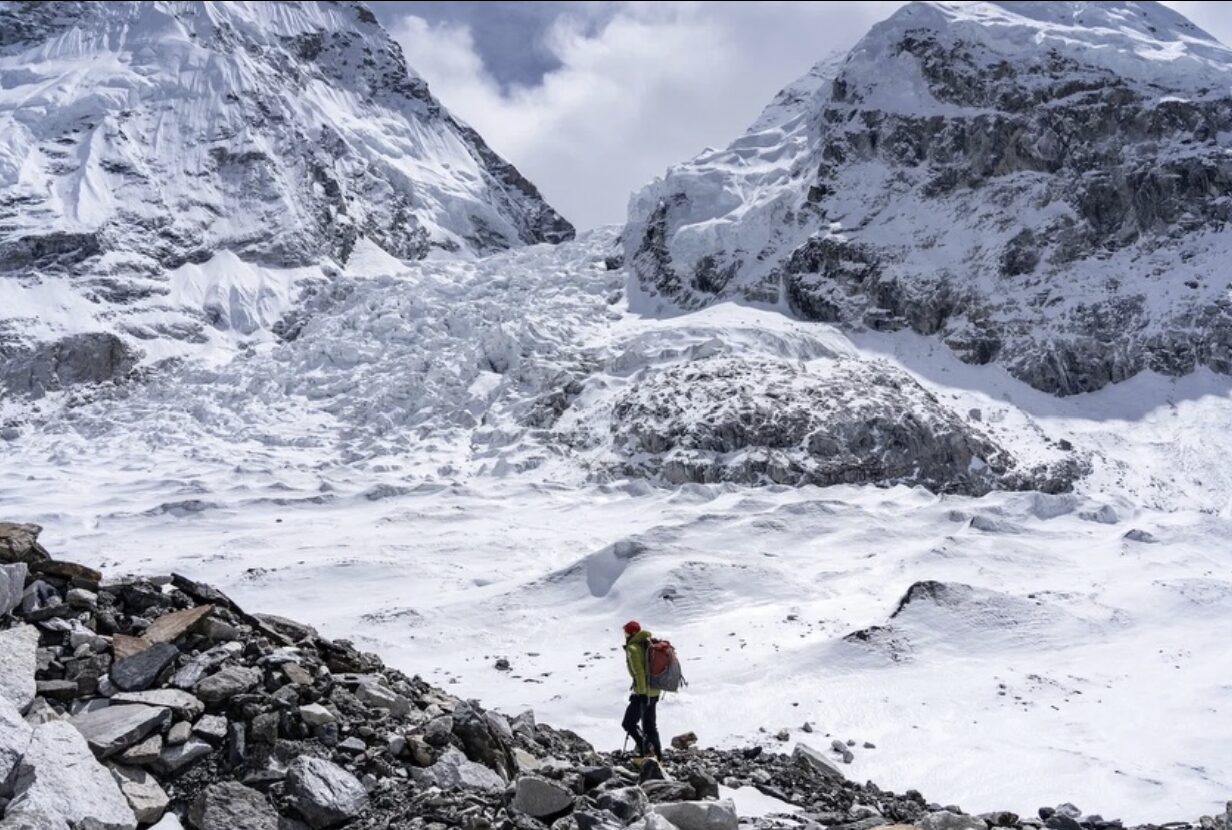
The Khumbu Icefall is a fast-moving, vertical river of ice that drops nearly 600 meters from the Western Cwm to the top of the Khumbu Glacier. During the standard spring climbing window (April and May), a dedicated team of Sherpa specialists—the "Icefall Doctors"—works tirelessly to install ladders and ropes, creating a safe passage for hundreds of climbers.
In the off-season, these aids do not exist. Without them, the Icefall is a labyrinth of shifting seracs and deep, widening crevasses. The ice is inherently unstable; blocks of ice weighing hundreds of tons can collapse without warning. For the Russian team, the lack of fixed infrastructure means they must carry additional technical equipment to navigate, cross, or bypass these hazards, significantly increasing the weight of their packs and the time spent in high-risk zones.
Furthermore, the meteorological data for this time of year indicates a high probability of severe winds and extreme temperature drops. At these altitudes, wind chills can easily reach levels that cause frostbite within minutes, and the lack of a pre-established route increases the amount of time the team must remain exposed to the elements.
Supporting Data and Statistical Context
Everest in the winter is a different beast than Everest in the spring. While the peak has been summited in winter, it remains one of the most difficult feats in high-altitude mountaineering.
- Atmospheric Pressure: At 8,000 meters, the oxygen pressure is approximately one-third of that at sea level. Without the infrastructure of a commercial season, the exertion required for route finding depletes oxygen stores significantly faster.
- Expedition Duration: The team has allocated a six-day window for this particular push. In professional mountaineering, such short, intensive bursts are common for teams attempting to reach higher altitudes without the massive support systems of commercial outfits.
- Route Statistics: Historically, the success rate for winter expeditions on Everest is exceptionally low. Since the first successful winter ascent by a Polish team in 1980, only a handful of expeditions have reached the summit during the winter calendar period, which is typically defined by the meteorological conditions rather than the exact solstice.
Official Responses and Industry Perspectives
While the Russian team has maintained a relatively low profile regarding their specific objectives, the mountaineering community has been watching their progress closely. Industry analysts point out that the Russian team’s approach is a return to "alpine-style" climbing—a method that emphasizes speed, minimal equipment, and self-reliance over the siege tactics often used by large commercial teams.
"The decision to go through the Khumbu without fixed lines is a testament to the experience level of the team," said one independent mountaineering analyst familiar with the region. "However, the risks are compounded by the current climate. We are seeing more erratic weather patterns in the Himalayas, and even the most seasoned climbers are at the mercy of the mountain’s structural integrity."
There has been no confirmation as to whether the team intends to push for the summit or if this is an exploratory mission designed to push their acclimatization to higher camps. In either case, their movement is being treated as a high-stakes technical endeavor.
Broader Impact and Implications
The presence of the Russian team on the mountain serves as a reminder of the raw, untamed nature of Everest when the commercial circus departs. The impact of such an expedition is two-fold: it tests the limits of human endurance and technical skill, and it provides valuable data on the state of the glacier.
If the team successfully navigates the Khumbu, they will be positioned to establish a high camp in the Western Cwm. From there, the path to the summit becomes a matter of weather windows and individual physiological response to the "Death Zone." However, the implications of their failure or success will ripple through the mountaineering community. Success would demonstrate that the mountain remains accessible to those with the requisite skill, even outside of established seasons, while any setback would serve as a stark reminder of why the Khumbu Icefall is avoided by most during the harsh winter months.
As the team advances, the international mountaineering community remains in a state of cautious observation. The Russian team is currently the sole human presence in the higher reaches of the mountain, a position that carries both the solitude of extreme exploration and the weight of absolute responsibility. Their progress through the coming days will be critical, not only for their own safety but for the ongoing dialogue regarding the viability of winter mountaineering on the world’s most iconic peak. As they ascend into the unknown, they carry with them the legacy of mountaineers who have sought to conquer Everest on its own terms, free from the assistance of the established routes that usually define modern ascents. The next few days will determine whether they can overcome the shifting ice of the Khumbu and press their attempt toward the summit.