The Crown Jewel of the English Lake District is a Dumping Ground for Sewage: Can Windermere Be Saved?

Lake Windermere, England’s largest natural lake and the glistening centerpiece of the Lake District National Park, presents a picturesque facade to the millions of visitors who flock to its shores annually. Framed by rolling fells and ancient woodlands, the sprawling body of water invites travelers to kayak, sail, and swim in an idyllic alpine-like setting. Yet, beneath this postcard-worthy surface lies a profound environmental crisis. Far from being pristine, Windermere has increasingly become a receptacle for treated and untreated human waste, transforming a national sanctuary into a contested battleground over corporate water management, public health, and ecological degradation.
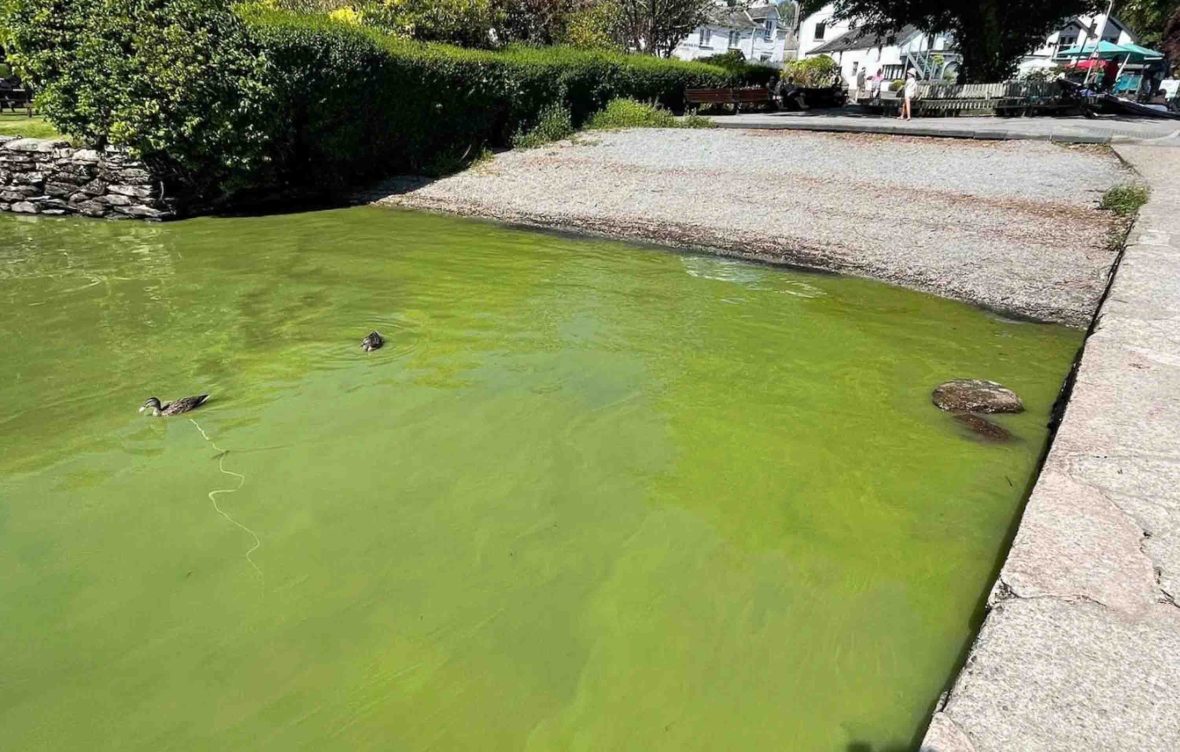
The gravity of the situation was underscored dramatically when a seven-year-old boy named Rex Earley spent six weeks in a hospital ward fighting a severe E. coli infection. The child had contracted the dangerous bacterium while kayaking on Windermere—launching from the exact shoreline where families routinely let their children splash in the shallows. Medical professionals and environmental scientists warn that Rex’s ordeal is not an isolated anomaly, but rather a glaring symptom of systemic contamination plaguing Britain’s freshwater ecosystems.
The Anatomy of Contamination: E. Coli and Algal Blooms
The contamination of Windermere is driven by a combination of routine wastewater discharges and extreme weather overflows. United Utilities, the private water company responsible for supplying drinking water and processing sewage across northwest England, routinely releases millions of liters of treated sewage into the lake and its feeder rivers. While treated, this effluent often retains high concentrations of pathogens, including E. coli and intestinal enterococci. Furthermore, when heavy rainfall overwhelms the region’s antiquated sewage infrastructure, storm overflows trigger the direct release of raw, untreated sewage straight into the aquatic environment.
Data collected from the 2025 Big Windermere Survey—a rigorous, multi-year monitoring initiative jointly administered by the Freshwater Biological Association and Lancaster University—revealed alarming metrics. Out of more than 1,000 samples gathered over two and a half years, testers discovered persistent, elevated concentrations of fecal indicator bacteria across major shoreline areas during peak summer months. According to established environmental benchmarks, much of Windermere’s bathing water quality now tests at "Poor" levels, exponentially increasing the risk of gastrointestinal illness, skin infections, and severe bacterial complications for unwary recreational users.
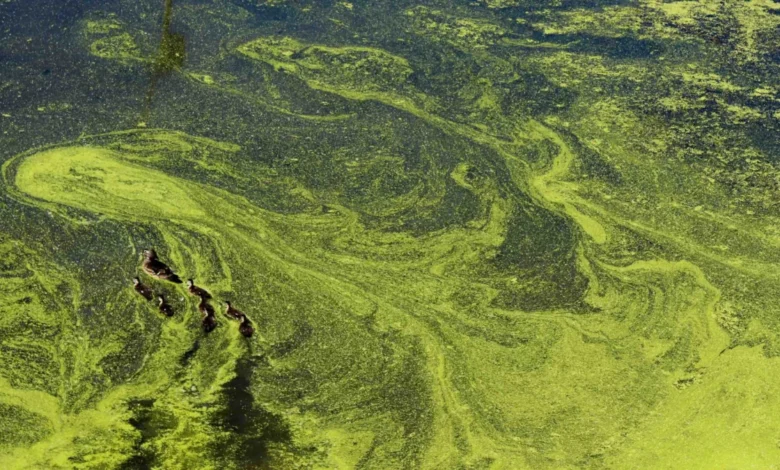
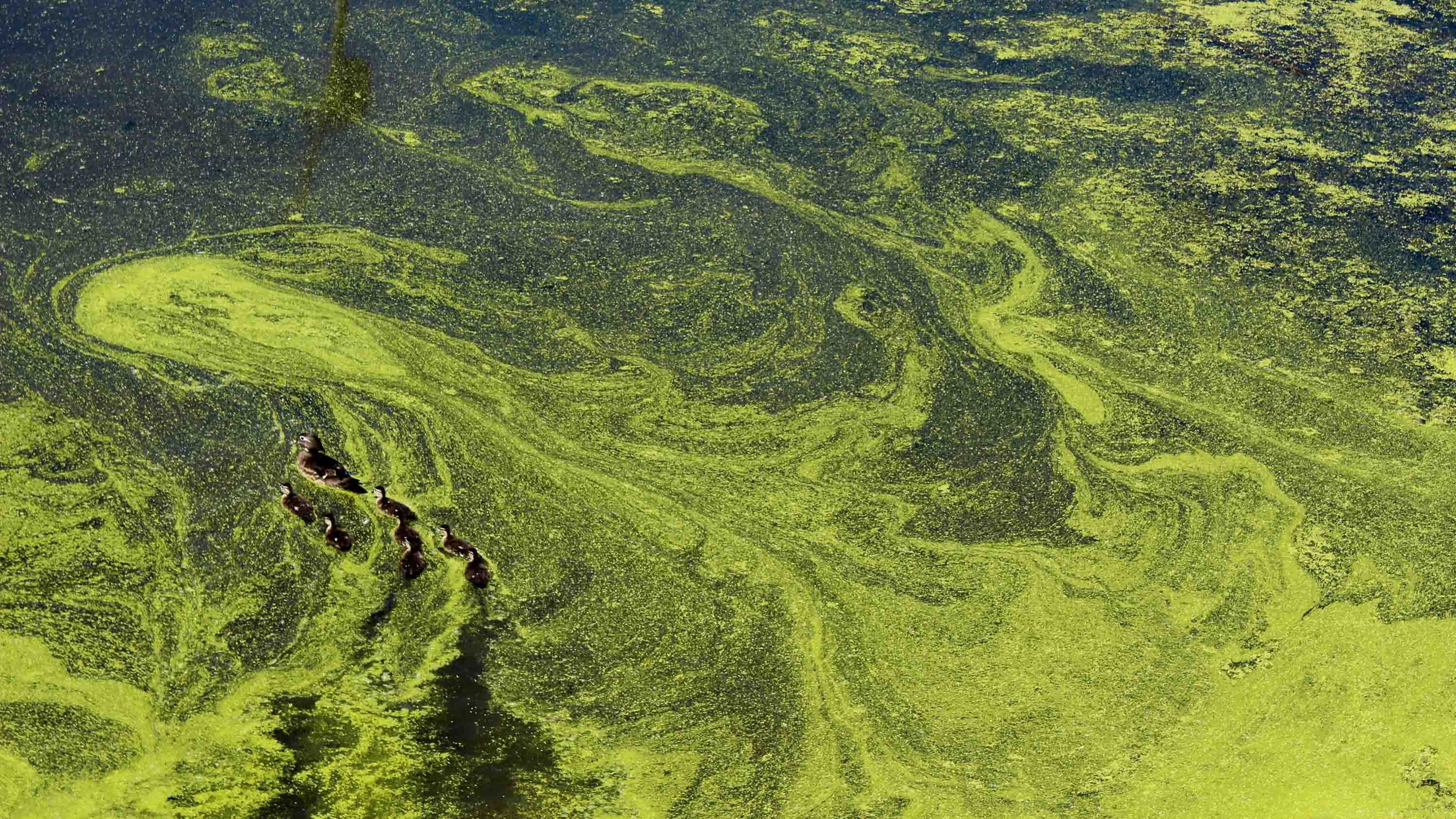
Compounding the biological hazard is the chemical loading of the lake. Treated and untreated sewage alike introduce high levels of phosphorus, acting as an agricultural-grade fertilizer within a body of water that is naturally oligotrophic—meaning it is historically low in nutrients. Matt Staniek, a 25-year-old zoologist and founder of the grassroots advocacy group Save Windermere, points out that blue-green algal blooms, which should be exceedingly rare in such an environment, are now proliferating with alarming regularity.
These dense algal mats not only release potent neurotoxins but also deplete dissolved oxygen levels as they decompose. The resulting anoxic conditions disrupt the native food web, suffocating indigenous fish populations and fundamentally altering the lake’s delicate ecosystem. "It’s totally unacceptable that we’re seeing any form of sewage going into these watercourses," Staniek asserts, noting that he no longer swims anywhere downstream of local wastewater infrastructure. "There should be no sewage going into Windermere full stop."
A National Epidemic of Overflowing Sewers
Windermere is far from a standalone casualty. Dr. Ben Surridge, an environmental scientist at Lancaster University, notes that river basins and lakes across the United Kingdom suffer from identical infrastructure vulnerabilities. The legacy of underinvestment in Victorian-era combined sewer systems—which mix rainwater runoff and domestic foul water into single conduits—means that precipitation events frequently overwhelm treatment capacity.

Official figures released by the UK Environment Agency illustrate the sheer scale of the phenomenon. Even during 2025, a year characterized by unusually dry meteorological conditions, storm overflows in England discharged raw sewage an astonishing 291,492 times, accumulating a cumulative duration of approximately 1.87 million hours.
The socio-economic implications of this nationwide degradation are profound. A comprehensive 2021 assessment conducted jointly by the Environment Agency and Cumbria Tourism warned that a sustained decline in Windermere’s water quality could inflict severe damage on the local economy. The report estimated that severe environmental degradation could strip up to £122 million annually from the regional tourism sector, simultaneously placing up to 2,304 local jobs at direct risk.
Lessons from Abroad: The Success Stories of Lake Annecy and Beyond
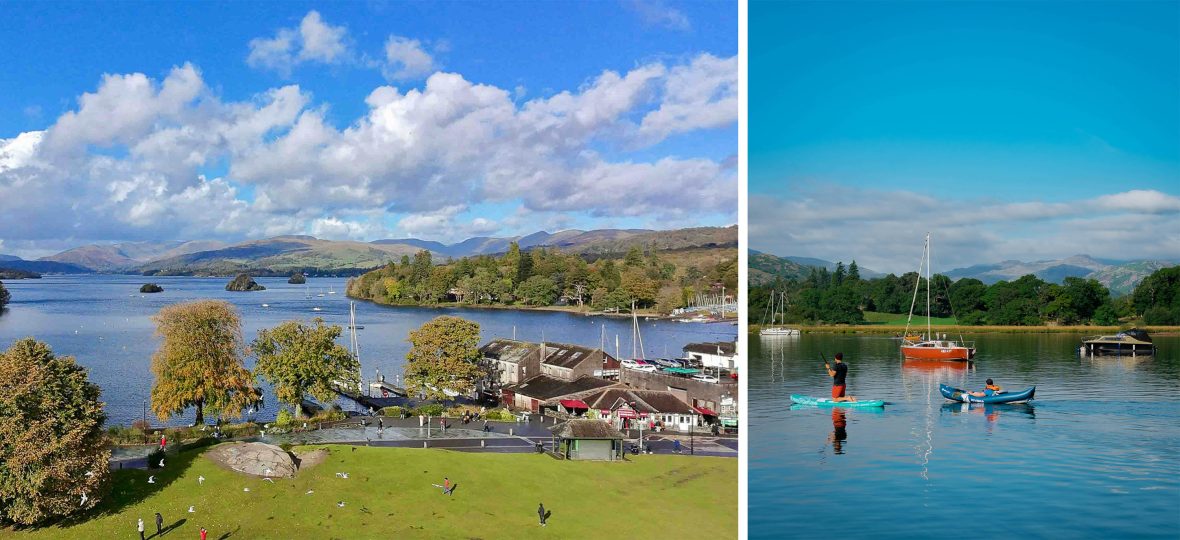
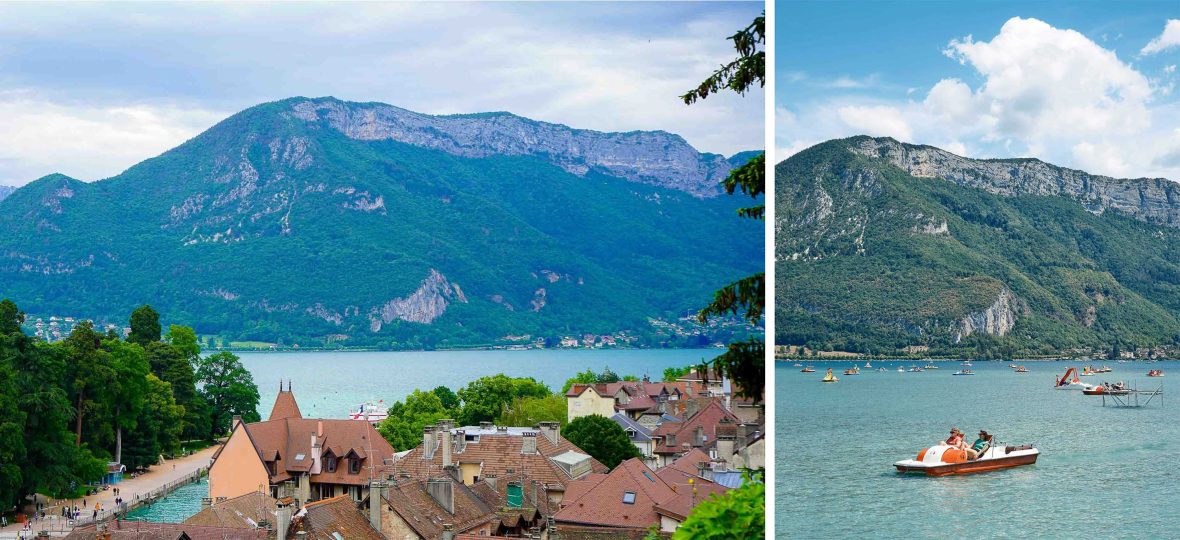
Frustrated by the slow pace of domestic regulatory reform and the health risks posed to his daughters, British journalist and writer Will Stoddart sought out international precedents, traveling to Lake Annecy in the French Alps. Widely celebrated as one of the cleanest lakes in Europe, Annecy shares strong geographical and demographic parallels with Windermere: both are mountain-ringed lakes flanked by densely populated urban centers, bustling tourist hubs, and vibrant lakeside communities.
Yet, Lake Annecy operates under a vastly different environmental reality. Véronique Droux, general manager of the lakeside Hotel Les Trésoms, emphasizes that the alpine destination’s spotless reputation is the lifeblood of its regional economy. "It’s the image of the lake that attracts visitors and makes Annecy such a jewel," Droux explains. "Businesses throughout the area benefit from that image. You never tire of it, whatever the weather."
Annecy’s pristine condition, however, is not a stroke of natural luck; it is the product of an aggressive, historic intervention that began nearly a century ago. During the 1940s and 1950s, rapid post-war urbanization transformed Annecy into a polluted cesspool. Raw sewage poured directly into the basin, triggering explosive algal growth that turned the water a murky green, generated visible oil slicks, and decimated native fish stocks, including Arctic char and whitefish. Toilet paper and organic debris routinely washed ashore.
The alarm was first raised in 1943 by Dr. Paul-Louis Servettaz, a local physician and avid diver who witnessed the ecological collapse firsthand. After years of public organizing, Dr. Servettaz and fellow conservationists galvanized political action. In 1957, Annecy’s visionary mayor, Charles Bosson, forged an unprecedented coalition uniting eight neighboring municipalities around a single objective: the complete removal of wastewater discharges from the lake.
The ensuing engineering undertaking required immense financial sacrifice. By the time the project was completed in 1976, costs had tripled to 60 million francs, financed through a combination of 40 percent national government subsidies and heavy local contributions. The city of Annecy voluntarily assumed nearly a third of the total financial burden, despite not being the primary polluter, recognizing that its long-term survival depended on clean drinking water and a thriving tourism economy.
The engineering solution was definitive: planners constructed an intricate network of interceptor sewers running entirely around the perimeter of the lake. Rather than allowing domestic and commercial effluent to enter the basin, the system diverted wastewater away from the shoreline, transporting it downstream for comprehensive treatment before releasing the purified effluent safely into the River Fier.
While the physical pollution vanished quickly, ecological recovery was a gradual process. According to Dr. Victor Frossard, an aquatic scientist at Université Savoie Mont Blanc, it took an additional 10 to 20 years for phosphorus accumulations in the water column to dissipate, with legacy pollutants trapped in the lakebed persisting well into the 2000s. Nevertheless, Lise Camus-Ginger, manager of local nature reserves for the conservation organization CEN Haute-Savoie, confirms that the interceptor network successfully safeguarded the basin’s fragile ecosystem.
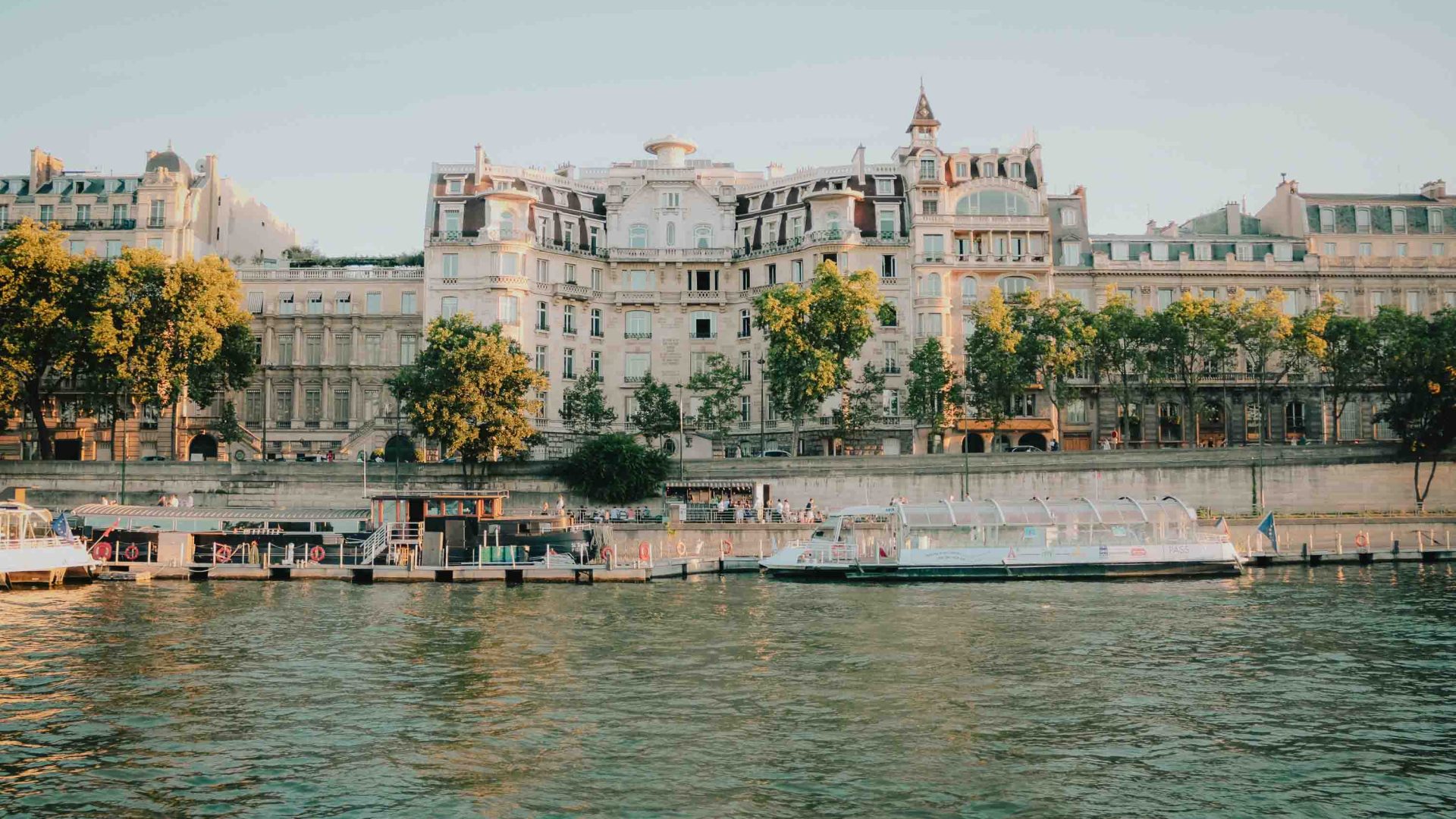
Similar large-scale infrastructure transformations have succeeded elsewhere. In North America, the city of Seattle confronted severe pollution in Lake Washington during the 1960s by constructing more than 100 miles of interceptor sewers to divert wastewater away from the urban lake. More recently, Paris demonstrated the viability of urban aquatic restoration ahead of the 2024 Olympic Games. Following multi-billion-euro investments in advanced stormwater storage basins and enhanced wastewater treatment works, the River Seine—which had been banned for public bathing for over a century—successfully reopened for public swimming events.
The Road Ahead for Windermere: A Multibillion-Pound Blueprint
These international success stories have fueled mounting public indignation in Britain, encapsulated by Matt Staniek’s blunt rhetorical question: "If the French can do it, why can’t we?"
For five years, Staniek and the Save Windermere campaign have engaged in an uphill battle against corporate obfuscation and regulatory inertia. According to campaigners, United Utilities initially resisted transparency, making the retrieval of basic discharge data extraordinarily difficult. However, sustained public pressure and national media exposure eventually forced a shift in corporate posture, culminating in a landmark feasibility study published by the water utility in 2024.
The utility’s preliminary engineering models estimate that completely stripping all wastewater discharges from Windermere will require an unprecedented financial investment ranging between £3.5 billion and £6.4 billion ($4.3 billion to $8.5 billion USD). The proposed infrastructure overhaul involves constructing approximately 42 miles (68 kilometers) of primary interceptor sewers alongside more than 200 miles (322 kilometers) of subsidiary piping to capture effluent from private septic tanks across the catchment area.
Under this blueprint, all collected wastewater would be channeled away from the Lake District entirely, piped southward to an upgraded treatment facility near Grange-over-Sands on the coast. From there, treated water would be discharged safely into Morecambe Bay via a 3.7-mile (6-kilometer) marine outfall pipe extending far out to sea.
A newly updated engineering study slated for release provides advanced technical assessments for the project. However, translating blueprints into reality requires navigating complex regulatory frameworks, securing multiple environmental permits, and obtaining explicit government and planning approvals before a single spade can pierce the earth.
Despite these bureaucratic hurdles, proponents express cautious optimism. Staniek reports that United Utilities’ executive leadership is now firmly committed to executing the project, estimating that once construction officially commences, all sewage discharges into Windermere could be permanently eliminated within a seven-year window.
Conclusion: A Legacy for Future Generations
The ultimate obstacle to saving Windermere is no longer technical feasibility or corporate denial, but political will. Campaigners warn that without decisive intervention from national regulators and lawmakers, the approval and implementation process could languish for decades.
Staniek expresses deep frustration that the burden of safeguarding a national treasure has fallen upon grassroots activists and young scientists rather than state regulators. "It shouldn’t take a 25-year-old standing up and campaigning," he reflects. "It should have happened 30 years ago. The French effectively went, ‘This is terrible. We should stop doing it.’ And so they stopped."
Eighty-three years after Dr. Paul-Louis Servettaz first sounded the alarm for Lake Annecy, his philosophical warning resonates with renewed urgency along the shores of England’s most famous lake. As policymakers weigh the immense financial and regulatory costs of modernizing Britain’s crumbling water infrastructure, the fundamental truth of his words remains unchanged: communities ultimately get the lakes they deserve.