Beyond Borders: How to Seamlessly Extend Your Moroccan Itinerary to Spain and Beyond

Many international travelers arrive in Morocco captivated by the sensory richness of the medinas, the rugged beauty of the Atlas Mountains, and the golden dunes of the Sahara, only to realize later that they are standing at one of the most significant geopolitical crossroads on the planet. Morocco occupies a unique position as a bridge between Africa and Europe, yet many visitors fail to capitalize on the proximity of its neighbors. Through a complex network of high-speed ferry routes, budget-friendly regional flights, and historic overland paths, the country serves as an ideal launchpad for a multi-territory expedition encompassing Spain, the British Overseas Territory of Gibraltar, the Canary Islands, and the vast landscapes of the Western Sahara and Mauritania.
The logistical ease of moving from the African continent to European soil—specifically across the nine-mile stretch of the Strait of Gibraltar—has transformed the region into a corridor for millions of tourists and commercial travelers annually. Understanding the regulatory, historical, and logistical landscape is essential for anyone looking to transition between these distinct cultural and political spheres.
The Strait of Gibraltar: A Geopolitical Gateway
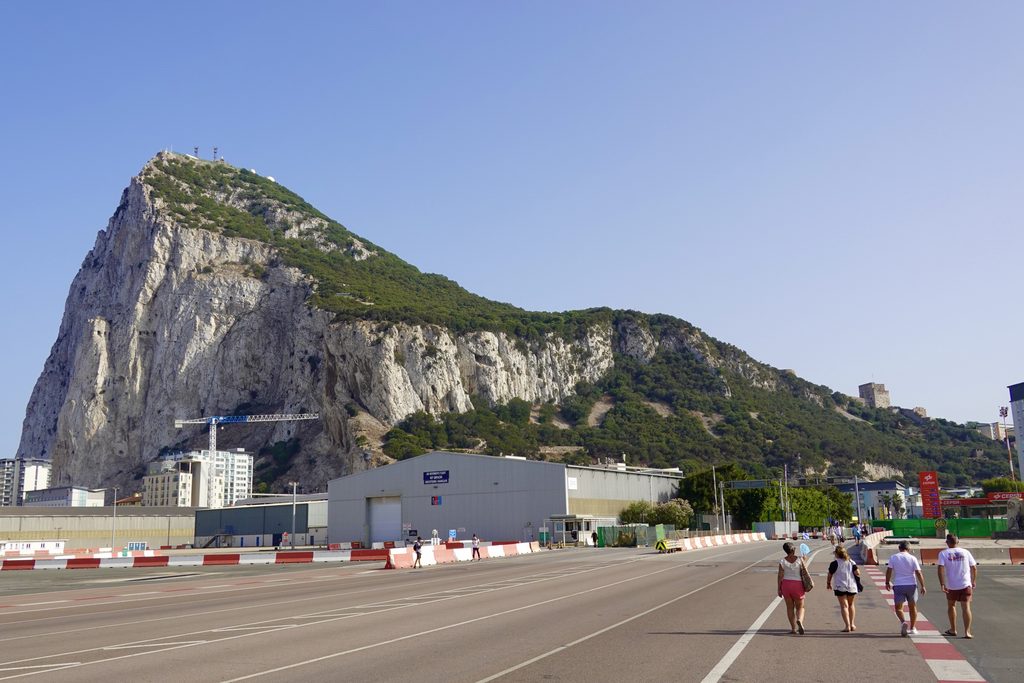
The Strait of Gibraltar, separating the Iberian Peninsula from North Africa, has historically been one of the most critical maritime chokepoints in the world. For modern travelers, it represents a transit route that can be crossed in as little as 60 to 90 minutes. The primary ferry hubs—Tangier Ville and Tanger-Med in Morocco, and Algeciras and Tarifa in Spain—facilitate a massive volume of movement.

Data from regional port authorities indicates that during peak summer months, thousands of passengers cross the Strait daily. This movement is not merely touristic; it is part of a long-standing "Operation Crossing the Strait" (Operación Paso del Estrecho), an annual migration event where millions of Moroccan expatriates living in Europe return to their home country for the summer. For the casual traveler, this means that while ferry capacity is high, booking in advance is a mandatory requirement during the peak months of July and August. Operators such as FRS, Balearia, and Armas maintain modern fleets that include high-speed catamarans and larger roll-on/roll-off vessels capable of transporting vehicles, which is a popular choice for those attempting an overland "Grand Tour" of both continents.
Navigating the Spanish Exclaves: Ceuta and Melilla
A unique aspect of the Morocco-Spain connection is the presence of the Spanish autonomous cities of Ceuta and Melilla. These territories are located on the North African mainland, sharing land borders with Morocco. They are remnants of the Spanish colonial past and remain firmly under European Union jurisdiction.
For the traveler, this creates a distinct border-crossing experience. When moving from Morocco into Ceuta or Melilla, one is technically entering the Schengen Area. Consequently, travelers must undergo formal passport control and customs inspections. These borders have seen significant infrastructure investment over the last decade, with digitalized security systems designed to manage the high volume of cross-border commuters. While they provide a fascinating glimpse into the blend of Hispanic and North African culture, travelers should remain cognizant that these borders can experience periodic closures or heightened security checks based on diplomatic tensions or migration policy shifts between Rabat and Madrid.
Island Hopping: The Canary Islands Connection
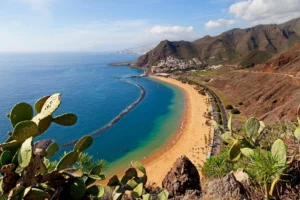
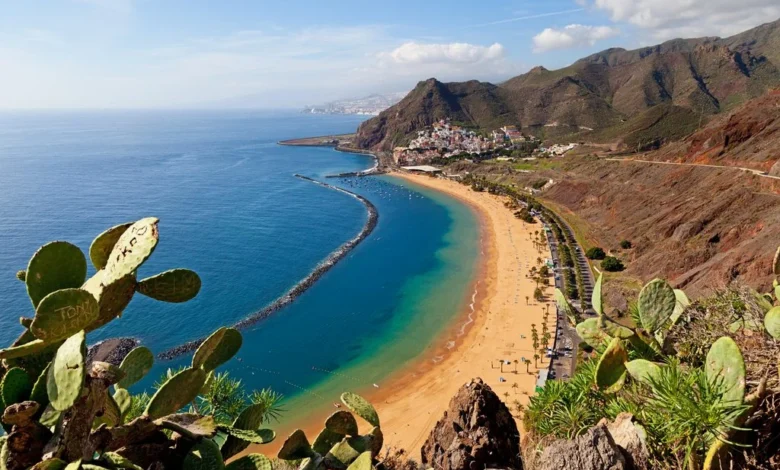
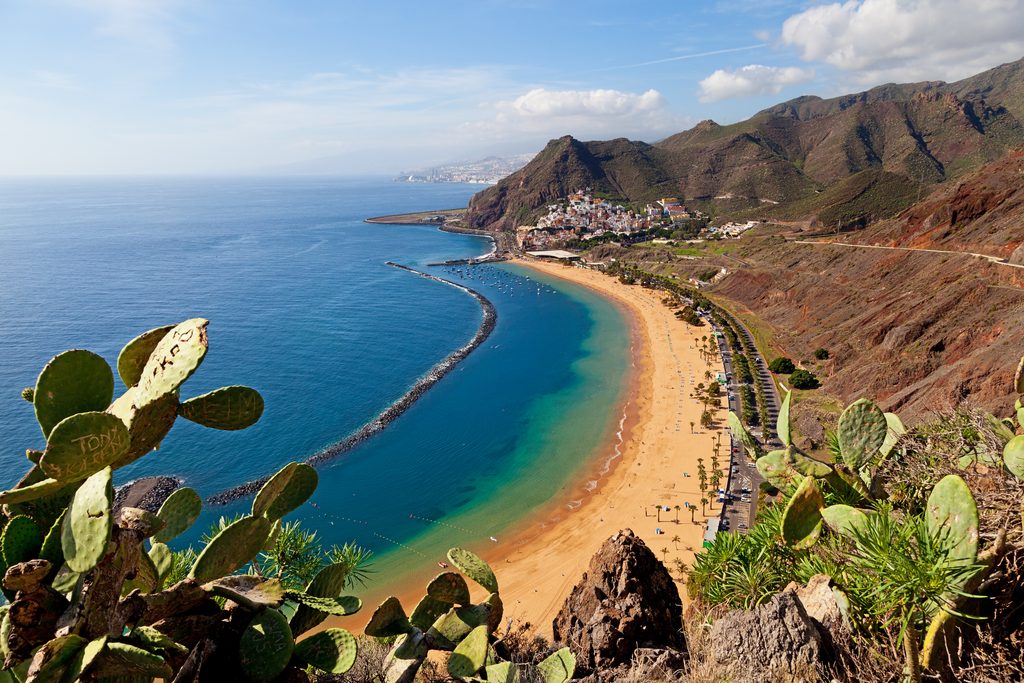
While the Canary Islands are politically part of Spain, their geography is undeniably African. Located approximately 100 kilometers off the coast of Morocco’s southern provinces, the archipelago serves as an extension of the Moroccan travel experience for those interested in volcanic geology and Atlantic marine life.

Historically, the islands have been the primary destination for travelers looking to transition from the arid, continental climate of the Sahara to the subtropical environment of the Canary chain. Connectivity has evolved from erratic maritime cargo-passenger services to a robust network of direct flights. Major hubs like Tenerife and Gran Canaria now host direct, short-haul flights from Marrakech and Casablanca, significantly reducing travel time compared to the previous necessity of routing through Madrid.
The Western Sahara and the Mauritanian Frontier
Moving south from the major urban centers of Morocco leads into the Western Sahara, a territory defined by its vast, windswept coastline and the Dakhla peninsula. It is imperative to note that the region is the subject of a long-standing territorial dispute. While the Moroccan government exerts administrative control and has invested heavily in the tourism infrastructure of Dakhla—turning it into a global hub for kitesurfing and extreme water sports—travelers should exercise caution.
Diplomatic advisories from various Western governments often advise caution in the border regions near the Mauritanian frontier. The crossing into Mauritania via the Guergerat border post is a rite of passage for the seasoned overlander. This is not a route for the novice; it involves traversing a "no-man’s-land" of desert terrain. Regulations regarding vehicle permits, carnets de passage en douane, and visa-on-arrival processes for Mauritania are subject to change without notice. Official guidance consistently mandates that travelers verify the latest entry requirements with their respective embassies, as the geopolitical stability of the Sahel region can fluctuate, impacting border operations.
The Reality of the Morocco-Algeria Border
While the regional connectivity in the north and west is highly efficient, the eastern frontier remains a significant barrier to travel. The land border between Morocco and Algeria has been closed since 1994, following a series of diplomatic incidents that resulted in a total breakdown of formal relations.
For the international traveler, this represents an absolute "no-go" zone for overland transit. There are no functioning border crossings for civilians, and direct flight paths between the two nations remain suspended. This reality necessitates a strategic detour for any traveler intending to visit both countries. The common route involves flying through a neutral third-party hub, most commonly Paris, Tunis, or Istanbul. This closure serves as a stark reminder of the historical complexities that underpin North African travel, requiring travelers to plan their regional itineraries with a high degree of geographic awareness.
Economic and Cultural Implications of Border Connectivity
The ability to move seamlessly between these territories has profound economic implications. The integration of tourism markets between Morocco and Southern Spain has fostered a "Mediterranean Basin" travel economy. Tourists often purchase "multi-destination" packages that utilize the ferry as a connector, benefiting both the Moroccan hospitality sector and the Andalusian tourism industry.
From an analytical perspective, the infrastructure linking these regions acts as a buffer against regional isolation. By facilitating the movement of people, the Strait of Gibraltar and the Atlantic air routes serve as conduits for cultural exchange. The architectural, culinary, and linguistic overlaps between Southern Spain and Northern Morocco are not merely historical coincidences; they are the result of centuries of migration and trade that modern transport links have revitalized.
Strategic Planning for the Multi-Country Itinerary
For those planning to traverse these borders, success lies in the details. Regulatory compliance is the most significant hurdle. While EU citizens enjoy simplified entry into Spain, and many Western nations benefit from visa-exempt agreements with Morocco, the nuances of the "90-day rule" (the standard limit for tourism in the Schengen area and Morocco) must be tracked carefully.
Moreover, the shift from the logistical efficiency of European ports to the more relaxed, yet bureaucratic, nature of North African border crossings requires a flexible mindset. Travelers should ensure that their documentation, including travel insurance and vehicle ownership papers, is in order well before arriving at the port or border.
In summary, the decision to extend a Moroccan trip to include neighboring territories is an invitation to engage with a complex, historic, and beautiful corner of the world. Whether one is crossing the Strait of Gibraltar to witness the convergence of two continents, or navigating the Saharan routes to the southern borders, the experience offers a depth of perspective that a single-country trip simply cannot provide. By understanding the logistical frameworks and respecting the regional sensitivities, travelers can curate a journey that is both adventurous and profoundly educational, bridging the divide between the familiar and the exotic.