Herb Light Launches Scarebnb Contest Offering Haunted Stays Stocked With Low-Dose Cannabis Beverages

Seeing ghosts is not guaranteed, but for two lucky groups of travelers, the fridge will be well-stocked with Herb Light this Halloween season. In a unique marketing campaign that blends the rising trend of cannabis-infused social beverages with the enduring popularity of paranormal tourism, the cannabis brand Herb Light has announced a sweepstakes titled "Scarebnb." The contest invites consumers to share their most embarrassing or terrifying cannabis-induced "horror stories" for a chance to win an overnight stay at two of Illinois’ most notoriously haunted locations.
The initiative marks a pivot in how cannabis brands are positioning themselves in the marketplace. By promoting a low-dose product—containing only 1 milligram of THC per can—the company is positioning its beverage as a "social lubricant" designed to avoid the anxiety often associated with traditional, high-potency cannabis products.
The Low-Dose Beverage Market
Herb Light’s strategy aligns with broader consumer shifts in the beverage industry. As legal cannabis markets mature across the United States, data from industry research firms like BDSA indicate a significant consumer migration toward "sessionable" products. Unlike early-market edibles that often packed high concentrations of THC—frequently leading to the "horror stories" mentioned by the founders—the modern beverage sector is prioritizing consistency, rapid onset, and, most importantly, low dosage.
A 1-milligram dose is considered a "micro-dose," an amount typically intended to provide a mild, manageable shift in mood without the psychoactive intensity that can lead to physical discomfort or psychological distress. This mirrors the trajectory of the "low-to-no" alcohol movement, where consumers are seeking the ritual of having a drink in hand without the subsequent impairment or health consequences of high-ABV alcohol.
The Paranormal Landscape of Illinois
The "Scarebnb" promotion centers on two specific historic properties in Illinois, each with a deep-rooted reputation in local folklore. The selection of these sites serves as a strategic backdrop for the brand’s narrative regarding the "dangers" of being over-served, whether by spirits of the spectral or chemical variety.
The Roff Home: A Study in Spiritualism
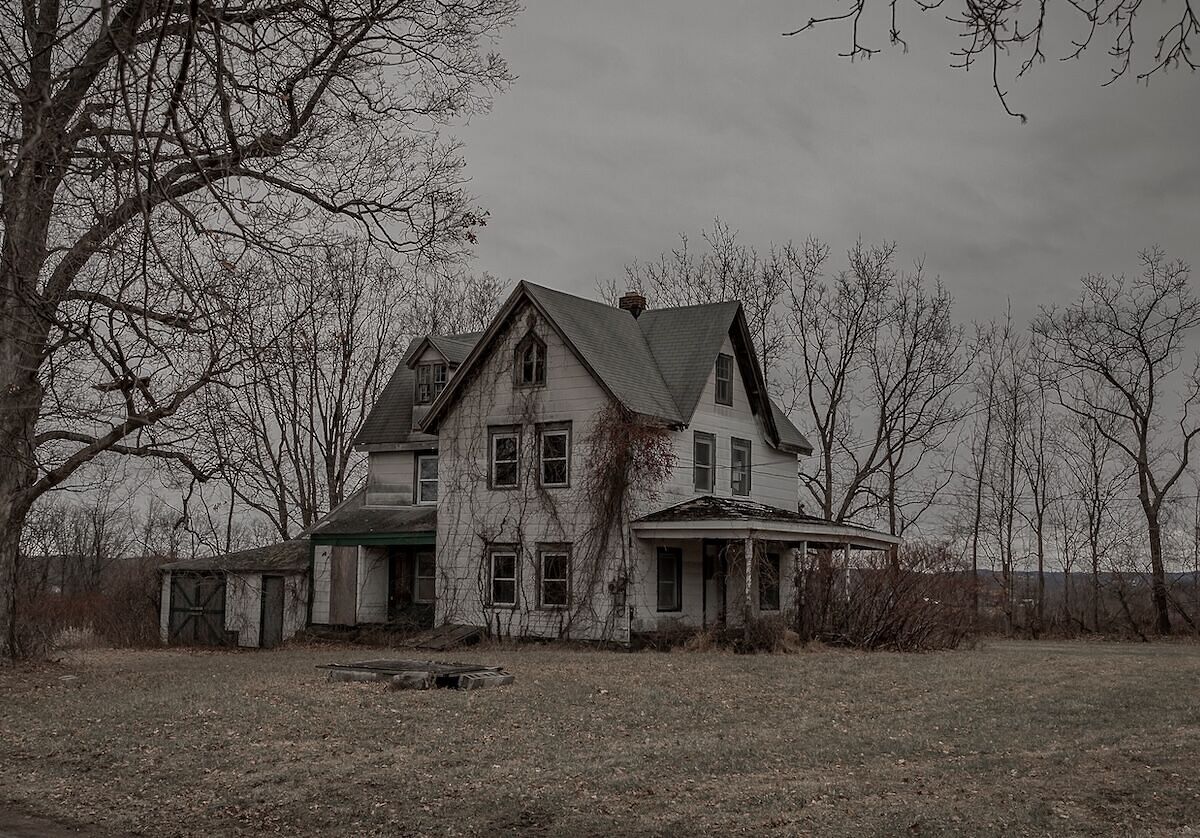
The Roff Home in Watseka, located approximately 90 miles south of Chicago, is a fixture of 19th-century American occult history. The house is intrinsically linked to the "Watseka Wonder," an event occurring between 1877 and 1878. The case involved 14-year-old Lurancy Vennum, who suffered from what were described at the time as "fits." According to historical accounts documented by the physician E. Winchester Stevens, the teenager claimed to be possessed by the spirit of Mary Roff, who had died 12 years prior.
The ensuing months, during which the girl lived with the Roff family, were studied extensively by contemporary Spiritualists as evidence of life after death. Modern paranormal enthusiasts view the home as a significant site for potential auditory and visual phenomena. By placing guests in a home with such a dense historical narrative, the campaign leans into the psychological tension that Herb Light claims their product is designed to alleviate.
The Hideaway House: Modern Paranormal Investigations
The Hideaway House in Lockport, situated roughly 40 minutes from downtown Chicago, offers a different flavor of haunting. Built in the early 20th century and formerly serving as a boarding house for a traveling priest, the property has garnered attention from modern paranormal investigation groups. Unlike the Victorian-era historical records of the Roff home, the Hideaway House is the subject of modern digital documentation, including investigations by groups such as Blood Moon Paranormal. Reports from these investigators often cite anomalous electrical activity, spontaneous movement of objects, and the aforementioned instances of refrigerators opening, providing a contemporary hook for the brand’s beverage-themed promotion.
Founder Perspectives and Brand Strategy
The contest was formally announced by co-founders Brian Siedband and Gordy, who have framed the brand’s mission through the lens of their own past experiences. According to Siedband, the concept for Herb Light was born out of a desire to eliminate the "fear factor" associated with social cannabis use.
"Anyone who’s dabbled in cannabis has a few horror stories," Siedband stated. His personal anecdote—involving an urgent request for assistance during a commercial shoot—highlights a common pain point: the loss of control or productivity due to over-consumption. By framing the product as a safer alternative to traditional cannabis or alcohol, the founders are attempting to broaden the appeal of cannabis beverages to a demographic that may be "cannabis-curious" but wary of the unpredictable effects of high-potency products.
Industry Implications and Regulatory Context
The intersection of cannabis marketing and travel-based sweepstakes is a relatively new frontier. Because cannabis remains federally illegal in the United States, marketing campaigns for such products must navigate a complex web of state-level regulations. In Illinois, where adult-use cannabis has been legal since 2020, marketing initiatives must adhere to strict guidelines regarding age verification and the promotion of responsible consumption.
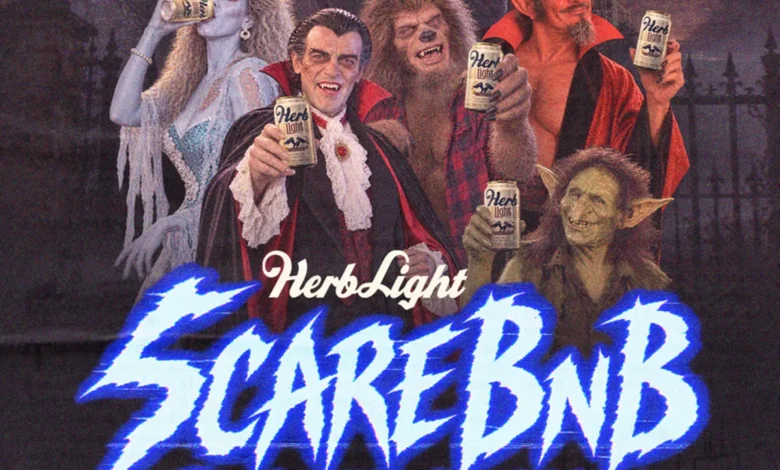
The "Scarebnb" contest serves as a case study in brand storytelling. By linking the act of consuming a mild beverage to the act of surviving a "spooky" night in a haunted house, the brand is creating a memorable consumer experience that transcends the physical product. Furthermore, the use of 1980s-inspired horror aesthetic—replete with vampires and werewolves—serves to destigmatize the product. By associating THC with campy, nostalgic tropes, the company effectively shifts the perception of cannabis from a controlled substance to a lifestyle accessory suitable for a social gathering.
The Future of Cannabis Tourism
The success of this campaign may signal a broader trend in the "cannabis tourism" sector. As more states legalize the substance, we can expect an increase in branded experiences that offer more than just a retail transaction. From infused culinary tours to wellness retreats and, in this case, paranormal excursions, companies are looking to integrate cannabis into the fabric of domestic travel.
However, such initiatives carry inherent risks. Brand managers must ensure that the promotion of consumption in rental properties does not violate the terms of service of property hosts or state housing regulations. Furthermore, the "Scarebnb" campaign places a high emphasis on the idea of "bad" stories being "the right kind of bad," suggesting a self-aware brand voice that acknowledges the inherent absurdity of the current legal landscape.
Entry Mechanics and Campaign Tone
To participate in the sweepstakes, entrants are required to submit their own personal stories of cannabis-induced mishaps. The selection criteria, as implied by the marketing material, focus on humor and relatability rather than gravity. By requesting stories that are "bad in the right way," the brand is curating a community of users who can laugh at their past mistakes, further reinforcing the brand’s identity as a solution to those very problems.
The campaign’s visual language, which mimics vintage beer advertising, is a calculated choice. The beverage industry has long used humor and lifestyle branding to sell products; by co-opting these established tropes, Herb Light is signaling that its product belongs in the same social setting as a domestic lager or a hard seltzer.
Final Analysis
The "Scarebnb" contest by Herb Light is a sophisticated blend of experiential marketing, historical interest, and product positioning. By identifying the specific consumer pain point of over-consumption and offering a "sessionable" solution, the brand is attempting to capture a significant share of the casual-use market.
While the haunting of the Roff Home and the Hideaway House remains a matter of folklore and subjective experience, the market presence of low-dose beverages is a demonstrable reality. Whether this campaign leads to a measurable increase in brand loyalty or simply serves as a successful piece of viral content, it underscores a permanent shift in how cannabis brands are communicating with the public. As the industry continues to professionalize, we can expect to see more creative, event-driven marketing that seeks to normalize the inclusion of cannabis in the common social repertoire.
For now, the winners of the contest will find themselves in two of Illinois’ most historically significant buildings, armed with a beverage that promises a night of relaxation—even if the ghosts decide to make an appearance. The event concludes in early November, by which time the company will have gathered a repository of user-generated stories that will likely serve as the foundation for their next phase of growth and customer engagement.