The Ultimate Hiking Essentials Checklist: Expert Strategies for Day Hikes, Multi-Day Treks, and Extreme Weather Preparedness

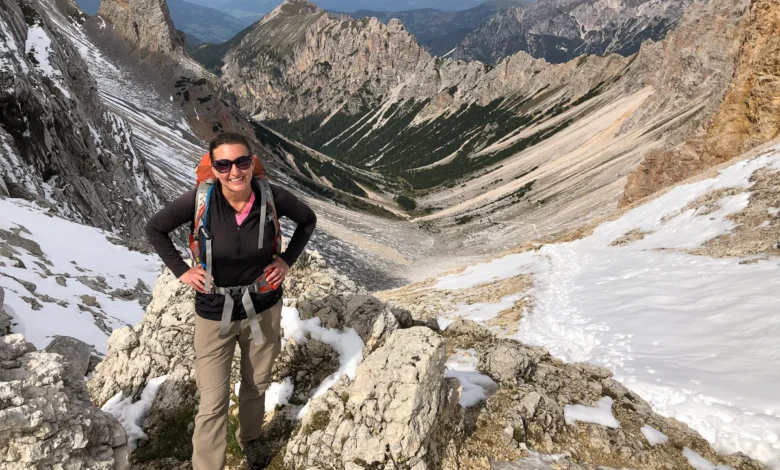
Effective preparation is the cornerstone of any successful outdoor excursion, whether undertaking a localized afternoon day hike or navigating a multi-week expedition across high-altitude mountain passes. Drawing from decades of global trekking experience across diverse terrains—ranging from the high-altitude volcanic slopes of Mount Kilimanjaro in Tanzania and the remote cordilleras of Peru to the rugged trails of Central Asia and winter routes in Bhutan—outdoor experts and travel veterans Audrey and Dan have compiled a comprehensive framework for hiking logistics, gear optimization, and load management.
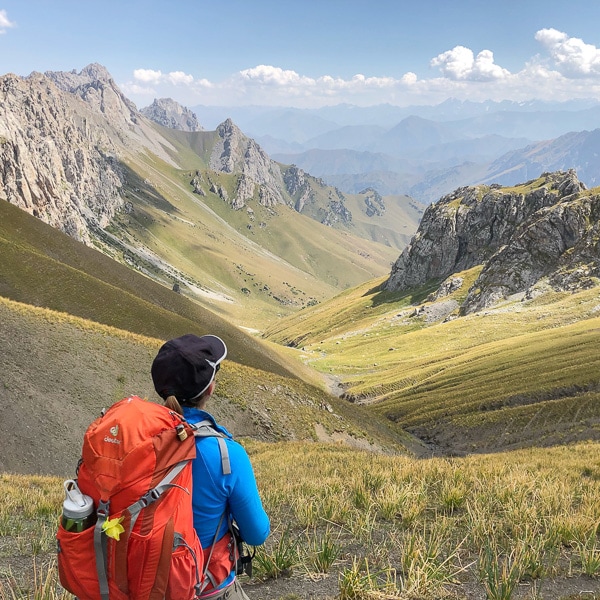
This comprehensive guide examines the essential principles of packing efficiently, debunking prevalent outdoor retail myths, selecting appropriate apparel and hardware, and managing survival and hygiene requirements in remote environments.
Context, Evolution, and Field-Tested Methodology
The methodology behind modern lightweight trekking has evolved significantly over the past two decades. In the early phases of long-term global travel, adventurers frequently carried extensive inventories designed for every conceivable climate zone, leading to unnecessary physical strain and redundant equipment weight. Through iterative field testing across dozens of multi-day expeditions, packing philosophies shifted away from maximum accumulation toward tactical minimalism and localized resource utilization.
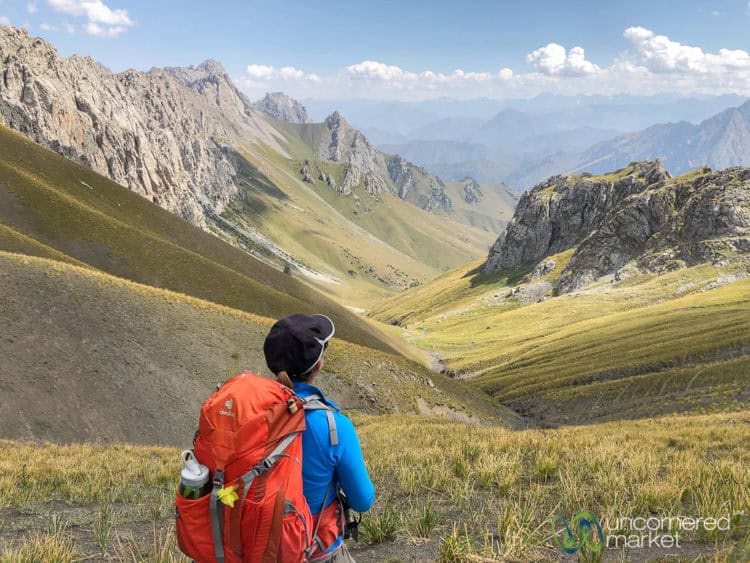
Trekking differs fundamentally from technical mountaineering, which requires specialized vertical climbing hardware and advanced alpine skills, and traditional backcountry backpacking, which generally necessitates carrying self-contained camping, cooking, and food systems. The foundational recommendations detailed in this analysis pertain primarily to supported multi-day hikes—where lodging, provisions, and structural support are managed via local guesthouses, teahouses, alpine lodges, homestays, or organized trekking agencies. In contrast, self-supported wilderness camping requires the addition of independent shelter, stove systems, and comprehensive nutrition plans.
Dispelling Common Hiking Gear Myths
Navigating the outdoor retail landscape often leads to common misconceptions regarding what is genuinely necessary for a safe and successful trek.
The Fallacy of Bleeding-Edge Equipment
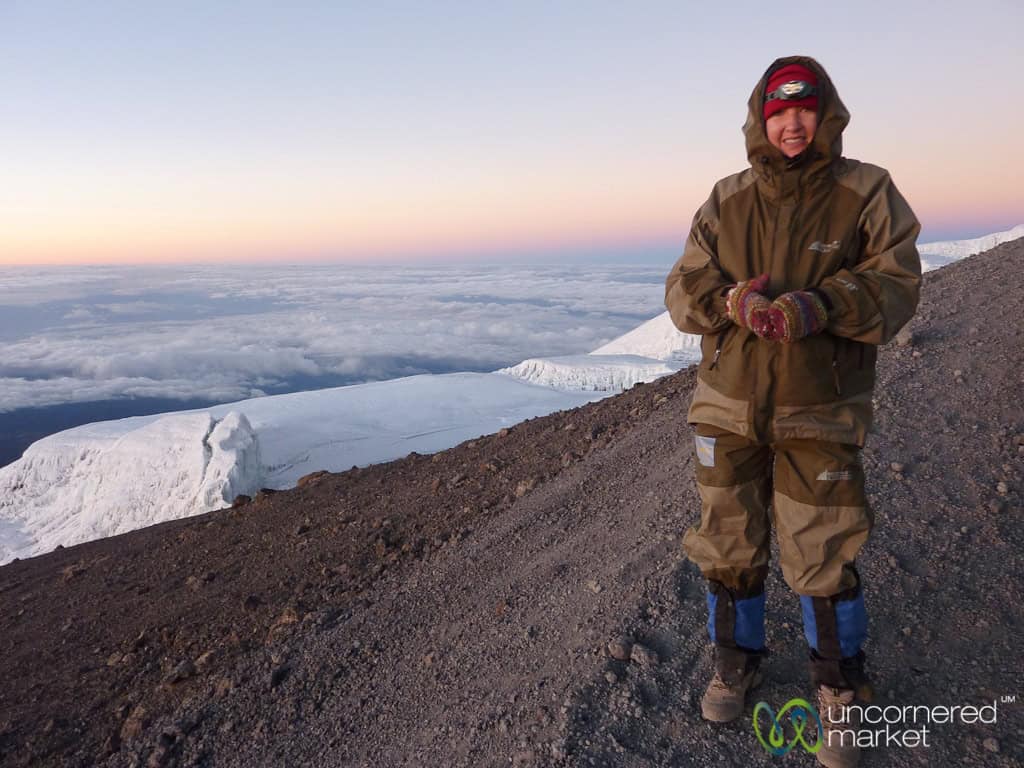
A prevailing myth in outdoor recreation is that participants must constantly purchase the latest high-end retail gear. While advanced technical fabrics—such as Gore-Tex membranes, moisture-wicking synthetics, and specialized fleece—offer legitimate advantages in breathability, wind resistance, and waterproofing, the primary focus should remain on foundational clothing attributes: comfort, breathability, light weight, and modular layering capacity. Historical observations across global mountain communities frequently demonstrate local populations traversing challenging terrain in basic footwear, underscoring that elite retail branding is not a prerequisite for safe outdoor travel.
The Exhaustive Packing Fallacy
Another common error is attempting to transport every single piece of specialized equipment from home. Strategic planning often reveals that bulky, infrequent-use items—such as heavy-duty sleeping bags, waterproof shell trousers, gaiters, and trekking poles—can be economically rented or purchased locally at the destination. For instance, renting technical alpine gear in Moshi, Tanzania prior to a Kilimanjaro ascent significantly reduces international transit baggage weight while supporting regional economies.
The Camping Requirement Misconception
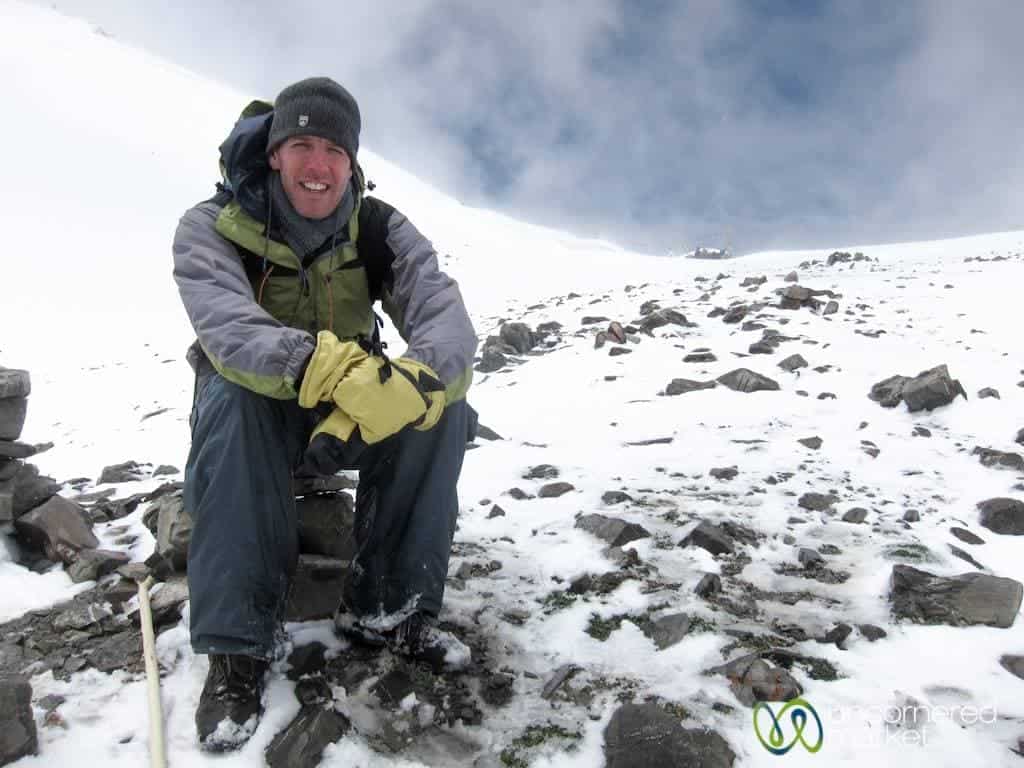
A widespread assumption dictates that a genuine wilderness trek must involve backcountry camping. While self-sustained camping provides profound isolation and autonomy, numerous world-class trekking routes—such as the Annapurna Circuit in Nepal, the Markha Valley in India, the Svaneti region in Georgia, and the Peaks of the Balkans—derive their core value from cultural immersion and human interaction through local guesthouse and homestay networks.
Core Packing Principles: Layering and Comfort
Efficient load management relies on strict structural principles developed over years of variable weather conditions at high altitudes.

The Layering System
Atmospheric conditions in mountainous regions fluctuate drastically within a single diurnal cycle. Ambient temperatures at lower elevations may generate high heat and sun exposure, whereas high-altitude mountain passes frequently trigger rapid drops into freezing temperatures or sudden precipitation. Maintaining a modular layering system—comprising moisture-wicking base layers, insulating mid-layers, and breathable waterproof outer shells—allows hikers to dynamically adjust their thermal regulation throughout the day.
Separation of Trekking and Sleeping Apparel
To maintain morale and personal hygiene during extended treks, experienced hikers advocate for maintaining a strict separation between daytime "uniforms" and nighttime rest wear. Continuous physical exertion creates moisture accumulation in daytime clothing. Changing into a clean, dry set of thermal base layers, pajama bottoms, and fresh socks inside a protective dry sack at camp prevents chilling, facilitates nighttime recovery, and allows damp daytime garments to air out overnight.

Comprehensive UV Protection
Solar radiation intensifies exponentially with altitude, rendering standard ultraviolet protection insufficient. High-altitude environments reflect solar energy off snow and barren rock, increasing the risk of severe sunburn and photokeratitis (corneal sunburn). Standard protocols require broad-spectrum high-SPF sunscreens, protective wide-brimmed headwear, and high-category UV-blocking sunglasses.
Hardware Selection: Backpacks and Load Distribution
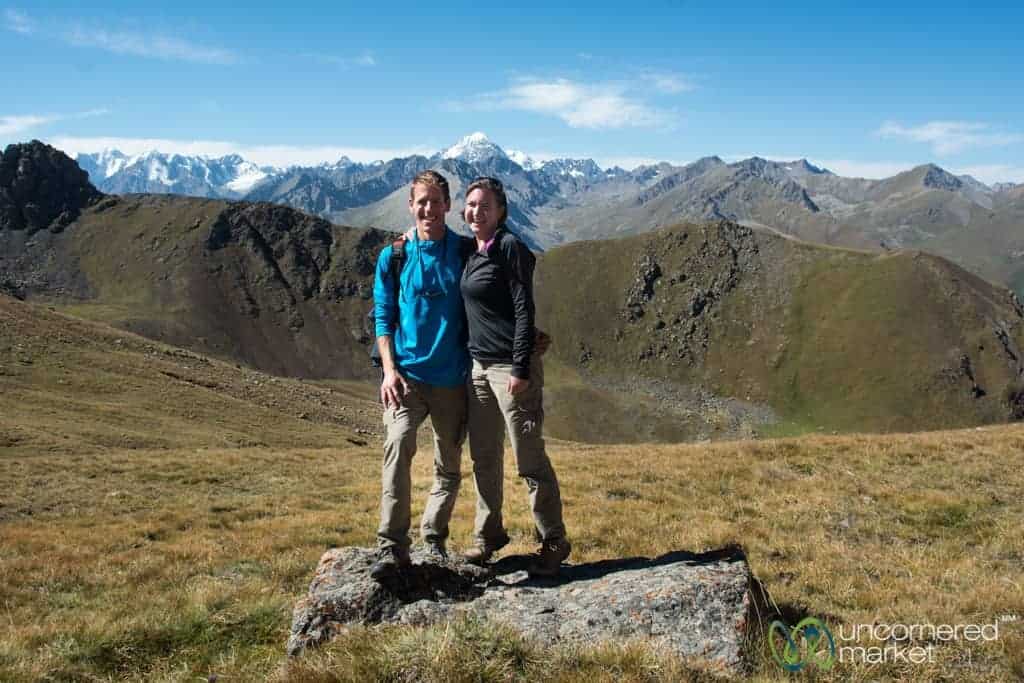
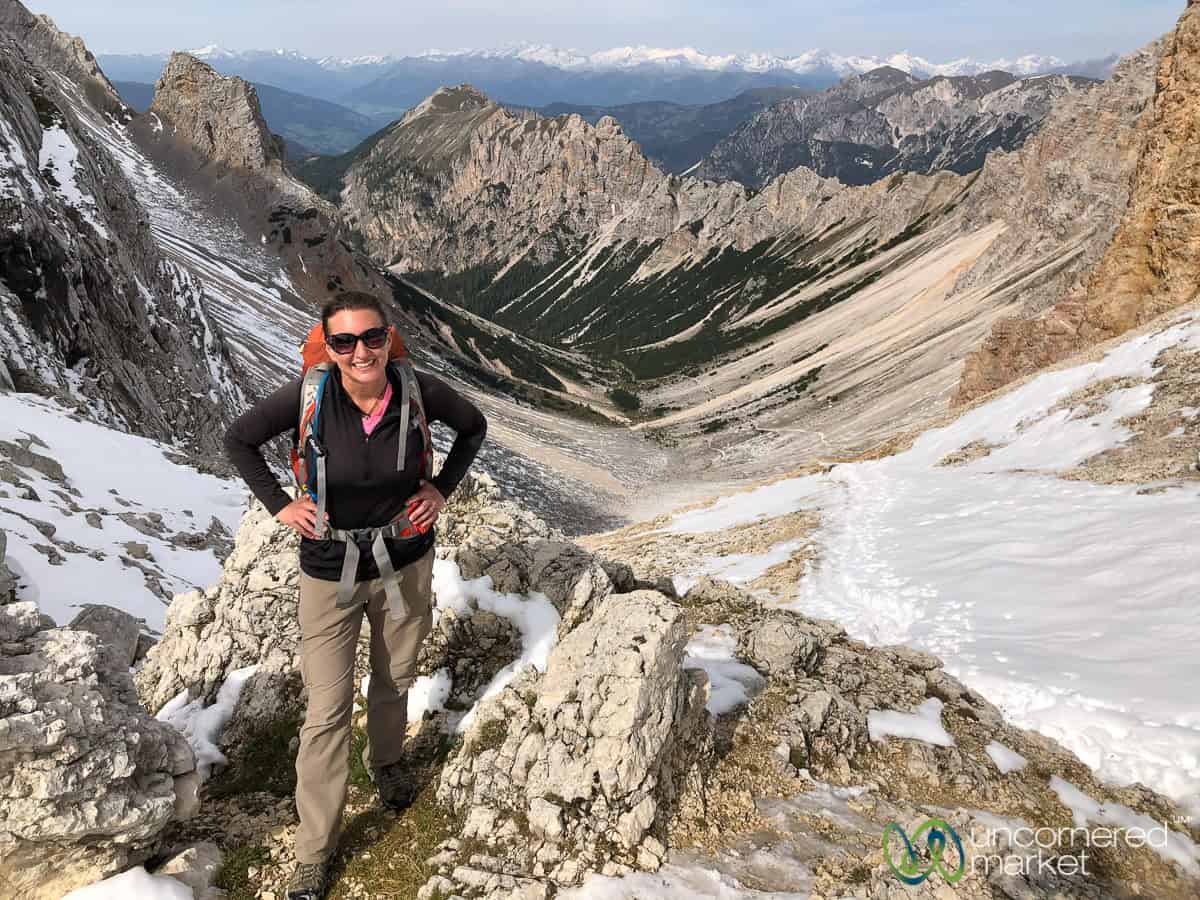
Carrying equipment over uneven topography demands a properly fitted, ergonomically designed backpack. Pack volume must align with route duration and climate requirements, typically ranging from 28-liter to 40-liter capacities for supported multi-day treks or extended day hikes.
Deuter ACT Trail Pro SL (Women’s Specific Design)
Engineered specifically for female anatomical structures, the Deuter SL series incorporates a shorter back length, narrower shoulder harness shaping, and an optimized hip belt. Built-in features include integrated rain covers, hydration bladder compatibility, and robust load-stabilization compression straps. Field testing across long-distance routes, such as the 960-kilometer Camino de Santiago, demonstrates sustained shoulder comfort and minimized lower-back fatigue.
Osprey Exos and Stratos Series (Men’s Ergonomics)
For male hikers requiring high-capacity ventilation and adjustable torso lengths, Osprey’s Exos (multi-day) and Stratos (daypack) lines utilize suspended mesh back panels that enhance airflow between the spine and the pack body. These systems effectively transfer weight to the hips, mitigating localized muscle strain across steep ascents.
Apparel Specifications for Extended Treks
An optimized 5-to-10-day trekking wardrobe emphasizes multi-use functionality and rapid-drying synthetic or merino wool fabrics.
- Hiking Pants: Durable, quick-drying synthetic trousers featuring articulated knees and secure zippered pockets are essential for securing maps, navigational devices, and personal items. Fabrics treated for moisture-shedding and stain resistance maintain structural integrity across abrasive granite and brush.
- Base Layers: Silk or lightweight merino wool long underwear (tops and bottoms) provide superior thermal retention relative to their negligible volumetric footprint. Synthetic alternatives, such as proprietary heat-retention technical weaves, offer high warmth-to-weight ratios.
- Footwear: Quality hiking shoes or mid-cut boots with aggressive rubber outsoles form the primary defense against injury. Models incorporating supportive insoles and waterproof-breathable membranes protect feet across variable scree, mud, and stream crossings. Proper break-in periods prior to departure are mandatory to prevent acute friction injuries.
- Secondary Footwear: Lightweight sandals or camp shoes paired with wool socks provide essential ventilation and relaxation for feet during evening hours while facilitating sanitary movement around lodging facilities.
Environmental Safety, Hydration, and Survival Gear
Operating in remote wilderness corridors necessitates comprehensive preparation for medical emergencies, navigation anomalies, and sudden meteorological shifts.

Water Purification and Conservation
Dehydration impairs cognitive function and physical endurance at altitude. Hikers must maintain constant fluid intake via a combination of easily accessible hydration bladders and rigid reusable water bottles. To mitigate the global crisis of single-use plastic pollution in fragile mountain ecosystems, single-use bottled water should be avoided. Sourcing water from municipal supply points, ultraviolet sterilization devices (such as the SteriPEN), chemical purification drops, or micro-filtration bottles guarantees biological safety without generating environmental waste.
First Aid and Blister Management
Remote medical isolation requires carrying a targeted pharmacological and trauma kit. Essential provisions include broad-spectrum antibiotics for acute gastrointestinal infections, rehydration salts, analgesics, and comprehensive anti-inflammatory medications. Acute friction management requires immediate intervention: applying friction-reducing tape or specialized hydrocolloid dressings (such as Compeed) at the earliest sensation of a "hot spot" prevents debilitating blistering.
Emergency Navigation and Illumination
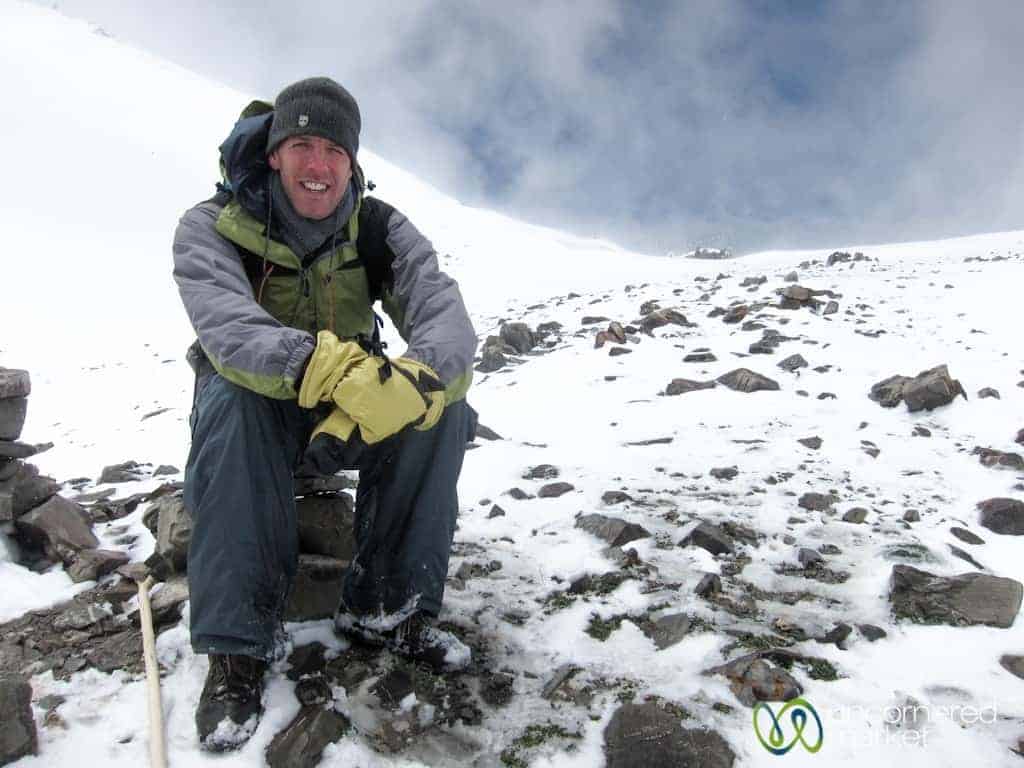
Reliable lighting systems, specifically hands-free headlamps powered by fresh or rechargeable cells, are indispensable for navigation during pre-dawn starts or unexpected delays after dark. Multi-tool knives, emergency dry sacks, and high-visibility emergency whistles round out the fundamental survival inventory.
Winter Trekking Adjustments
Executing winter expeditions—such as high-altitude sub-zero routes encountering deep snowpacks and freezing night temperatures—requires targeted equipment upgrades.
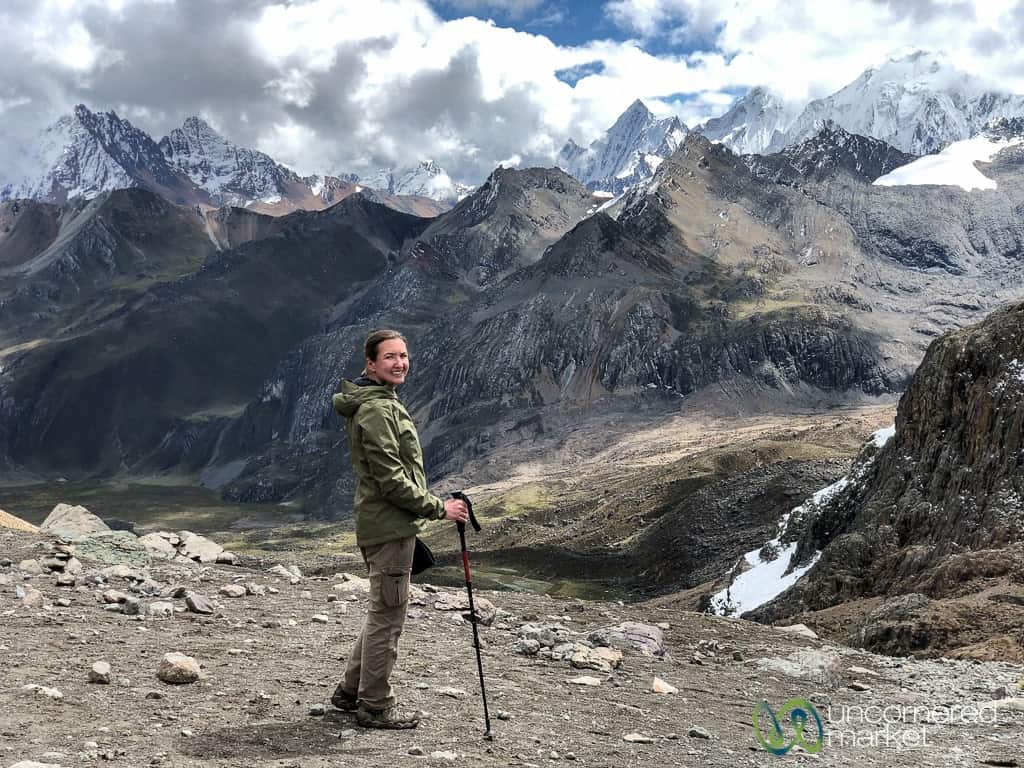
- Winter Sleeping Bags: Thermal ratings must align with anticipated environmental minimums, prioritizing bags with certified comfort ratings reaching down to -10°C / 14°F or lower. Synthetic insulations offer reliability in damp conditions, whereas high-fill down sleeping bags deliver superior warmth-to-weight ratios when kept dry.
- Traction and Gaiters: The incorporation of lightweight microspikes or traction cleats prevents catastrophic slips on hidden ice shelves. Concurrently, high-coverage shoe gaiters prevent snow accumulation from penetrating footwear seams during traverses through deep drifts.
- Extremity Protection: Waterproof insulated gloves, chemical adhesive toe and hand warmers, and dedicated windproof shell layers safeguard vulnerable peripheral extremities against frostbite and hypothermia during static rest periods.
Summary and Planning Resources
Systematic preparation eliminates preventable vulnerabilities on remote trails. Outdoor practitioners are encouraged to utilize standardized logistical checklists prior to departure to verify that navigational, thermal, nutritional, and medical contingencies are fully addressed, ensuring a safe, sustainable, and rewarding wilderness experience.