Discovering Lazio Unmasked: A Sustainable E-Bike Initiative Unveils Italy’s Overlooked Heart

The Lazio region of central Italy, historically overshadowed by the monumental gravity of its regional capital, Rome, is stepping into the spotlight through an innovative sustainable tourism initiative. Funded by the Lazio Region and spearheaded by the Thybris River Experience alongside professional guides and cycling advocates, a series of multi-day guided e-bike itineraries are redefining travel along the Tiber River corridor. This strategic effort aims to disperse tourism away from congested urban centers, directing visitors toward the lesser-known archaeological, natural, and culinary treasures of northern and coastal Lazio.
Background and Context of the Lazio E-Bike Initiative
For decades, international travelers treating Lazio as a mere transit hub to Rome have missed an expansive landscape rich in medieval hill towns, volcanic terroirs, and ancient trade routes. Derived from the Latin word latus, meaning "wide" or "broad," Lazio historically denoted the low-lying plains surrounding the Eternal City. Today, regional authorities and local stakeholders are adopting this definition of "wide open" spaces to promote slow travel and environmental stewardship.
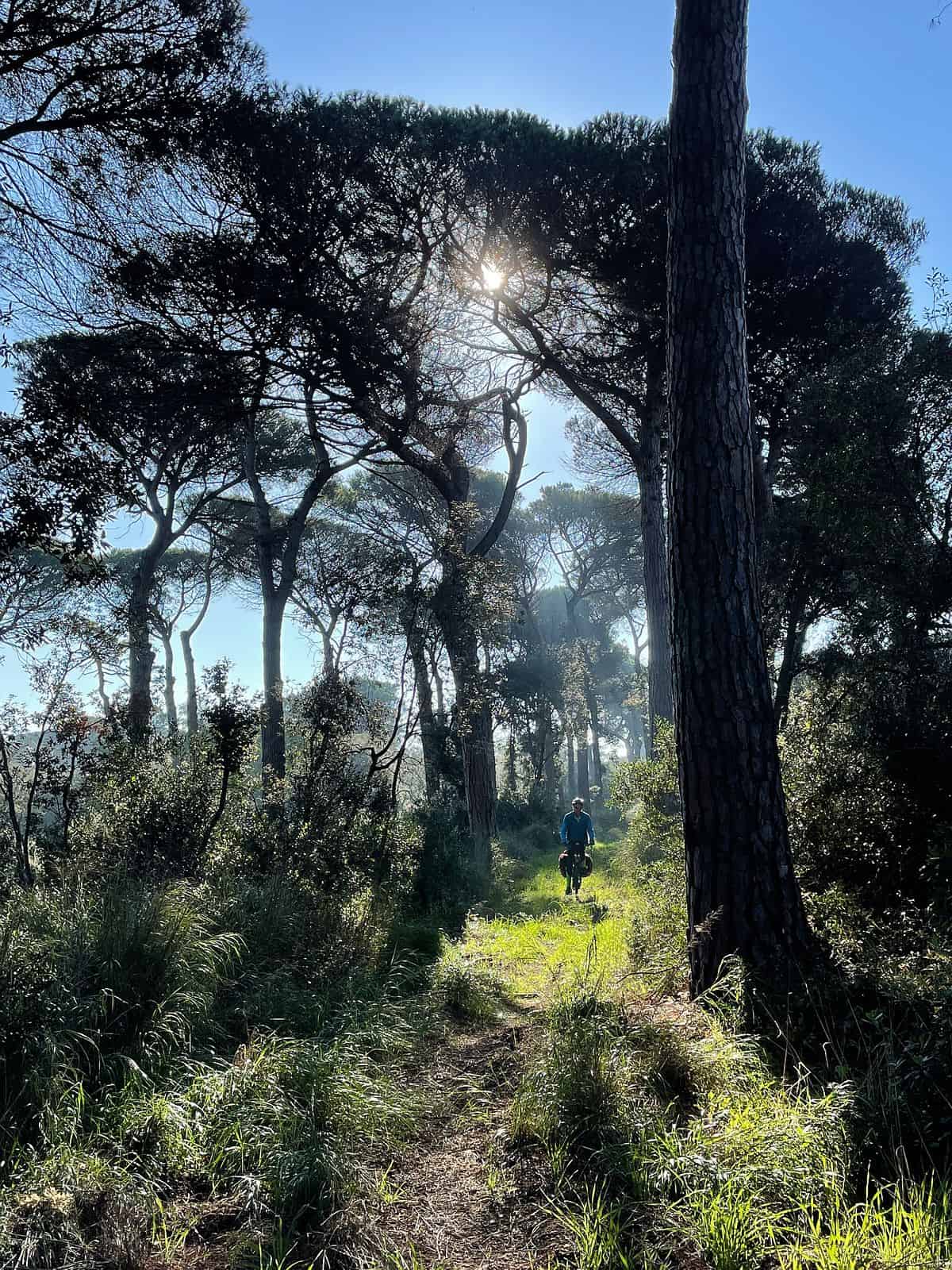
The initiative, developed over a comprehensive ten-day exploratory project, connects travelers via regional trains and electric bicycles to three distinct sub-regions within an hour of Rome: Tuscia and Teverina to the north, the Tevere-Farfa Natural Reserve, and the coastal fringes of Ost

ia Antica, Fiumicino, and Isola Sacra. By prioritizing local operators, organic agriculture, and low-impact transit, the program serves as a practical model for regenerative tourism in central Italy.
Chronology of Regional Exploration: Three Distinct Itineraries
The structured itineraries are designed for customizable two-to-three-day journeys, blending physical activity with cultural immersion.

1. Tuscia and Teverina: Hill Towns, Volcanic Wines, and Villa Life
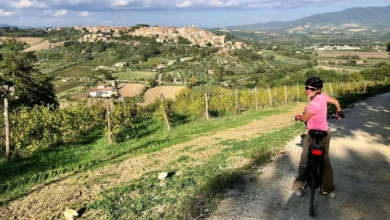
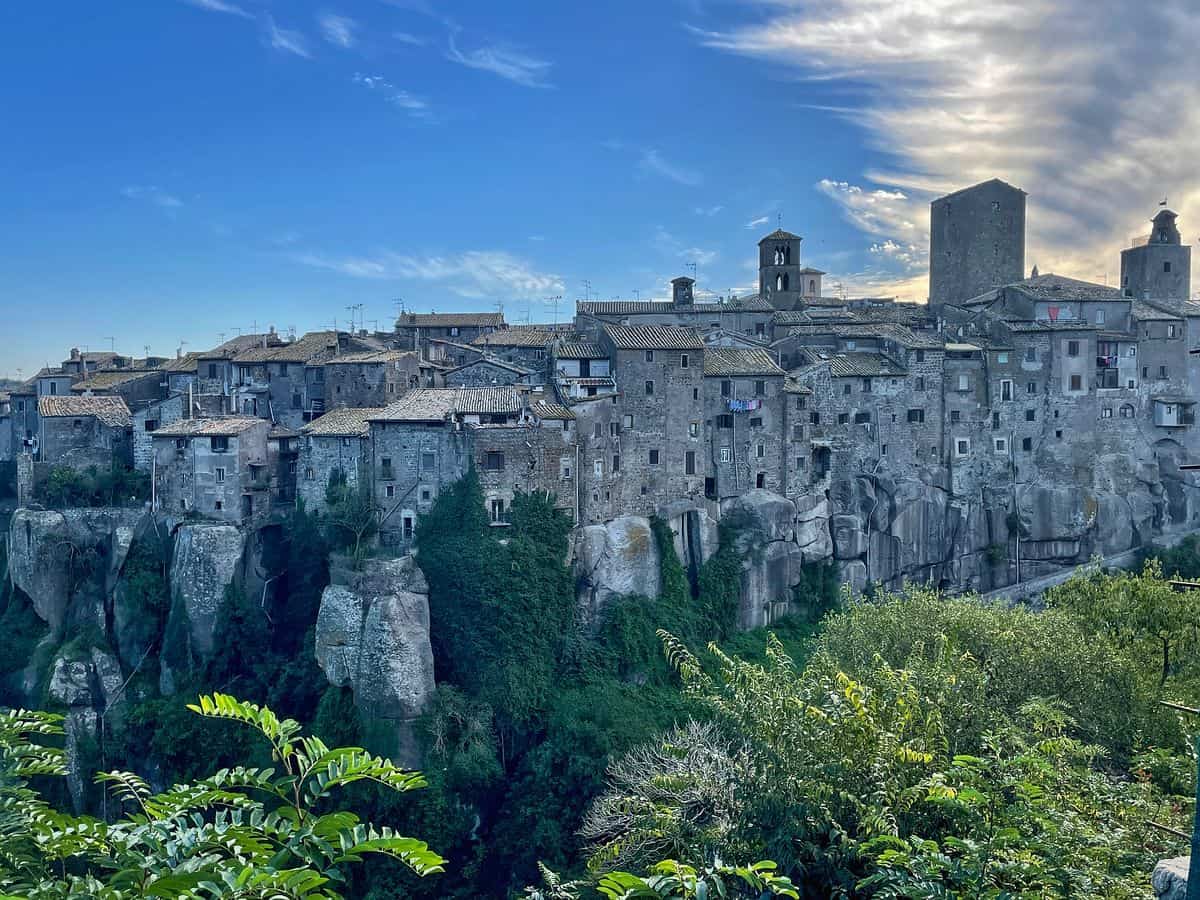
Located in northern Lazio near the borders of Umbria and Tuscany, the Tuscia and Teverina districts offer medieval hill towns such as Civitella d’Agliano, Celleno, Roccalvecce, and Vitorchiano. Perched above the Tiber River valley, these settlements remain largely free of mass tourism.

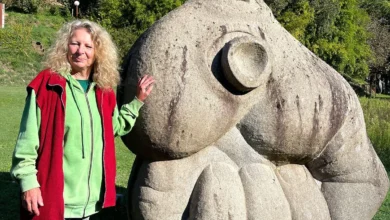
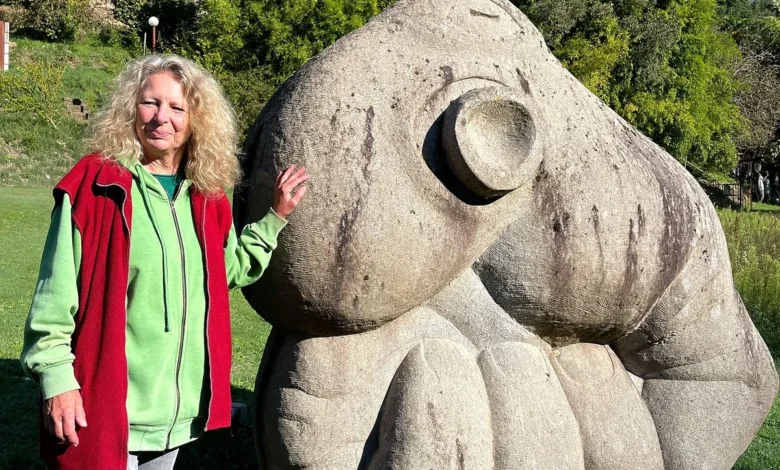
Key stops along this route include the Trebotti wine farm, a fully sustainable, family-run operation practicing organic viticulture on volcanic soils for over two decades. Utilizing ancient Etruscan cellars and lightweight glass packaging, the winery emphasizes environmental harmony. Cultural highlights feature La Serpara, a private sculpture garden established by artist Paul Wiedmer, and Il Mulino dei Mestieri (The Mill of Craftsmen) in Civitella d’Agliano, which houses a restored collection of early 20th-century vocational bicycles.

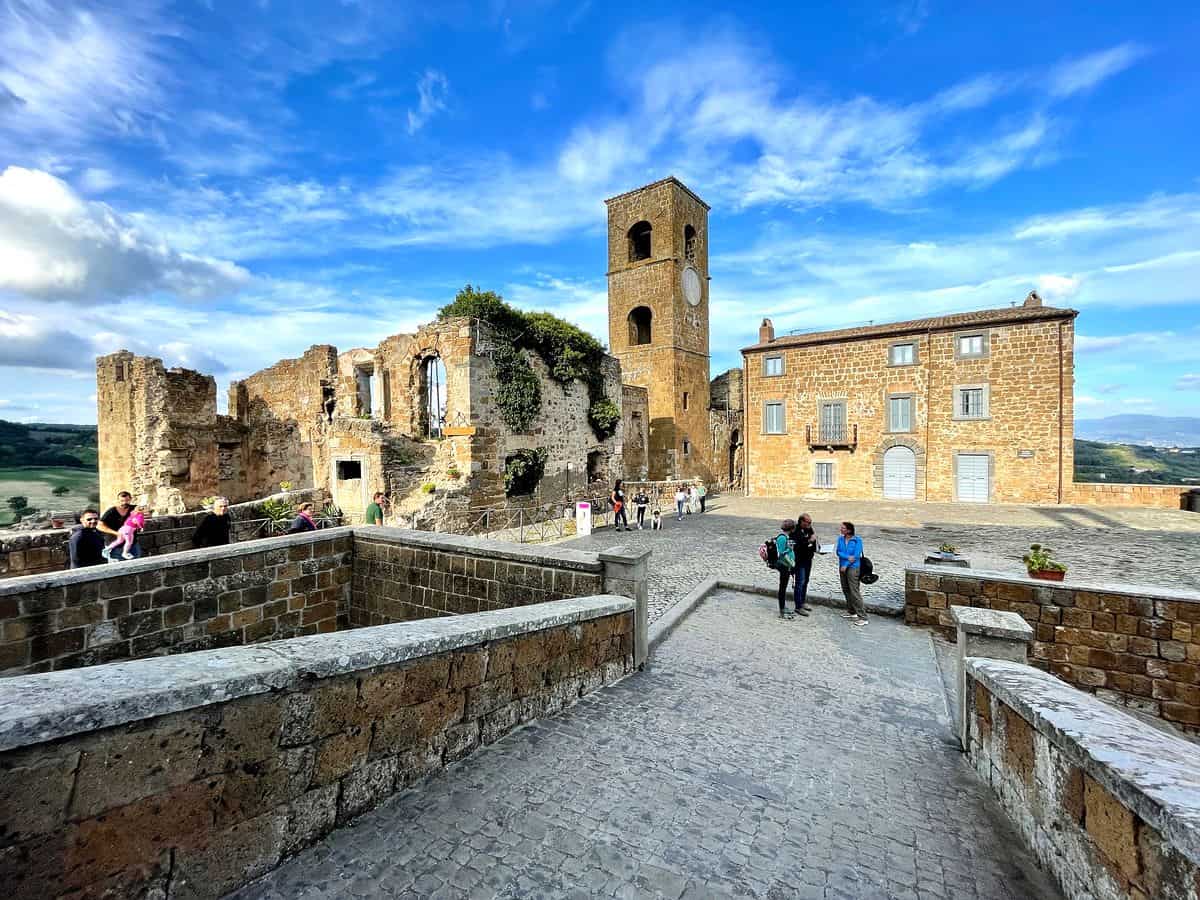
Travelers also encounter Il Borgo Fantasma (The Ghost Town) of Celleno—abandoned following 20th-century landslides and earthquakes—and stay in historically restored estates such as the 18th-century Villa Lais in Sipicciano. The route concludes near Bomarzo at the 16th-century Sacro Bosco (Park of the Monsters), a Mannerist garden commissioned by Prince Pier Francesco Orsini.

2. Tevere-Farfa Reserve and Nazzano: Conservation, Art, and Military History
Moving southward along the Tiber, the Tevere-Farfa Natural Reserve represents Lazio’s first protected natural area. The landscape features river bends, exposed tufa rock formations, and rich biodiversity, including migratory bird species and populations of wild boars.

Activities in this sector include canoeing the Tiber River, farm-to-table dining at La Fattoria Didattica Campo di Contra, and exploring the medieval hilltop village of Nazzano. In Ponzano Romano, visitors engage with local artists like 82-year-old filmmaker and painter Michele Longo.

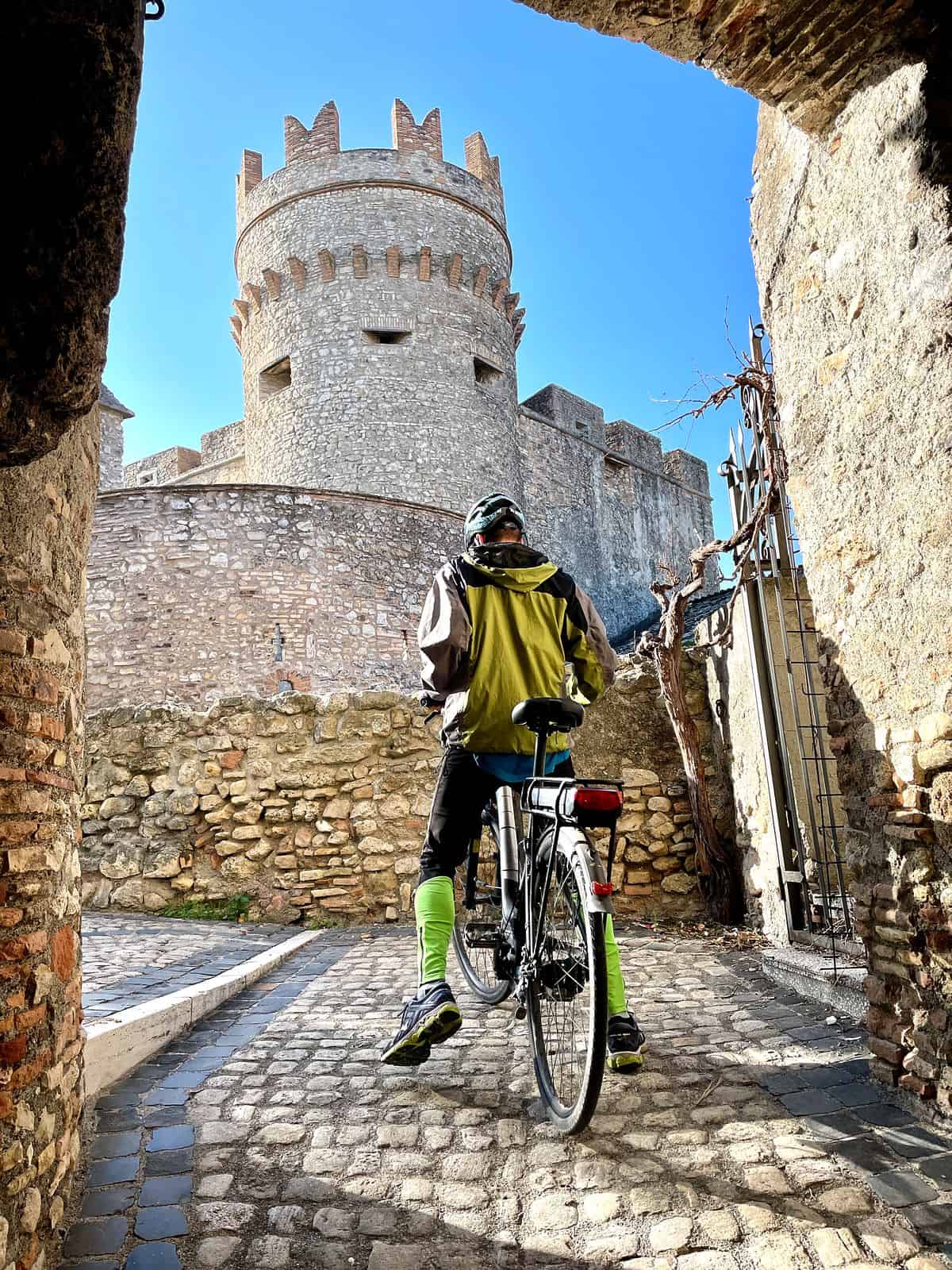
A notable historical site within this itinerary is Bunker Soratte near Sant’Oreste. Originally constructed as a mega-bunker complex for Benito Mussolini between 1937 and 1939, the four-kilometer underground network was subsequently occupied by Nazi Germany’s Field Marshal Albert Kesselring during World War II and later designated as a NATO-era nuclear fallout shelter for Italian officials. Additional cultural points include the Fondazione Serpone sculpture garden in Torrita Tiberina, featuring a contemporary chapel installation by Austrian artist Hermann Nitsch.

3. Rome’s Coastal Edge: Ostia Antica, Portus, and Isola Sacra
The final itinerary bridges antiquity and modernity along the coast of the Tyrrhenian Sea. It highlights Ostia Antica, one of Rome’s earliest and best-preserved commercial colonies, featuring Roman amphitheaters, bath mosaics, and ancient street food infrastructure.

Nearby lies Portus—the Imperial Harbours of Claudius (42 AD) and Trajan (100 AD)—which served as ancient Rome’s primary Mediterranean trade gateway. Visitors also explore the Necropolis of Portus in Isola Sacra, an extensive 1st-century AD burial site illustrating the stratification of Roman society from affluent patricians to manual laborers.

Modern community initiatives are equally prominent in this zone, including the Museo della Cultura Contadina, which preserves the socio-economic history of land reclamation projects following World War I. Maritime heritage is maintained via the 1895 Pietro Micca steam tugboat, while ecological restoration is exemplified by the LIPU Oasis in Ostia, where a former waste dump has been successfully transformed into a thriving wetland sanctuary for migratory birds.
Official Responses and Project Stakeholders
The collaborative nature of the Lazio e-bike initiative has drawn praise from cultural and tourism leaders. Professional guide and cycling enthusiast Giorgia Cadinu, who conceptualized the project alongside the Thybris River Experience, emphasized the importance of connecting modern travelers with the lesser-known historical narratives of the Tiber River basin.

Regional administrators note that the project aligns with broader European Union objectives to promote sustainable mobility, reduce carbon footprints in high-density tourist zones, and distribute economic benefits more equitably across rural municipalities.

Broader Impact and Economic Implications
The implementation of structured, low-impact cycling itineraries in Lazio addresses a critical challenge in modern Italian tourism: over-tourism in primary hubs like Rome, Florence, and Venice. By channeling visitors toward secondary and tertiary destinations—such as the hill towns of Tuscia and the natural reserves of the Tiber valley—local economies receive vital support without suffering the degradation associated with mass tourism.

Furthermore, the integration of sustainable agricultural practices, such as organic viticulture at Trebotti and regenerative land management at the LIPU Oasis, underscores a growing shift toward environmental accountability in the travel sector. As infrastructure projects like the Sentiero Pasolini and Regina Ciclarium continue to develop, Lazio is positioning itself as a premier destination for slow, reflective, and environmentally conscious exploration in Italy.