The observance of Día de los Muertos, or Day of the Dead, stands as one of Mexico’s most profound cultural pillars, and Puerto Vallarta has emerged as a premier destination for experiencing this UNESCO-recognized intangible cultural heritage. As the coastal city transitions from late October into early November, the urban landscape undergoes a transformation defined by intricate altars, massive public art installations, and a solemn yet celebratory atmosphere. While historically rooted in indigenous Mesoamerican traditions and syncretized with Catholic liturgical practices, the modern celebration in Puerto Vallarta balances historical reverence with an expansive public festival that draws international tourism.
Historical Context and Cultural Significance
Día de los Muertos is not a singular event but a multi-day observance centered on the belief that the veil between the world of the living and the departed thins during this period. The tradition synthesizes ancient Aztec rituals honoring the goddess Mictecacihuatl with the Spanish-introduced All Saints’ Day and All Souls’ Day. In contemporary Mexican society, the holiday functions as an act of resistance against the erasure of ancestral memory, emphasizing that death is not the termination of life but a continuation of the human experience.

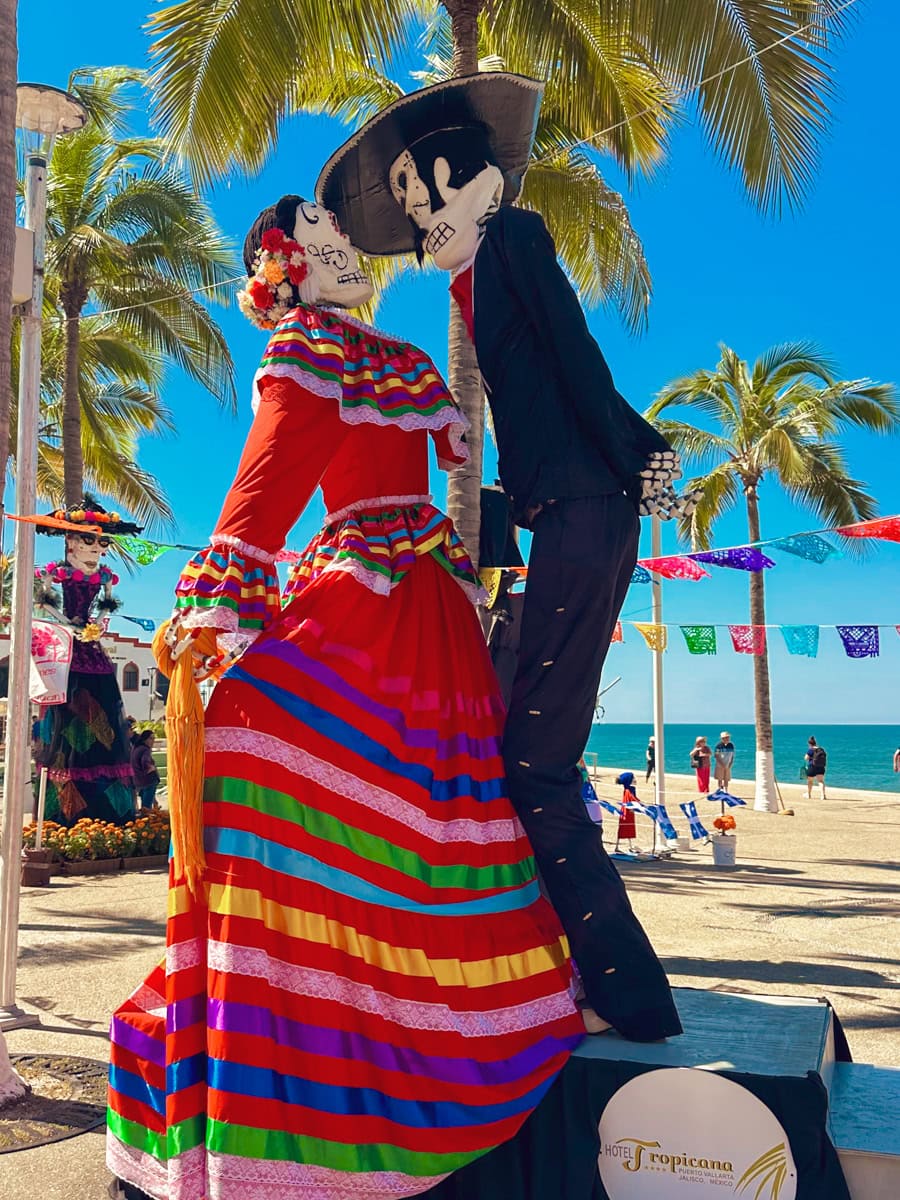
The evolution of the holiday in Puerto Vallarta has seen a shift from purely private, domestic observances in family homes and cemeteries to large-scale public displays of art. This expansion allows both locals and visitors to engage with the cultural narrative of mortality and remembrance. The central figure of these celebrations is the Calavera Catrina, a satirical skeleton character created by cartoonist José Guadalupe Posada in the early 20th century. Originally intended to critique social class dynamics, the Catrina has been adopted as the primary icon of the holiday, representing the great equalizer—death—which claims all regardless of status.

The Chronology of Commemoration
The festival follows a specific, symbolic timeline. October 27 is designated as the day to honor deceased pets, reflecting the growing cultural emphasis on the bond between humans and animals. November 1, known as Día de los Inocentes or Día de los Angelitos, is dedicated to the spirits of children who have passed. The culmination occurs on November 2, when the focus shifts to the spirits of adults. Throughout these days, the city hosts a series of structured events that guide the public through these stages of remembrance.

Major Public Installations and Events
The focal point of the city’s civic festivities is the Plaza de Armas. Here, the municipal government and local community groups collaborate to construct elaborate ofrendas, or altars. These structures are not merely decorative; they are meticulously curated with specific elements: cempasúchil (marigold) flowers to guide spirits with their color and scent, water to quench the thirst of the souls, salt for purification, and pan de muerto to provide sustenance. The plaza frequently honors notable local figures, such as Don Guadalupe Sánchez, the founder of Puerto Vallarta, reinforcing the link between civic history and spiritual tradition.

Along the Malecón, the city’s famous oceanfront boardwalk, the "Great Day of the Dead Parade" takes place on November 2. The parade is a massive logistical undertaking, featuring local schools, dance troupes, and civic organizations. It typically begins at the Cinco de Diciembre Cemetery and moves through the heart of the city to the Los Arcos amphitheater. This procession showcases the fusion of traditional folk dance with contemporary artistic expression.

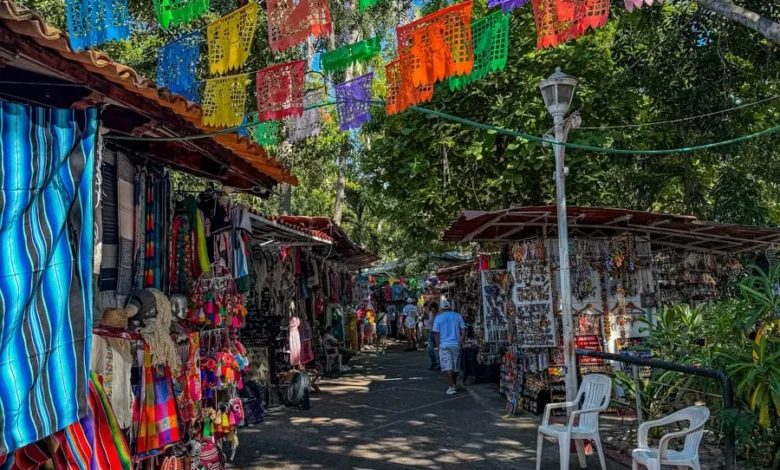
The Isla del Cuale, an island nestled in the Cuale River, hosts a separate, distinct celebration on November 1. This location serves as an artistic hub, often featuring artisan markets and pet-focused ofrendas. The setting offers a more intimate, localized experience compared to the grand, high-traffic events on the Malecón, providing a space for residents to gather and share oral histories of the deceased.

Economic and Tourism Impact
Puerto Vallarta’s strategic focus on cultural tourism during the fall shoulder season has yielded significant economic results. By investing in the "world’s tallest Calavera Catrina"—a structural feat that has previously exceeded 75 feet in height—the city creates a unique selling point that distinguishes it from other Mexican destinations.

Tourism data suggests that these installations serve as significant drivers for the hospitality sector. Hotels such as Velas Vallarta and Casa Velas have integrated the holiday into their guest experience, offering guided tours of altars and traditional culinary workshops. This institutionalization of the holiday allows for a controlled, educational environment where international visitors can learn the nuances of the symbols, such as the meaning behind the sugar skulls (calaveras de azúcar) and the significance of the offerings.

Culinary Traditions and Gastronomy
The culinary aspect of Día de los Muertos is integral to the observance. Traditional dishes are prepared not only for the living but as offerings to the dead. Pozole, a pre-Hispanic soup made of hominy and meat, is widely consumed during late-night vigils. Its preparation varies by region, with red, white, and green varieties being common in the Jalisco state.

Tamales, often steamed in corn husks or banana leaves, serve as a communal food that facilitates social cohesion. The process of making them, known as a tamalada, is an essential social ritual that fosters intergenerational knowledge transfer. The most ubiquitous item, however, is the pan de muerto. This sweet, leavened bread, topped with bone-shaped pieces of dough and dusted with sugar, is a staple in every local bakery during the period. The bread’s structure—a round loaf with a small ball at the top representing a skull—serves as a tangible reminder of the holiday’s themes.

Analytical Perspective on Societal Shifts
The increasing popularity of Halloween-themed events alongside traditional Día de los Muertos festivities has prompted discussion among cultural historians. While Halloween is a non-indigenous import, its presence in Puerto Vallarta is largely viewed by local authorities as an additive, rather than a replacement. The synthesis of these events—such as costume contests held at hotels alongside traditional altar-blessing ceremonies—indicates a broader trend of cultural hybridization.

However, there is a clear distinction maintained by the local community: while Halloween is treated as a secular, entertainment-focused event, Día de los Muertos remains a strictly solemn yet celebratory reflection on death. The coexistence of both reflects Puerto Vallarta’s status as an international tourist hub that must cater to a diverse global audience while preserving the integrity of its local customs.

Conclusion and Practical Observations
Visitors looking to participate in these events are encouraged to prioritize respectful observation, particularly when visiting the Cinco de Diciembre Cemetery. While the public is invited to witness the cleaning and decorating of graves, this is a sacred time for families. Engaging with the events requires an understanding that the spectacle, while visually stunning, is an expression of deep, personal, and collective grief and love.

For travelers, the most effective way to engage with the culture is through a combination of civic-led events, such as the Malecón parades, and smaller, community-centered gatherings at locations like the Isla del Cuale. By focusing on the historical and culinary significance of the holiday, Puerto Vallarta continues to solidify its position as a destination that honors its heritage while inviting the world to participate in a profound meditation on the cycle of life and death.