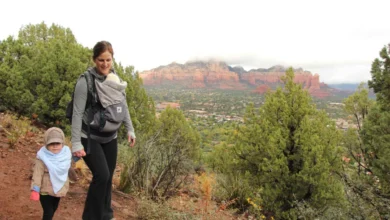
Sedona, Arizona, has long been recognized as a premier destination for outdoor enthusiasts, but in recent years, it has evolved into a significant hub for family-oriented adventure travel. As the tourism industry in the American Southwest pivots toward multi-generational experiences, Sedona’s landscape—characterized by its iconic crimson sandstone formations and Coconino National Forest access—has become a focal point for families traveling with infants, toddlers, and young children. Hiking in this high-desert environment requires careful logistical planning, ranging from understanding micro-climates to selecting appropriate gear for varying terrain.

The Landscape of Sedona Tourism
Sedona sits at an elevation of approximately 4,350 feet, a factor that significantly influences both the weather and the physical demands of hiking. The region attracts millions of visitors annually, with a notable uptick in family demographics during the spring and fall shoulder seasons. The area’s geography is dominated by the Mogollon Rim and the Verde Valley, which provide a diverse range of hiking experiences.

For parents, the challenge lies in balancing the rugged nature of the Red Rock Country with the safety and accessibility requirements of young children. Municipal and federal land managers, including the U.S. Forest Service, have increasingly focused on trail maintenance to support a wider array of users. However, visitors are reminded that while popular trails are well-marked, the desert environment is unforgiving, and professional guidance or thorough preparation remains essential.

Essential Gear and Safety Protocols
Data from outdoor recreation safety groups consistently emphasize that heat-related illnesses and dehydration are the primary risks for hikers in Arizona. When traveling with children, the metabolic demand is higher, and the inability of infants to regulate body temperature necessitates strict adherence to timing.

Experts recommend that families limit hiking to the early morning hours, typically finishing by 11:00 AM, to avoid the peak UV index and temperature spikes. Proper gear includes:

- Stroller Selection: Standard city strollers are generally ineffective on Sedona’s terrain. All-terrain, three-wheeled strollers with air-filled tires are the minimum requirement for paths designated as "stroller-friendly."
- Carrier Systems: For trails involving rock scrambles or narrow passages, framed hiking carriers are preferred over soft wraps, as they provide better stability for the parent and protection for the child.
- Hydration Infrastructure: It is recommended that families carry at least one liter of water per person per hour of expected hiking time.
- Navigation: While cellular connectivity is improving in the Sedona city limits, it is frequently non-existent in the canyons. Digital, offline-accessible trail maps are now considered standard safety equipment.
Top-Tier Trails for Families
While the region boasts hundreds of miles of trails, six specific locations have emerged as the most manageable for those with younger children.

1. The Bell Rock Pathway
The Bell Rock Pathway serves as the quintessential introduction to Sedona’s red rock geography. Stretching approximately 2.7 miles in its entirety, the trail is largely flat and accessible. Its proximity to the Red Rock Scenic Byway makes it highly convenient for families staying in the Village of Oak Creek. The trail’s surface is mostly packed gravel, which is generally compatible with rugged, off-road strollers.

2. The West Fork Trail
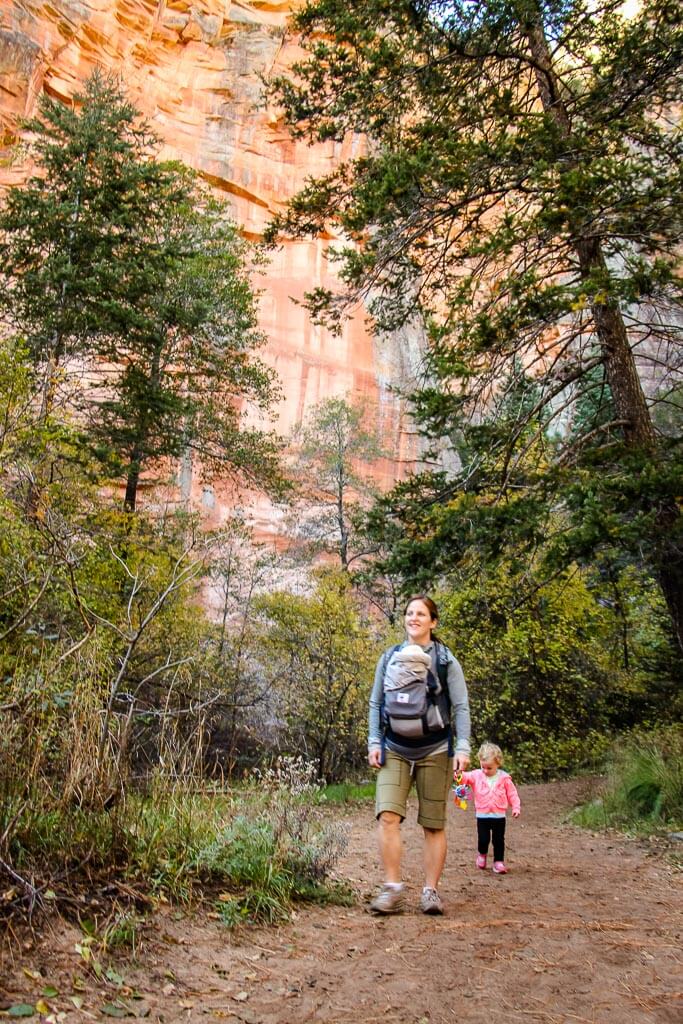
Regarded for its dramatic, towering canyon walls and the perennial flow of Oak Creek, the West Fork Trail provides a natural cooling effect. It is a critical example of how canyon geography can offer sun protection. Unlike the exposed mesas, the dense vegetation and towering walls of West Fork create a micro-climate that is often 10 to 15 degrees cooler than the surrounding desert. However, due to multiple water crossings involving stepping stones, this trail is strictly for those using child-carriers.
3. The Baldwin Trail
The Baldwin Trail offers a loop configuration, which is often easier for families than out-and-back routes. Positioned near the base of Cathedral Rock, it provides significant photographic opportunities. The trail is noted for its moderate elevation gain, making it a "real" hiking experience that remains within the physical capabilities of toddlers who are capable of short stints of walking on uneven ground.

4. The Fay Canyon Trail
Fay Canyon is often cited by local authorities as the premier alternative to the heavily congested West Fork Trail. It is a relatively level walk that leads deep into a box canyon. While the main trail is wide and well-trodden, the side path to the Fay Canyon Arch is steep and rocky, necessitating caution. The main canyon floor, however, is an excellent choice for families seeking a quiet experience.

5. The Huckaby Trail
The Huckaby Trail provides a unique perspective of Sedona’s topography, running along the slopes between town and the red rocks. It is characterized by its uneven terrain, which reinforces the necessity of a child carrier. It serves as a connector trail and offers a more remote feeling, despite its relative proximity to the urban center.

6. The Airport View Trail
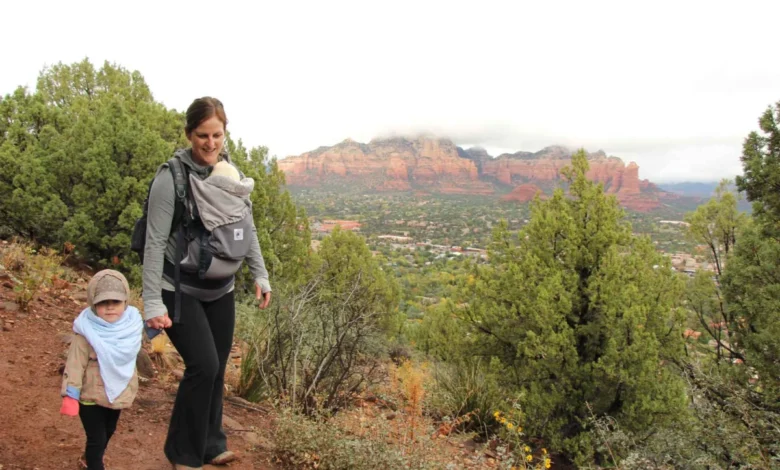
The Airport View Trail is frequently recommended for its high-reward, low-effort ratio. By beginning near the airport, hikers start at a higher elevation, which provides expansive views of the town and the surrounding geological features without requiring a strenuous climb. It is a compact trail, ideal for families who have limited time during their stay.

Chronology of Trail Development and Access
Historically, Sedona’s trails were developed by local hikers and ranchers. Over the last two decades, the explosion of social media and global travel platforms has accelerated traffic on these paths. In response, the Coconino National Forest has implemented a "Red Rock Pass" program. This initiative, which requires a small fee for parking at most trailheads, generates revenue that is directly reinvested into trail maintenance, sanitation, and signage, ensuring that the infrastructure can keep pace with the increasing number of visitors.

Implications of Increased Trail Usage
The rise in family-based tourism has broader implications for local ecology. Conservationists have voiced concerns regarding the degradation of "social trails"—unauthorized paths created by hikers venturing off the main route. For families, staying on the marked path is not only a safety imperative but a fundamental principle of "Leave No Trace" ethics. The introduction of invasive species and the erosion of biological soil crusts are risks that increase with foot traffic.

Furthermore, the economic impact of this tourism demographic is substantial. Hotels in the region have responded by developing "baby-friendly" packages, offering crib rentals, child-safe room modifications, and partnerships with local guide services that specialize in family-oriented excursions.

Expert Analysis and Conclusion
The transition of Sedona into a multi-generational outdoor destination highlights a shift in how families approach vacations. Rather than opting for sedentary tourism, families are increasingly seeking active, nature-based education. The success of this trend depends heavily on the preparation of the visitors.

Local tourism boards emphasize that while the trails listed above are "easy" by hiking standards, the desert environment remains a challenging landscape. A successful family trip to Sedona requires a departure from the "spontaneous" style of travel. By choosing the correct trail, utilizing appropriate gear, and respecting the environmental constraints of the Coconino National Forest, families can safely access some of the most profound geological landmarks in the United States.

As Sedona moves forward, the primary goal for land managers will be balancing the economic benefits of increased visitation with the necessity of preserving the fragile desert ecosystem. For the modern traveling family, the takeaway is clear: the wilderness is accessible, but it demands respect, preparation, and an awareness of the physical limits of the youngest members of the party.