The Evolution of Adult Travel: How Empty-Nesters and Parents Are Redefining Modern Tourism


The tourism and hospitality industries are currently experiencing a profound demographic shift, moving away from strictly family-oriented itineraries toward a sophisticated sector driven by adult-only travel, empty-nesters, and multi-generational cohorts traveling without dependents. For decades, the global vacation market has catered primarily to the logistical demands of raising children. Family travel planning has traditionally required a rigorous vetting process centered around child-friendly amenities, strict daily schedules, and localized safety measures. However, changing demographic patterns, delayed parenthood, and an aging population of active older adults have ignited a significant surge in the demand for child-free travel experiences. This structural evolution in consumer behavior is reshaping booking timelines, destination popularity, and the overall economics of the international travel sector.
Historical Context and Changing Demographics
To understand the current boom in adult-centric tourism, industry analysts point to broader sociological trends over the past several decades. Statistics from national census bureaus and tourism boards indicate that fertility rates in many developed nations have steadily declined, while the median age of first-time parents has risen. Concurrently, the post-child-rearing demographic—commonly referred to as empty-nesters—represents a wealthier, healthier, and more mobile segment of the population than in previous generations.

Historically, leisure travel for parents was entirely subordinated to the academic calendar. Summer breaks, winter holidays, and spring recesses dictated the rhythm of the tourism economy, creating acute peaks and valleys in hotel occupancies, flight pricing, and attraction congestion. Today, liberated from the constraints of K-12 schooling, adults traveling without children possess unprecedented scheduling flexibility. This demographic freedom has fundamentally altered how tour operators, boutique hotels, and major airlines design their seasonal offerings.
The Economics of Shoulder-Season Travel
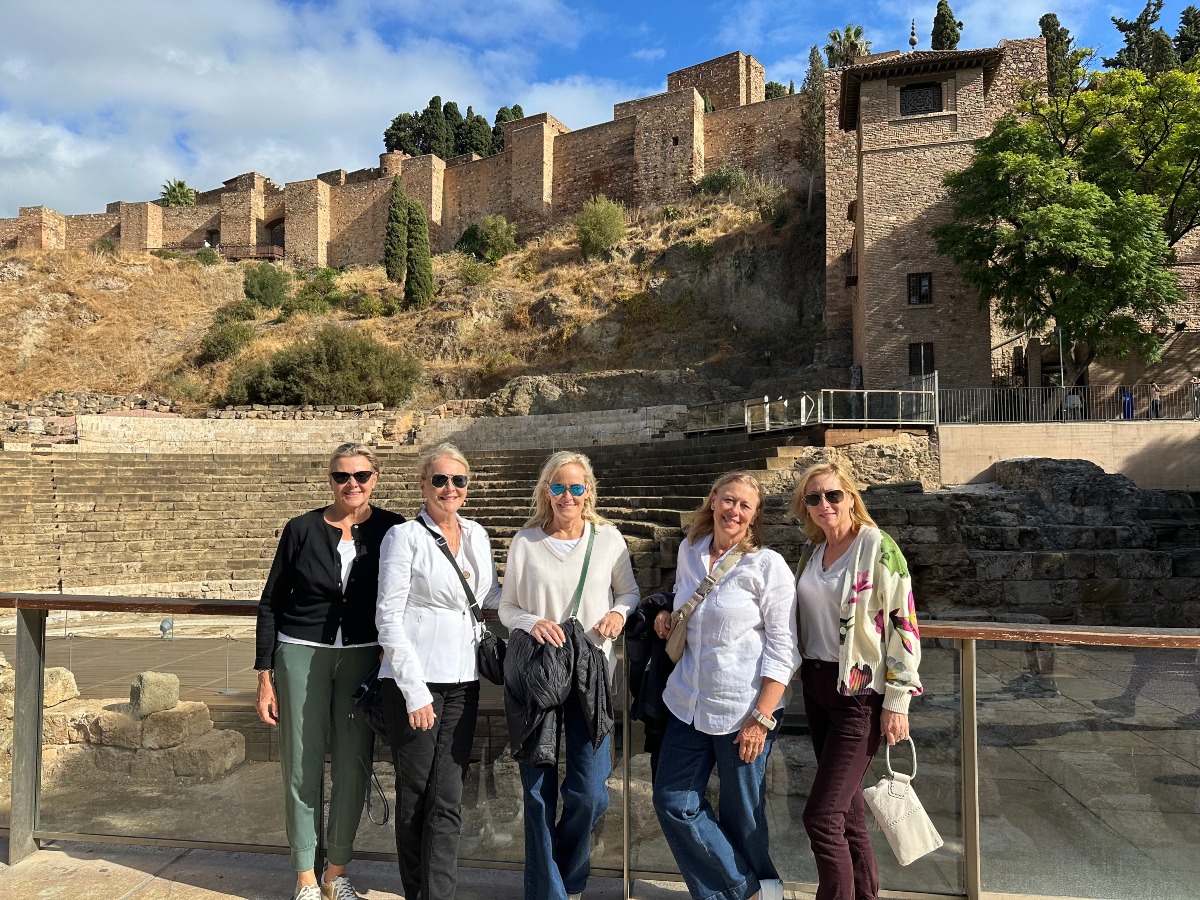
The most immediate impact of the adult-travel renaissance is the redistribution of global tourism demand away from traditional peak periods. According to travel analytics firms, traveling during the shoulder season—the transitional months between peak and off-peak periods—has emerged as a primary preference for child-free travelers and empty-nesters.
By avoiding the overcrowded summer months and major school holidays, adult travelers are capitalizing on dynamic pricing models. Airlines and upscale resorts frequently lower their rates by 20 to 40 percent during shoulder seasons to maintain occupancy levels. Destinations such as the Mediterranean coast of Italy, the Greek Isles, and tropical locales like Hawaii experience a more balanced influx of visitors throughout the year. This shift not only provides financial advantages for consumers but also offers a strategic solution for destination management organizations striving to combat over-tourism and environmental degradation caused by seasonal bottlenecks. Furthermore, traveling outside peak windows allows tourists to witness culturally significant events—such as the grape harvest in Provence, France, or regional floral blooms in Buenos Aires and Kyoto—without navigating overwhelming crowds.
Re-evaluating Hospitality: Luxury Accommodations and Niche Markets
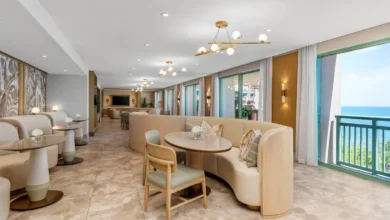
The hospitality industry has responded swiftly to this shifting market by expanding its portfolio of adults-only properties and curating high-end amenities that appeal specifically to mature travelers. Market research indicates a substantial increase in hotel investments directed toward secluded boutique properties, wellness retreats, and luxury resorts featuring strict age-restriction policies.
Unlike family-focused resorts that prioritize water parks, kids’ clubs, and multi-room suites with sofa beds, adult-centric accommodations emphasize architectural aesthetics, culinary precision, and architectural intimacy. Industry leaders in French Polynesia and the Maldives, for instance, report high demand for overwater bungalows and cliffside villas designed expressly for couples and adult friend groups. These properties focus their capital expenditures on high-end wellness facilities, Michelin-starred dining concepts, wine-tasting cellars, and silent zones that cater to travelers seeking rest and intellectual stimulation rather than family entertainment.
Temporal Autonomy: Redefining Vacation Rhythms
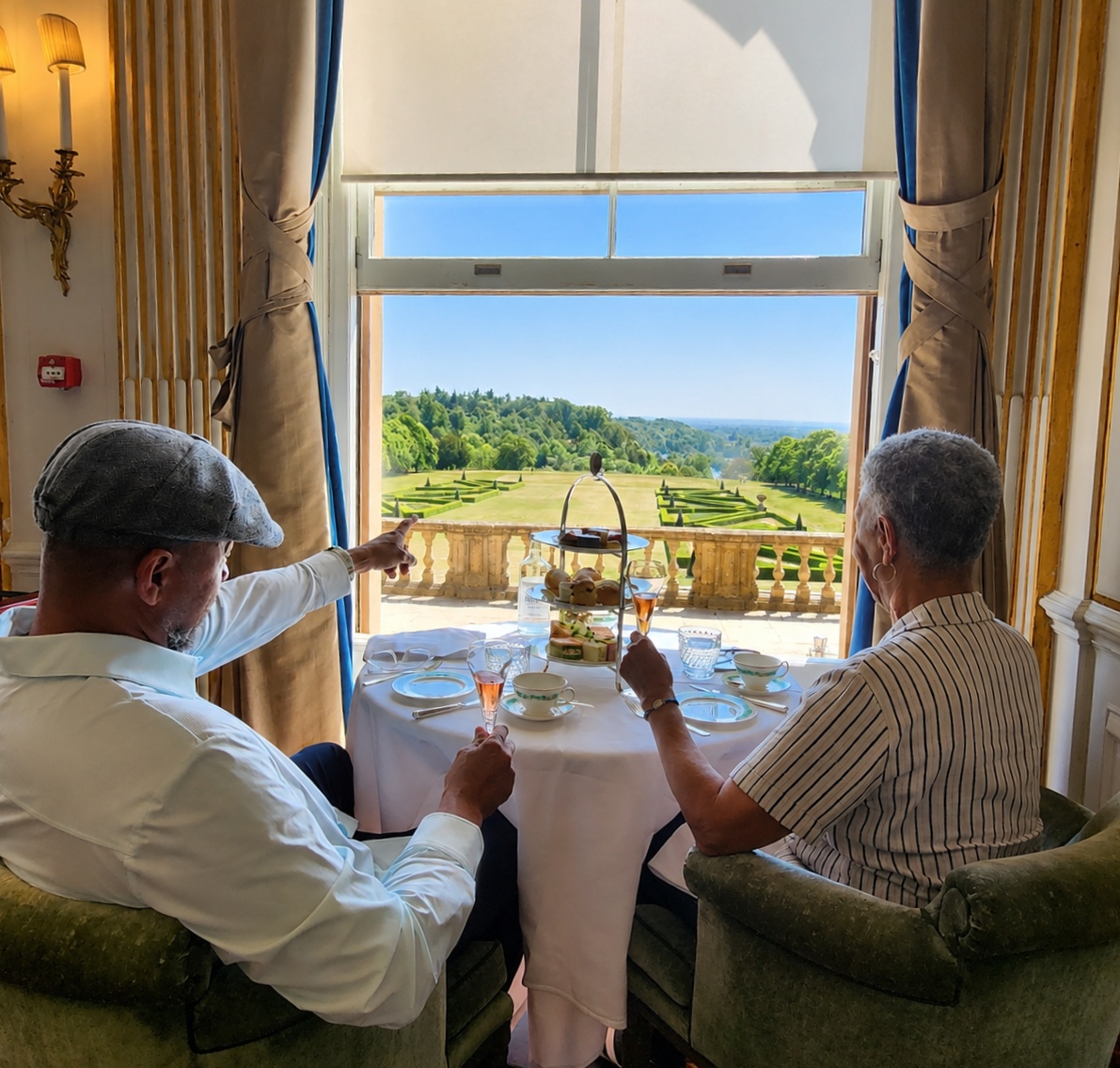
A core psychological driver of the adult-travel trend is the reclamation of personal time and temporal autonomy. Travel psychologists and lifestyle analysts note that parenting requires a hyper-vigilant adherence to external schedules—early bedtimes, rigid meal hours, and constant logistical oversight.
When adults travel independently, the psychological relief of shedding these responsibilities translates into entirely new vacation patterns. Itineraries are increasingly characterized by spontaneity and relaxed pacing. Data from luxury travel networks highlights a rising preference for "slow travel," where visitors spend extended periods in a single neighborhood, region, or resort. Rather than rushing to check off a standardized list of tourist attractions, adult travelers are carving out space for unplanned explorations, impromptu gallery visits, and extended culinary experiences that can seamlessly transition from a late lunch into evening social hours.
Specialized Interests and Experiential Tourism
The shift toward adult travel has also fueled explosive growth in special-interest tourism. Freed from the obligation of curating itineraries that must universally appeal to children and adolescents, mature travelers are investing significantly in deep-dive educational, cultural, and gastronomic experiences.

Industry reports emphasize a growing demand for immersive travel products, such as private oenological tours in Burgundy, classical music excursions to historic European opera houses, multi-course fine-dining explorations in Japan, and high-altitude adventure sports like hot-air ballooning over cultural capitals. Travel advisors report that clients are increasingly willing to allocate substantial budgets toward bespoke itineraries designed around niche personal passions, reflecting a broader cultural valuation of lifelong learning and personal enrichment.
Industry Implications and Future Outlook
As the global travel sector continues to adapt to the preferences of empty-nesters and adult friend groups, the implications for destination marketing and infrastructure development are substantial. Tourism boards are increasingly diversifying their promotional campaigns to highlight cultural depth, wellness infrastructure, and off-season accessibility rather than relying solely on family-friendly branding.
Travel industry stakeholders and economic analysts project that the adult-travel sector will remain a primary growth engine for the luxury and experiential tourism markets in the coming decade. As the demographic curve continues to age favorably for this segment, tour operators and hospitality brands that successfully pivot toward personalized, flexible, and sophisticated offerings will capture an increasingly lucrative share of the global travel market.