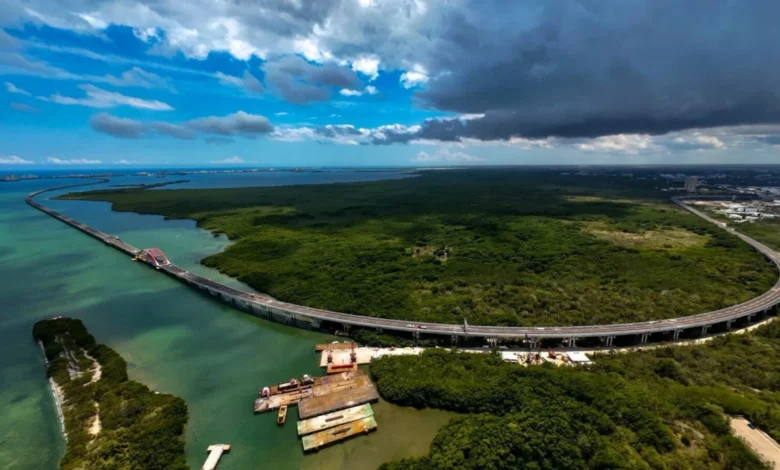
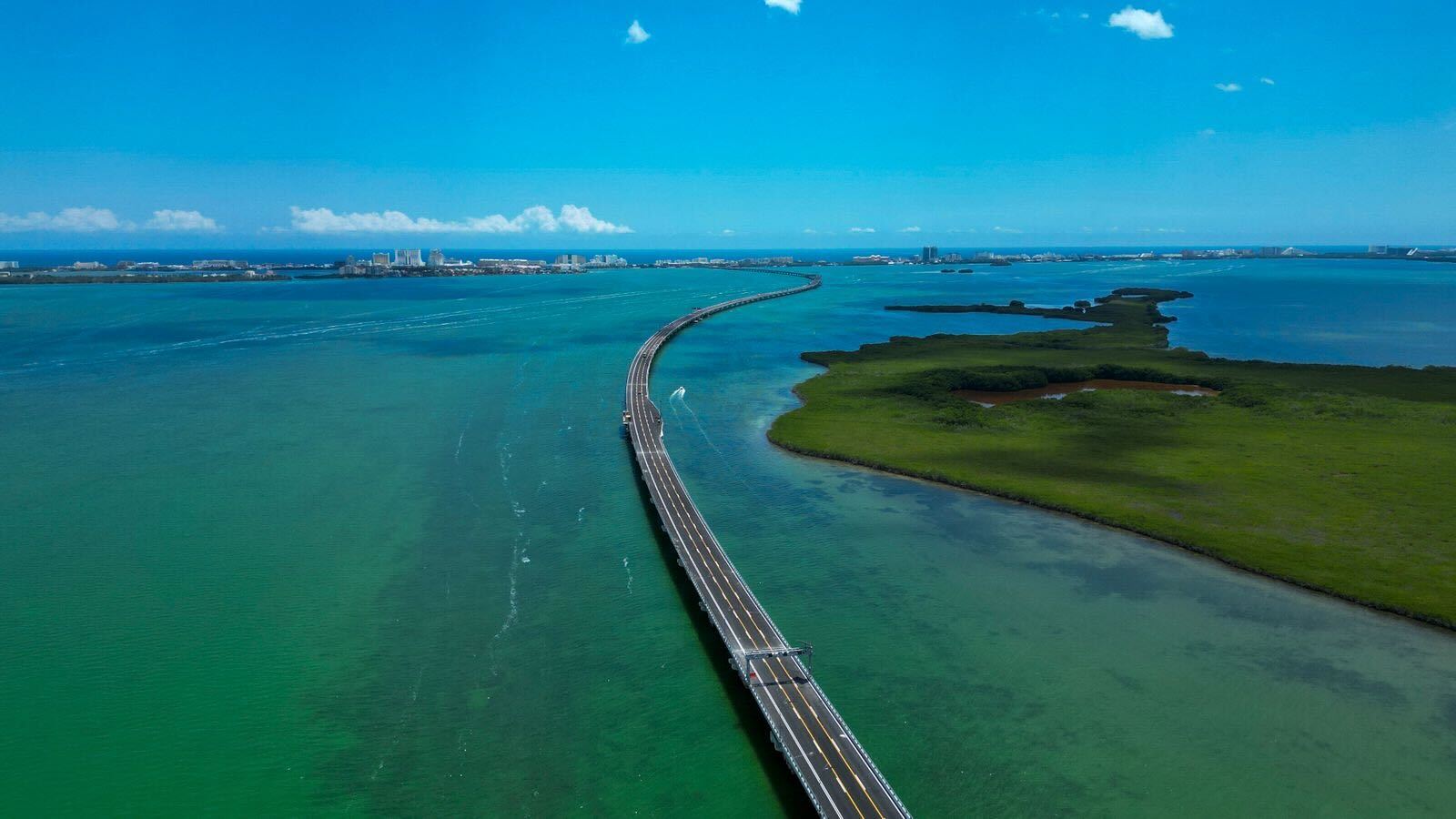
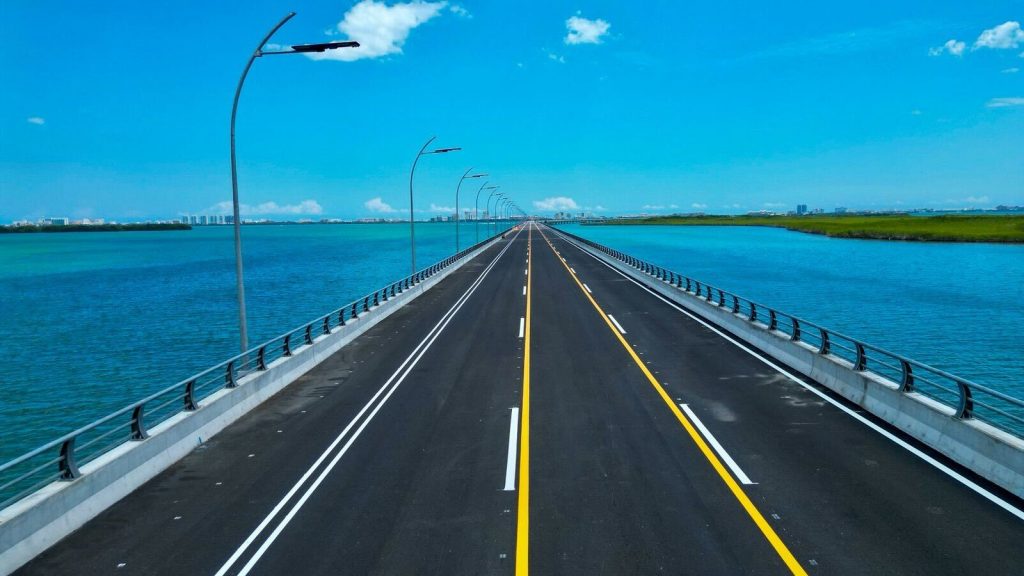
The newly inaugurated Nichupté Bridge represents a paradigm shift in the infrastructure of Cancún, serving as a critical artery designed to alleviate chronic traffic congestion while fundamentally altering the logistics of travel within one of the world’s most frequented tourism corridors. By establishing a direct, elevated connection between the city’s mainland and the famed Hotel Zone, this infrastructure project marks a departure from traditional reliance on the single, overburdened Kukulcán Boulevard. For millions of annual visitors and thousands of local residents, the completion of this bridge signifies a transition toward a more streamlined, efficient, and modern transit experience in the Mexican Caribbean.
Historical Context and Project Genesis
For decades, the physical geography of Cancún—a narrow barrier island connected to the mainland—dictated a singular traffic flow. As the destination grew from a modest tourism project in the 1970s into a global powerhouse, the infrastructure struggled to keep pace. The reliance on the primary artery through the Hotel Zone often resulted in gridlock, particularly during peak travel seasons or following inclement weather.
Discussions regarding the need for an alternative route across the Nichupté Lagoon began in earnest years ago, as planners recognized that the rapid expansion of both residential areas and resort developments was outpacing existing roadway capacities. The project was conceived not merely as a convenience measure but as a strategic necessity to ensure the long-term viability of the regional tourism economy. By bypassing the bottlenecked city center and the primary tourist thoroughfare, the bridge provides a functional redundancy that protects the visitor experience from the volatility of local traffic patterns.
Engineering Specifications and Timeline
The construction of the Nichupté Bridge was a monumental undertaking that spanned several years, involving complex environmental and engineering considerations. Spanning several kilometers across the ecologically sensitive Nichupté Lagoon, the bridge required advanced architectural techniques to minimize the impact on the local marine and mangrove ecosystems.
The project timeline was characterized by rigorous planning phases, followed by intensive construction efforts that saw the mobilization of specialized equipment and heavy machinery. Throughout the process, project managers coordinated with environmental agencies to adhere to strict conservation protocols. The final structure is designed to handle high volumes of vehicular traffic while incorporating safety features that meet international standards. Its opening marks the culmination of a broader initiative by the state of Quintana Roo to modernize its transportation network, which also includes recent improvements to the international airport access points and regional rail connections.
Supporting Data and Infrastructure Synergy
The necessity of the Nichupté Bridge is underscored by the sheer volume of traffic the region manages. Cancún International Airport remains one of the busiest in Latin America, processing millions of passengers annually. Prior to the bridge’s completion, the average transit time from the airport to the northern reaches of the Hotel Zone could fluctuate drastically depending on traffic density, often exceeding an hour during peak times.
Data suggests that the bridge will reduce travel times by an average of 30 to 45 minutes during high-traffic intervals. Beyond the immediate reduction in travel time, the bridge facilitates better distribution of emergency services, public transportation, and supply chain logistics. By creating a secondary path, the bridge also mitigates the risk of total gridlock in the event of an accident or construction on the main artery. This redundancy is a critical factor for the hospitality industry, as it ensures that the "first mile" of a tourist’s journey is consistent, predictable, and devoid of the logistical stress that often accompanies international travel.
Official Perspectives and Industry Implications
The project has received significant backing from key stakeholders, including the Mexican Caribbean Tourism Board. During the recent EDGE 2026 conference in San Diego, the completion of the bridge was heralded as a milestone for the region. Andrés Martínez Reynoso, CEO of the Mexican Caribbean Tourism Board, emphasized that the infrastructure is a "transformational project" that aligns with the government’s commitment to evolving alongside the demands of the modern traveler.
The announcement at EDGE 2026 that the 2027 edition of the event will be held in the Cancún-Riviera Maya corridor highlights the industry’s confidence in the area’s improved connectivity. For meeting planners and large-scale tourism operators, the bridge provides a level of operational assurance. It allows for more complex itineraries that can now include dining, shopping, and cultural excursions in downtown Cancún without the fear of being stranded in traffic, effectively bridging the gap between the isolated "bubble" of the resorts and the authentic cultural experiences of the city.
Broader Implications for the Mexican Caribbean
The Nichupté Bridge is symptomatic of a wider trend across the Mexican Caribbean: a pivot from "resort-only" development to a more integrated, regional infrastructure model. As destinations like Playa del Carmen and Tulum continue to experience explosive growth, the focus has shifted toward regional mobility. This includes the development of the Maya Train, improved highway connectivity, and now, significant urban bridge projects.
The economic implications are twofold. First, it enhances the value proposition of the destination by reducing the "friction" of travel. Today’s travelers, increasingly accustomed to the digital ease of booking and instant gratification, are less tolerant of systemic logistical delays. By removing these obstacles, the region is positioning itself to compete more effectively with other global luxury destinations.
Second, the bridge fosters greater economic integration between the resort workforce and the urban core. A significant portion of the tourism labor force resides in the mainland city; a more efficient connection allows for improved transit for these workers, potentially reducing labor turnover and increasing the overall quality of service provided to tourists.
Assessing the Long-Term Impact
Looking ahead, the success of the Nichupté Bridge will be measured by its ability to scale with the projected growth of the tourism sector. As air connectivity to the region continues to expand, the pressure on transportation infrastructure will inevitably increase. However, the completion of this bridge provides a necessary foundation for future growth.
Furthermore, the project serves as a case study for sustainable urban planning in a sensitive environmental context. The integration of modern drainage, lighting, and safety systems reflects a forward-thinking approach to public works. If the project continues to function as intended, it is likely that the model will be replicated in other high-traffic coastal destinations facing similar congestion challenges.
Ultimately, the Nichupté Bridge represents more than just a roadway; it is a manifestation of the Mexican Caribbean’s transition into a mature, globally competitive, and logistically sound tourism destination. By investing in the "rhythm" of travel, the region is ensuring that the transition from the airport to the sand is as seamless as the vacation experience itself. As travelers return to the white-sand beaches of the Mexican Caribbean, they will find that the physical distance between the airport and their resort remains the same, but the time spent in transit has been significantly reclaimed, allowing for a more focused, relaxing, and efficient start to their journey. This shift in infrastructure confirms that the region is not merely resting on its natural beauty, but is actively engineering its future to maintain its status as a premier global destination.