Uncovering the History and Resilience of Jerome Arizona the Largest Ghost Town in the United States

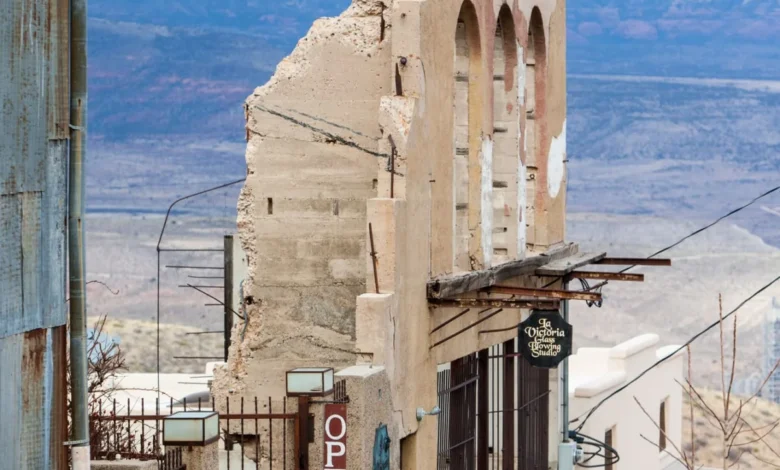
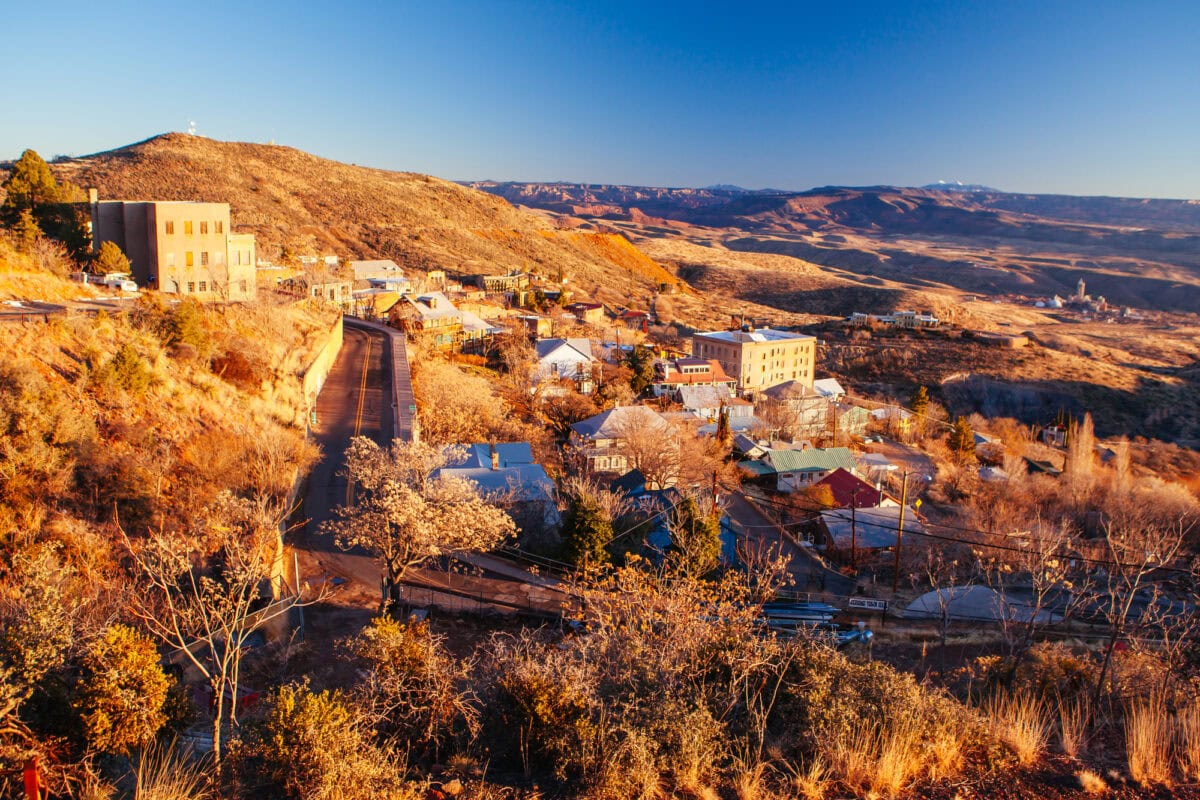
Jerome, Arizona, is widely recognized as the largest ghost town in the United States, serving as a living laboratory of 19th-century industrial expansion and 20th-century urban decay. Clinging to the steep slopes of Cleopatra Hill at an elevation of 5,200 feet, this former copper mining camp has successfully transitioned from a lawless "wicked" outpost into a protected National Historic Landmark District. Its evolution offers a unique case study in economic transition, cultural preservation, and the repurposing of industrial infrastructure.
The Rise and Fall of a Mining Empire
The settlement of Jerome began in 1876 when prospectors identified the rich copper deposits within the Mingus Mountain range. However, it was not until the formation of the United Verde Copper Company, heavily backed by financial titan W.A. Clark, that the town experienced its explosive growth. By the turn of the 19th century, Jerome was a bustling hub of activity. At its peak, the population swelled to approximately 15,000 residents, a staggering figure considering the rugged, vertical topography of the hillside.
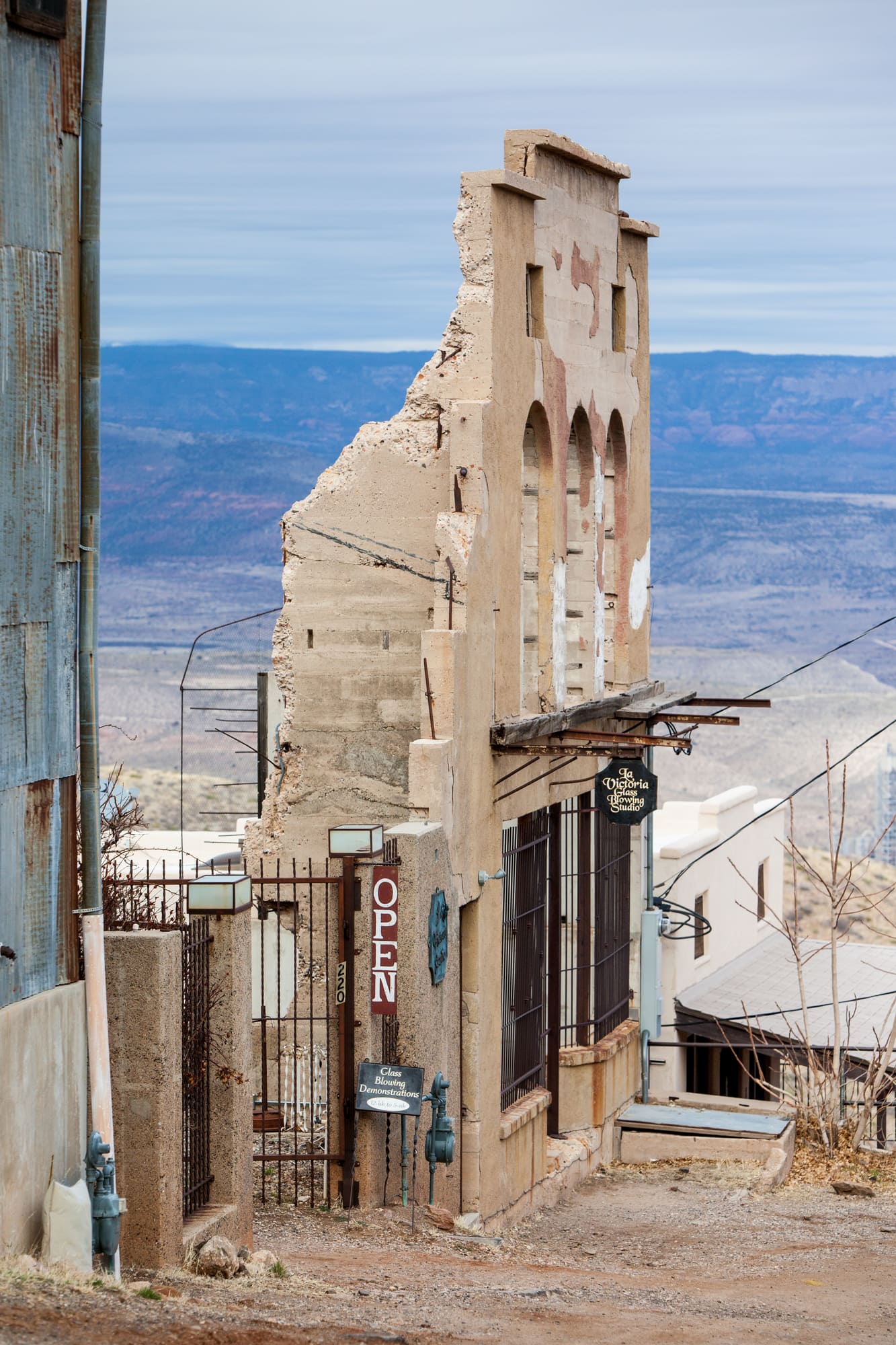
During this era, the town earned a reputation as the "Wickedest Town in the West." The influx of miners—many of whom were immigrant laborers—supported a dense concentration of 24 saloons, 18 brothels, and various illicit establishments, including opium dens. The town was essentially a company camp, where the geology dictated the architecture; buildings were constructed on shifting, steep terrain, a decision that would later cause significant structural challenges.
The decline of Jerome was as rapid as its ascent. Following the depletion of high-grade copper ore and the conclusion of mining operations in 1953, the town faced near-total abandonment. The departure of the mining companies signaled an economic collapse, reducing the population to a mere handful of residents—at one point hovering around 50 people—effectively earning it the "ghost town" moniker.
Chronology of Preservation and Rebirth
The transformation of Jerome from a derelict site to a cultural destination did not occur overnight. The following timeline outlines the key milestones in the town’s modern history:
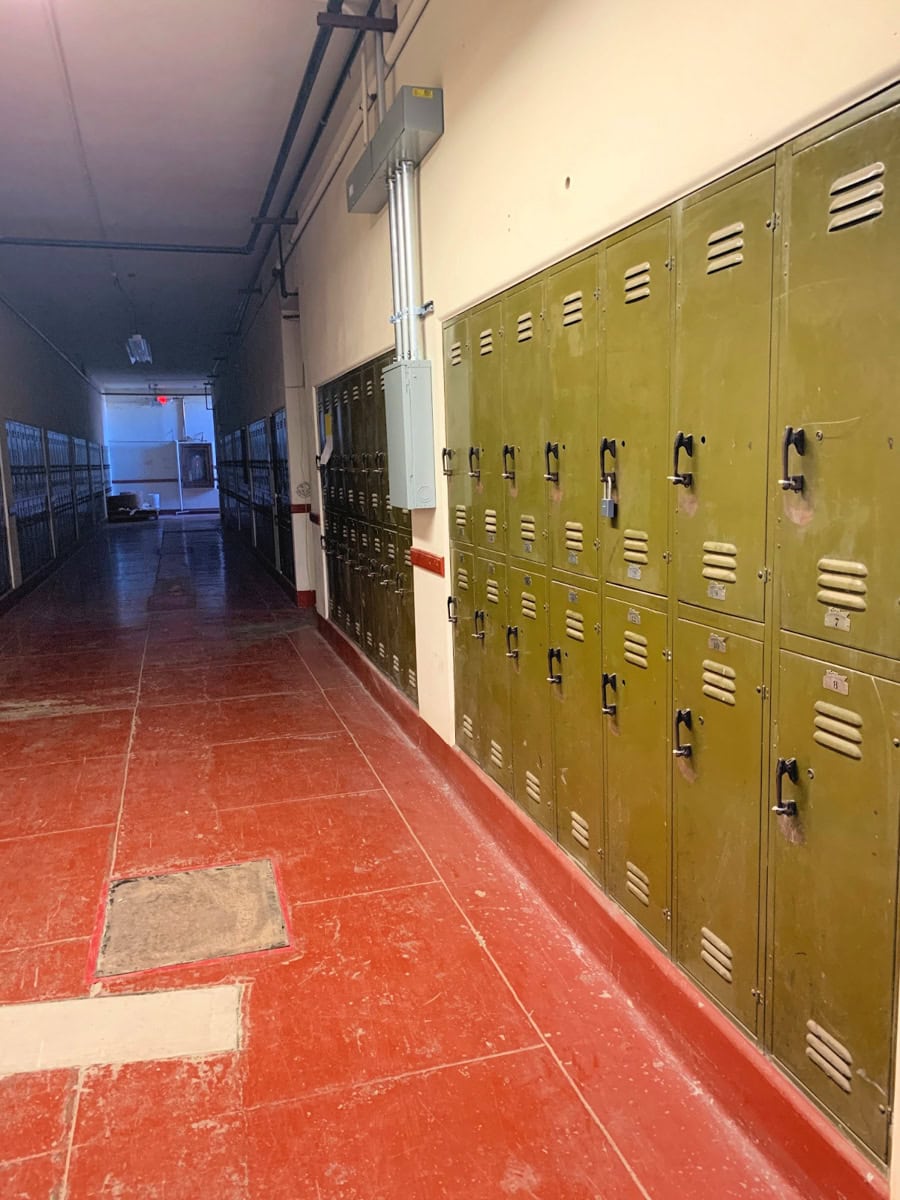
- 1953: The United Verde mine operations cease, triggering a mass exodus of the workforce.
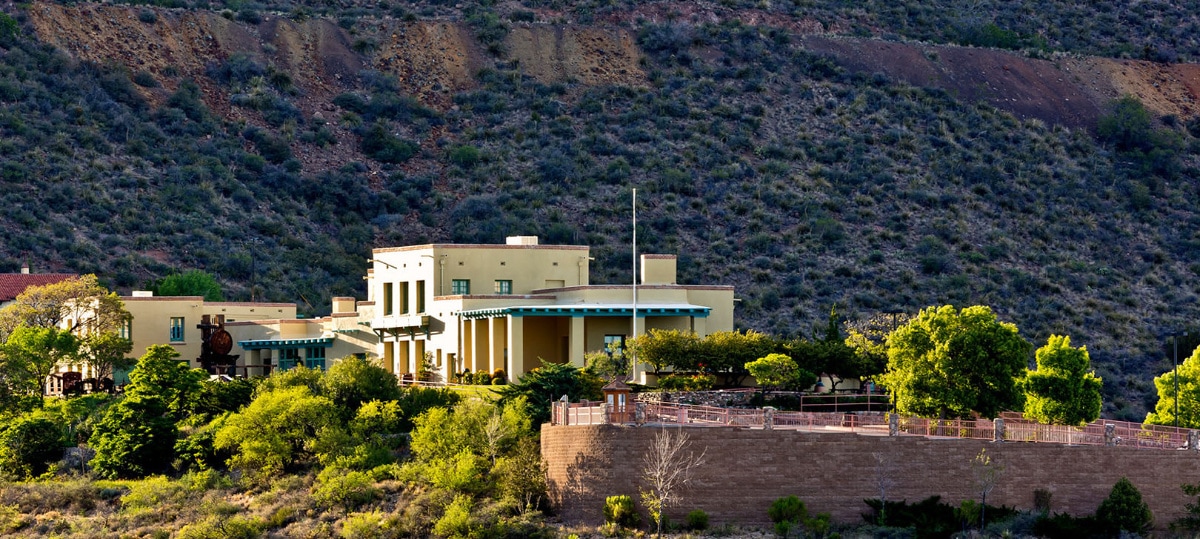
- 1965: The Douglas Mansion, formerly the residence of the mine owners, is converted into a museum, marking the start of organized tourism.
- 1967: The United States Department of the Interior designates Jerome as a National Historic Landmark District, providing federal protection for over 100 historic buildings.
- 1980s: The resurgence of the town begins as artists, historians, and entrepreneurs, attracted by low property values, start restoring the decaying commercial structures.
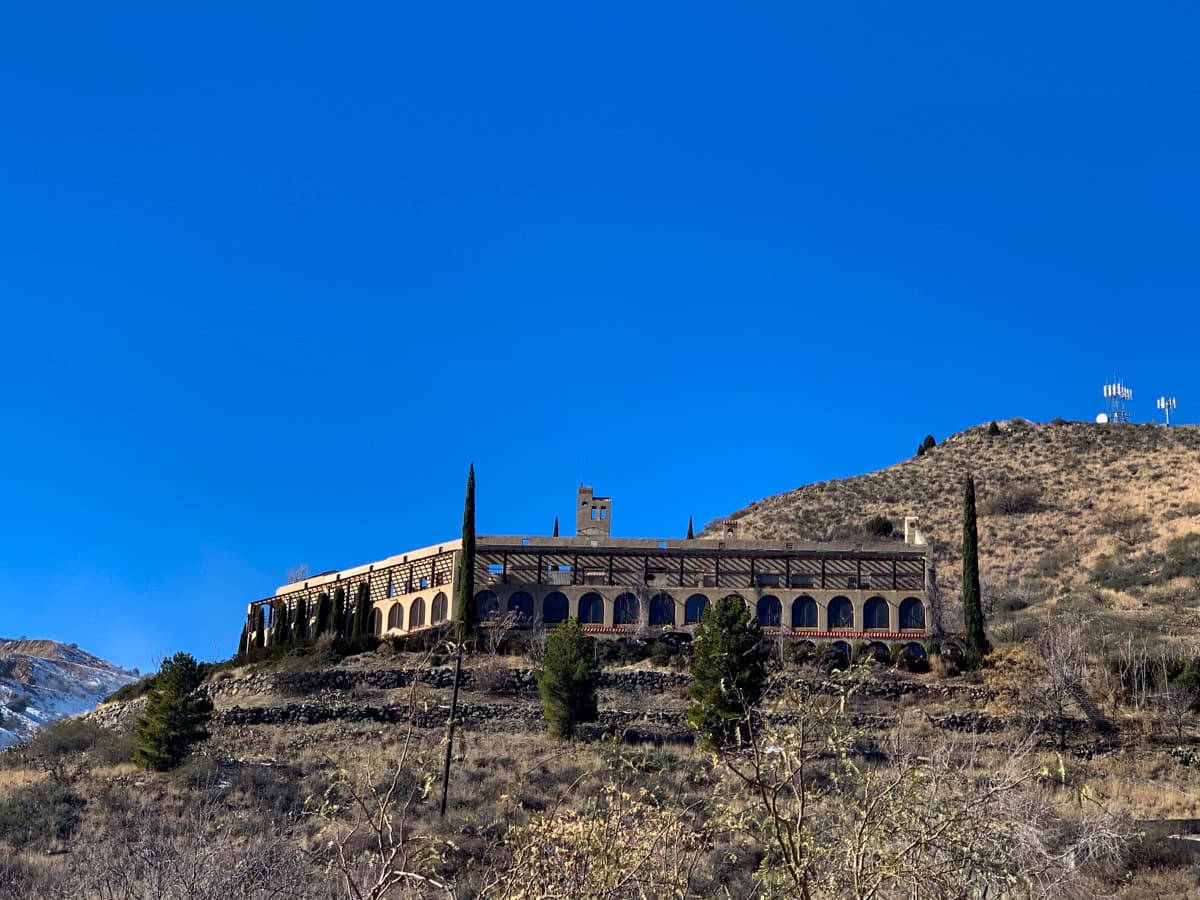
- 1996: The opening of the Jerome Grand Hotel in the former United Verde Hospital signals a shift toward upscale heritage tourism.
Geological and Industrial Challenges
Jerome’s current status as a tourist destination is complicated by the very geography that enabled its birth. The town is situated directly above an extensive, subterranean network of mine shafts. Over the decades, the stability of the hillside has been compromised by these voids.
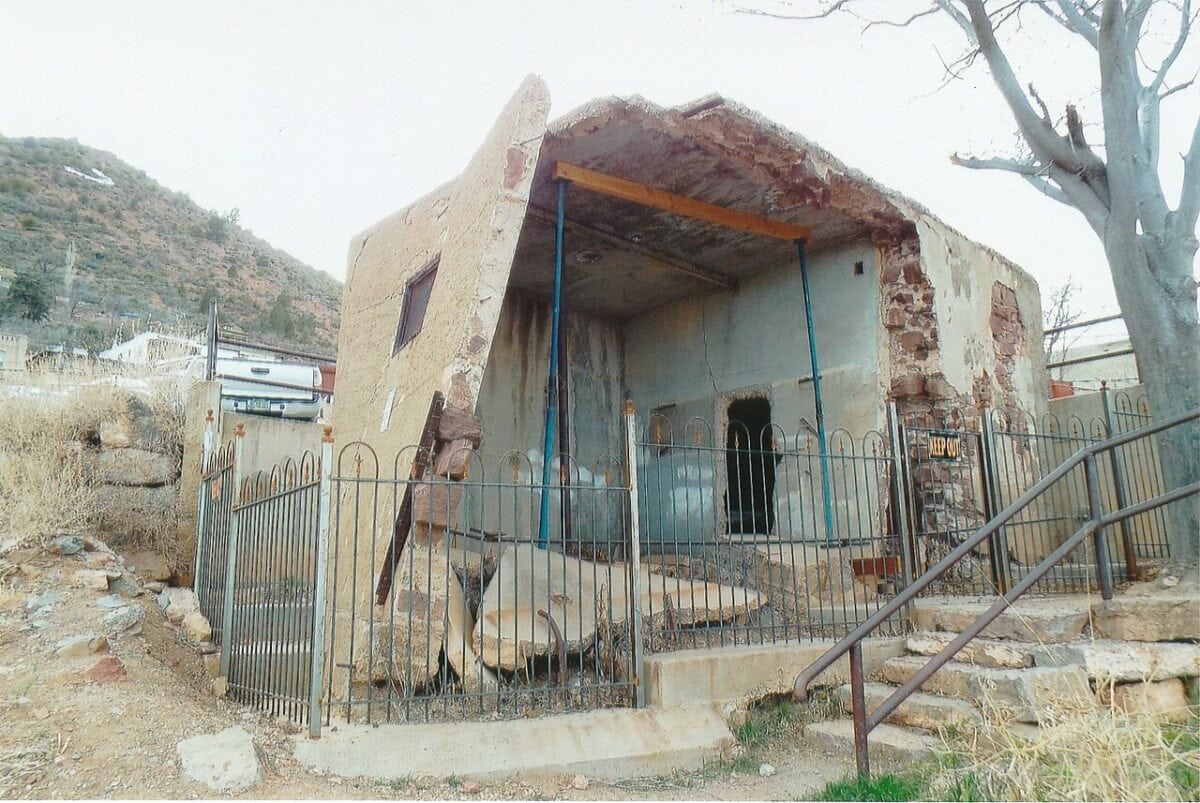
The most prominent example of this instability is the "Sliding Jail." In 1938, a massive dynamite blast in the mines triggered a slow-motion landslide that carried the concrete jailhouse 225 feet from its original foundation. Today, the structure remains a primary point of interest for visitors, symbolizing the tenuous relationship between human infrastructure and the volatile geological environment of the Verde Valley.
Economic Impact and Modern Tourism
The transition to a service-based economy has necessitated the careful balancing of preservation with commercial viability. Today, Jerome serves as a cultural hub for the region, drawing thousands of visitors who contribute to the local economy through art purchases, dining, and historical tours.
Key infrastructure supporting this economy includes:
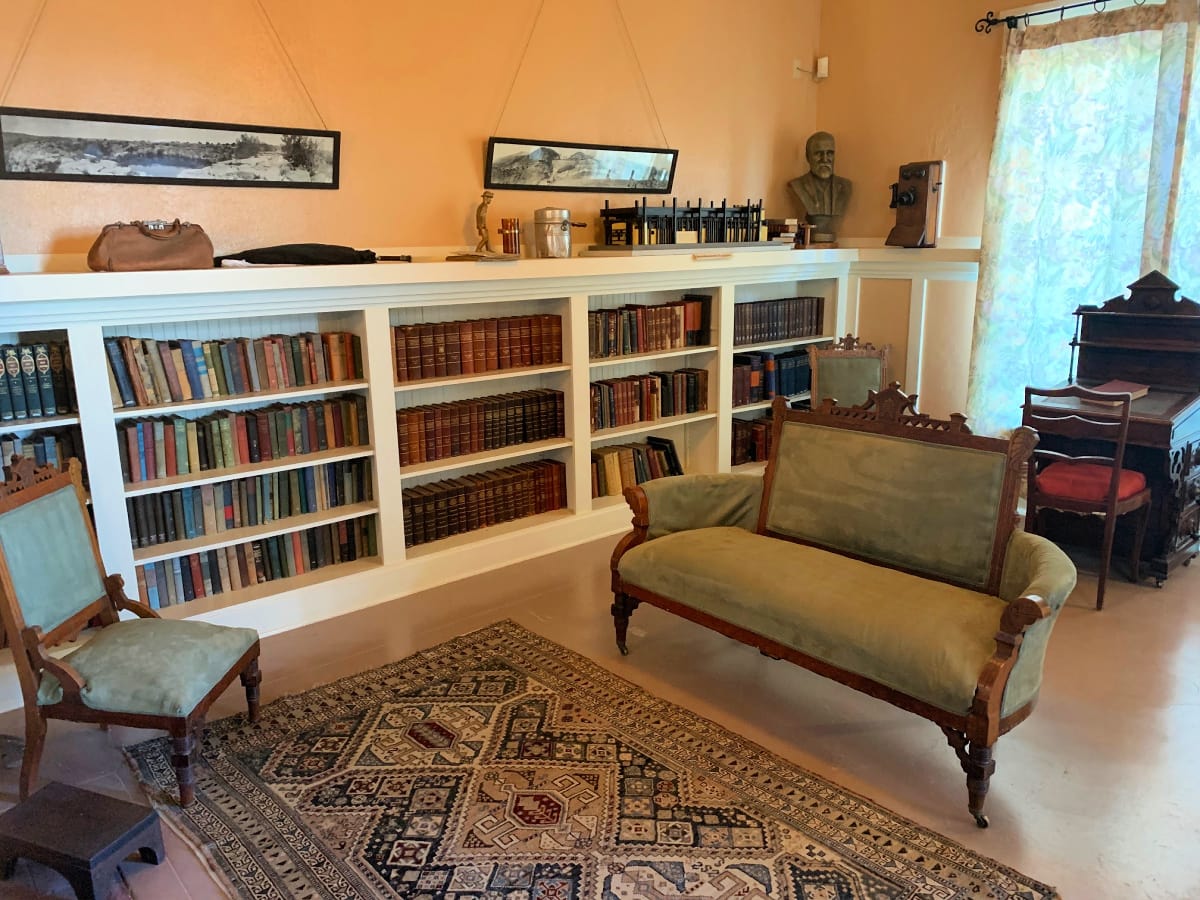
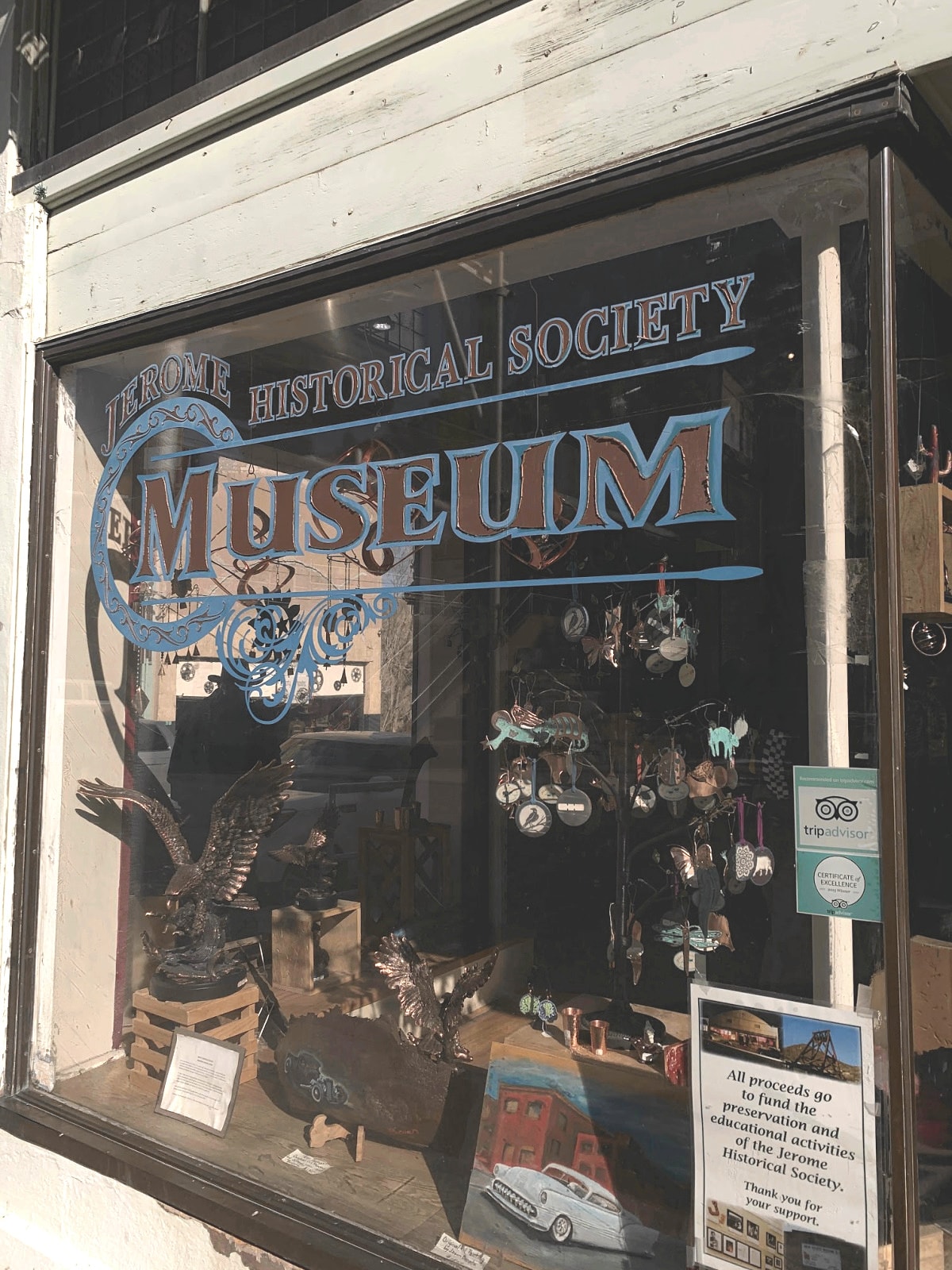
- The Jerome Historical Society Mine Museum: Serves as the primary repository for historical data, mining tools, and geological samples that document the town’s industrial past.
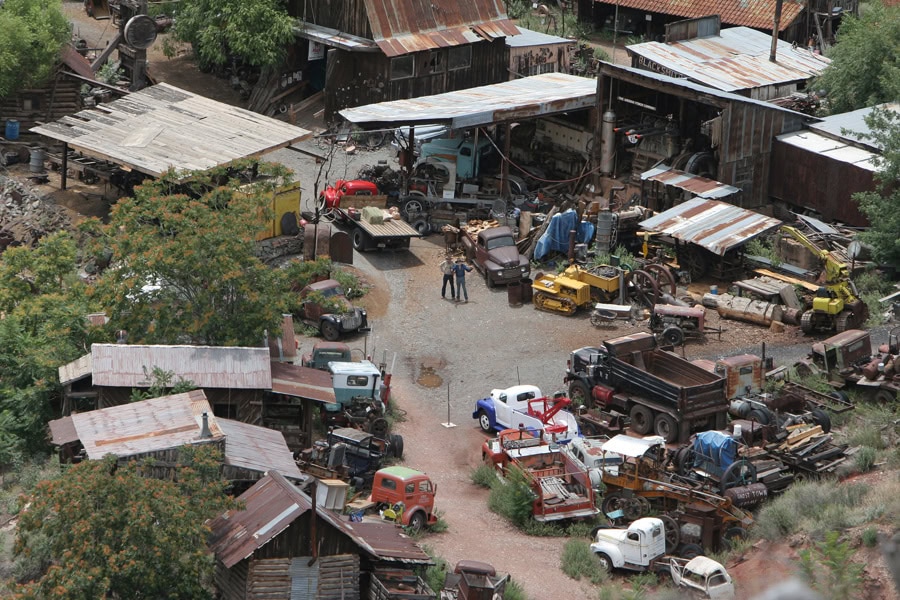
- Gold King Mine Museum: Located in the nearby Haynes settlement, this site provides a tangible look at the scale of mining equipment, including a collection of over 100 vintage vehicles.
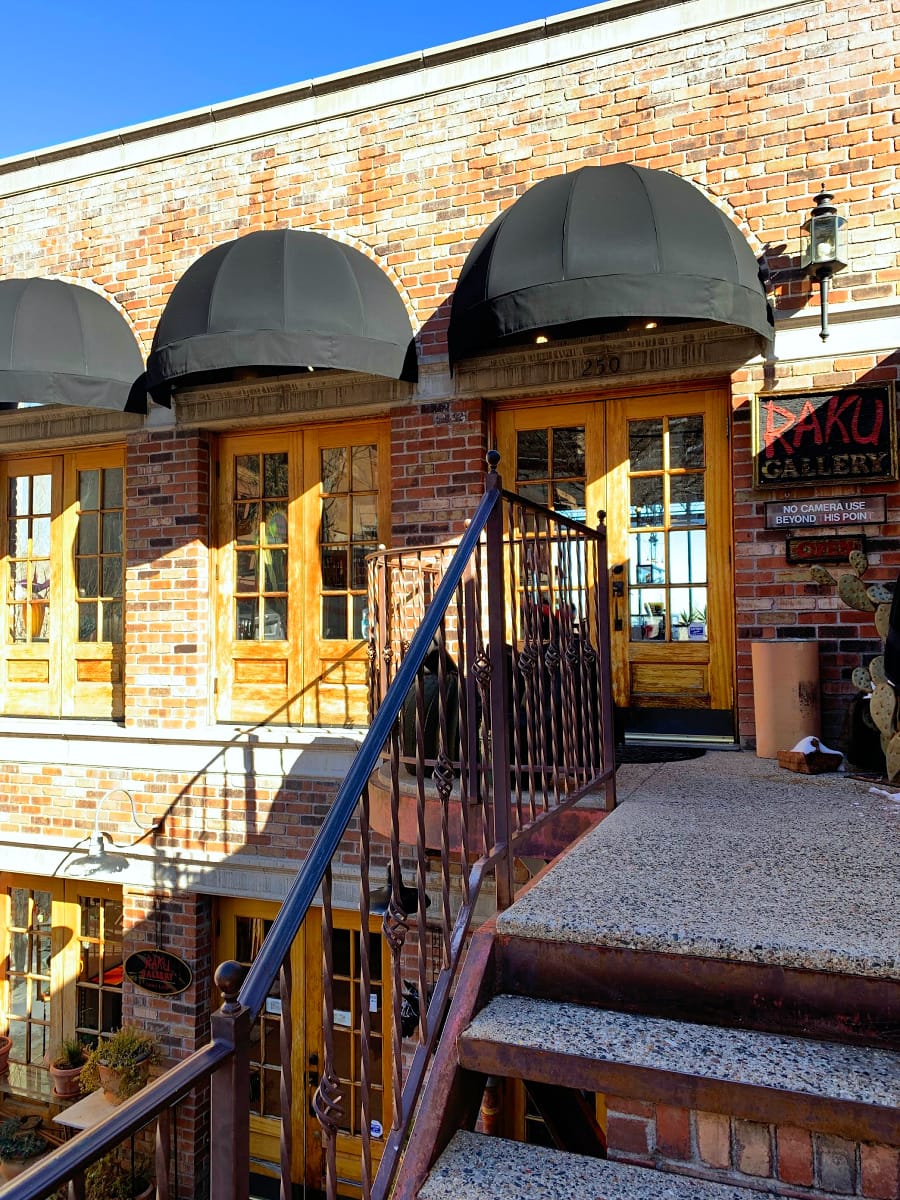
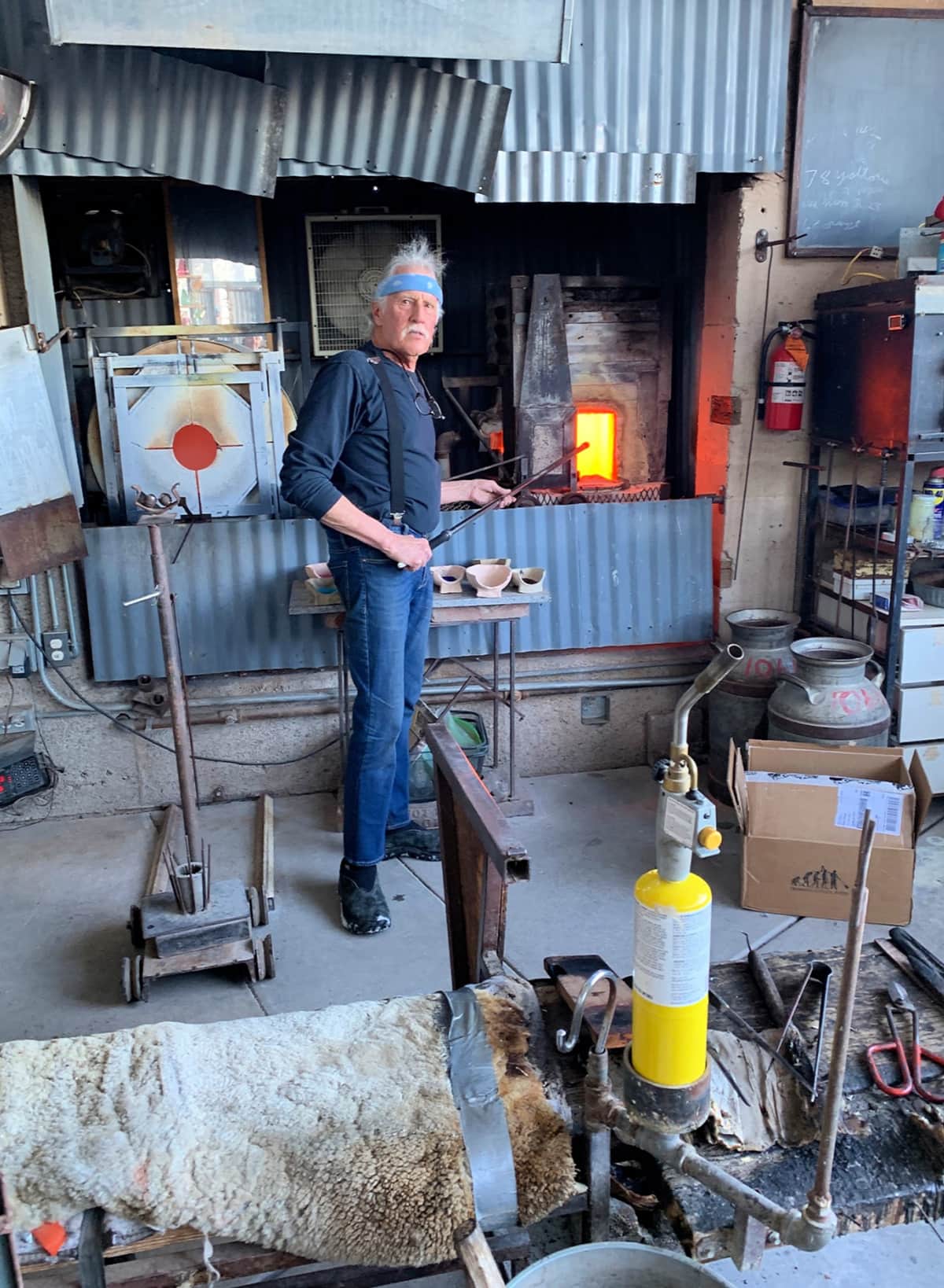
- Artistic Integration: The town’s galleries, such as the Raku Gallery and various cooperatives, have replaced the saloons of the past as the primary anchor for the local downtown economy.
Official Perspectives and Preservation Efforts
Local governance and historical societies emphasize that maintaining the "ghost town" aesthetic requires rigorous maintenance. The preservation of the Douglas Mansion, managed under the auspices of the Arizona State Parks, remains the cornerstone of public education regarding the town’s history.
Critics of commercial expansion argue that the influx of tourism risks sanitizing the town’s rough-and-tumble past. However, the prevailing view among residents is that the economic viability provided by tourism is the only mechanism that prevents the town from reverting to a truly abandoned, dilapidated state. Preservationists continue to monitor the integrity of the historic facade, ensuring that the structural adaptations made by the artists and small business owners align with federal historic standards.
Broader Implications for Western Mining Towns
Jerome is often compared to other Western mining towns that faced similar fates, such as Virginia City, Nevada, or Central City, Colorado. However, Jerome’s specific success in rebranding as a "creative haven" serves as a potential blueprint for other economically depressed rural areas.
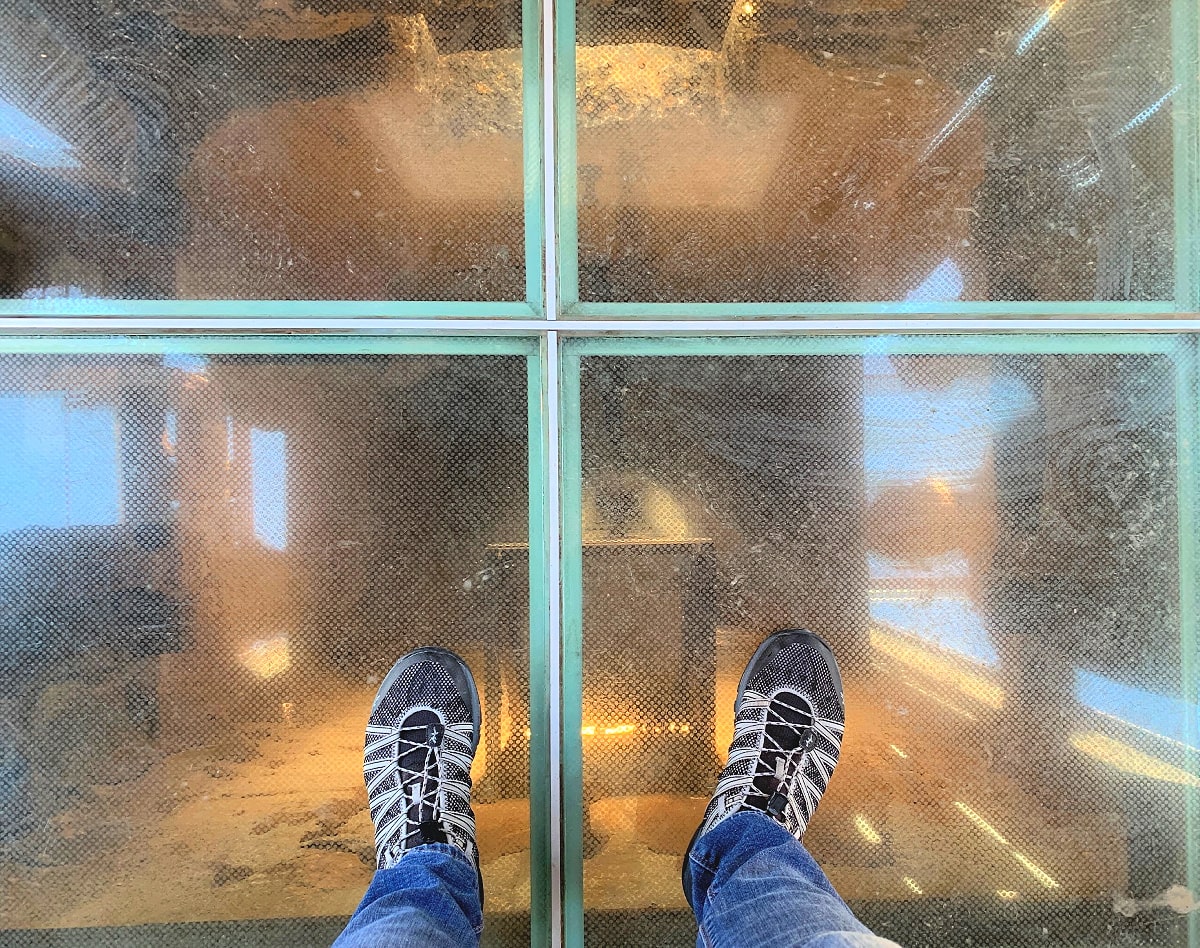
The integration of educational exhibits—such as the plexiglass viewing portals over mine shafts at the Audrey Headframe Park—allows for a synthesis of entertainment and history. While the town faces ongoing threats from natural erosion and the potential for further subsidence, its ability to maintain a consistent population of approximately 500 people suggests a level of sustainability that is rare among historic mining sites.
As of the current decade, the town continues to navigate the challenges of modern infrastructure, such as parking limitations and the upkeep of aging utility systems, while hosting a steady stream of visitors interested in the intersection of Western Americana, geological curiosity, and the arts. The legacy of Jerome remains a testament to the endurance of communities that, once abandoned by industry, have found new life in the preservation of their own complex and often turbulent history.