Boston stands as a cornerstone of American heritage, offering visitors a dense concentration of historical landmarks, contemporary urban culture, and world-renowned academic institutions. However, travel analysts and regional tourism boards note that the city’s geographic footprint also serves as an optimal gateway for weekend excursions throughout New England. Within a three-and-a-half-hour driving radius, travelers can access diverse landscapes ranging from coastal estuaries to alpine peaks. Extending a metropolitan itinerary by a few days to include these regional destinations provides families with multi-seasonal recreational opportunities that complement an urban vacation.
Strategic Geographic and Economic Context
The accessibility of New England’s regional getaways from a major transportation hub like Boston has historically driven regional tourism economics. According to data compiled by regional travel associations, short-haul drive tourism accounts for a significant share of visitor nights in states like Maine, New Hampshire, Rhode Island, and Vermont. Analysts attribute this trend to the compact geography of the Northeast, where infrastructure allows travelers to transition from dense urban environments to rural or coastal settings in under four hours.

The integration of urban tourism with regional nature-based travel yields substantial economic benefits for secondary and tertiary markets. Local municipalities surrounding Boston rely heavily on these feeder markets to sustain year-round hospitality employment. Consequently, tourism boards in destinations such as Kennebunkport, Newport, the White Mountains, and Stowe have increasingly invested in four-season programming to mitigate the traditional economic volatility associated with single-season travel.
Kennebunkport, Maine: Coastal Heritage and Maritime Traditions
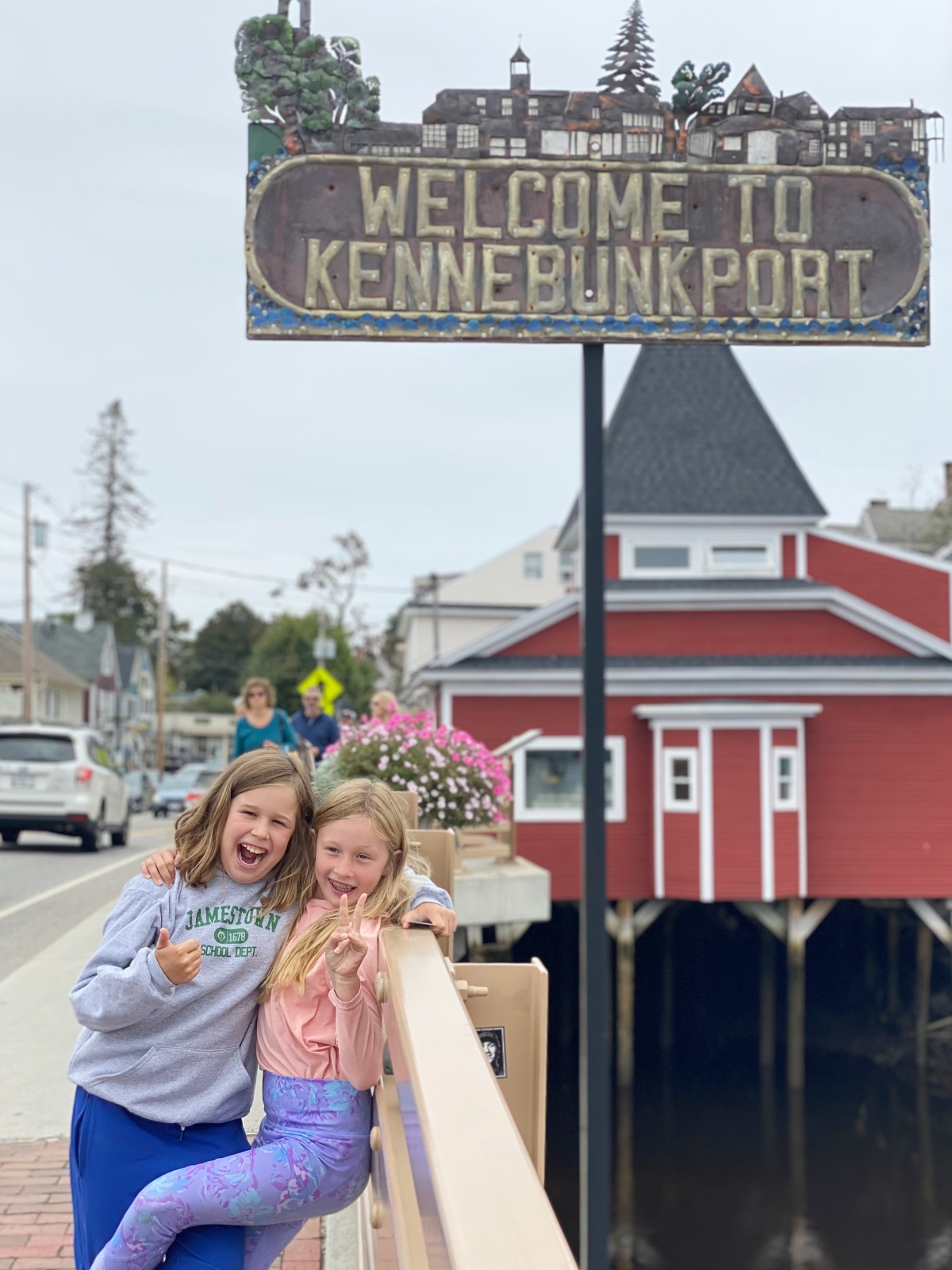
Located approximately 90 minutes north of Boston, Kennebunkport, Maine, exemplifies the quintessential New England coastal community. The town’s historical architecture, featuring preserved colonial-era sea captain homes and whitewashed churches, reflects its origins as a prominent nineteenth-century shipbuilding and maritime commerce center.
The local economy, historically rooted in maritime trades, has successfully transitioned into a premier leisure destination while retaining its working-harbor identity. Visitors frequently patronize traditional establishments such as The Clam Shack for regional culinary staples like lobster rolls, alongside a vibrant commercial district of independent galleries and boutiques.
Seasonal Chronology and Recreational Offerings
Kennebunkport operates on a distinct seasonal calendar that dictates visitor activities and community events:
Spring and Summer: Beginning in late spring, outdoor recreation shifts toward the Kennebunk River and adjacent coastline. Activities include kayaking, guided coastal boat tours, deep-sea fishing, and seasonal whale watching, which typically runs from mid-June through early September. Goose Rocks Beach serves as a primary destination for beachgoers, offering extensive tidal flats and protected shorelines.
Fall: By mid-October, the region experiences peak autumn foliage. The juxtaposition of changing deciduous canopies against the maritime backdrop draws significant numbers of regional travelers interested in landscape photography and coastal hiking.
Winter: The focal point of the winter tourism calendar is the annual Christmas Prelude festival, established in the early 1980s to stimulate December visitation. The event features distinctive nautical-themed holiday decor, including Christmas trees constructed from lobster traps, horse-drawn carriage rides, and community markets.
For lodging, travelers frequently select properties such as Hidden Pond, which emphasizes a forested environment and family-oriented amenities, or the historic White Barn Inn, known for its refined accommodations.

Newport, Rhode Island: Gilded Age Opulence and Maritime Sport
Situated less than two hours south of Boston, Newport, Rhode Island, commands international recognition for its maritime history and architectural legacy. Incorporated in 1639, Newport evolved from a colonial trading port into a favored summer enclave for America’s industrial titans during the late nineteenth and early twentieth centuries. This Gilded Age heritage is preserved through a collection of grand estates, or "cottages," managed by the Preservation Society of Newport County.
In addition to its architectural significance, Newport functions as a major center for competitive sailing. The city has hosted numerous international yachting competitions, cementing its status in global maritime sports.
Annual Event Timeline and Coastal Access

Newport maintains a robust calendar of cultural and sporting events distributed throughout the year:
Spring: The tourism season effectively launches with Newport Daffodil Days in April, an event featuring millions of blooming bulbs across public parks, historic estates, and roadways.
Summer: July represents the peak of the festival season, hosting high-profile cultural events such as the Newport Folk Festival, the Newport Jazz Festival, and the annual Kite Festival. Recreational opportunities include sailing excursions, polo matches at Newport Polo, and coastal walks along the historic Cliff Walk.
Autumn: September and October offer favorable meteorological conditions characterized by reduced visitor density, stable sailing winds, and elevated ocean temperatures remaining from the summer months.
Winter: The holiday season brings events such as Holidays at Newport Mansions, where historic properties are elaborately decorated and opened for public tours. Neighboring Jamestown hosts early December festivities featuring local artisans, community musical performances, and municipal tree-lighting ceremonies.
Accommodation options in Newport range from contemporary harbor-front properties like The Brenton Hotel to historically significant boutique lodgings such as The Vanderbilt, part of the Auberge Resorts Collection.
The White Mountains, New Hampshire: Alpine Adventure and Conservation

A two-and-a-half-hour drive northwest of Boston leads to New Hampshire’s White Mountain National Forest, a rugged expanse spanning nearly 800,000 acres. Established in 1918 under the Weeks Act—legislation designed to protect forested watersheds following extensive logging and subsequent soil erosion—the White Mountains represent a triumph of early American conservation policy.
The region serves as a major hub for alpine and Nordic recreation, supported by comprehensive infrastructure developed over the past century.
Infrastructure and Multi-Season Recreation
The White Mountains accommodate high volumes of visitors through integrated resort operations and state-managed park systems:
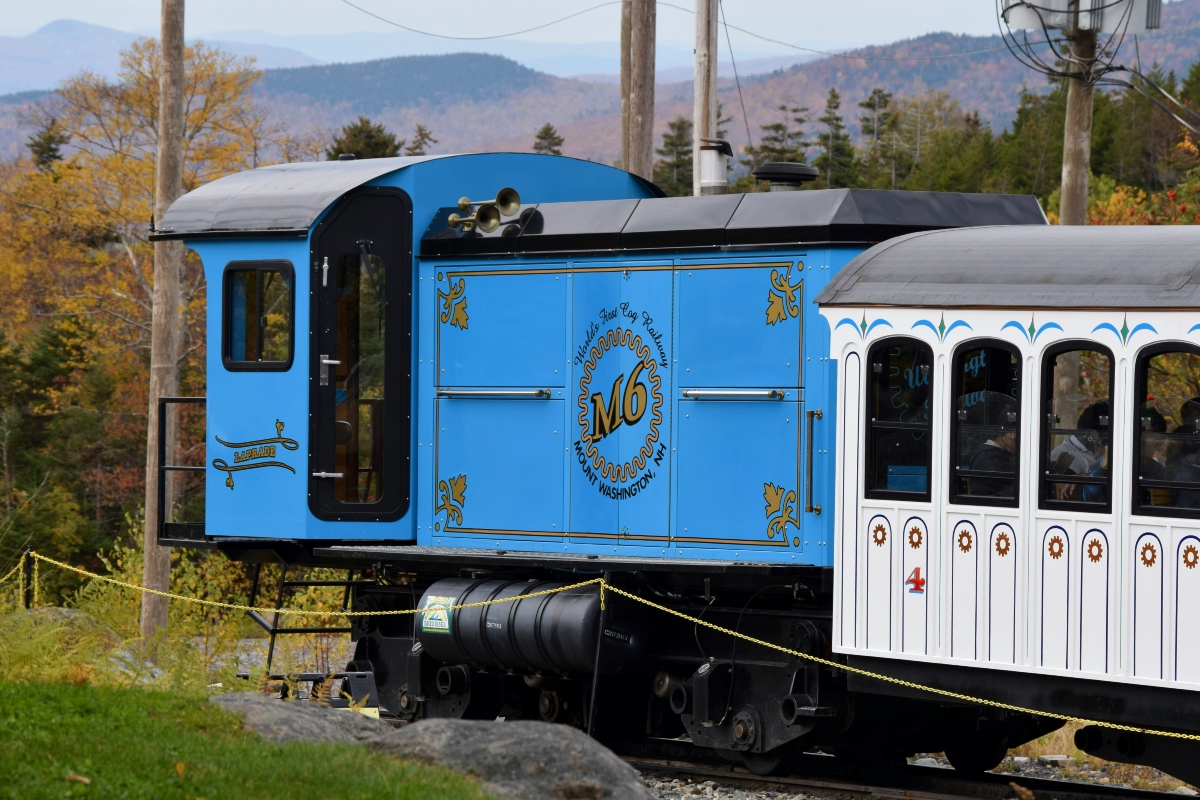
Warm-Weather Operations: During spring, summer, and autumn, areas like the Bretton Woods Adventure Center offer mountain biking, canopy zipline tours, gondola rides, and extensive hiking trail networks, including paths leading to Flume Gorge. Historic transit options, such as the Mount Washington Cog Railway—operating since 1869 as the world’s first mountain-climbing cog railway—provide mechanized access to high-elevation vistas.
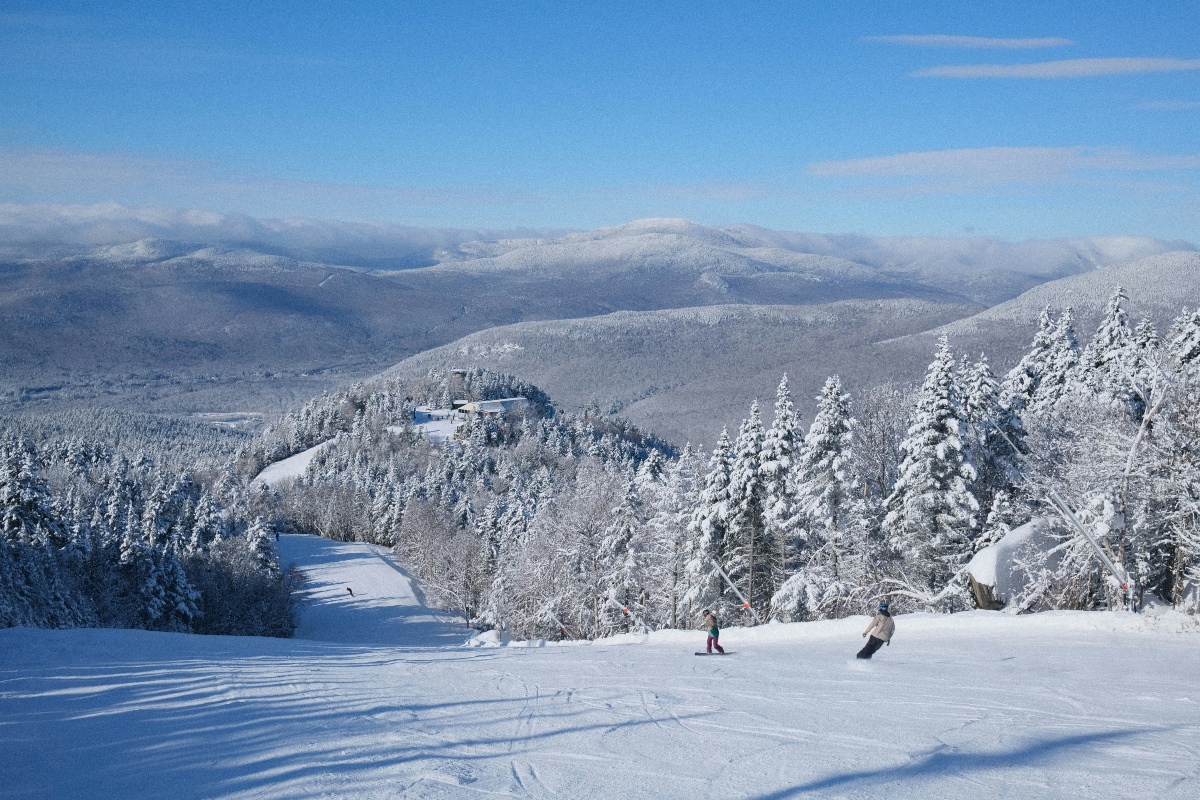
Winter Operations: The region features extensive downhill ski terrain. Bretton Woods, the state’s largest ski area, encompasses nearly 500 acres of skiable terrain across numerous trails and glades, complemented by cross-country skiing, snowshoeing, and snowtubing facilities.
Foliage Season: Similar to northern Maine and Vermont, the White Mountains experience a dramatic autumn color transition, drawing substantial vehicular traffic from regional leaf-peeping tourists.
Prominent lodging establishments in the area include the historic Omni Mount Washington Resort, which anchors the Bretton Woods region, and the Mountain View Grand Resort & Spa, noted for its sustainable agricultural initiatives and family programming.
Stowe, Vermont: Mountain Town Culture and Winter Sports
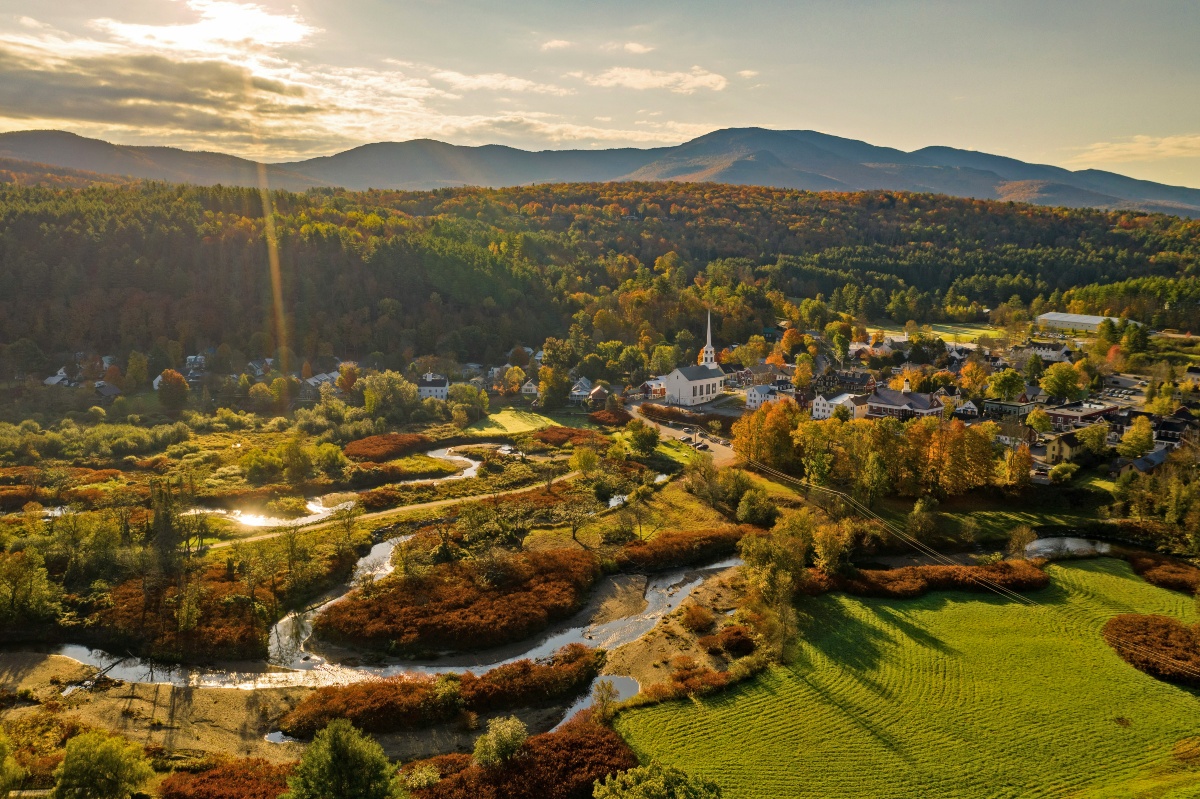
Positioned just over three hours northwest of Boston, Stowe, Vermont, represents the most distant of the four regional escapes but offers a distinct alpine village experience. Nestled in a valley beneath Mount Mansfield—Vermont’s highest peak at 4,393 feet—Stowe has cultivated an international reputation for winter sports and quintessential New England village aesthetics.
The local economy balances agricultural traditions, particularly maple syrup production, with a sophisticated hospitality sector anchored by craft breweries, specialty dining, and luxury resorts.
Year-Round Municipal Dynamics
Stowe’s tourism strategy emphasizes balanced, four-season engagement:
Winter Sports: Stowe Mountain Resort features extensive terrain catering to intermediate and advanced skiers and snowboarders. Non-skiing alternatives include dog sledding, ice skating at the Spruce Peak Village Center, and horse-drawn sleigh rides.
Summer and Autumn Recreation: The warmer months facilitate mountain biking, hiking trails such as the route to Moss Glen Falls, and cultural excursions, including factory tours at the nearby Ben & Jerry’s facility in Waterbury.
Spring Transition: The spring season is marked by agricultural tourism focused on maple sugaring operations, where visitors can observe traditional sap collection and boiling techniques.
Visitors seeking lodging in Stowe can choose between ski-in, ski-out properties like The Lodge at Spruce Peak, the culturally themed von Trapp Family Lodge, or wellness-oriented retreats such as Topnotch Resort.
Broader Implications for Regional Tourism
The symbiotic relationship between Boston and its surrounding New England retreats underscores a broader trend in domestic travel behavior: the preference for accessible, multi-faceted regional vacations. By leveraging short travel times, robust seasonal programming, and diverse recreational portfolios, these four destinations maintain steady visitor flows throughout the calendar year. Tourism economists emphasize that this regional connectivity not only stabilizes local labor markets but also encourages sustainable travel practices by reducing reliance on long-haul aviation for routine family vacations.
Related posts: