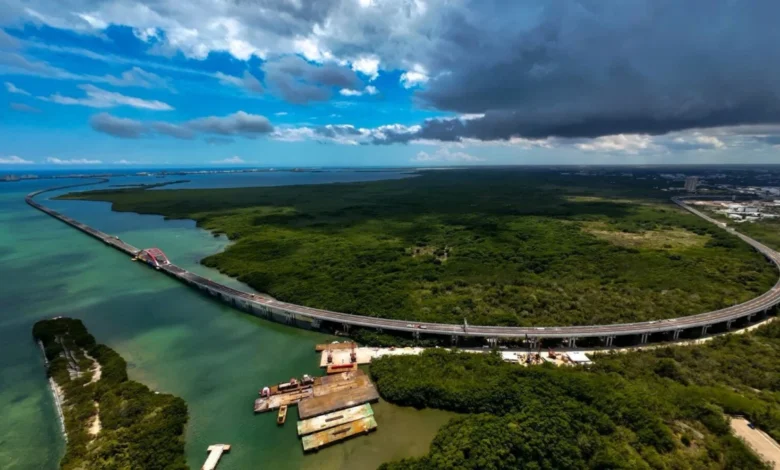
The completion and inauguration of the Nichupté Bridge represents a watershed moment for the infrastructure of the Mexican Caribbean, providing a vital artery that links the urban landscape of downtown Cancún directly to the world-renowned Hotel Zone. This multi-billion-peso project, long anticipated by both local residents and the international tourism sector, is designed to alleviate the persistent traffic congestion that has historically plagued the primary corridor serving the region’s massive hospitality industry. By providing an alternative route across the Nichupté Lagoon, the bridge serves as a critical strategic asset in maintaining the destination’s competitive edge in an era where traveler expectations are increasingly centered on logistical efficiency and time management.
Chronology and Development of the Infrastructure Project
The genesis of the Nichupté Bridge project traces back to the need for a redundant route into the Hotel Zone, which has for decades relied almost exclusively on a single arterial road. Traffic studies conducted over the last ten years indicated that the saturation of the Kukulcán Boulevard was reaching a critical threshold, leading to significant delays for commuters and tourists alike.
Planning for the bridge accelerated during the 2022-2023 fiscal period, as government authorities recognized that the post-pandemic surge in tourism required more than just increased airport capacity—it required a rethinking of the entire local mobility ecosystem. Construction commenced with a focus on sustainable engineering, given the sensitive ecological environment of the Nichupté Lagoon system. Despite complex logistical challenges, including environmental impact assessments and the coordination of massive maritime engineering efforts, the project moved toward completion throughout 2025 and 2026. The bridge’s status as a completed, operational asset was solidified during the 2026 EDGE conference in San Diego, where it was showcased as a primary example of Mexico’s commitment to modernized tourism infrastructure.
Supporting Data and Technical Scope
The Nichupté Bridge is not merely a transport link; it is a significant engineering feat spanning approximately 8.8 kilometers. The project was designed to reduce travel times between the mainland and the island-like barrier of the Hotel Zone by up to 30 to 45 minutes during peak traffic hours.
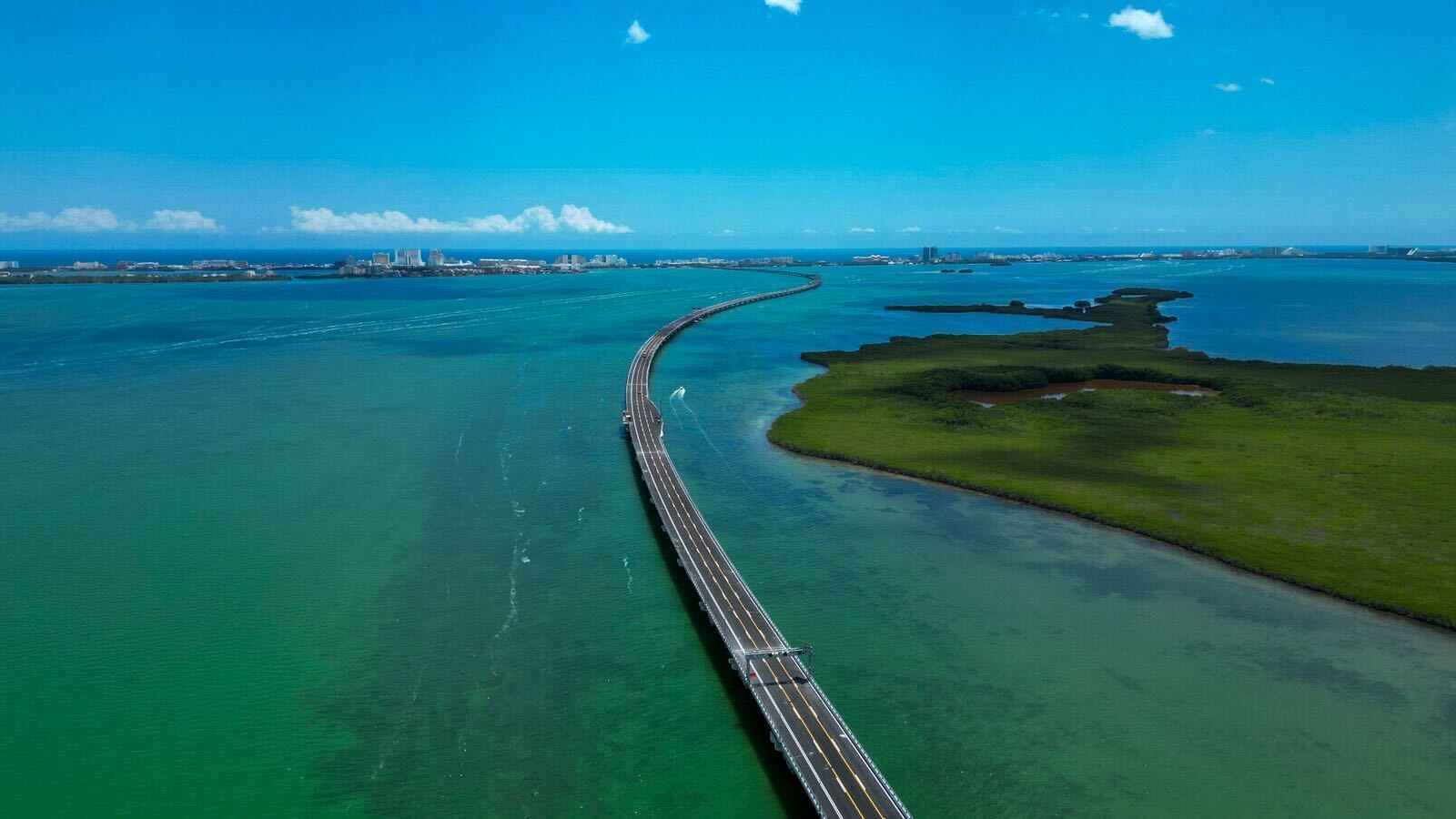
Economic data provided by regional tourism boards highlights that the Mexican Caribbean has seen an unprecedented influx of visitors, with hotel occupancy rates frequently exceeding 80% during peak seasons. Prior to the bridge’s construction, the sole reliance on the main highway meant that any minor accident or maintenance work would result in total gridlock, impacting everything from hotel staff commutes to the timely delivery of goods and emergency services. The new infrastructure provides a dedicated channel that separates local traffic from the high-volume transit of tourists arriving from the Cancún International Airport, which itself has undergone its own series of terminal expansions to handle increasing passenger volumes.
Official Perspectives and Strategic Vision
The Mexican Caribbean Tourism Board has championed the bridge as the centerpiece of a broader "Vision 2030" strategy. Andrés Martínez Reynoso, CEO of the Board, has characterized the project as a transformational evolution of the region. From an administrative perspective, the investment is viewed as a necessary pivot from passive reliance on natural beauty to the active management of the visitor experience.
"This project reflects the region’s continued evolution to meet the needs of modern tourism," stated Martínez Reynoso during recent industry briefings. The sentiment among regional planners is that the "first mile" and "last mile" of a traveler’s journey—the transit from the airport to the hotel—is as crucial to customer satisfaction as the amenities within the resort itself. By removing the friction of stagnant traffic, the region aims to increase the attractiveness of downtown Cancún as an extension of the tourist experience, rather than a separate, unconnected entity.
Implications for the Regional Tourism Economy
The implications of the Nichupté Bridge extend far beyond the convenience of a shorter commute. For the hospitality sector, the bridge facilitates easier access to the diverse culinary and cultural offerings of downtown Cancún. Historically, the geographic separation created a barrier where tourists rarely ventured beyond the confines of their all-inclusive resorts. The bridge creates a porous border, encouraging "tourism leakage" into the local economy, which is a stated goal of sustainable development initiatives in the state of Quintana Roo.
Furthermore, the successful delivery of this project sets a precedent for future infrastructure investment in other high-growth areas such as Playa del Carmen and Tulum. The region is currently shifting its focus toward "integrated destination management." This means that the infrastructure connecting these municipalities—such as the regional rail systems and highway upgrades—is being developed with the same level of priority as the hotel properties themselves.
Fact-Based Analysis of Future Trends
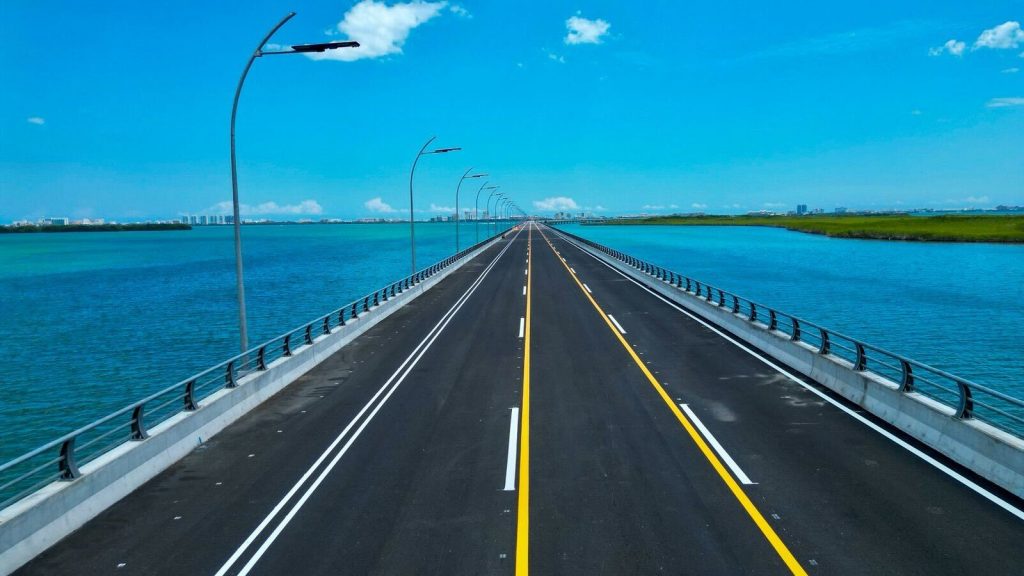
As the Mexican Caribbean prepares to host the EDGE 2027 conference in the Cancún-Riviera Maya corridor, the Nichupté Bridge stands as a testament to a shift in policy. The focus has moved from merely increasing the number of hotel rooms to improving the flow of people, resources, and services. Analysts suggest that this "logistical luxury" will become the standard for major global resort destinations. In a world where travelers are increasingly sensitive to the stress of travel, destinations that can guarantee a seamless transition from the runway to the oceanfront are likely to secure a larger share of the luxury market.
The environmental aspect of the project remains a subject of ongoing monitoring. As the region continues to develop, the balance between infrastructure expansion and the preservation of the lagoon’s ecosystem is a delicate one. Government oversight agencies have committed to long-term monitoring programs to ensure that the bridge’s footprint does not compromise the water quality or the biodiversity of the Nichupté system. This commitment to transparency and ecological management is expected to remain a key component of the state’s long-term sustainability reporting.
Conclusion: A New Era for Caribbean Travel
The inauguration of the Nichupté Bridge marks the end of a long-standing logistical bottleneck and the beginning of a more integrated, efficient future for one of the world’s most popular travel destinations. By prioritizing the rhythm and flow of the visitor experience, the authorities in the Mexican Caribbean are aligning their infrastructure with the demands of the modern traveler.
As the calendar turns toward 2027 and the regional tourism industry prepares for the upcoming EDGE conference, the bridge will likely be viewed as the primary catalyst for a new phase of urban development in Cancún. Whether for the business traveler needing to reach a downtown meeting or the vacationer eager to reach their destination without the frustration of gridlock, the project delivers a measurable improvement in the quality of time spent in the region. As the Mexican Caribbean continues to grow, the lessons learned from the planning, construction, and operation of this bridge will undoubtedly inform the next generation of infrastructure projects throughout the country, cementing Mexico’s position as a leader in the global tourism landscape. With this project, the message to the international travel community is clear: the Mexican Caribbean is not only growing, but it is maturing into a more sophisticated, accessible, and strategically managed global hub.