Inspiring Inclusion: Charting a Path Toward Gender Equity in the Global Tourism Sector

The 2024 International Women’s Day campaign, centered on the theme "Inspire Inclusion," serves as a critical junction for the global travel and tourism industry. While the sector has long been touted as a primary engine for economic development and social mobility, a closer examination of its internal structures reveals deep-seated disparities that persist despite decades of advocacy. As the world navigates a post-pandemic recovery, the conversation has shifted from mere participation to the necessity of systemic change, challenging travel stakeholders to dismantle barriers that prevent women from ascending to positions of influence and leadership.
The Evolution of Gender Advocacy in Tourism
International Women’s Day (IWD), which traces its origins to the labor movements of the early 20th century, has evolved into a global platform for addressing institutional inequality. The United Nations officially recognized the day in 1975, and since then, it has acted as a bellwether for progress in gender parity. In the context of the tourism industry—a sector that contributes roughly 9-10% to the global GDP—the 2024 theme of "Inspire Inclusion" is particularly resonant.
Historically, the industry has relied heavily on female labor, yet the distribution of that labor remains skewed. Throughout the 1990s and early 2000s, the focus of international development bodies like the UNWTO was primarily on increasing the total number of women in the workforce. However, as the 2010s progressed, longitudinal studies began to highlight a "sticky floor" phenomenon, where women were consistently overrepresented in entry-level, low-wage, and seasonal roles, while remaining severely underrepresented in the C-suite and on boards of directors.
The Data Gap: Participation vs. Power
Statistical data provided by the World Travel & Tourism Council (WTTC) prior to the COVID-19 pandemic indicated that women comprised approximately 54% of the global tourism workforce. At a surface level, this appeared to be a success story of inclusivity. However, a granular analysis by the United Nations World Tourism Organization (UNWTO) presents a more sobering reality.
The current landscape of the industry is characterized by a significant leadership vacuum. Research indicates that only 19% to 25% of leadership positions within global tourism firms are held by women. This discrepancy is compounded by the informal nature of much of this work; women are disproportionately employed in family-run enterprises or as independent contractors, leaving them highly vulnerable to economic shocks. During the 2020-2021 pandemic period, the fragility of this model was exposed, as female workers were the first to face layoffs and the last to be rehired during the industry’s stuttering recovery.
The Socioeconomic Ripple Effect of Investing in Women
Beyond the moral imperative for equality, there is a compelling economic argument for the empowerment of women within the tourism supply chain. Empirical research from organizations such as Kiva and various UN initiatives demonstrates that when women are provided with financial autonomy and business training, the returns are socialized throughout the community.
Data suggests that women reinvest approximately 80% of their earnings into the health, nutrition, and education of their children and families. This "multiplier effect" means that a tourism project—such as a community-based homestay or a local handicraft cooperative—can fundamentally shift the trajectory of a local economy. In regions where formal banking is inaccessible, microfinance programs tailored to women entrepreneurs have proven to be the most effective mechanism for poverty alleviation. When women control the household income, nutritional standards rise, school attendance rates for girls increase, and the local community becomes more resilient to external economic volatility.
Institutional and Corporate Response
In response to these findings, several major industry players have begun to pivot their procurement strategies. Increasingly, multinational travel groups are implementing "inclusive supply chain" policies. These initiatives involve auditing suppliers to ensure that a percentage of their procurement budget is directed toward women-owned enterprises.
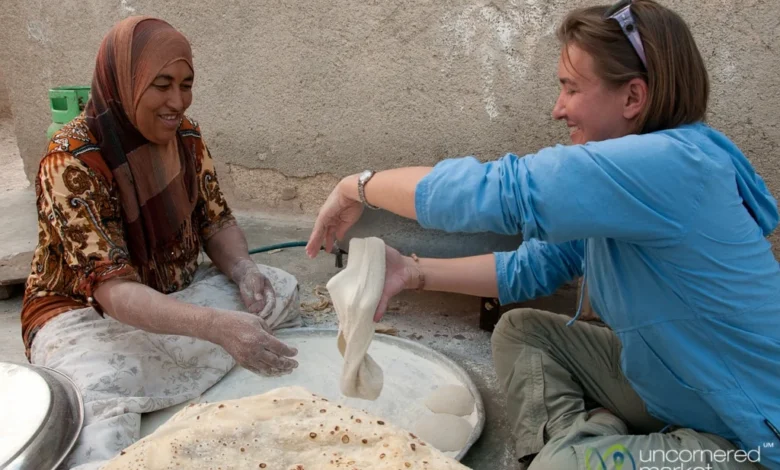
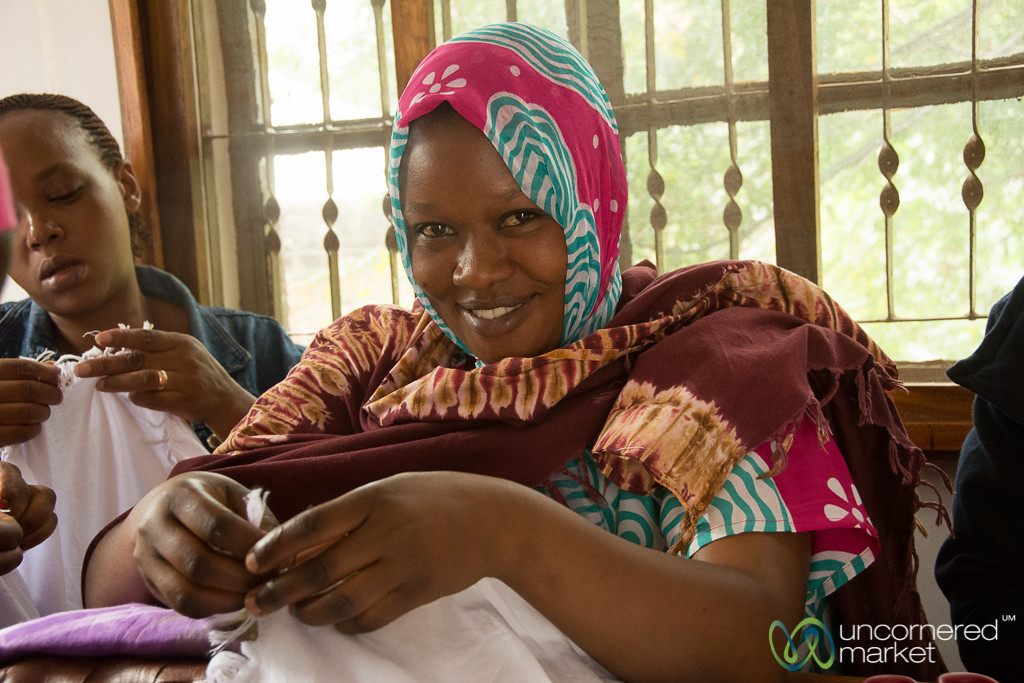
For instance, social enterprises like the Moshi Mamas in Tanzania or the Zikra Initiative in Jordan have become models for how tourism can bridge the gap between cultural preservation and economic independence. These organizations provide training in business management, digital literacy, and market access, enabling women to move from the periphery of the tourism experience to the center as service providers and managers. Industry analysts suggest that this shift is not just philanthropic; it is a strategic business decision.

The Business Case for Diversity
The argument for inclusion is increasingly being framed in the language of corporate profitability. A 2023 McKinsey & Company report reiterated a finding that has become a cornerstone of modern business theory: companies with greater gender diversity at the executive level are 25% more likely to experience above-average profitability.
In the travel sector, this logic is further bolstered by consumer demographics. Women represent the primary decision-makers for household travel, influencing between 70% and 80% of all travel bookings worldwide. A company that lacks female perspectives in its leadership, marketing, and product development teams is inherently ill-equipped to understand the needs of its largest consumer base. The lack of diversity is not merely a social failing; it is a strategic oversight that limits market reach and innovation.
Challenges to Implementation
Despite the clear business and social incentives, the industry faces significant structural hurdles. The "Inspire Inclusion" mandate requires more than symbolic gestures; it demands fundamental changes to hiring practices, mentorship programs, and workplace flexibility.
- Access to Capital: Many women-led tourism startups struggle to secure venture capital or traditional bank loans due to systemic biases in lending.
- Skill Development: While there is an abundance of labor, there is a persistent gap in high-level management and digital-era skills training for women in developing markets.
- Policy Frameworks: Governments in major tourism hubs often lack the regulatory framework to protect female informal workers, leaving them without social safety nets.
To overcome these, industry experts suggest a tripartite approach:
- Government Policy: Implementing tax incentives for companies that meet specific gender diversity quotas at the management level.
- Corporate Accountability: Publicly reporting on gender pay gaps and executive leadership representation to foster transparency.
- Consumer Advocacy: Encouraging travelers to use platforms and tour operators that prioritize female-led businesses, effectively voting with their travel budgets.
A Path Forward: Moving Beyond the Annual Observance
The transition from awareness to action remains the greatest challenge for the industry. International Women’s Day often risks becoming a performative exercise, characterized by social media campaigns rather than substantive internal policy reform. To truly "Inspire Inclusion," the tourism sector must embed gender equity into its operational DNA.

This requires a departure from the status quo of viewing women as a marginalized group to be "helped" and instead recognizing them as partners, stakeholders, and industry leaders. When women are afforded the same access to resources, education, and investment as their male counterparts, the entire sector benefits from the diverse perspectives and collective intelligence that define a truly innovative industry.
The objective for the coming years is to move beyond the statistics and look toward the human impact. Whether it is a female guide in a national park or a woman leading a major international hotel chain, the inclusion of these voices is the key to creating a more sustainable, equitable, and profitable future for global tourism. As the industry continues its evolution, the measure of its success will not be the total number of travelers served, but the degree to which it has dismantled the barriers that prevent half of the global population from fully participating in the opportunities that travel provides.
Related posts: