A Comprehensive Guide to the Best Christmas Markets in Berlin for the 2024-2025 Holiday Season

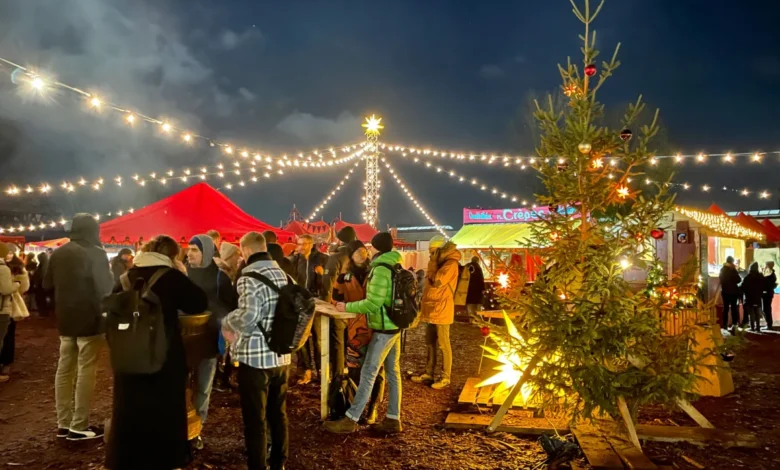
The German capital undergoes a profound transformation as the calendar turns to November, moving away from its reputation as a concrete metropolis and into a landscape defined by the tradition of the Weihnachtsmarkt. While cities such as Nuremberg and Dresden are historically synonymous with the origins of the German Christmas market, Berlin has developed a distinct, decentralized model that reflects the city’s multifaceted urban identity. With approximately 70 distinct markets operating across the city, the Berlin Christmas market scene serves as a critical social and economic pillar during the darkest months of the year, providing a communal hub for residents and a significant draw for international tourism.
The Evolution and Context of Berlin’s Holiday Markets
Historically, the Christmas market culture in Germany dates back to the late Middle Ages, with the first documented markets appearing in the 14th and 15th centuries. In Berlin, the development of these markets mirrors the city’s growth into a patchwork of distinct districts rather than a singular, unified town center. This decentralization is the primary reason why Berlin hosts dozens of markets rather than one monolithic event.
In recent years, the industry has seen a shift toward specialization. While traditional markets continue to draw massive crowds, niche markets—such as those focusing on Nordic crafts, medieval history, or organic local produce—have gained prominence. This diversification has turned the holiday season into a significant economic engine for the city. According to Berlin tourism authorities, the holiday period contributes tens of millions of euros to the local economy, supported by millions of visitors who flock to the city specifically to experience the atmosphere of the Advent season.

Seasonal Timeline and Operational Framework
For the 2024-2025 season, the majority of Berlin’s major Christmas markets commenced operations on November 25, 2024. Most are scheduled to remain open through the Christmas holiday, with several continuing their operations until the first few days of January 2025.
The typical operational day begins in the late morning, but the peak period for attendance—and the most photogenic time for visitors—is between 4:00 PM and 8:00 PM. Because the sun sets in Berlin before 4:00 PM throughout December, the lighting of these markets is a critical component of their appeal. The interplay between the frigid winter climate and the artificial light of the stalls creates an environment that serves as a vital psychological counterpoint to the winter solstice.

Prominent Markets and Their Economic Significance
The diversity of Berlin’s markets allows for a tiered experience, ranging from high-end, curator-led markets to community-focused, local initiatives.
WeihnachtsZauber at Gendarmenmarkt
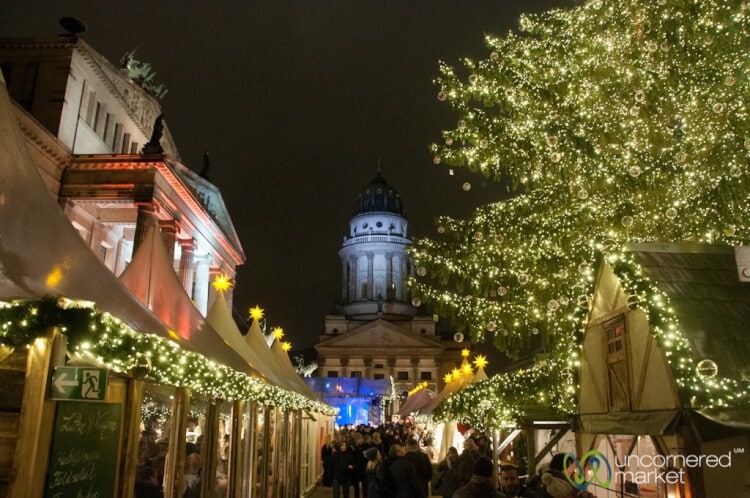
Widely considered the most prestigious market in the city, the Gendarmenmarkt event is set against the backdrop of the Konzerthaus and two historic cathedrals. It is categorized by its focus on luxury crafts and high-quality gastronomy. The market requires a nominal entrance fee, which organizers utilize to maintain the aesthetic standards and the high caliber of artisans permitted to set up stalls. It serves as a benchmark for traditional German holiday aesthetics.

Schloss Charlottenburg
Located on the grounds of a 300-year-old Baroque palace, this market leverages the historical architecture of the site to provide a "fairytale" experience. Its economic value lies in its ability to draw visitors to the western part of the city, distributing tourism traffic away from the central Mitte district. The market is noted for its focus on large-scale traditional decorations, including rotating wooden pyramids, which are iconic symbols of German Christmas craftsmanship.
Lucia Christmas Market at Kulturbrauerei
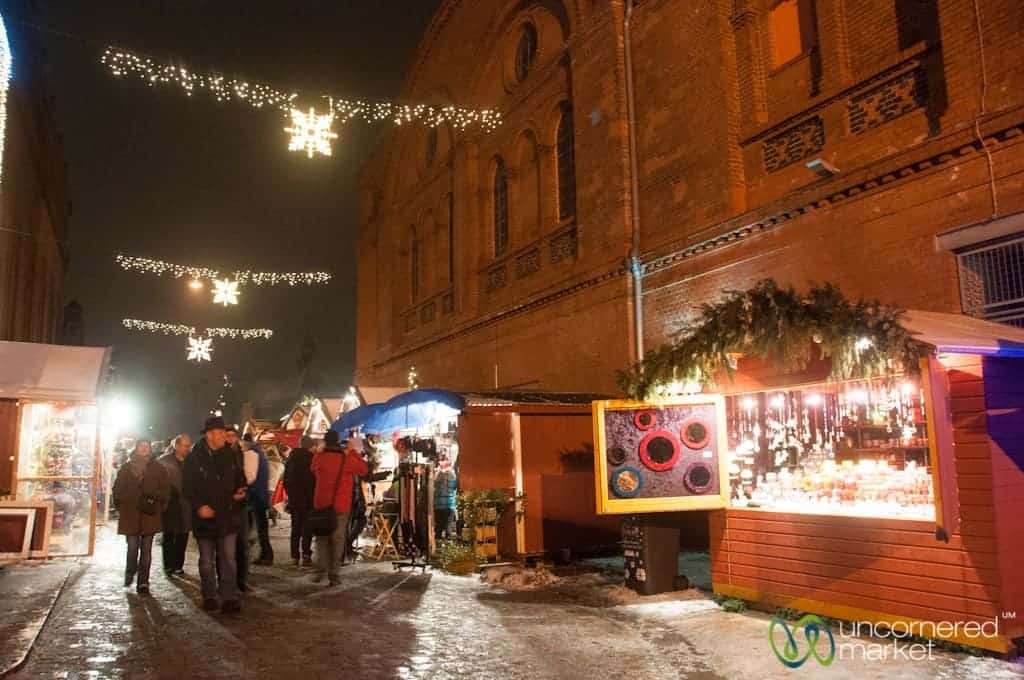
Situated within the industrial brick architecture of a 19th-century brewery in Prenzlauer Berg, this market offers a distinct cultural contrast by focusing on Nordic and Scandinavian traditions. Its success highlights the growing trend of thematic markets that cater to specific regional interests. By offering Swedish glögg, reindeer sausages, and Nordic-inspired crafts, the market distinguishes itself from traditional German fare and captures a younger, more globally minded demographic.

Historical Christmas Market at RAW
Located in the Friedrichshain district, this market occupies the grounds of the RAW Cultural Center. It is a prime example of the "experiential" market model. By incorporating medieval themes—such as blacksmithing, archery, and axe-throwing—the organizers have created a space that functions more like a living history museum than a conventional retail center. This approach has proven highly effective for attracting families and younger visitors.
Community-Based Markets and Neighborhood Impact
Beyond the major, city-wide attractions, Berlin’s smaller, neighborhood-run markets are essential to the city’s social fabric.
Alt-Rixdorfer Christmas Market
Located in Neukölln, this market is organized primarily by local charitable organizations, schools, and fire departments. It serves as a vital fundraising vehicle for local causes. Its limited run—usually occurring over a single weekend—makes it a highly anticipated community event that fosters social cohesion in a rapidly gentrifying area. The focus here is not on commercial mass-market goods, but on homemade crafts and local networking.
Heissa Holzmarkt
This market, situated on the banks of the Spree River, exemplifies the "alternative" Berlin market. By integrating urban community space with traditional holiday elements like bonfires and silent discos, it attracts a crowd that may find traditional markets too restrictive. It serves as a modern blueprint for how historic holiday traditions can be adapted to suit 21st-century urban lifestyles.

Safety, Logistics, and Official Guidelines
The organization of these markets involves close coordination with local police and fire services. Given the high density of visitors, safety protocols regarding fire hazards—particularly involving the widespread use of open flames, heaters, and electrical lighting—are strictly enforced by the Berlin Senate Department for Economics, Energy and Public Enterprises.
Market operators are required to adhere to rigorous hygiene and safety standards, particularly concerning the serving of food and drink. The industry has also seen a push toward sustainability; many markets have transitioned to reusable, deposit-based mugs for hot beverages to reduce waste, a practice that is now standard across all major locations.

Broader Economic and Cultural Implications
The proliferation of Christmas markets in Berlin has a ripple effect on the city’s hospitality sector. Hotels in areas such as Mitte, Friedrichshain-Kreuzberg, and Neukölln report significantly higher occupancy rates during the Advent season compared to other winter months. The presence of these markets acts as a catalyst for other retail activity, with nearby shops often extending their hours to accommodate the influx of holiday shoppers.
From a cultural perspective, these markets serve as a "soft power" tool for Berlin, maintaining traditional German customs while allowing the city to demonstrate its modern, inclusive, and diverse character. The blending of the traditional (e.g., bratwurst, mulled wine) with the contemporary (e.g., international street food, avant-garde art) ensures that the markets remain relevant to both the aging local population and the younger, international demographic that makes up a significant portion of Berlin’s current workforce.

Conclusion
For visitors and residents alike, the Berlin Christmas market experience is defined by variety. Whether one seeks the refined, historic atmosphere of the Gendarmenmarkt or the gritty, alternative charm of the RAW grounds, the city provides a comprehensive array of choices. As these markets continue to evolve, they remain an indispensable element of the Berlin winter, providing a necessary space for community gathering, cultural preservation, and economic vitality in an ever-changing urban environment. As of February 2026, the city continues to evaluate the impact of these events, ensuring they remain sustainable fixtures in the annual calendar.