Trekking in Bhutan: A Comprehensive Guide to Himalayan Adventures and the Trans Bhutan Trail

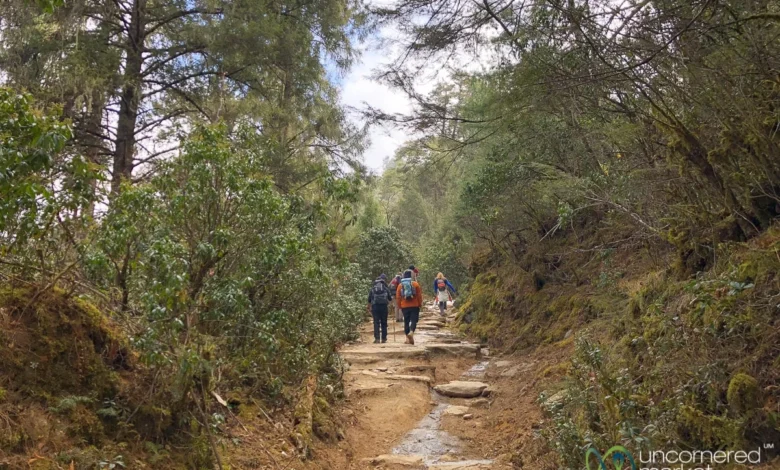
Bhutan, often referred to as the "Land of the Thunder Dragon," has long captivated the global imagination as a sanctuary of pristine Himalayan landscapes and deep-rooted Buddhist tradition. For adventure seekers, the kingdom represents one of the final frontiers of trekking, characterized by high-altitude mountain passes, ancient pilgrimage routes, and a philosophy of "High Value, Low Volume" tourism that protects its fragile environment. While the Druk Path Trek has historically served as the benchmark for visitors seeking a balance of challenge and accessibility, the 2022 reopening of the historic Trans Bhutan Trail marks a transformative moment for international hiking, restoring a 403-kilometer (250-mile) artery of cultural and geographic significance.
The Historical Significance of the Bhutanese Trail Network
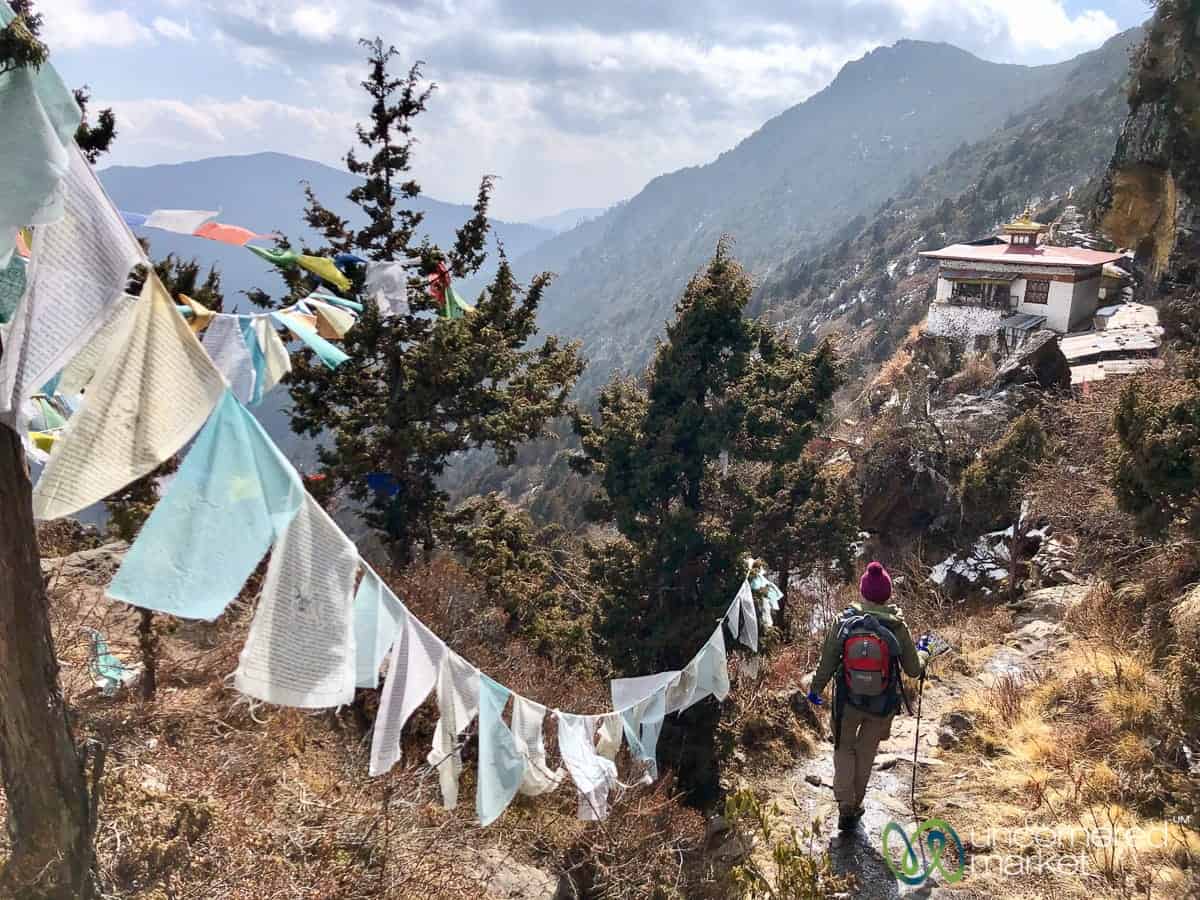
The trail network in Bhutan is not merely a collection of hiking paths; it is a repository of living history. The Trans Bhutan Trail, which traverses the country from Haa in the west to Trashigang in the east, was for centuries the primary conduit for trade, communication, and spiritual travel between Bhutan and Tibet. Fortresses, known as Dzongs, were strategically positioned along these routes to monitor movement and provide refuge. By the 1960s, as the nation began to modernize its infrastructure, these ancient trails fell into disrepair.
The revival of this infrastructure, culminating in the formal reopening in April 2022, was a massive undertaking coordinated by the Bhutan Canada Foundation and the Tourism Council of Bhutan. During the COVID-19 pandemic, when global tourism shuttered, the project accelerated, employing 900 furloughed workers to restore bridges, stone staircases, and footpaths. This effort not only preserved a national treasure but provided critical economic support to rural communities during an era of global instability.
The Druk Path: A Template for High-Altitude Exploration
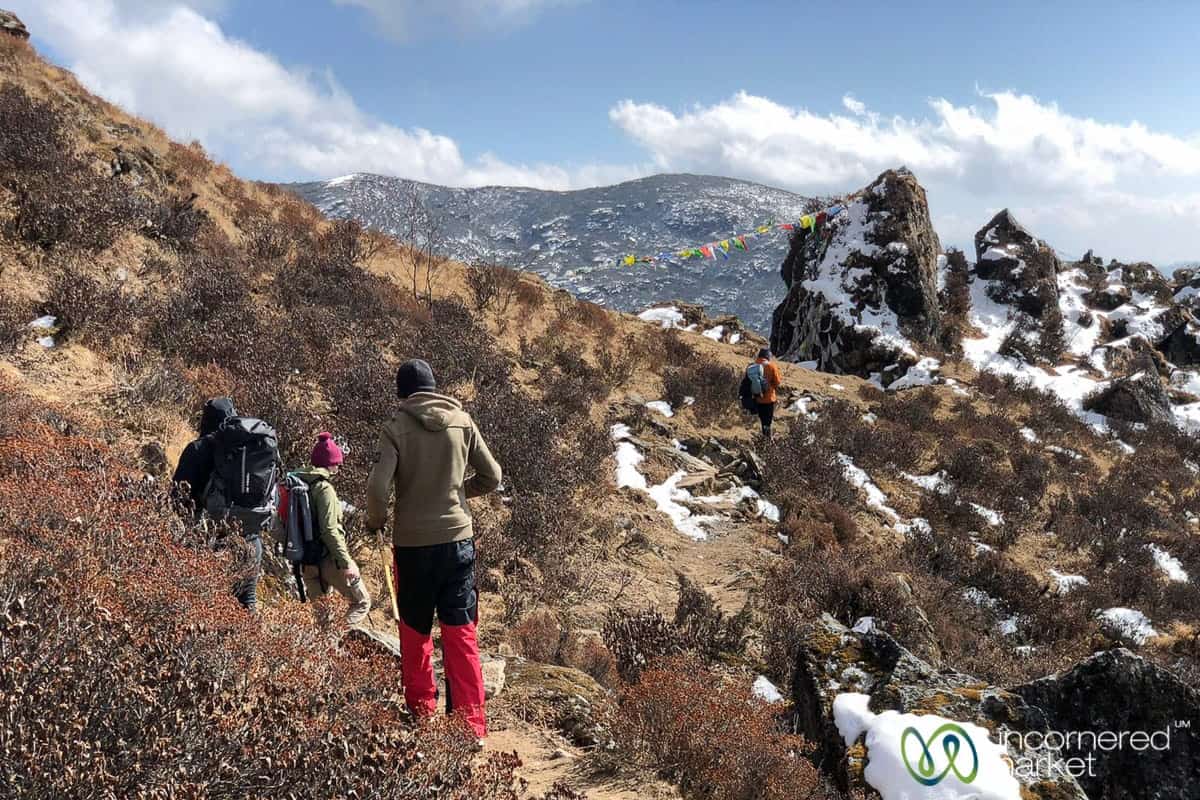
The Druk Path Trek, connecting the administrative hubs of Paro and Thimphu, remains the quintessential introduction to Bhutanese trekking. Spanning approximately 36 to 45 kilometers, the route typically reaches a maximum elevation of 4,200 meters (13,800 feet) at the Labana Pass. While moderate in technical difficulty, the trek requires physical preparation due to the sustained high-altitude exposure.

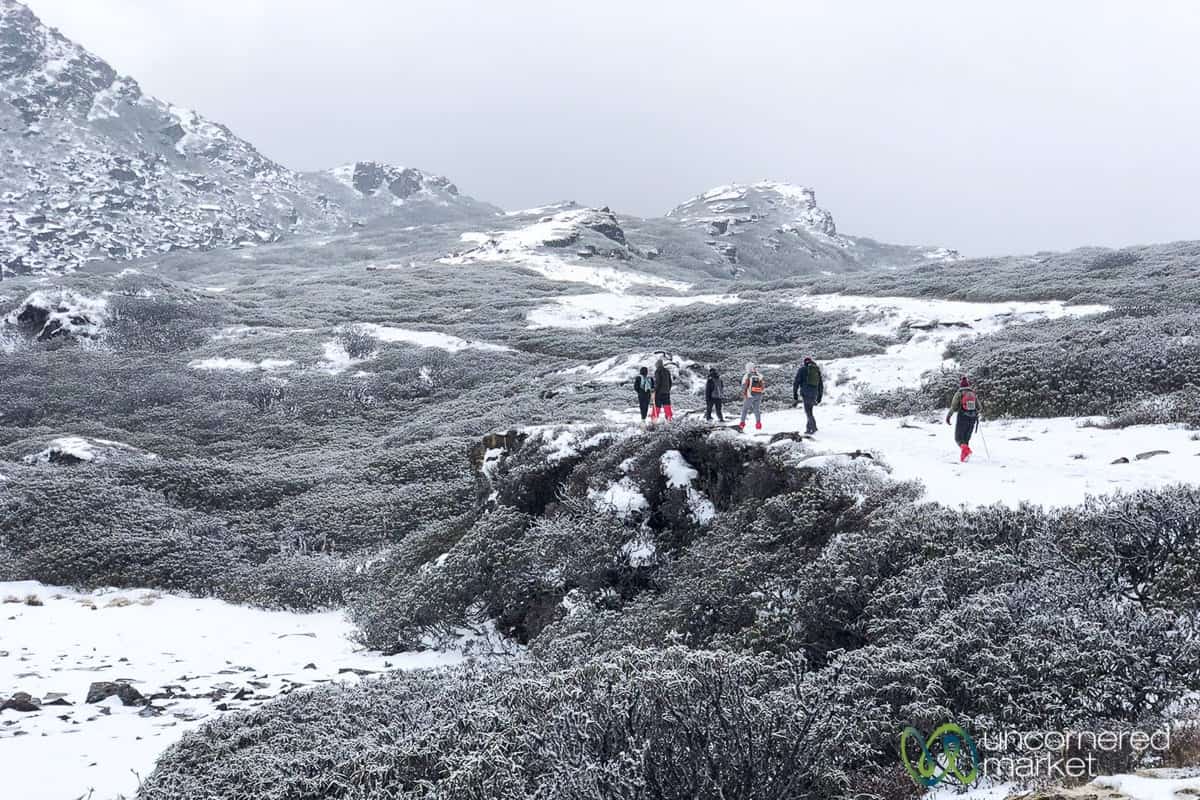
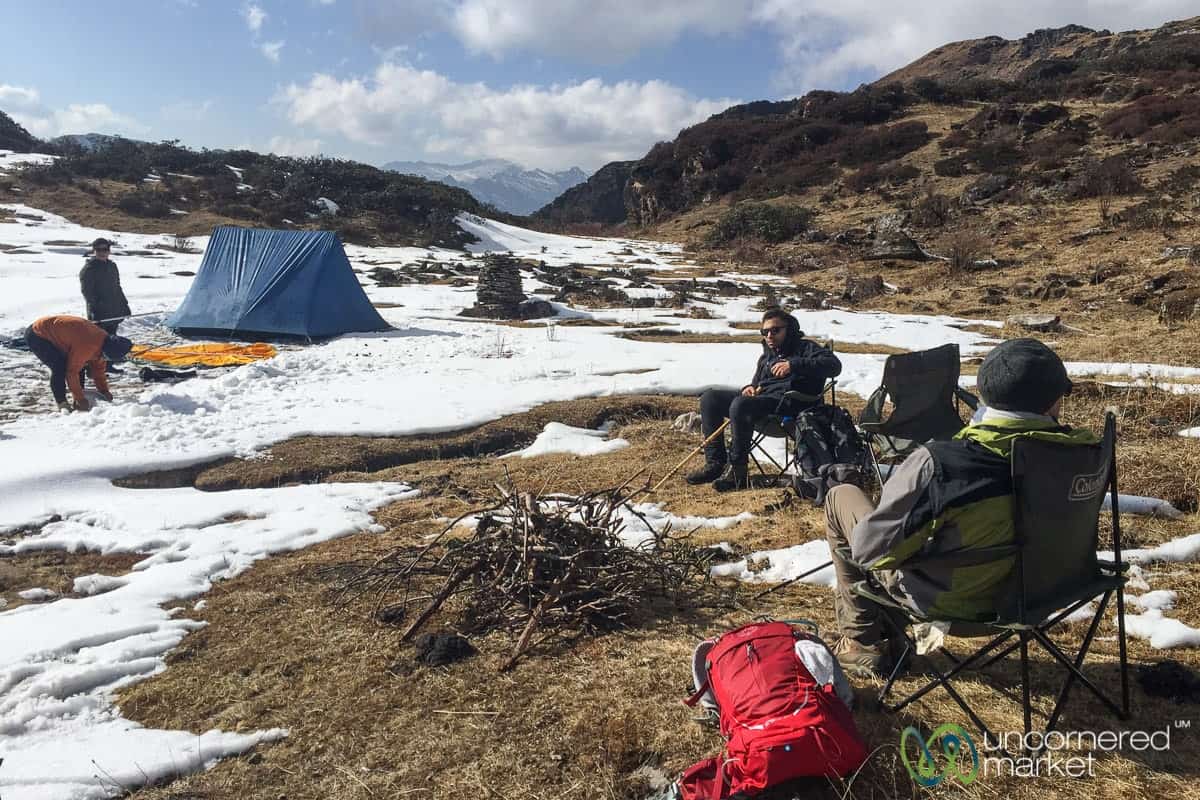
For those attempting the trek during winter months—a period of quietude and stark, frozen beauty—the experience differs significantly from the rhododendron-rich spring seasons. Winter trekkers must contend with sub-zero temperatures, often dipping to -10°C (14°F), requiring specialized gear and a high level of self-sufficiency. However, the trade-off is unparalleled solitude, as the trails are largely devoid of the congestion seen in other Himalayan regions like Nepal’s Annapurna Circuit or Everest Base Camp.
Infrastructure and Logistics of Bhutanese Treks
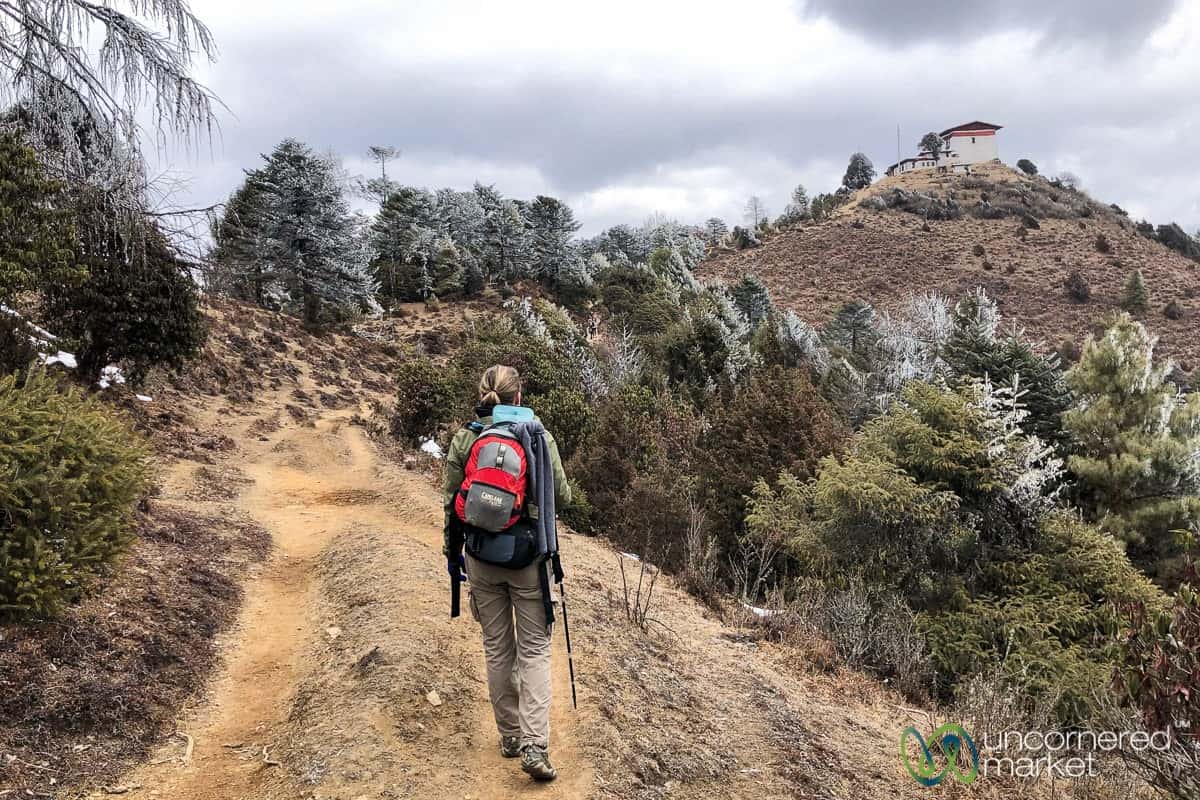
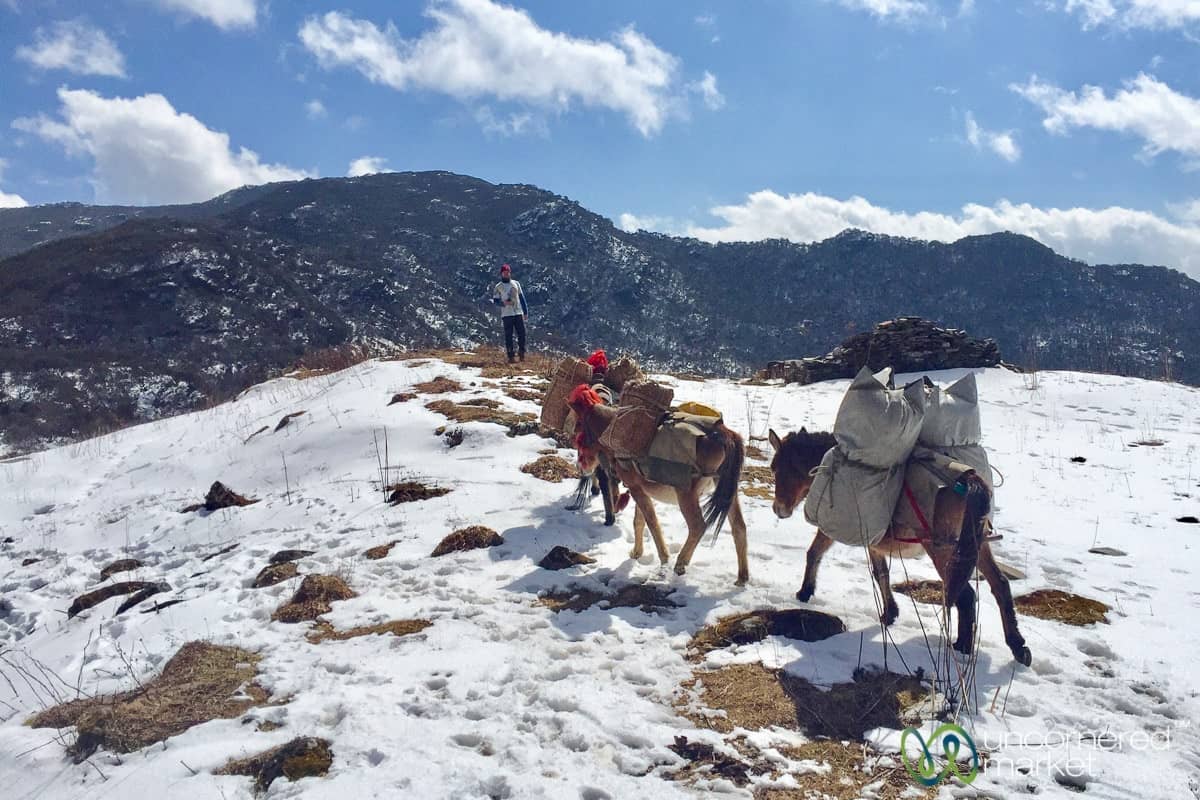
Unlike trekking in many other parts of the world, independent hiking is not permitted in Bhutan. Regulations mandate that all trekking parties be accompanied by a licensed local guide and support crew. This policy serves two purposes: it ensures the safety of international visitors in the unpredictable high-altitude environment and guarantees that tourism revenue is distributed back into the local economy through wages for cooks, mule handlers, and support staff.
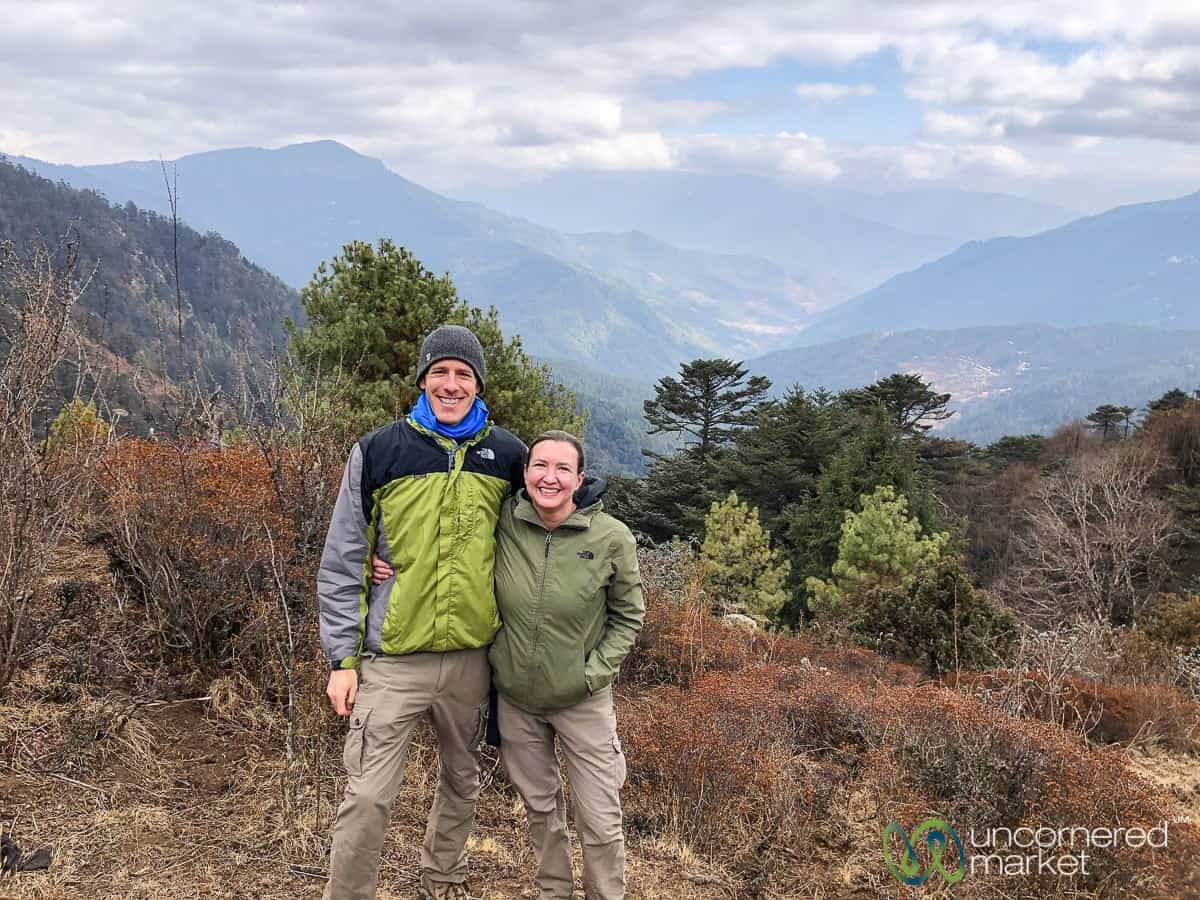
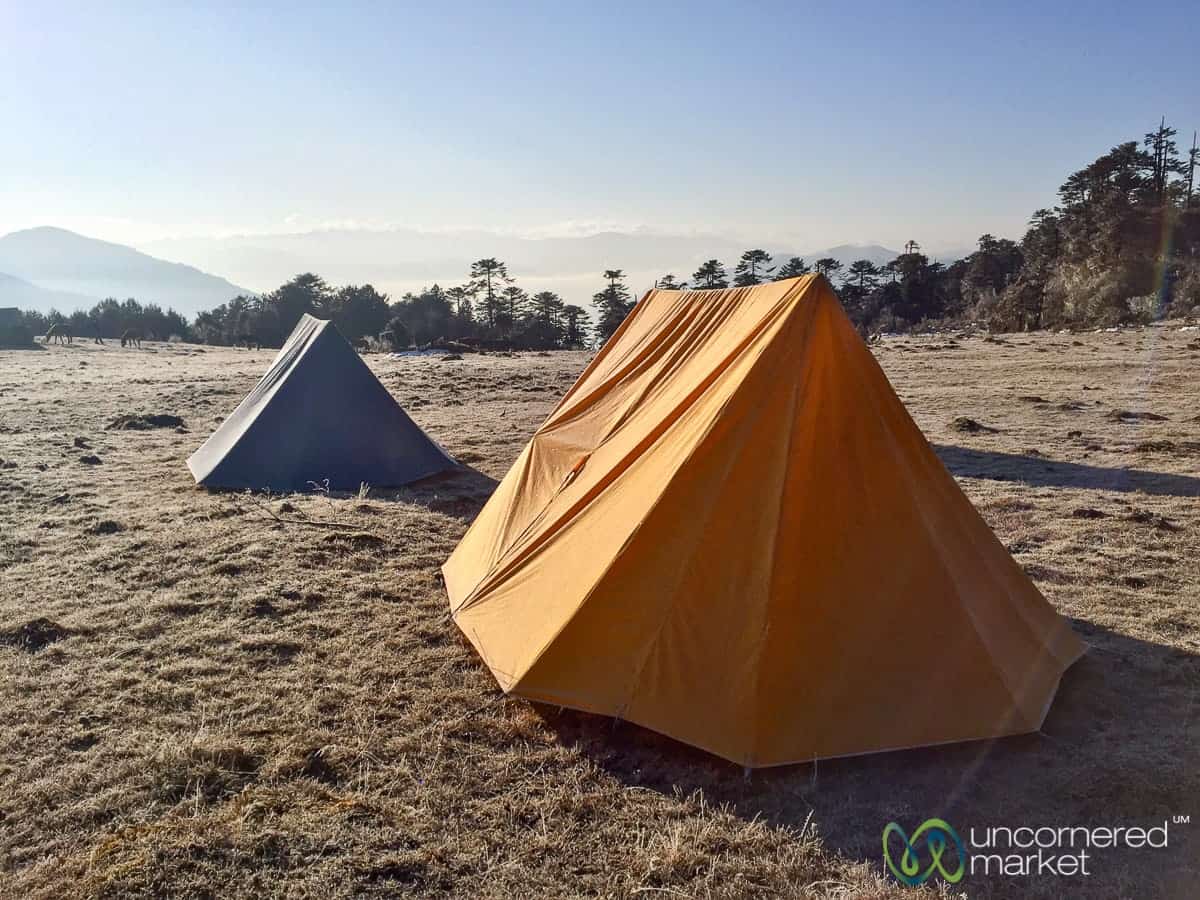
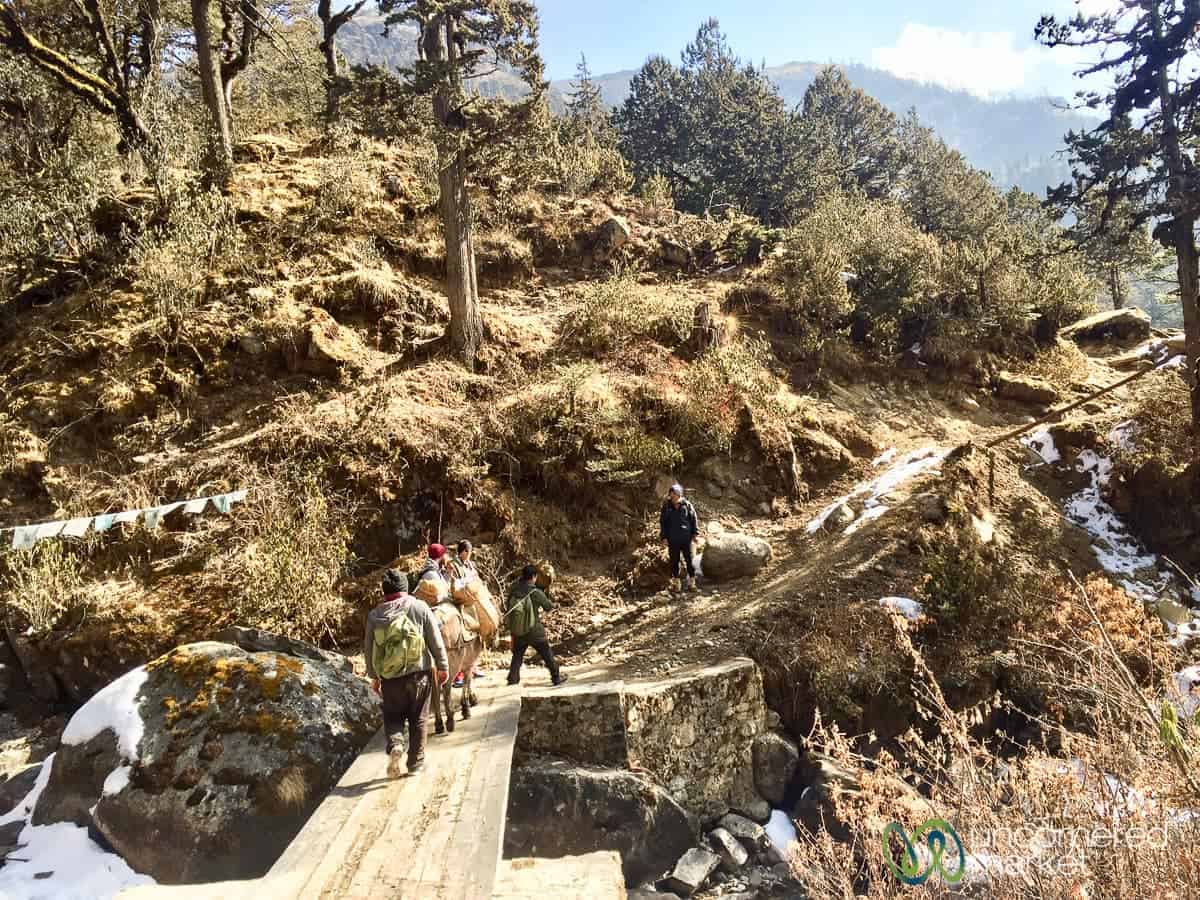
Logistically, trekking in Bhutan is a "supported" experience. A typical group is accompanied by a team of mules to transport camping equipment, food supplies, and gear, leaving the trekkers to carry only day packs. This model allows for a higher standard of comfort, with hot, multi-course meals prepared by dedicated cooks at each campsite, often featuring a blend of traditional Bhutanese cuisine—such as ema datshi (chili and cheese)—and international staples.
Environmental Stewardship and Sustainability
Bhutan maintains a constitutionally mandated policy of keeping at least 60% of its land under forest cover, a commitment that extends to the management of its hiking trails. The Trans Bhutan Trail and the Druk Path are subject to strict environmental regulations. Modern initiatives include a "zero-plastics" policy along the trail, the installation of high-quality water filtration systems to eliminate the need for single-use bottles, and a reforestation program where a tree is planted for every international visitor who completes a segment of the trail.
This focus on sustainability is part of Bhutan’s broader Gross National Happiness (GNH) framework, which prioritizes environmental conservation and cultural preservation over rapid economic growth. By directing trekkers toward community-based tourism, such as village homestays and locally sourced food, the government aims to ensure that rural populations benefit directly from the influx of hikers, curbing urban migration.
Preparation: Physical and Technical Requirements
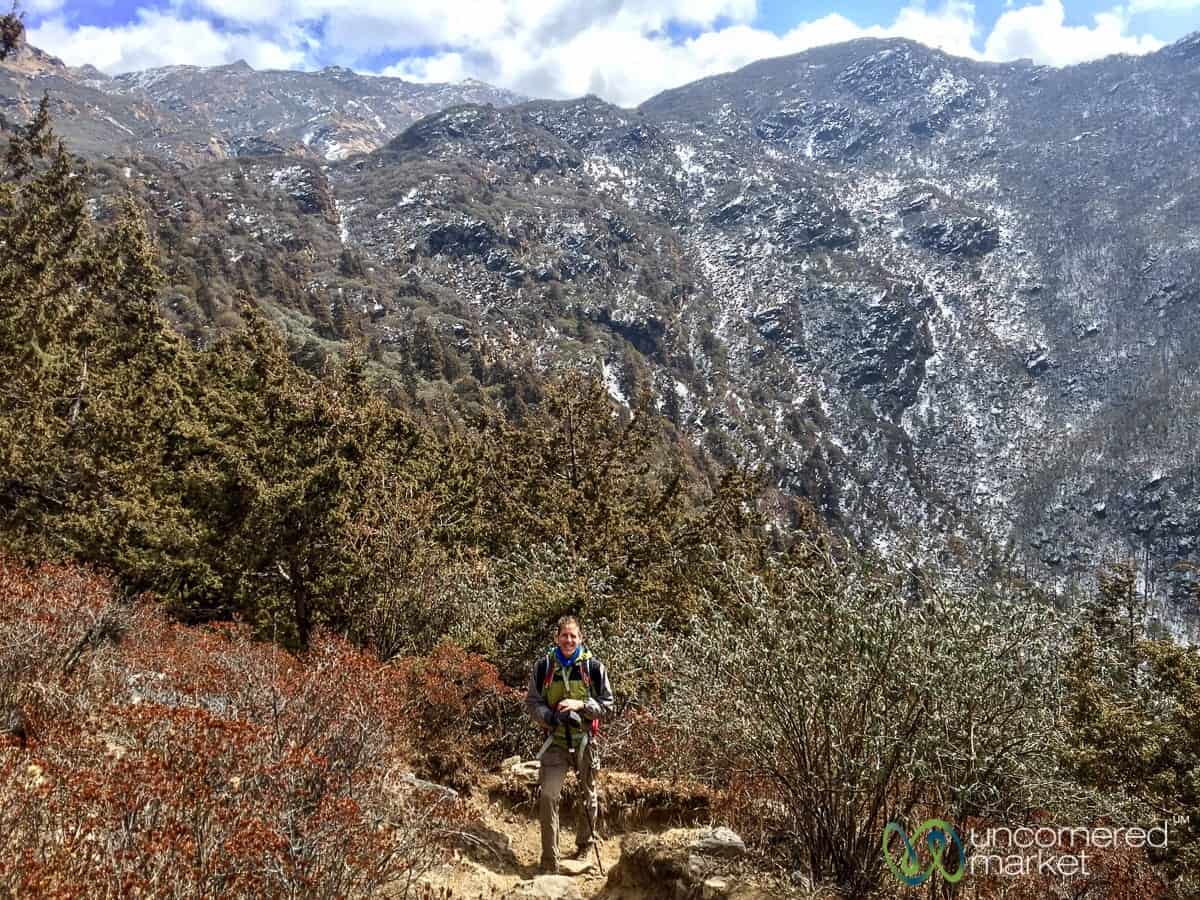
While the Druk Path is not a technical climb requiring ropes or harnesses, altitude sickness remains the primary physiological risk. The rate of ascent is critical; professional trekking guides emphasize a "slow and steady" pace to facilitate acclimatization. Health experts recommend a minimum daily water intake of several liters and, in some cases, prophylactic medication if discussed with a medical professional prior to travel.
Packing for a Bhutanese trek requires a delicate balance. Since mule-supported luggage is typically capped at 7.5 kilograms per person, travelers must prioritize multi-functional layers. Essential gear includes:
- Insulated Sleeping Bag: Rated to at least -10°C (15°F), regardless of the season.
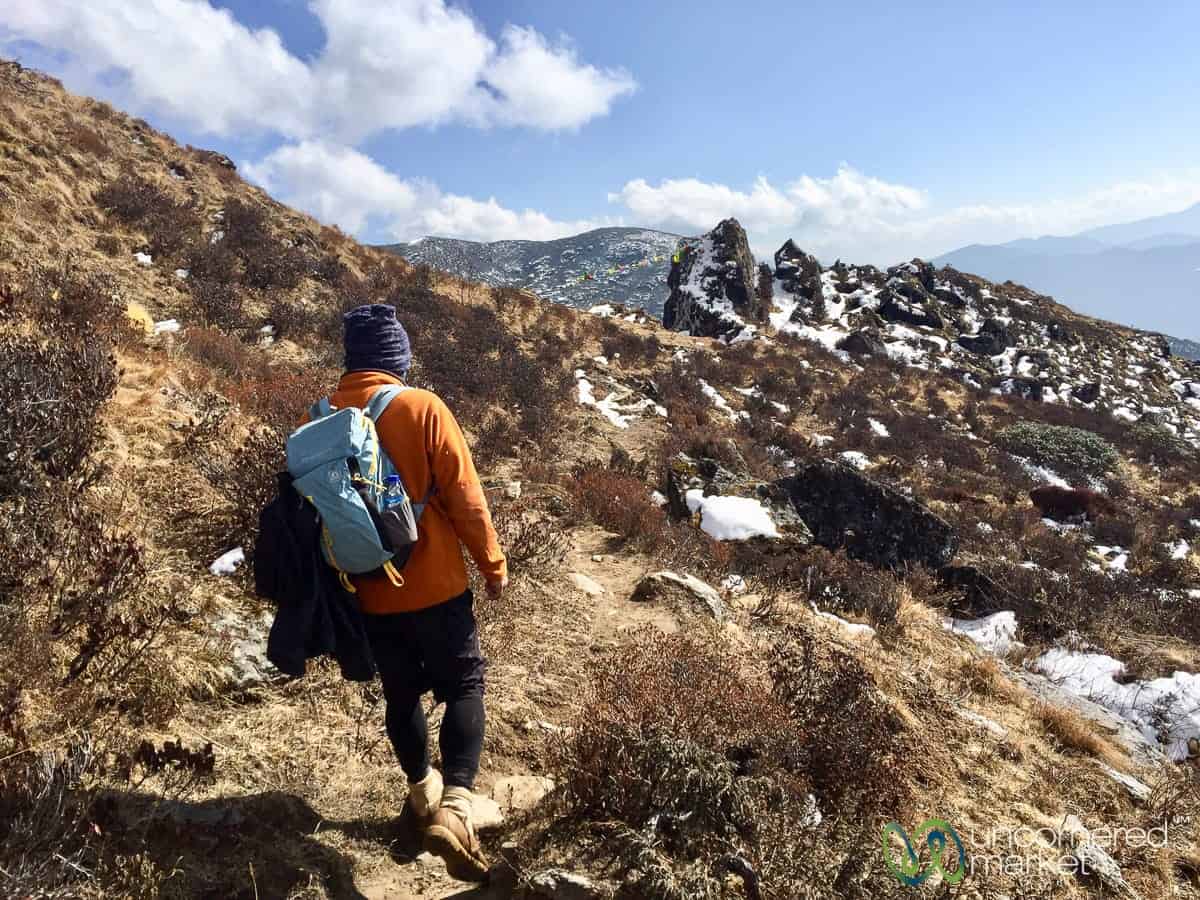
- Trekking Poles: Essential for stability on rocky, uneven, or snow-covered descents.
- Footwear: Waterproof, broken-in hiking boots with good ankle support.
- Layering System: Moisture-wicking base layers, an insulating mid-layer (fleece or down), and a breathable, waterproof outer shell.
The Future of Trekking in the Kingdom
As Bhutan continues to recalibrate its tourism industry post-pandemic, the expansion of the trail network is expected to be a primary driver of growth. The introduction of the Trans Bhutan Trail allows for a more decentralized approach to travel, spreading the economic impact across eastern and western provinces that were previously overlooked.
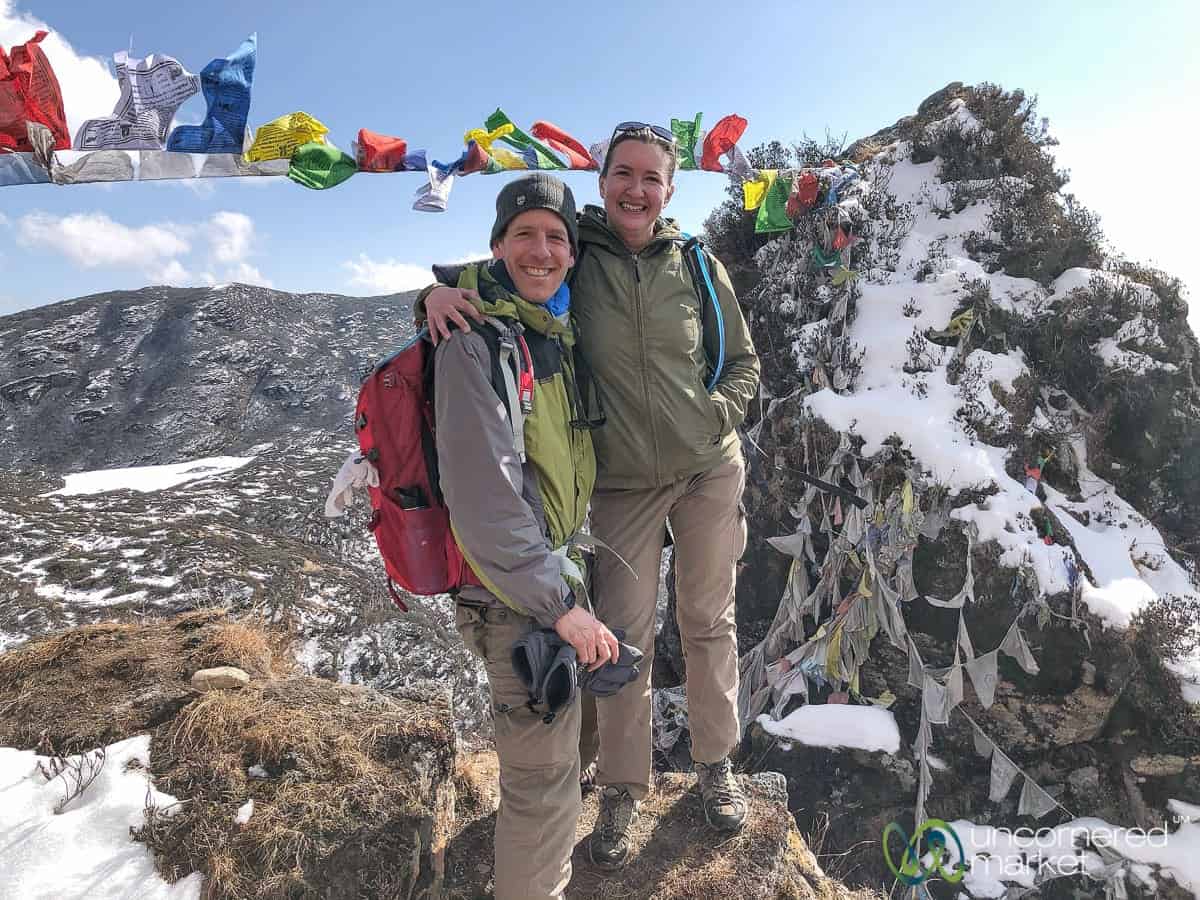
For the modern traveler, the appeal of Bhutan lies in its ability to offer an "unplugged" experience. In an era of constant connectivity, the high-mountain ridges of the Druk Path and the ancient forest tracks of the Trans Bhutan Trail offer a rare opportunity for introspection. By adhering to the mandatory tour structure and respecting the cultural sensitivities of the local monasteries and villages, hikers contribute to a sustainable model of exploration that honors the past while financing the future of one of the world’s most unique nations.
Fact-Based Summary of Trekking Realities
- Visa and Entry: All tourists must pay a Sustainable Development Fee (SDF) to support carbon-neutral tourism initiatives.
- Best Time to Visit: Spring (April–May) and Autumn (September–November) offer the most stable weather conditions and clear mountain vistas.
- Support: All treks must be booked through licensed tour operators; independent trekking is prohibited.
- Medical Precautions: Travelers should undergo a pre-trip physical and consult a doctor regarding altitude management and necessary vaccinations.
- Cultural Etiquette: Trekkers are expected to dress modestly when visiting temples and monasteries, covering shoulders and legs, and to refrain from taking photographs in restricted areas of religious sites.
As the international travel sector evolves, Bhutan stands as a case study in how a country can leverage its natural beauty and cultural heritage to create a premium, sustainable tourism product. Whether one chooses the short, high-altitude punch of the Druk Path or the multi-week, cross-country odyssey of the Trans Bhutan Trail, the experience is defined by the profound silence of the Himalayas and the enduring hospitality of the Bhutanese people.