Navigating the Cultural Landscape of Modern India Through Specialized Women’s Expeditions and Local Leadership Paradigms

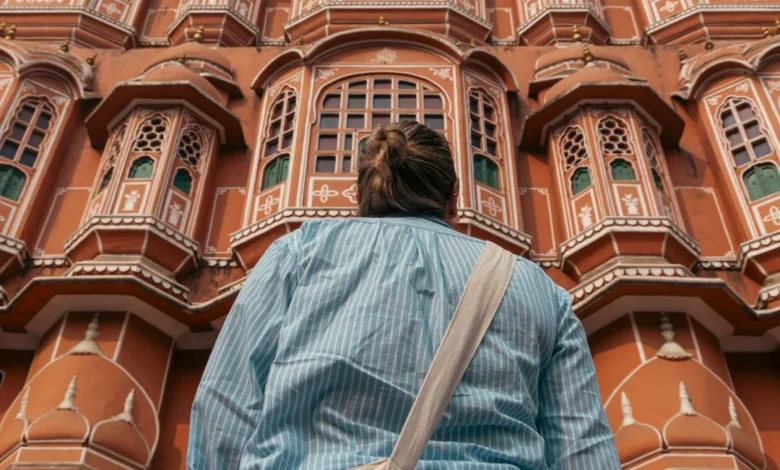
The rise of female-centric travel in South Asia is reshaping the traditional tourism narrative, shifting the focus from mere sightseeing to deep cultural immersion and safety-conscious exploration. Recent reports from travelers participating in specialized women’s expeditions highlight the critical role of local leadership in bridging the gap between foreign perceptions and the complex realities of modern India. By utilizing local experts who serve as cultural decoders, these organized tours aim to mitigate the "culture shock" often experienced by Western visitors while providing a platform for authentic engagement with Indian society.
The Evolution of Female-Centric Tourism in the Indian Subcontinent
In recent years, the global travel industry has seen a significant uptick in demand for women-only tours. According to industry data, the market for solo female travel and women’s group expeditions has grown by approximately 45% since 2018. In India, a country that has historically faced mixed international perceptions regarding safety for solo female travelers, these specialized itineraries offer a structured environment that prioritizes security without sacrificing the spontaneity of exploration.
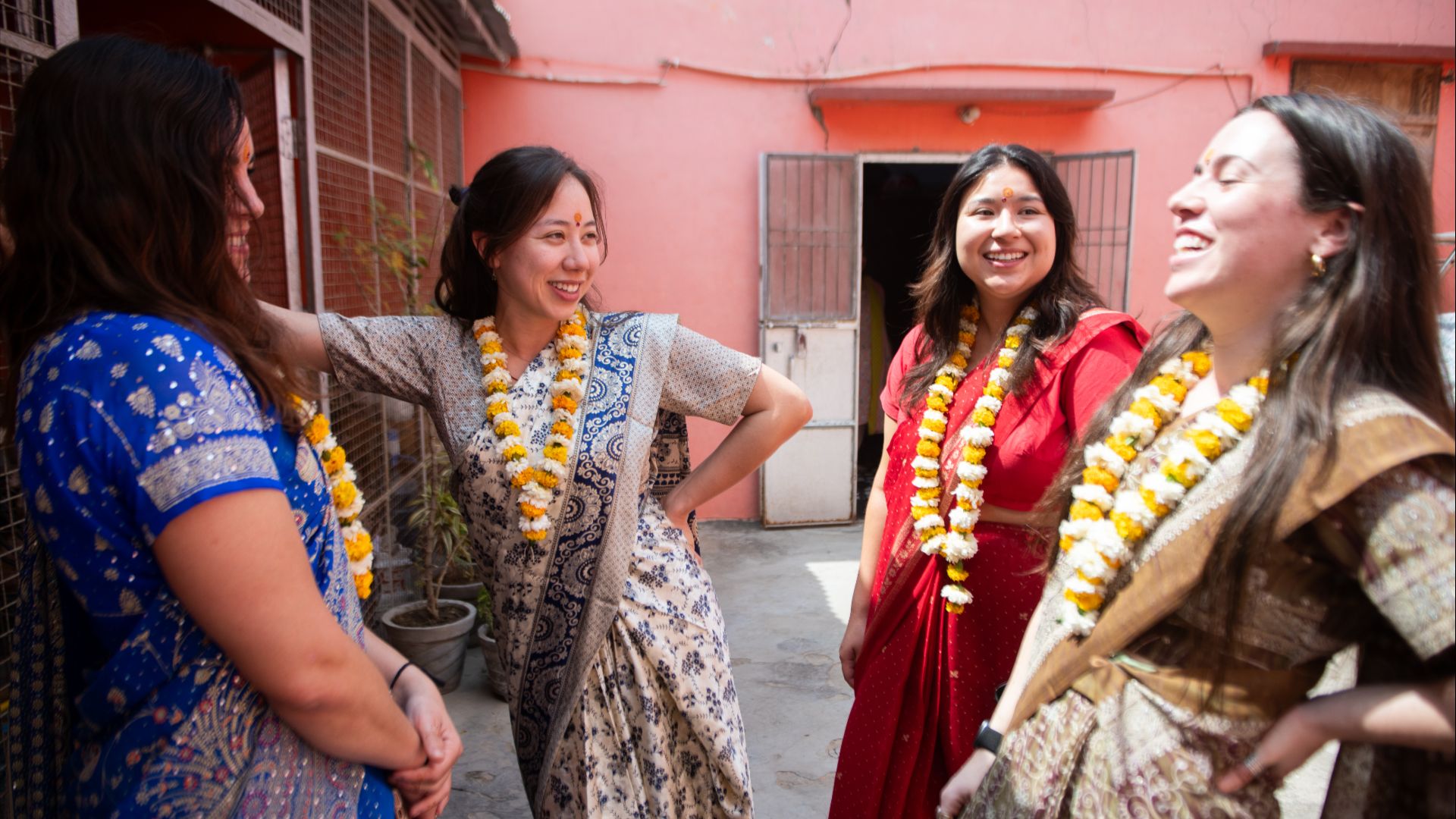
The "Women’s Expedition" model, popularized by global tour operators like Intrepid Travel, is designed to provide access to spaces and experiences that might be restricted or less accessible in mixed-gender groups. These include private home visits, meetings with female entrepreneurs, and discussions on the evolving role of women in Indian society. For many travelers, such as those visiting the northern state of Rajasthan, the experience begins in Delhi—a megalopolis of nearly 34 million people—where the initial encounter with India’s urban density often serves as the first point of cultural friction.
Chronology of a Rajasthan Expedition: From Urban Intensity to Desert Serenity
The typical progression of a high-immersion tour in Rajasthan follows a strategic timeline designed to build the traveler’s confidence. For Liz, a traveler from Seattle, the journey began with a late-night arrival in Delhi during the lead-up to Diwali, the Hindu festival of lights. This timing is significant; Diwali is one of India’s most important festivals, characterized by intense social activity, increased traffic, and widespread celebrations that can overwhelm the uninitiated.
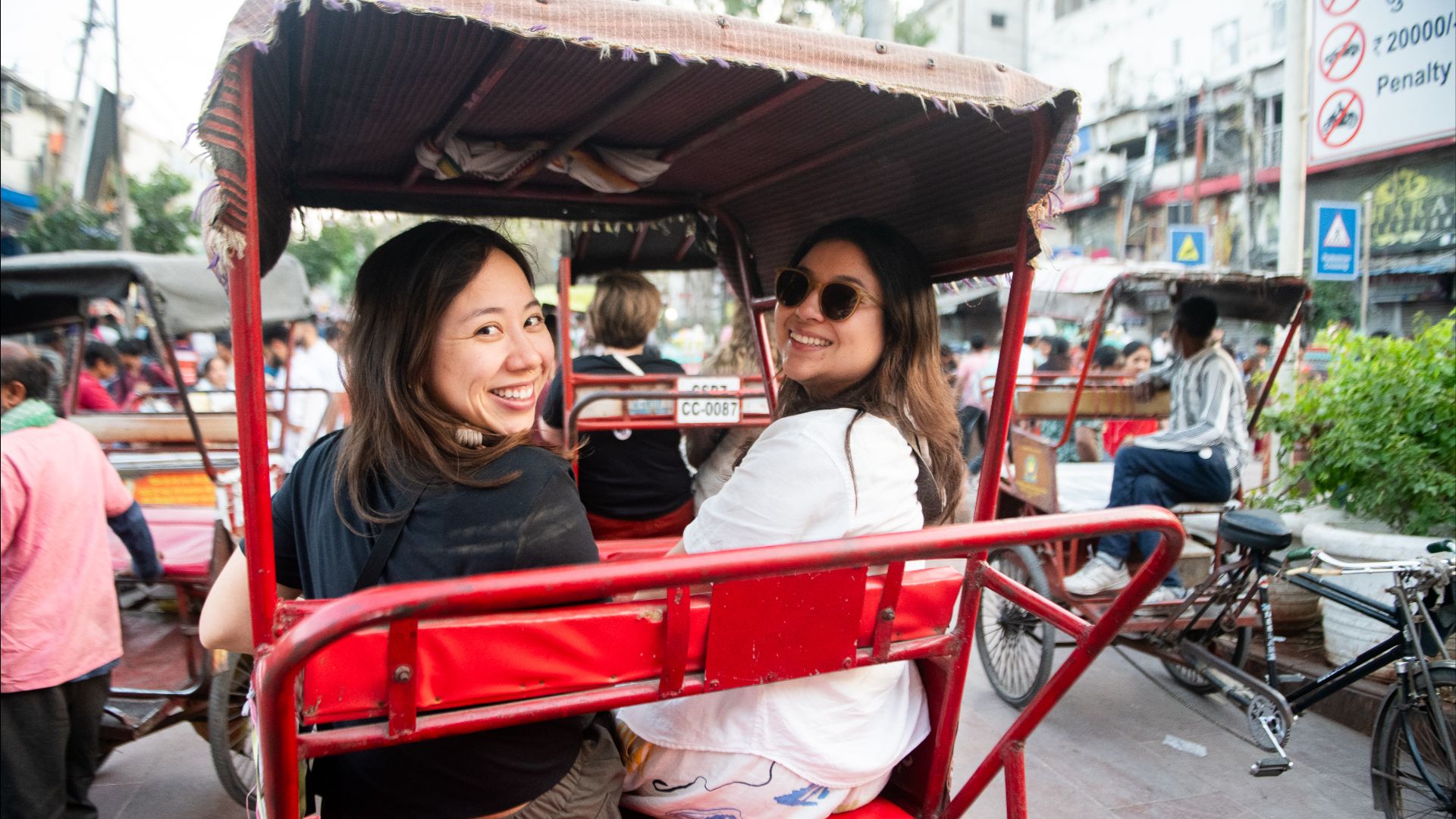
- Initial Orientation (Delhi): The first 48 hours are generally dedicated to "sensory acclimation." Travelers are introduced to the rhythmic chaos of Indian traffic and the logistics of navigating public spaces. Local leaders act as "crossing guards" and "translators," facilitating the transition from feeling unprepared to understanding the underlying order within the apparent erraticism of the city.
- Cultural Immersion (Jaipur and Jodhpur): Moving into Rajasthan, the "Land of Kings," the itinerary shifts toward historical and social analysis. In Jaipur, travelers engage with female-led initiatives, such as the city’s women rickshaw drivers, providing an economic perspective on female empowerment in the region.
- The Rural Transition (Thar Desert): The mid-point of the expedition often involves a move away from urban centers. Experiences such as camping under the stars in the Thar Desert or staying at heritage properties in the countryside allow for a slower pace of cultural absorption.
- The Monumental Conclusion (Agra): The tour typically concludes with a visit to the Taj Mahal. By this stage, travelers report a significant increase in their "cultural literacy," moving from being passive observers to active participants who can negotiate markets and navigate public transport with minimal assistance.
The Role of the Local Leader as a Cultural Decoder
The success of these expeditions is largely attributed to the "local leader" model. These guides, such as Parul, a veteran leader in the Rajasthan circuit, perform functions that extend far beyond traditional tour guiding. They serve as unofficial therapists, food-safety experts, and Hindu deity encyclopedias.

According to Parul, the primary objective of a local leader is to shift international perspectives. "Helping shift people’s perception of my country is an honor," she stated, noting that many travelers arrive with anxieties projected by international media. The leader’s role is to provide real-time context, explaining everything from the significance of Ganesha paintings on village doors (signifying recent weddings and new beginnings) to the various types of forehead adornments (bindis and kumkum) that signal spiritual or marital status.
Addressing Safety Concerns and Media Projections
Safety remains a primary concern for North American and European travelers visiting India. Journalistic analysis of travel trends suggests a "perception gap" between the risks reported in international media and the experiences of women on the ground. While India does have genuine safety concerns, the presence of a local leader provides a buffer, teaching travelers how to handle persistent street vendors and how to distinguish between genuine curiosity and boundary-crossing.
A common phenomenon reported by foreign women in India is the "curiosity of crowds," which often manifests in requests for selfies or open staring. In major tourist hubs like the Taj Mahal, foreign visitors may feel like "A-list celebrities," which can be overwhelming. Local leaders provide the necessary social scripts to handle these situations politely but firmly, reinforcing the idea that being a guest does not require the suspension of personal boundaries.
Culinary Traditions as a Mirror of Regional History
Enriching the travel experience through gastronomy is a core component of the Women’s Expedition. Travelers often arrive with a limited understanding of "Indian food," usually based on North Indian staples like tikka masala. However, the expedition highlights the stark regional differences shaped by climate, trade routes, and history.
- North Indian Cuisine (Rajasthan and Delhi): Influenced by Mughal history, this region focuses on tandoor-cooked meats, dairy-rich gravies using cream and ghee, and wheat-based breads like naan and parathas. Desserts like kulfi (traditional ice cream) reflect the milk-heavy agricultural profile of the north.
- South Indian Contrasts: Leaders often introduce travelers to South Indian breakfasts (dosas and idlis) early in the trip to illustrate the country’s diversity. These dishes, based on fermented rice and lentils, highlight the humid, coconut-rich coastal influences of the south.
Beyond the ingredients, travelers are coached in dining etiquette, such as the communal nature of Indian meals and the cultural practice of eating with the right hand. This "table-side education" serves as a practical lesson in social harmony and local custom.
Economic and Social Implications of Specialized Tours
The impact of these expeditions extends to the local economy. By specifically seeking out women-owned businesses and female-led initiatives, these tours provide direct financial support to women in Rajasthan. In Jaipur, the "Pink Rickshaw" initiative allows women from low-income backgrounds to gain financial independence. Similarly, visits to women’s collectives for cooking demonstrations or sari-draping sessions ensure that the tourism dollar reaches the domestic sphere.
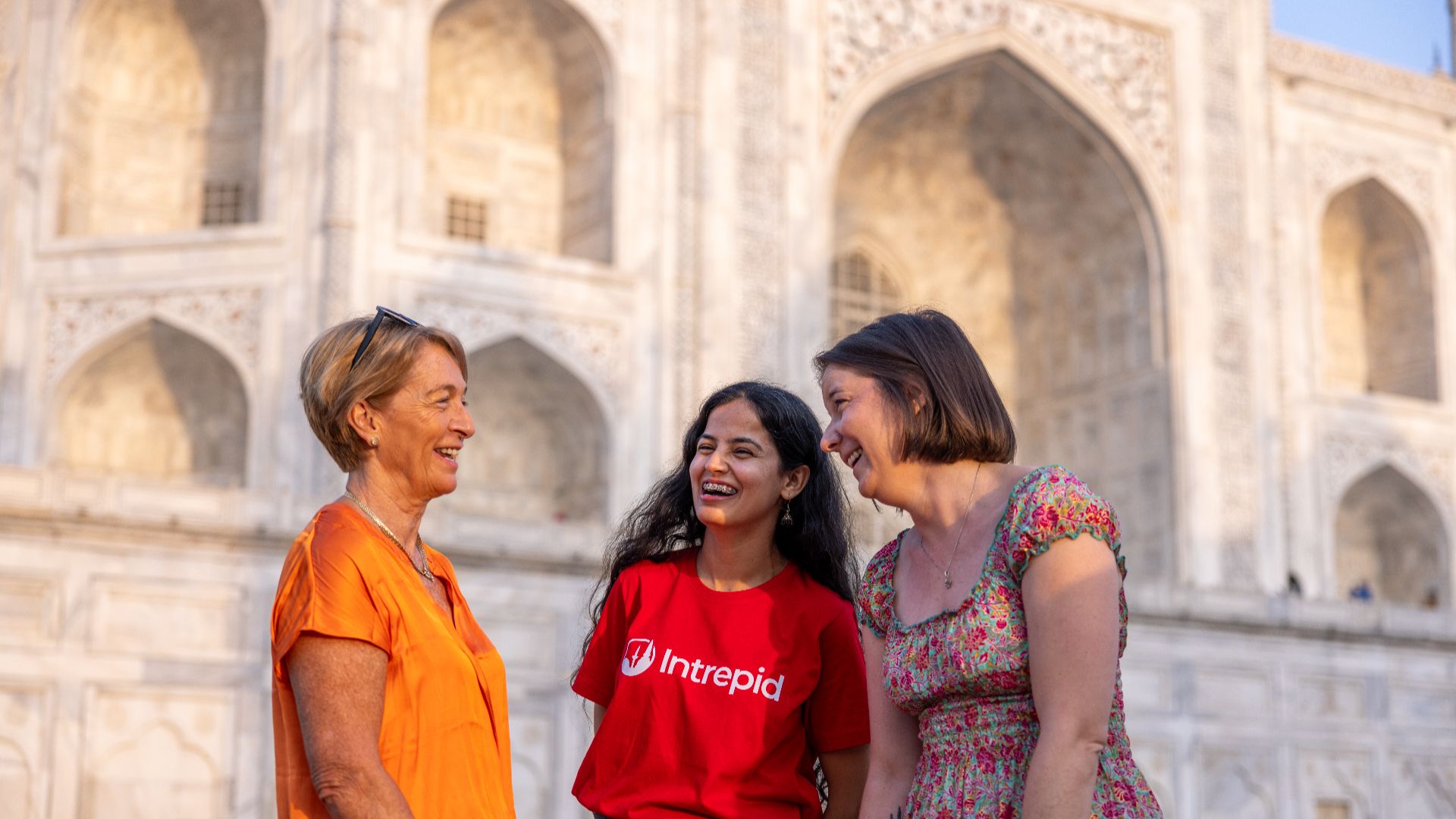
Furthermore, the "Women’s Expedition" model fosters a unique social dynamic among the travelers themselves. Participants, often ranging in age from their 20s to their 70s, report that the shared experience of being pushed outside their comfort zones creates rapid bonds. The group setting provides a "safety in numbers" effect that allows individuals to take more risks—such as trying street food or bargaining in markets—than they would if traveling alone.
Broader Impact and Future Outlook
The trend toward high-immersion, female-led travel in India suggests a shift in the global tourism industry toward "educational" rather than "extractive" travel. Travelers are increasingly looking for experiences that offer a "highlights reel" alongside an "authentic reality." The success of Liz’s journey through Rajasthan—moving from the "wildly unprepared" state of a newcomer to a confident navigator of train stations and bustling markets—serves as a case study for the effectiveness of this model.
As India continues to urbanize and its population grows, the logistical challenges for tourists will likely increase. However, the infrastructure of guided, specialized expeditions provides a sustainable way for international visitors to engage with the country. By focusing on cultural literacy, local expertise, and female empowerment, these tours not only enrich the lives of the travelers but also contribute to a more nuanced and respectful global understanding of Indian society.

In conclusion, the modern traveler’s journey through India is no longer just about the destination; it is defined by the quality of the guidance and the depth of the cultural exchange. Through the lens of a Women’s Expedition, the "erratic traffic" and "midday heat" are transformed from obstacles into the vibrant, living backdrop of a profound educational experience.