Beyond Good Intentions: A Critical Examination of International Volunteering Ethics in Indonesia

The multi-billion-dollar global volunteer tourism industry, commonly known as voluntourism, has long marketed itself as a mutually beneficial bridge between the privileged West and developing communities worldwide. Annually, hundreds of thousands of travelers pay agencies and digital platforms like Worldpackers or Workaway for the opportunity to immerse themselves in local cultures while purportedly giving back through teaching, construction, or community development. However, a closer examination of these placements reveals complex power dynamics, questions of efficacy, and a persistent risk of reinforcing the very inequalities volunteers hope to alleviate. These systemic issues were brought into sharp focus during a recent month-long volunteer placement in Selong, located on the island of East Lombok, Indonesia.
Background and Context of Voluntourism in Southeast Asia
To understand the modern voluntourism landscape, one must examine its rapid expansion over the last two decades. Platforms connecting travelers with local hosts have decentralized aid, allowing individuals to bypass traditional, highly regulated non-governmental organizations (NGOs). While this democratization of travel has increased cultural exchange, it has simultaneously introduced unprecedented challenges regarding accountability, labor standards, and community impact.
Indonesia, a premier destination for cultural and adventure tourism, frequently hosts international volunteers in grassroots educational initiatives. In Selong, local educators often operate free extracurricular programs with minimal resources, relying heavily on foreign assistance to maintain class sizes and offer conversational practice to students ranging from young children to young adults.
Yet, the influx of transient foreign labor carries inherent friction. Unlike professional aid workers or trained educators, voluntourists often arrive with varying degrees of preparation, short timeframes, and limited understanding of local socioeconomic structures. This mismatch between community needs and volunteer readiness has prompted sociologists and ethicists to question the true net value of short-term international placements.
Chronology of the Selong Placement: Expectations Versus Reality
The month-long placement in Selong began with standard integration into a community-based extracurricular English program. Established by a local educator, the initiative targeted students aged six to 21, offering free language instruction to bridge educational gaps in the region.
The initial phase of the assignment prioritized cultural adaptation. Living alongside a local host family required immediate adjustments to domestic routines, dietary practices, and modes of transit, such as traveling by scooter. Communication relied heavily on non-verbal cues, smiles, and rudimentary vocabulary in both Indonesian and English.
As days progressed, the daily reality of the classroom revealed deeper structural dynamics. The enthusiastic reception from local students—who frequently used the term bule, a colloquial Indonesian descriptor for foreigners—highlighted the stark visibility of Westerners in rural communities. This visibility underscored a persistent socioeconomic divide. Incidents during the placement brought this imbalance to the forefront: a host inquiring about domestic servants, and a local driver casually categorizing volunteers by currency denominations such as "dollar" and "euro," served as stark reminders of how international travelers are perceived through the lens of global wealth disparities.
Data and Industry Analysis: The Economics of Good Intentions
Industry estimates suggest that the global voluntourism market generates upwards of $2 billion annually, involving millions of participants. Despite these massive economic flows, critics argue that the financial benefits rarely accrue to the communities hosting the volunteers. Instead, a significant portion of booking and placement fees is retained by international intermediary platforms, leaving local hosts to absorb the daily costs of housing and feeding travelers.
Furthermore, economic analyses of short-term educational volunteering indicate limited measurable improvements in student performance. Educational experts note that transient teachers, while providing novelty and cultural exposure, can disrupt learning continuity. When volunteers rotate out every few weeks, students are forced to continually adapt to new teaching styles, accents, and personalities.
Navigating the White Savior Complex and Resource Allocation
A central challenge for volunteers operating in developing regions is mitigating the psychological trap of the "white savior" complex—the assumption that external actors hold superior knowledge or solutions for systemic local challenges.
In Selong, interactions with students regarding their future aspirations exposed these underlying biases. When students expressed ambitions centered around localized professions, such as teaching or small-scale commerce, an unexamined reaction might mistake limited exposure for a lack of ambition. Sociological research demonstrates that career aspirations are directly tied to environmental visibility and available resources. Recognizing this allowed the placement to pivot from imposing external definitions of success to supporting the established curriculum of local educators.
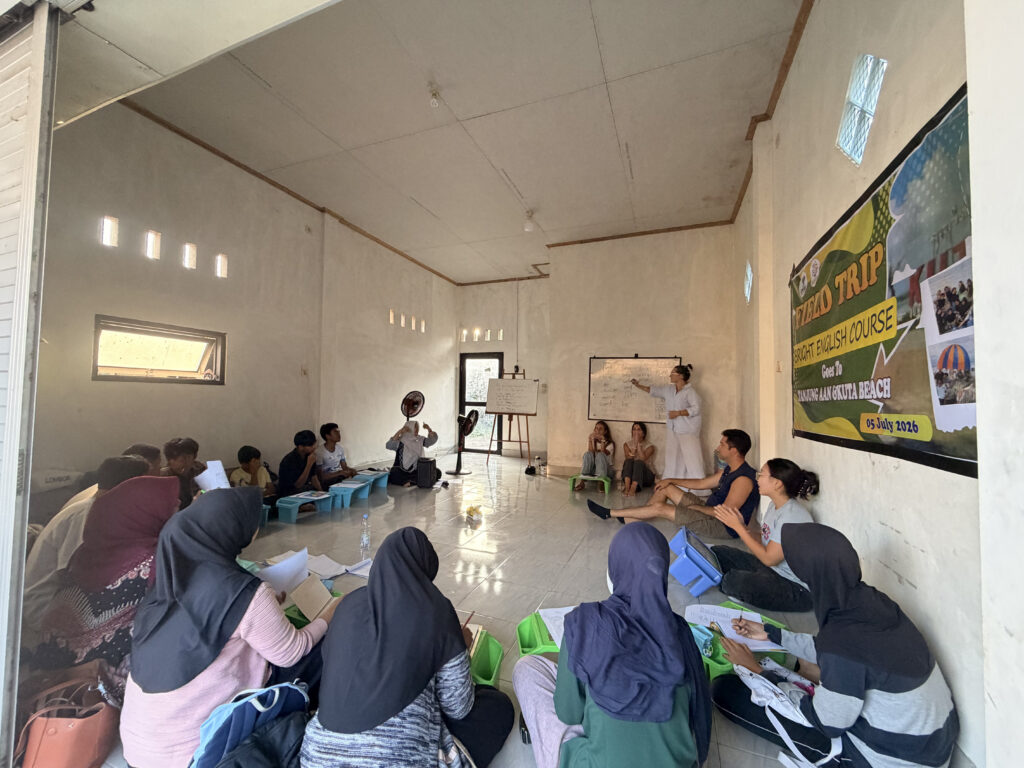
Resource distribution similarly requires careful consultation to avoid counterproductive interventions. Rather than donating items based on assumptions, direct dialogue with the program director identified a specific, functional need: a digital projector. By funding a locally requested asset rather than an arbitrary foreign idea, the intervention aligned with internal long-term goals. Subsequent strategic discussions focused on operational sustainability, volunteer management, and program expansion, leveraging professional social work skills to enhance institutional capacity rather than performing superficial tasks.
The Problem of Volunteer Reliability and Accountability
One of the most friction-laden aspects of grassroots volunteering is the divergence in expectations regarding reliability. While host communities treat programs as vital educational services for their youth, some travelers view their volunteer obligations as secondary to leisure activities.
Reports from host organizations across Southeast Asia frequently cite issues with volunteers prioritizing day trips, arriving exhausted, or missing shifts entirely without notice. In Selong, the impact of unreliability was keenly felt by the children who arrived at the center expecting structured engagement, only to be met with absences.
Host families and program coordinators emphasize that basic professionalism—punctuality, preparation, and adherence to schedules—supersedes grand ambitions of societal transformation. When volunteer commitments become optional, they place an administrative and emotional burden on local hosts who must manage disappointed participants.
Safeguarding, Consent, and Ethical Image Sharing
A critical analysis of contemporary voluntourism reveals significant vulnerabilities in safeguarding standards, particularly regarding child protection and digital consent.
Unlike domestic educational settings in countries like Australia, the United Kingdom, or the United States, which mandate rigorous police checks, working with children abroad often lacks formalized vetting processes. Volunteers may gain immediate access to vulnerable youth with minimal institutional oversight.
Compounding this issue is the prevalence of digital documentation. Volunteers frequently capture and distribute images of local children on social media platforms to signal virtue or document personal journeys, often without obtaining informed consent from parents or guardians. Industry watchdogs argue that international platforms must enforce stricter safeguarding guidelines, mandate background checks, and establish clear policies regarding photography to preserve the dignity and privacy of host communities.
Toward Sustainable and Ethical Volunteering Models
The synthesis of experiences in Selong suggests that international volunteering is neither an unmitigated good nor an inherently exploitative enterprise. Its value is determined by the framework within which it operates.
At its best, structured volunteering fosters genuine cross-cultural understanding, transfers tangible skills, and bolsters locally driven initiatives. At its worst, it centers the personal fulfillment of the traveler, drains local resources, and reinforces neocolonial power imbalances.
To determine the viability of a placement, experts recommend that prospective volunteers evaluate programs against several key criteria:
- Was the role created in direct response to a need identified by the local community, or was it manufactured to attract paying travelers?
- Do the host organization and intermediary platform enforce robust safeguarding and child protection protocols?
- Does the volunteer possess the specific skills required, and are they prepared to meet local expectations of reliability?
- Are photography and social media policies established to protect the privacy and dignity of local residents?
Conclusion: Lasting Impressions and Persistent Questions
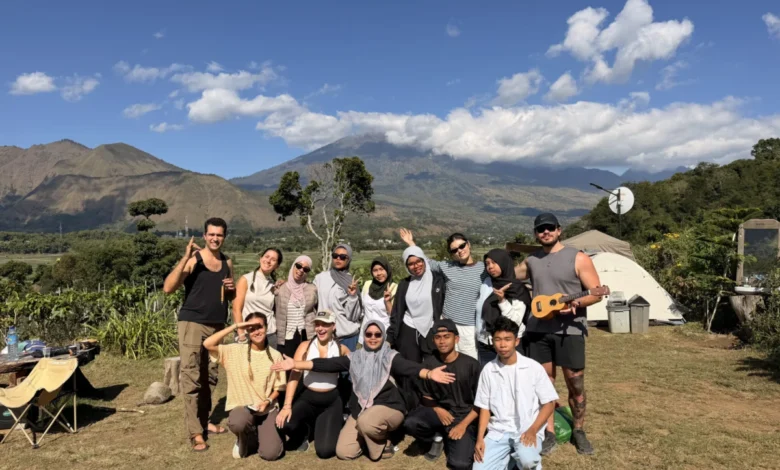
As the placement in Selong concluded with a farewell gathering beneath Mount Rinjani, the emotional resonance of the experience underscored the complexity of human connection across geographic divides. Exchanges of handmade gifts, letters of appreciation, and communal celebrations demonstrated the depth of relationships forged during the month.
Yet, the emotional fulfillment of the departure does not erase the systemic questions raised by the journey. International volunteering remains a paradox: an endeavor driven by a desire for global solidarity that simultaneously operates within deeply unequal economic structures. Ultimately, the experience serves as a reminder that meaningful engagement requires humility, accountability, and a continuous willingness to interrogate the true motivations behind international travel.
Related posts: