Guardians of the Shoreline: How Galicia’s Mariscadoras Are Preserving an Ancient Seafood Tradition

The rugged western coast of Galicia in northern Spain is defined by its dramatic Atlantic tides, jagged rocky outcrops, and a rich maritime heritage that has sustained local communities for centuries. Among the most enduring symbols of this coastal culture are the mariscadoras—a resilient network of seasoned seafood fisherwomen who harvest clams, cockles, and other molluscs from the intertidal zones. Recently integrated into specialized immersive tourism itineraries, such as Intrepid Travel’s Northern Spain Real Food Adventure, this centuries-old practice is gaining international visibility. Far beyond a mere tourist attraction, the daily routine of the mariscadoras represents a complex intersection of environmental stewardship, gender economics, and cultural preservation along the Spanish shoreline.
Historical Evolution and the Road to Professionalization
Shellfish gathering along the Galician coast has historically been women’s work. For generations, this labor was driven by economic necessity rather than formal enterprise. While local men engaged in deep-sea fishing, women remained close to the shore, harvesting marine life from the sand to provide household sustenance and a modest secondary income. This division of labor allowed women to manage domestic responsibilities, such as childcare and household maintenance, while contributing critically to family survival.
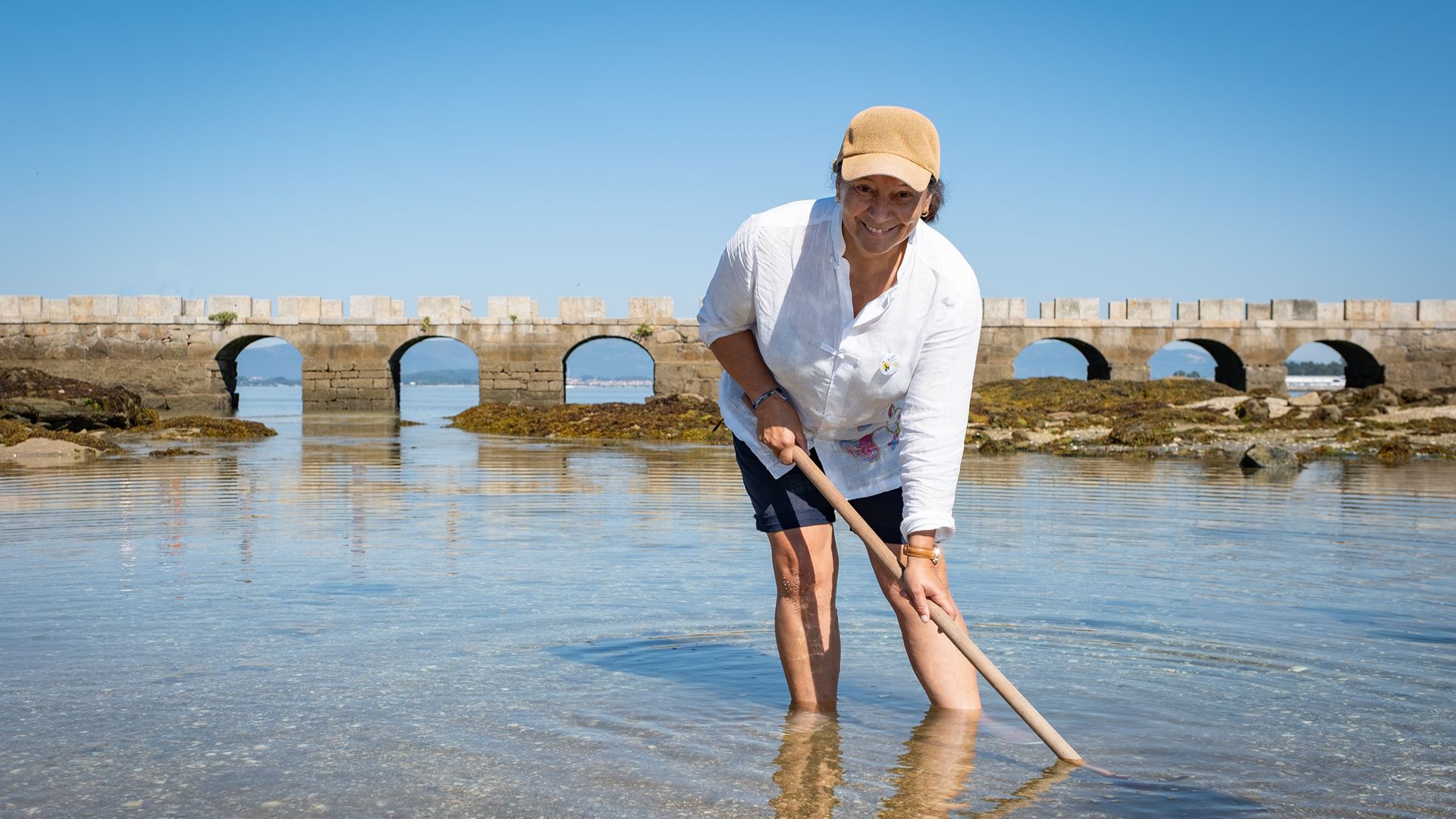
For decades, the profession existed in a legal and social vacuum. In earlier eras, the work was arduous and poorly compensated. Veteran harvesters, such as 60-year-old Cambados native Charo Oliveira-Dominguez, recall stories of previous generations—including mothers who began working at age seven—facing social marginalization and even criminal penalties due to unregulated harvesting conflicts and local tensions over resource limits. Prior to 1995, mariscadora work was not officially recognized as a formal profession.
A major turning point occurred in 1996 when the regional government of Galicia intervened to regulate and professionalize the sector. Under the modern regulatory framework, individuals must obtain a five-year cultivation license issued by regional authorities. These licenses require formal training in intertidal zone management, shifting the perception of the harvesters from informal gatherers to trained environmental stewards. Today, approximately 200 licensed women operate in Cambados alone—a substantial increase from the estimated 50 participants active during the mid-20th century, reflecting the improved economic viability and stability of the role.
Operational Mechanics and Environmental Stewardship
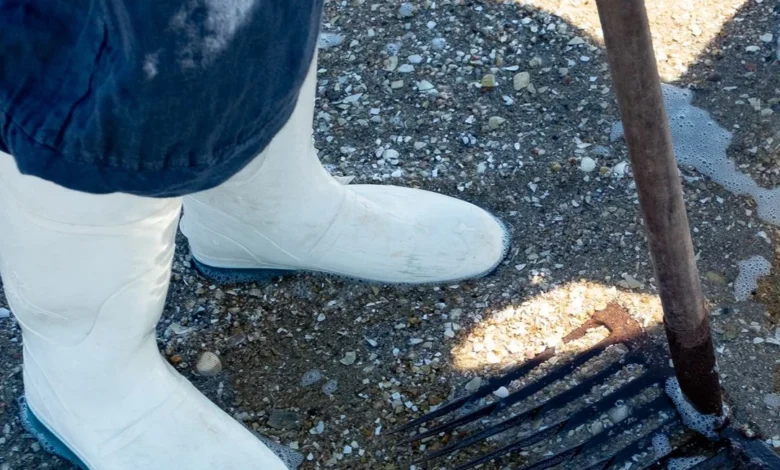
The daily operations of the mariscadoras are strictly dictated by natural cycles, including the lunar phases, tidal movements, and the commercial operating hours of the local lonja (fish market). Typically working shifts of approximately five hours a day for 15 days a month, the harvesters utilize specialized equipment such as sharp-pronged rakes and sorting baskets to extract molluscs—primarily cockles, grooved-carpet shells, and Japonica clams—from the wet sand during ebb tides.

Sustainability is a cornerstone of contemporary harvesting protocols. To ensure long-term population health and ecological balance, strict size limits are enforced. For instance, harvested clams must measure at least four centimeters in length, ensuring that the creatures have reached maturity and had the opportunity to reproduce at least once before capture.
Furthermore, the operational structure emphasizes cooperative labor. Harvesters frequently work in coordinated teams, pooling their efforts to support members facing physical strain or lower yields on a given day. This communal approach has been reinforced by institutional organization; mariscadoras in Cambados are integrated into Guimatur, an organization established in 2004 with partial European Union funding to promote marine tourism and coastal conservation.
Technological Integration and Modern Market Economics
The commercialization of the harvest has undergone significant modernization in recent years. Once the shellfish are collected, the sales process is fully digitized. Each mariscadora utilizes a unique barcode attached to her collection tubs, which are transported directly to the municipal market. Harvesters can track their daily earnings and market performance in real-time via dedicated mobile applications, bringing transparency and predictability to their incomes.

Through the Consejo Gallego de Pesca—a regional government board comprising 32 legally constituted mariscadora groups across Galicia—working conditions and baseline standards have steadily improved. While the market price of shellfish remains subject to standard supply and demand fluctuations at the daily auction, the formalization of the sector guarantees standardized protections, fair wages, and recognition of labor rights.
Economic Diversification and Culinary Tourism
In recent years, coastal communities in Galicia have successfully diversified their economic models by combining traditional harvesting with educational tourism. Initiatives like those featured on the Northern Spain Real Food Adventure allow travelers to shadow the mariscadoras, observe sustainable gathering techniques firsthand, and learn about the intricate coastal ecosystem.
The economic supplement provided by these visitor programs, combined with EU-backed marine tourism initiatives, has transformed mariscadora work into an attractive and sustainable career path for younger generations. Following the shoreline excursions, visitors frequently trace the supply chain to local artisan processing facilities, such as the award-winning Real Espanola Conserva canning factory in Cambados. Here, expert female canners package a wide array of seafood—ranging from sardines in olive oil to specialty clams—maintaining a vibrant tradition of manual food preparation that eschews heavy industrial automation.

Broader Socioeconomic Implications
The elevation of the mariscadoras from informal laborers to recognized cultural and environmental ambassadors highlights a broader shift in sustainable tourism and rural economics. By embedding community-led traditions into structured travel itineraries, regional stakeholders ensure that economic benefits flow directly to local practitioners while safeguarding intangible cultural heritage.
Nutritionally and ecologically, the harvest remains a vital regional asset. Rich in essential minerals such as iron and vitamin B12, Galician shellfish are celebrated both locally and internationally, often paired with regional wines like Albariño. Ultimately, the sustained success of the mariscadoras demonstrates that traditional ecological knowledge, when supported by modern regulatory frameworks and responsible tourism, can successfully adapt to the pressures of the modern economy while protecting the marine environment for future generations.
Related posts: