Where to Stay Near America’s Best National Parks for Wildlife and Outdoor Adventure

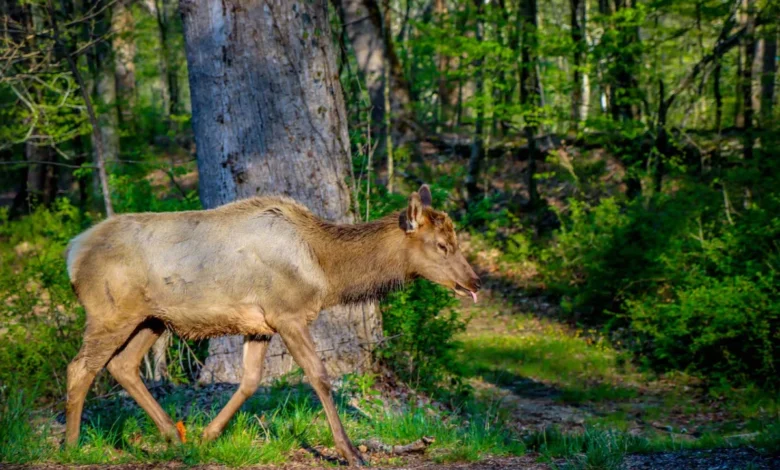
The United States National Park System encompasses more than 85 million acres of protected public lands, drawing hundreds of millions of recreational visitors annually. From the jagged, snow-dusted summits of the Rocky Mountains to the subtropical wetlands of the Florida Everglades, these vast ecosystems provide critical habitats for thousands of native species while serving as the primary destination for domestic and international outdoor tourism. However, the logistical challenge of navigating these sprawling preserves has made strategic lodging selection a paramount concern for modern travelers. Industry data from tourism boards and hospitality analysts consistently indicate that the proximity of a traveler’s basecamp—whether a resort hotel, a bed-and-breakfast, or a vacation rental—directly influences crowd management, vehicular emissions, and the overall quality of wildlife observation.

Strategic positioning near primary park gateways allows visitors to bypass peak morning congestion, access delicate trailheads during prime nocturnal and crepuscular wildlife activity windows, and minimize the environmental degradation associated with lengthy daily commutes. Understanding these spatial dynamics is vital for anyone planning an expedition into America’s premier wilderness areas.
The Strategic Value of Gateway Communities
Historically, national park tourism was defined by centralized lodging located deep within park boundaries, largely managed by federal concessionaires. Over the last several decades, however, gateway communities—towns and municipalities situated immediately outside federal park borders—have evolved into the preferred logistical hubs for modern eco-tourists and outdoor adventurers. These communities offer a sophisticated infrastructure of lodging, dining, and outfitting services while keeping visitors within striking distance of park entrances.

Data compiled by outdoor recreation economists demonstrates that staying in gateway towns significantly reduces fossil fuel consumption during a trip, as vehicular transit time inside park corridors drops exponentially. Furthermore, utilizing these localized hubs ensures that tourism revenue directly supports regional economies, bolstering small businesses, local conservation initiatives, and municipal services that often bear the brunt of heavy seasonal visitation.
To maximize both ecological stewardship and experiential value, travelers must evaluate the geographical nuances of each park before locking in accommodations. Below is an exhaustive logistical guide to lodging strategies near five of the nation’s most ecologically diverse national parks.

1. Rocky Mountain National Park (Colorado): Alpine Elevations and Valley Corridors
Encompassing over 265,000 acres of high-altitude wilderness along the Continental Divide, Rocky Mountain National Park features ecosystems ranging from montane forests to fragile alpine tundra above 11,000 feet. The park is a premier destination for observing large ungulates, including substantial populations of elk, bighorn sheep, moose, and mule deer. Wildlife viewing is particularly pronounced during the autumn elk rutting season and the warm summer months, when animals migrate to lower-lying meadows such as Moraine Park and Horseshoe Park during early morning and late afternoon hours.
Lodging Options: The Eastern vs. Western Gateways
- Estes Park (Eastern Gateway): Positioned at the main eastern portal of the park, Estes Park serves as the bustling commercial and cultural hub for visitors. Choosing a cabin, lodge, or vacation rental in or near Estes Park provides immediate, direct access to the iconic Trail Ridge Road—the highest continuous paved road in the United States—as well as the heavily visited Bear Lake Corridor. Beyond its geographical advantages, Estes Park boasts a robust infrastructure featuring diverse dining establishments, specialized outdoor gear outfitters, and cultural venues.
- Grand Lake (Western Gateway): For travelers seeking a more tranquil, remote atmosphere, Grand Lake on the park’s western edge offers a distinct alpine lakeside experience. Situated on the shores of Colorado’s largest natural lake, Grand Lake provides immediate proximity to the rich moose habitats along the upper Colorado River corridor. The town’s historic wooden boardwalk, local art galleries, and waterfront dining options offer a quieter counterpoint to the energetic pace of the eastern side, all while maintaining seamless entry into the park’s less-congested western sectors.
2. Yellowstone National Park (Wyoming and Montana): The Serengeti of North America
Established in 1872 as the world’s first national park, Yellowstone spans more than 2.2 million acres primarily across Wyoming, extending into Montana and Idaho. Renowned globally for holding half of the world’s hydrothermal features—including geysers, hot springs, and mudpots—Yellowstone is equally celebrated for its megafauna. The park’s northern range, particularly the sweeping Lamar Valley, is frequently cited by wildlife biologists as the premier location in the contiguous United States to observe free-roaming bison herds, grizzly bears, gray wolves, pronghorn, and bald eagles in their natural ecological contexts.

Lodging Options: Gardiner and West Yellowstone
- Gardiner, Montana (North Entrance): Located directly at the historic Roosevelt Arch entrance, Gardiner places visitors on the doorstep of the northern range. Because this region of the park remains open to wheeled vehicle traffic year-round and hosts the highest concentration of year-round wildlife, Gardiner is an ideal basecamp for wildlife photographers and early-morning researchers. The town features a dense collection of locally owned motels, steakhouses, and outfitting services tailored to serious backcountry explorers.
- West Yellowstone, Montana (West Entrance): Situated near the park’s western border, West Yellowstone serves as the primary portal to the Lower and Upper Geyser Basins, including the world-famous Old Faithful geyser. Characterized by frontier-style architecture, rustic saloons, and comprehensive visitor amenities, West Yellowstone accommodates high volumes of tourists while offering rapid access to the western geothermal loop.
3. Olympic National Park (Washington): A Trifecta of Ecosystems
Occupying the vast majority of Washington State’s Olympic Peninsula, Olympic National Park is celebrated for its rare ecological diversity, encompassing three distinct biomes: glacier-capped mountains, temperate rainforests, and a rugged, wild Pacific coastline. This geographic complexity allows visitors to observe endemic species such as Roosevelt elk grazing in the mist-shrouded Hoh Rain Forest, sea otters foraging in coastal tide pools along Ruby Beach, and black bears navigating subalpine meadows. Because the park lacks a central road traversing its interior, traversing its varied terrain requires a strategic hub-and-spoke lodging approach.
Lodging Options: Port Angeles and the Western Peninsula
- Port Angeles (Northern Gateway): Serving as the economic hub of the northern peninsula, Port Angeles offers comfortable seaside lodging, fresh regional seafood, and immediate access to Hurricane Ridge and Lake Crescent. Visitors basing themselves here can easily make day trips into the subalpine zones while enjoying the urban conveniences of a coastal port city.
- Forks and La Push (Western Gateway): For those prioritizing deep immersion in the moss-draped temperate rainforests and dramatic Pacific beaches, accommodations near Forks or the coastal community of La Push provide a moody, remote wilderness experience. These western outposts offer rustic lodges and cabins that keep travelers close to coastal trailheads and remote wildlife corridors.
4. Everglades National Park (Florida): Subtropical Wilderness and Avian Havens
Offering a stark ecological contrast to the alpine and temperate parks of the American West, Everglades National Park protects the largest subtropical wilderness in the United States. Spanning 1.5 million acres of slow-moving freshwater marsh and coastal mangroves, the park is an internationally recognized Ramsar Wetland of International Importance and a UNESCO World Heritage Site. It serves as a vital sanctuary for critically endangered and threatened species, including the Florida panther, the West Indian manatee, and the American crocodile, while acting as a world-renowned waypoint for migratory wading birds such as the roseate spoonbill, wood stork, and various egret species.

Lodging Options: The Southern and Western Gateways
- Homestead and Florida City (Eastern/Southern Gateways): Located south of Miami, these agricultural communities provide the most direct access to the park’s Ernest F. Coe Visitor Center, the Royal Palm interpretive trails, and the main park road leading to Flamingo. These towns offer abundant budget-friendly motels, farm-to-table dining, and agricultural markets, making them practical provisioning stops before entering the marshlands.
- Everglades City (Western Gateway): Positioned on the edge of the Ten Thousand Islands on the Gulf Coast, Everglades City caters to visitors interested in marine ecosystems, kayaking through mangrove tunnels, and guided eco-tours. The community maintains a quiet, historic maritime character with local seafood markets and direct access to coastal waterways.
5. Acadia National Park (Maine): Coastal Granitic Peaks and Maritime Forests
Nestled primarily on Mount Desert Island along the rugged Atlantic coast of Maine, Acadia National Park fuses granitic headlands, U-shaped glacial valleys, and dense maritime forests. As one of the most visited national parks in the country by land area, Acadia offers outdoor adventurers the opportunity to scale Cadillac Mountain—noted for offering some of the earliest sunrise views in the United States during specific winter months—and navigate an extensive network of historic crushed-stone carriage roads constructed by philanthropist John D. Rockefeller Jr. Offshore marine excursions frequently reveal harbor seals, peregrine falcons, bald eagles, and migrating humpback whales.
Lodging Options: Bar Harbor and the Quiet Side
- Bar Harbor (Primary Gateway): As Acadia’s central commercial hub, Bar Harbor features a highly walkable downtown district lined with historic grand hotels, bed-and-breakfasts, and renowned Maine lobster pounds. To mitigate traffic congestion and reduce carbon emissions within the park, visitors staying in Bar Harbor are strongly encouraged to utilize the National Park Service’s free, propane-powered Island Explorer shuttle bus system, which connects the downtown core directly to major trailheads and ocean viewpoints.
- Southwest Harbor and Tremont (The Quiet Side): For travelers seeking refuge from the peak summer tourist crowds, the western side of Mount Desert Island—known locally as the "Quiet Side"—offers a peaceful alternative. Communities like Southwest Harbor provide authentic maritime atmospheres, local boat-building heritage, artisan galleries, and serene harbor views while remaining within a short drive of lesser-used park boundaries.
Sustainable Travel Protocols and Ecological Preservation
As recreational visitation numbers continue to strain public lands, wildlife biologists and park administrators emphasize adherence to strict sustainable travel protocols. Mitigating human impact is essential to preserving the structural integrity of fragile ecosystems and preventing dangerous wildlife habituation.

Core Ethical Guidelines for Park Visitors:
- Maintain Strict Spatial Boundaries: Federal regulations mandate maintaining a safe distance from all wildlife—at least 25 yards for most mammals and a minimum of 100 yards for apex predators such as grizzly bears and wolves. Visitors must utilize telephoto camera lenses or high-powered binoculars rather than attempting close-range interactions, which stress animals and can result in fatal defensive encounters.
- Consult Daily Conditions and Alerts: Microclimates within national parks can shift rapidly. Travelers should consult official daily advisories published by the National Park Service regarding fire danger, trail closures, and seasonal wildlife warnings before embarking on any backcountry excursion.
- Adhere to Leave No Trace Principles: Straying from established hiking trails accelerates soil erosion and obliterates delicate native flora that local fauna rely upon for seasonal foraging and shelter. Packing out all refuse, including biodegradable organic waste, is strictly enforced.
- Minimize Single-Use Plastics: Plastic pollution poses a direct threat to aquatic and terrestrial wildlife. Utilizing reusable canteens and durable storage containers significantly reduces waste generation within park boundaries.
- Invest in Local Economies: Directing financial resources toward locally owned accommodations, independent dining establishments, and certified regional guides ensures that tourism acts as a regenerative force for gateway communities.
By combining meticulous logistical planning with a firm commitment to ecological stewardship, travelers can experience the profound natural heritage of America’s national parks while ensuring these irreplaceable public landscapes remain pristine for future generations.