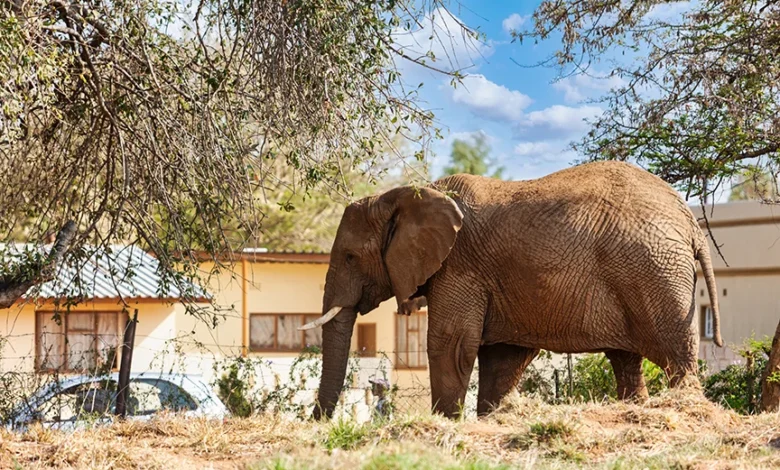
The recent surge in human-wildlife conflict incidents over the past seven days highlights the intensifying struggle for space between expanding human populations and displaced fauna across several continents. While headlines often focus on rare tourist mishaps, the reality of these encounters is far more somber, primarily affecting rural inhabitants, farmers, and subsistence workers living in close proximity to protected wilderness areas. From the rice paddies of India to the coastal waters of South Africa and the residential backyards of Washington State, the following incidents illustrate a growing pattern of volatility in human-animal coexistence.
Escalating Tensions in India: Tigers and Elephants
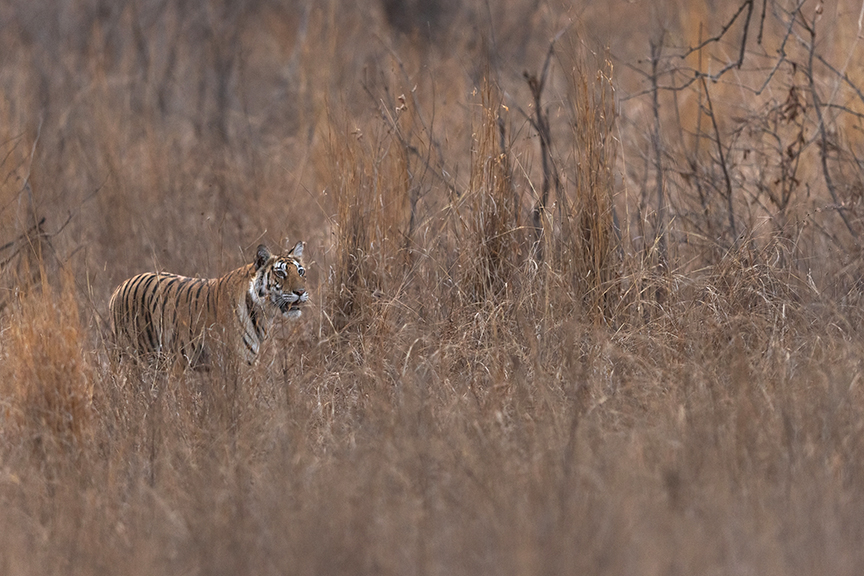
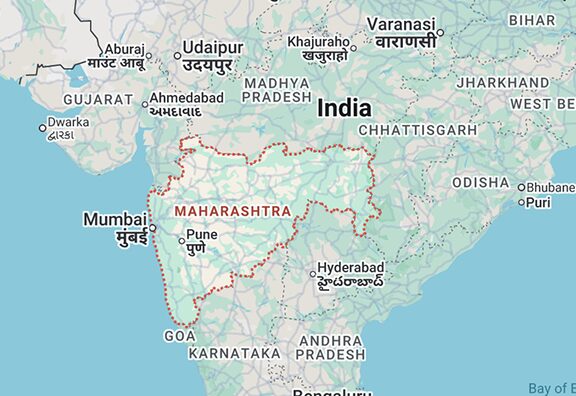
In the eastern corner of Maharashtra, India, the Sindewahi range has become the epicenter of a harrowing 24-hour period of human-wildlife tragedy. On Saturday evening, 60-year-old farmer Nana Kambadi was killed by a tiger while tending to his crops. The following evening, the same region was struck again when 40-year-old Premila Mahadole, who was harvesting rice, was fatally attacked.
Local authorities are currently investigating whether a single tiger is responsible for both deaths, a scenario that has sent shockwaves through the local farming community. These incidents are not isolated; they represent a grim milestone in the region, with the death toll from human-wildlife conflict in this specific area of Maharashtra reaching 35 individuals for the 2026 calendar year. As the agricultural cycle reaches its peak, the overlapping of human activity and tiger territory at forest fringes has made these encounters increasingly frequent. Experts suggest that habitat fragmentation and the depletion of natural prey species are forcing apex predators to venture closer to human settlements, significantly increasing the probability of negative interactions.
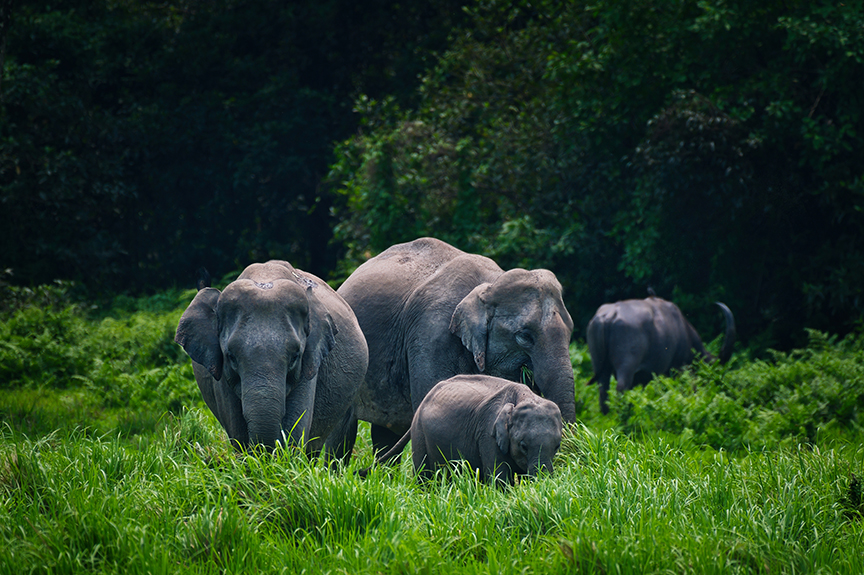
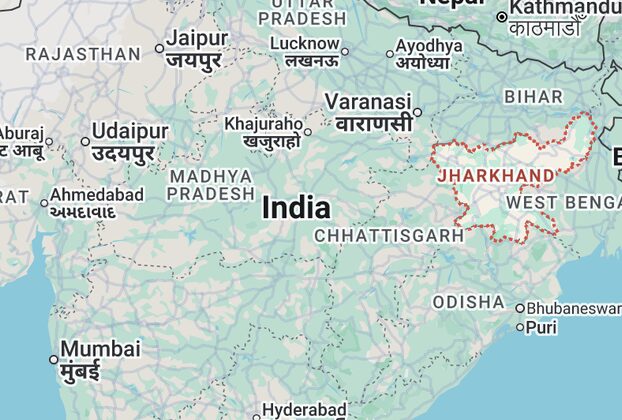
Further east, in the state of Jharkhand, the issue of pachyderm displacement has led to further loss of life. Nicholas Topno, 40, was killed after attempting to deter a herd of 23 elephants from encroaching on village land. According to forest officials, the herd—which included five vulnerable calves—had been actively damaging local crops. Despite a 24-hour monitoring operation by forest rangers and explicit warnings for villagers to maintain a safe distance, the encounter turned fatal when the bull elephant seized Mr. Topno with its trunk, dragged him nearly 500 meters, and trampled him. This event underscores the immense difficulty of managing elephant corridors, which often bisect human-occupied agricultural land, and highlights the desperation of farmers whose livelihoods are often decimated by these massive animals.
The Northern Perspective: Bear Encounters in Japan
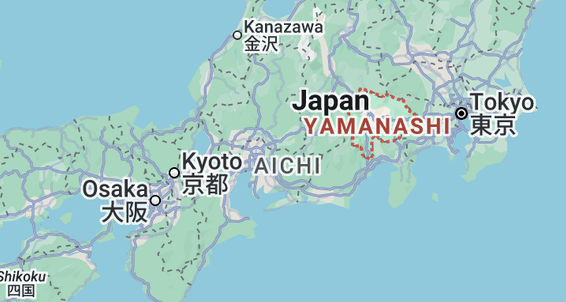
In Japan, the threat posed by bears has transitioned from remote mountain concerns to a domestic reality. A 93-year-old woman in the Yamanashi Prefecture was attacked in her own yard earlier this week. The incident resulted in significant facial injuries and a broken leg, though the victim miraculously survived and was able to communicate with medical staff upon arrival at the hospital.
The frequency of such attacks has prompted a regional state of alert. Local governance in Yamanashi has moved beyond standard safety warnings, with the introduction of hunting association patrols and the implementation of transport protocols for students, who are now being bused or driven to school to avoid potential encounters. Wildlife biologists in the region note that a combination of a poor natural nut harvest and the aging demographic of rural Japan—which leaves elderly residents more vulnerable—has created a "perfect storm" for human-bear conflict. The situation is being viewed as a critical public safety issue that requires a shift in both land-use management and emergency response preparedness.
Aquatic Threats in South Africa
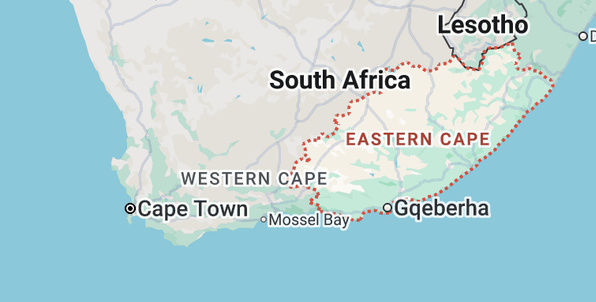
The coastline of South Africa, famous for its shark biodiversity, experienced a tragic incident this week off the Eastern Cape. A 65-year-old woman, part of an established open-water swimming group, was killed in an unprovoked shark attack. Despite the rapid response of fellow swimmers who managed to pull her from the water and the presence of a medic within the group, the injuries sustained were fatal.
While South Africa remains a global hotspot for shark activity, historical data from the Florida Museum of Natural History’s International Shark Attack File suggests that fatalities remain statistically rare. Between 2012 and 2021, the nation recorded 29 unprovoked bites, with only six proving fatal. However, local authorities have opted to close the affected beaches indefinitely, prioritizing public safety over recreational access. Marine experts emphasize that while the risk is low, the presence of apex predators in areas where human activity persists requires strict adherence to safety protocols and the monitoring of water conditions.
African Wildlife Conflicts: Kenya and Uganda
Kenya continues to grapple with the complexities of human-elephant coexistence. Two men lost their lives in separate, tragic incidents this week. In one instance, a herder identified as Abubakar Aden Dube Bute was attacked while grazing his calves, suffering fatal head and chest trauma. In a separate, unrelated event, 72-year-old Abdikher Sheikh Ibrahim was killed while returning from a water source. These incidents highlight the precarious nature of daily life for those in regions where water scarcity forces both humans and elephants to converge at the same points.

In neighboring Uganda, the Agago district is dealing with the repercussions of severe, prolonged drought. A group of six Cape buffaloes, driven out of a nearby national park in search of water and grazing land, gored 36-year-old Richard Olwoch to death. According to local officials, this marks the sixth death caused by wandering wildlife in the district over the past twelve months. The buffaloes remain in the vicinity of the villages, creating an ongoing state of fear for the local population. The situation serves as a stark example of how climate-induced environmental stressors, such as drought, force wildlife into human-dominated landscapes, effectively collapsing the boundaries that historically kept these species separated.
Domestic Peril: A Washington State Incident
In the United States, a resident of Washington State was attacked by a black bear while walking her dog in her own backyard. The victim was struck from behind, with the bear continuing to pursue and attack her while she was on the ground. The victim managed to retreat into her home and alert the authorities.
The Washington Department of Fish and Wildlife (WDFW) has confirmed that the attack was entirely unprovoked and is currently conducting a search for the animal, which is suspected to be a sow with cubs. This incident serves as a poignant reminder that even in developed suburban environments, human-wildlife boundaries remain permeable. WDFW officials are emphasizing the importance of securing garbage and pet food to avoid attracting opportunistic predators.
Analysis and Broader Implications
The cumulative impact of these events points to a global crisis in wildlife management. As human development continues to expand into peripheral wilderness zones, the frequency of these encounters is mathematically destined to increase. The underlying causes—ranging from climate change and resource scarcity to habitat loss and population growth—are systemic issues that require long-term policy interventions.
For the victims and their families, these events represent profound personal losses. For policy-makers, they present a complex challenge: how to protect the economic interests and physical safety of human populations while maintaining the integrity of local ecosystems and the conservation of species that are, in many cases, already struggling for survival. The reliance on reactionary measures—such as closing beaches or increasing patrols—is a temporary stopgap. Sustainable solutions will likely require a combination of improved rural infrastructure, the development of early-warning systems for villages, and a renewed commitment to habitat restoration that allows wildlife to remain within protected corridors, thereby reducing the necessity for them to seek resources within human-populated zones.