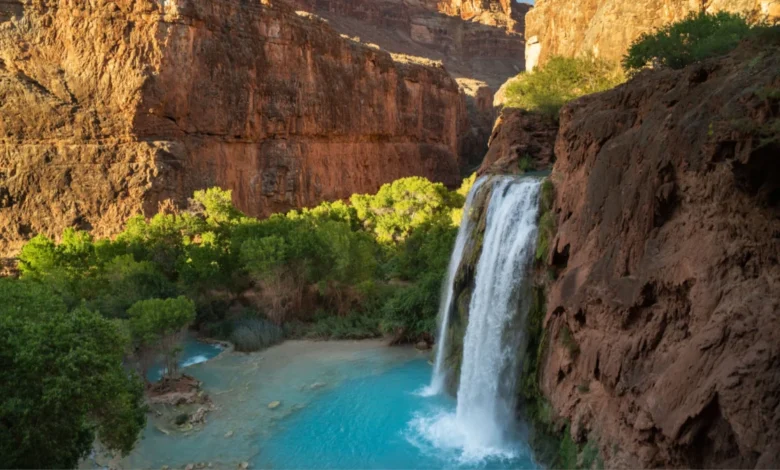
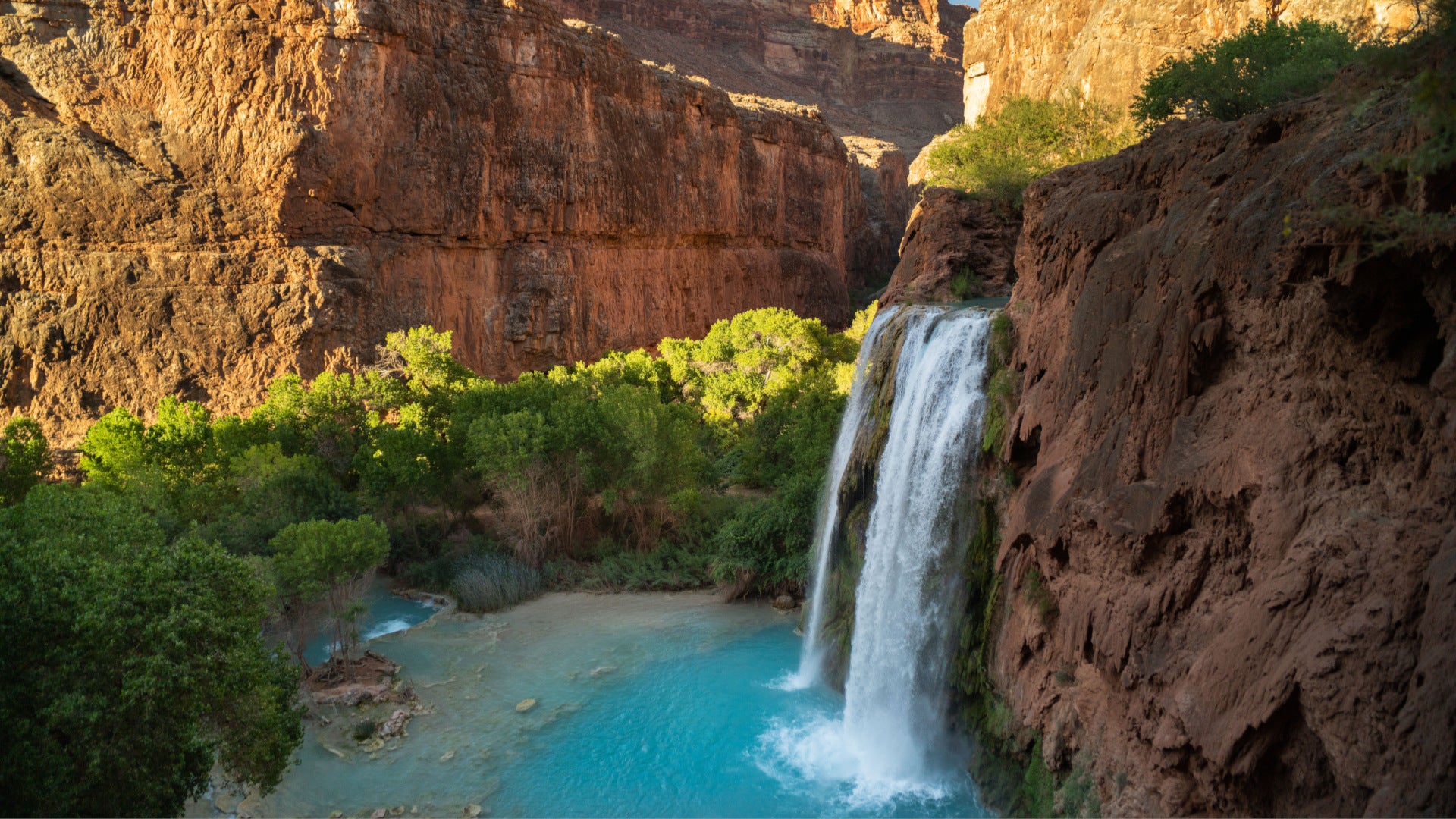
The surreal, Gatorade-blue waterfalls of Havasu Canyon, framed by striking red sandstone cliffs, have long been a fixture of travel photography and outdoor bucket lists. In an era increasingly saturated with computer-generated imagery and heavily filtered social media posts, these vibrant desert landscapes often invite skepticism. Yet, visitors frequently report that the reality of Havasu Falls surpasses its digital reputation. While millions of travelers recognize the iconic imagery of the 90-foot Havasu Falls, the 200-foot Mooney Falls, and the sprawling pools of Beaver Falls, a journey deep into the Havasupai Indian Reservation reveals a much more complex, physically demanding, and expansive wilderness experience than what is typically captured through a camera lens.
For decades, the Havasupai Tribe’s ancestral homeland has served as a crown jewel of the American Southwest. Situated within a remote branch of the Grand Canyon, the canyon draws tens of thousands of applicants annually for a tightly regulated number of camping and lodge permits. While the destination is globally renowned for its aquatic aesthetics, recent accounts from hikers highlight that the true narrative of Havasu Canyon extends far beyond its famous swimming holes, encompassing grueling desert treks, unexpected ecological richness, and rugged backcountry logistics that challenge even seasoned backpackers.
Logistics, Reservation Protocols, and Planning Timelines
Gaining access to the Havasupai reservation requires careful adherence to tribal regulations, a system designed to protect the fragile desert ecosystem and respect the sovereignty of the Havasupai people, who have inhabited the canyon for centuries. Permits are managed exclusively through the official Havasupai reservation website. Annual permit sales traditionally commence on February 1 at 8:00 a.m. Arizona time, preceded by a late-January presale window for returning or registered users. Due to overwhelming global demand, these permits routinely sell out within minutes of release.
Tourism officials and park rangers consistently emphasize that prospective visitors must plan their excursions months in advance. While the canyon welcomes visitors from February through November, climatologists and local guides frequently recommend the shoulder seasons—specifically September through November—as optimal windows for exploration. During these months, oppressive summer temperatures begin to wane, though daytime highs can still pose significant health risks to unprepared hikers.
The Initial Descent: Hualapai Hilltop to the Campground
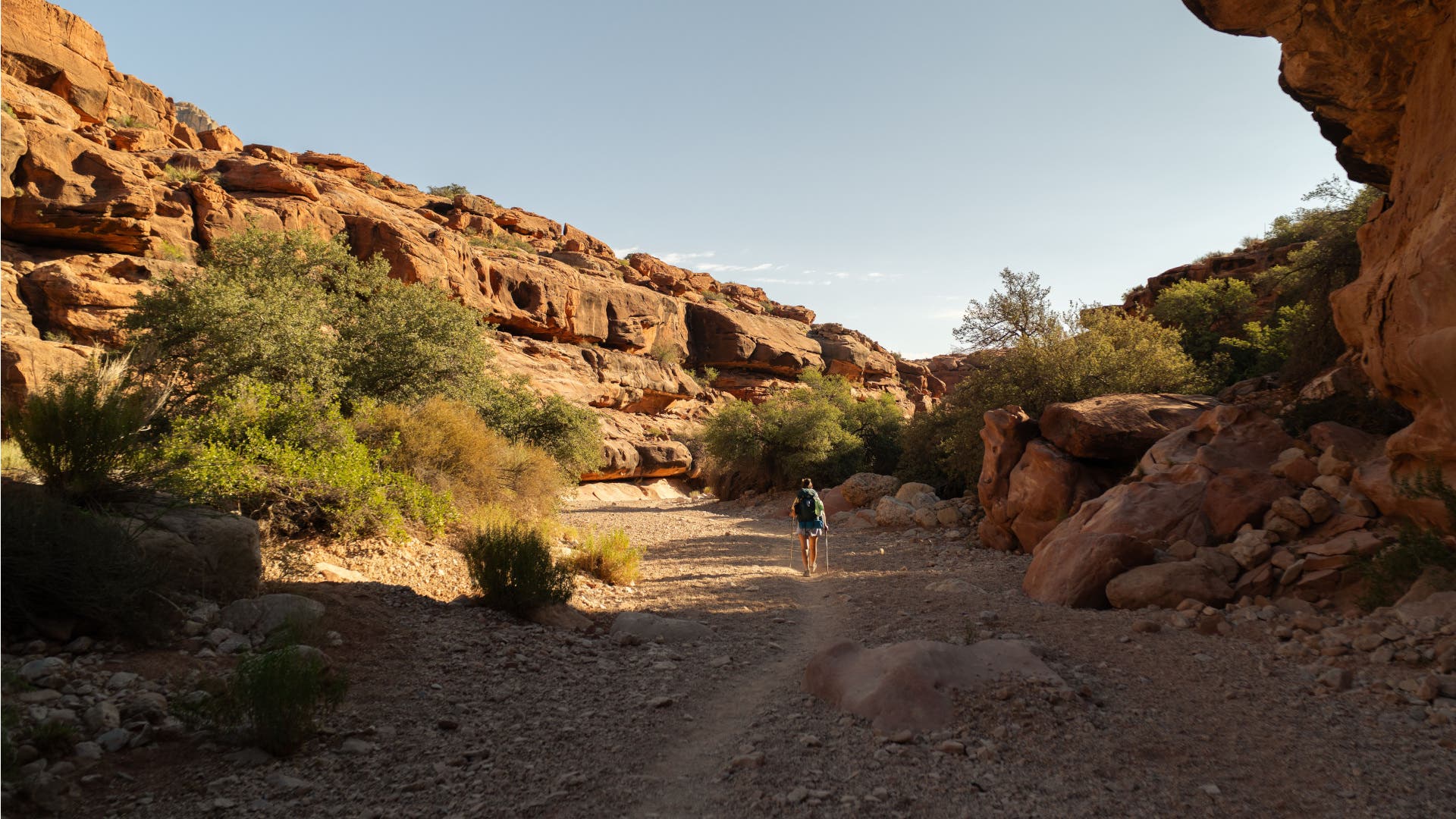
The journey to the heart of the reservation begins at Hualapai Hilltop, located at the end of Route 18. From this remote trailhead, visitors face a demanding descent into the canyon. Map distances typically measure the trek from the parking area to the Havasu Campground at approximately 10 miles, though individual GPS tracking often records closer to 11 miles, factoring in winding paths and camp selection. The route features an elevation drop of roughly 800 feet, navigating a rocky wash encased by towering red sandstone walls punctuated by sparse desert vegetation.
Despite its status as a premier tourist destination, the hike in is frequently underestimated by visitors accustomed to front-country attractions. While the trail is predominantly downhill on the way in, the return journey requires a grueling uphill climb out of the canyon. The physical toll of the 10-mile trek is underscored by the high demand for commercial mule pack services and the frequently long lines for emergency helicopter rides out of the canyon for hikers unable to complete the ascent.
Upon reaching the canyon floor, travelers arrive at the Havasupai Campground, which operates on a first-come, first-serve basis. Spanning several acres along the banks of Havasu Creek, the campground offers sites nestled among cottonwood trees and creek banks. Multi-day permit holders are afforded the flexibility to relocate their camps over the course of a standard four-day, three-night itinerary, allowing them to experience different microclimates within the shaded oasis.
Navigating the Famous Cascades: Havasu, Mooney, and Beaver Falls
The primary attractions within the immediate vicinity of the campground include three major waterfall complexes. Havasu Falls sits near the upper entrance of the campground, welcoming visitors with its wide, twin-spout cascade into a turquoise pool. Approximately a half-mile downstream lies Mooney Falls, where water plunges over a 200-foot vertical limestone cliff.
Accessing the base of Mooney Falls requires navigating a notoriously technical and steep descent. Hikers must negotiate vertical, mist-slicked wooden ladders and rely on drilled-in chains bolted directly into the weeping rock walls. This segment serves as a primary filter for casual tourists, separating those content with upper viewpoints from those seeking deeper backcountry exploration.
Beyond Mooney Falls lies Beaver Falls, located approximately three miles further downstream. The trail to Beaver Falls introduces significantly rougher terrain, characterized by boulder scrambles, dense brush, and multiple mandatory crossings of Havasu Creek. The physical challenge of these trails highlights the reality that navigating the canyon requires proper footwear, physical endurance, and a tolerance for exposure and heights.
The Extended Wilderness: Hiking to the Colorado River Confluence
For backpackers willing to venture beyond the established waterfall trail network, the route toward the Colorado River Confluence offers a profound shift in landscape and solitude. Officially mapped as a 12-mile out-and-out trek from the campsite, many hikers discover that actual distances can exceed 22 miles round-trip, accompanied by cumulative elevation changes of approximately 2,500 feet.
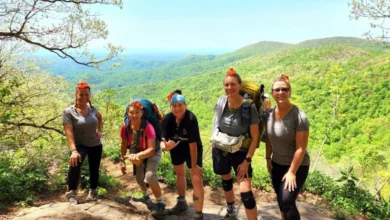
The trail past Beaver Falls grows progressively narrower and more remote. The crowds that congregate around Havasu and Mooney falls dissipate entirely, replaced by deep silence, towering canyon walls, and rugged terrain. Portions of the path require walking directly through the flowing waters of Havasu Creek, making specialized water footwear or quick-drying apparel essential.
Ecological Surprises within the Arid Landscape
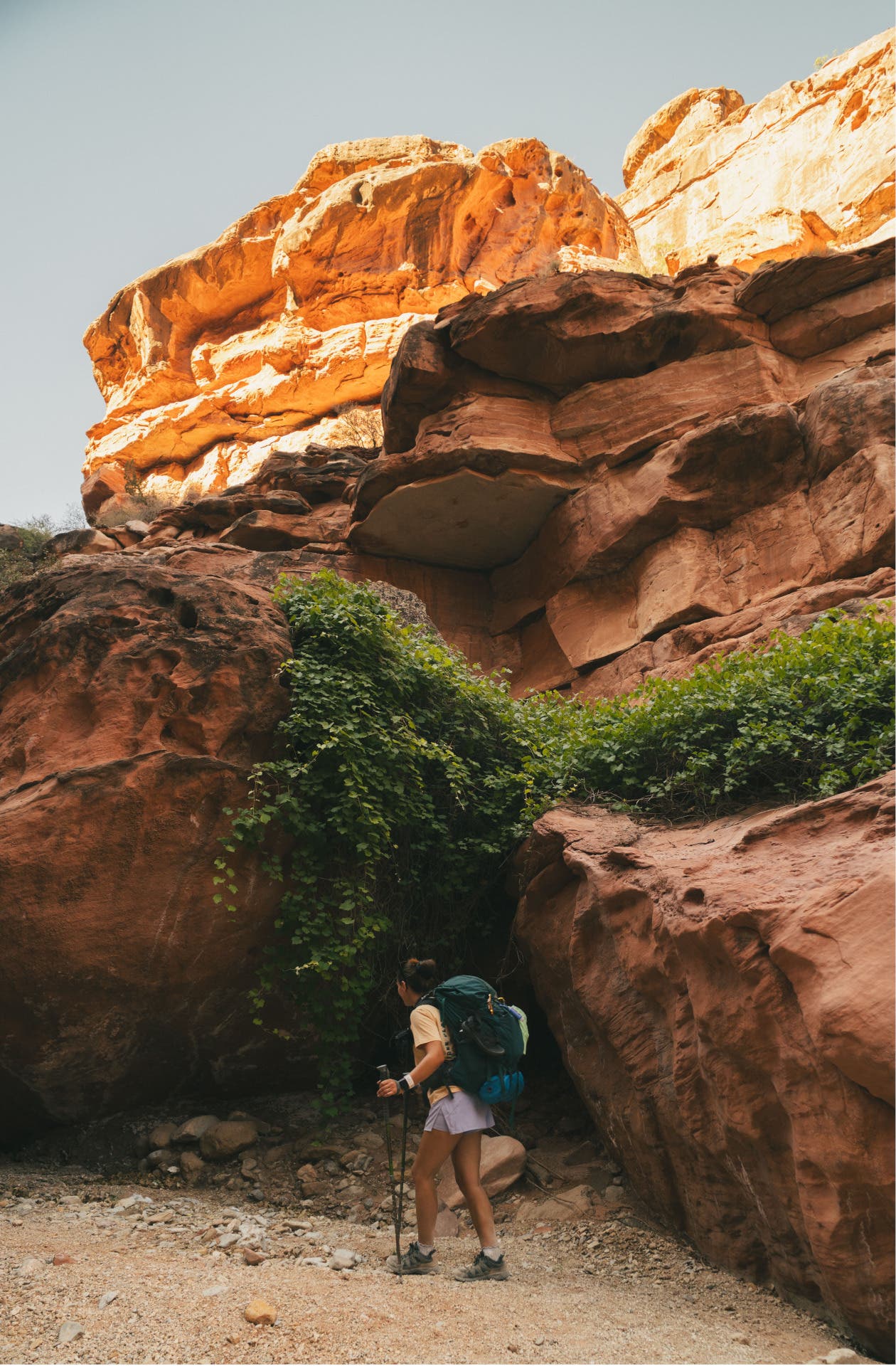
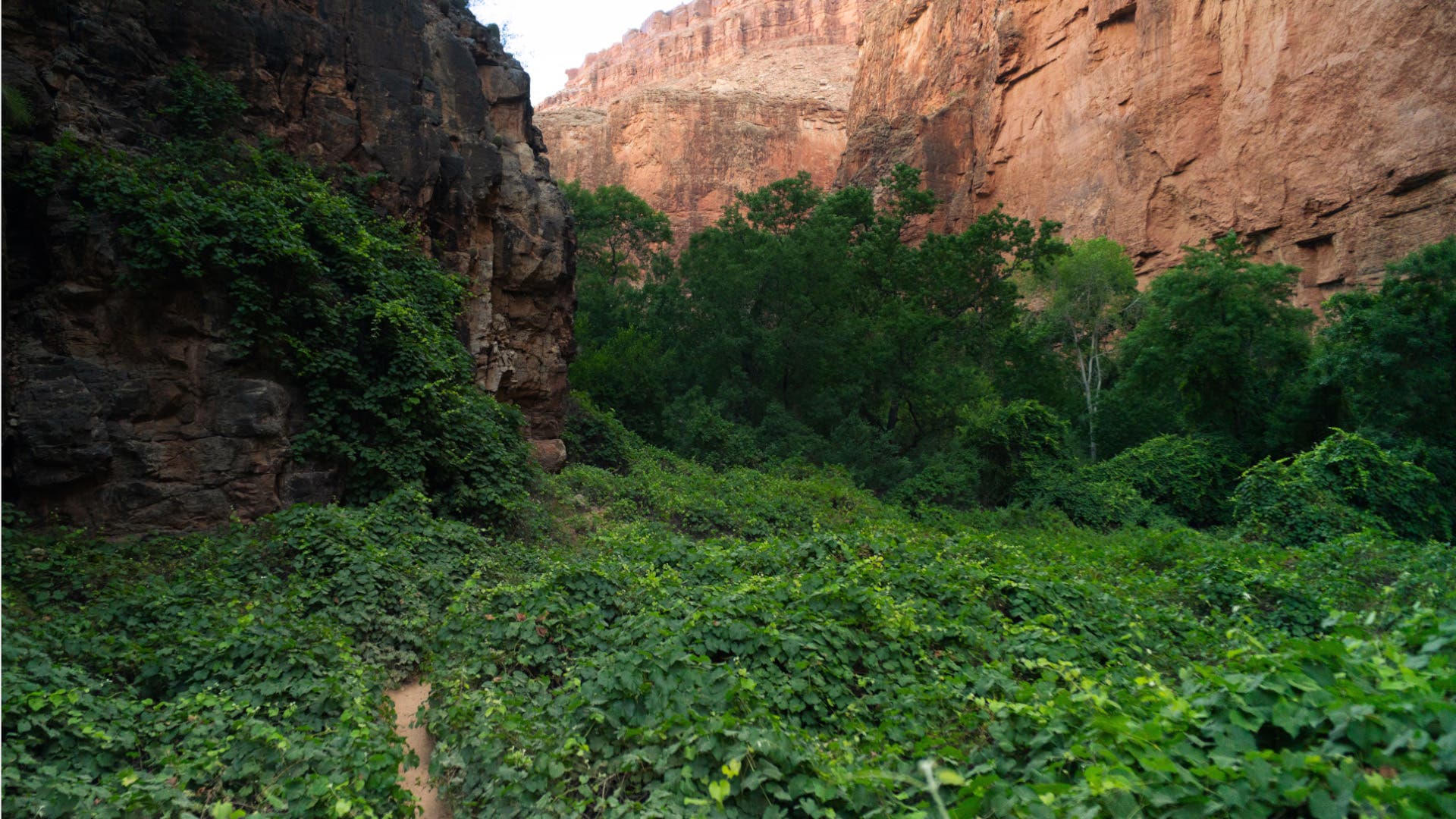
One of the most striking aspects of the extended Havasu Canyon trail is its botanical diversity. Far from being a monolithic desert landscape, the deeper sections of the canyon feature dense microclimates. Explorers frequently encounter lush corridors where thick vines, ferns, and emerald foliage blanket the red sandstone walls, creating an unexpected visual juxtaposition that resembles a cultivated vineyard thriving within the arid Grand Canyon environment.
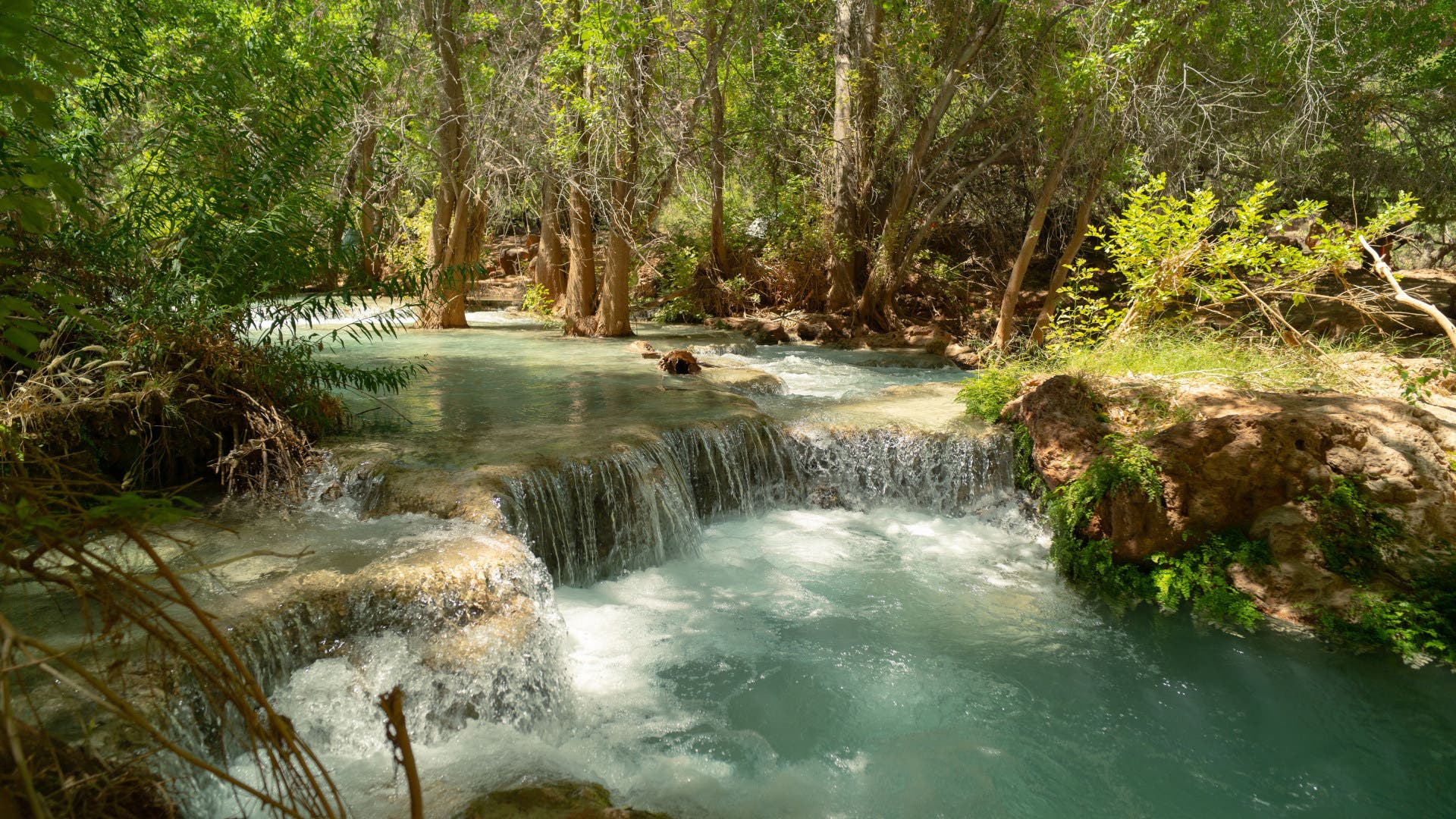
This ecological richness is sustained by the permanent flow of Havasu Creek, which is rich in calcium carbonate and magnesium. These minerals give the water its iconic turquoise hue while simultaneously precipitating travertine formations that continually reshape the riverbed, waterfalls, and surrounding flora.
Encounters at the Grand Canyon Floor
The terminus of the Havasu Canyon trail is the Confluence, the geographic point where the alkaline, turquoise waters of Havasu Creek empty into the silt-heavy, brown current of the main stem of the Colorado River. This meeting of distinct hydrological systems creates a visible color gradient that has drawn river runners and remote hikers for generations.
Visitors who complete the strenuous trek often find themselves sharing the space with commercial river rafting parties that moor their watercraft along the riverbanks. These chance encounters frequently bridge two distinct worlds of Grand Canyon recreation: self-supported desert backpackers and multi-day river expedition passengers. Accounts from the area often highlight the camaraderie found at the bottom of the canyon, where shared logistical challenges and mutual respect for the remote environment foster impromptu interactions among travelers.
Wildlife and Backcountry Safety Protocols
The remote nature of the Havasupai wilderness also brings travelers into close proximity with regional wildlife. Bighorn sheep populations are native to the steep cliffs of the Grand Canyon and frequently utilize established canyon trails for transit and foraging. Backpacker reports regularly note instances where herds of bighorn sheep temporarily block narrow trail corridors, requiring hikers to exercise patience and maintain safe distances until the animals move along.
Wilderness management authorities and tribal representatives continually stress the importance of adequate preparation for anyone attempting the extended canyon trails. Key safety protocols include:
- Carrying a minimum of 4 to 5 liters of water per person during warmer months.
- Monitoring weather forecasts for flash flood warnings, which pose severe risks in narrow slot canyons.
- Securing all food items properly to prevent habituation by local wildlife and rodents.
- Recognizing personal physical limits to avoid heat-related illnesses miles away from medical assistance.
Broader Economic and Environmental Implications
Tourism remains the economic lifeblood of the Havasupai Tribe, providing vital revenue to support community infrastructure, employment, and tribal governance. However, managing the delicate balance between sustainable tourism and environmental preservation remains an ongoing challenge. The influx of visitors seeking the aesthetic perfection of Havasu Falls places considerable wear on trails, waste management systems, and local water quality.
In response, tribal leadership has maintained strict reservation caps, implemented zero-tolerance policies for littering, and enforced guidelines designed to protect sacred cultural sites throughout the canyon. These measures ensure that while travelers continue to seek out the natural wonders of the reservation, the integrity of the ecosystem and the cultural heritage of the Havasupai people are preserved for future generations.
Ultimately, while the internet-famous waterfalls serve as the primary catalyst for travelers making the journey to Hualapai Hilltop, those who look beyond the postcard images discover a multifaceted wilderness. From challenging desert climbs and hidden green oases to unexpected wildlife encounters and the vast expanse of the Grand Canyon floor, the true scope of Havasu Canyon extends far beyond what can be captured in a single photograph.