When examining Costa Rica on a conventional map, the country’s modest geographic footprint often misleads international travelers into believing they can easily traverse its terrain within a brief vacation window. In reality, a formidable mountainous spine bisects the nation, generating distinct microclimates and topography that render each region uniquely isolated. Travelers encounter a sun-drenched northwest Pacific coast, a Caribbean shore operating on a nearly inverse seasonal weather calendar, an elevated cloud forest resting at 4,500 feet above sea level, and lowland rainforests accessible strictly by watercraft. Distances that appear manageable on paper routinely take two to three times longer to navigate on the ground, constrained by winding topography and infrastructure that does not support high-speed transit.
Consequently, modern tourism analysts and destination specialists emphasize that the primary inquiry for prospective visitors is not the duration of their stay, but rather which specific regions they select and how those locations are sequenced. Understanding the distinct characteristics of Costa Rica’s seven primary geographic zones is vital for managing travel logistics, particularly when journeying with children.
Strategic Geography and Transit Realities
The structural layout of Costa Rica requires meticulous itinerary planning. According to regional tourism boards and ground transportation operators, average driving speeds rarely exceed 45 miles per hour outside of primary highways due to mountainous terrain, single-lane bridges, and localized weather events. For families traveling with infants or toddlers requiring car seats, long overland transfers can quickly degrade the vacation experience.
Travel industry experts recommend limiting multi-destination itineraries to a maximum of two or three distinct zones during a standard seven- to ten-day holiday. By strategically pairing complementary regions—such as combining the accessible wildlife of the Central Pacific with the adventure hubs of the Northern Region—travelers can minimize transit fatigue while maximizing ecological exposure.
Guanacaste: The Sun-Drenched Northwest
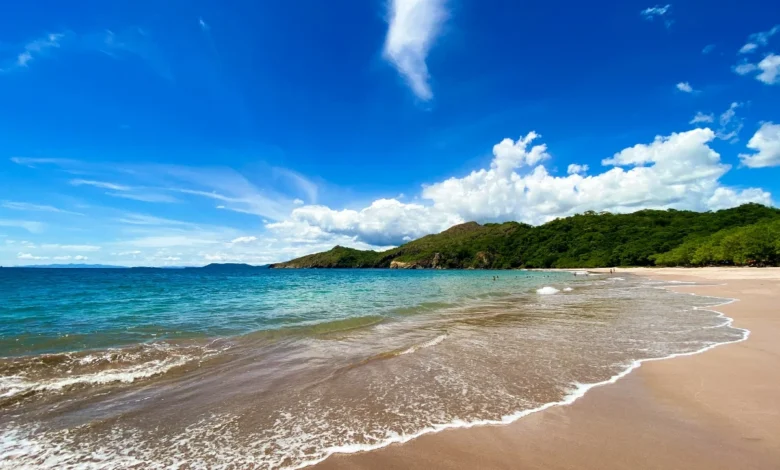
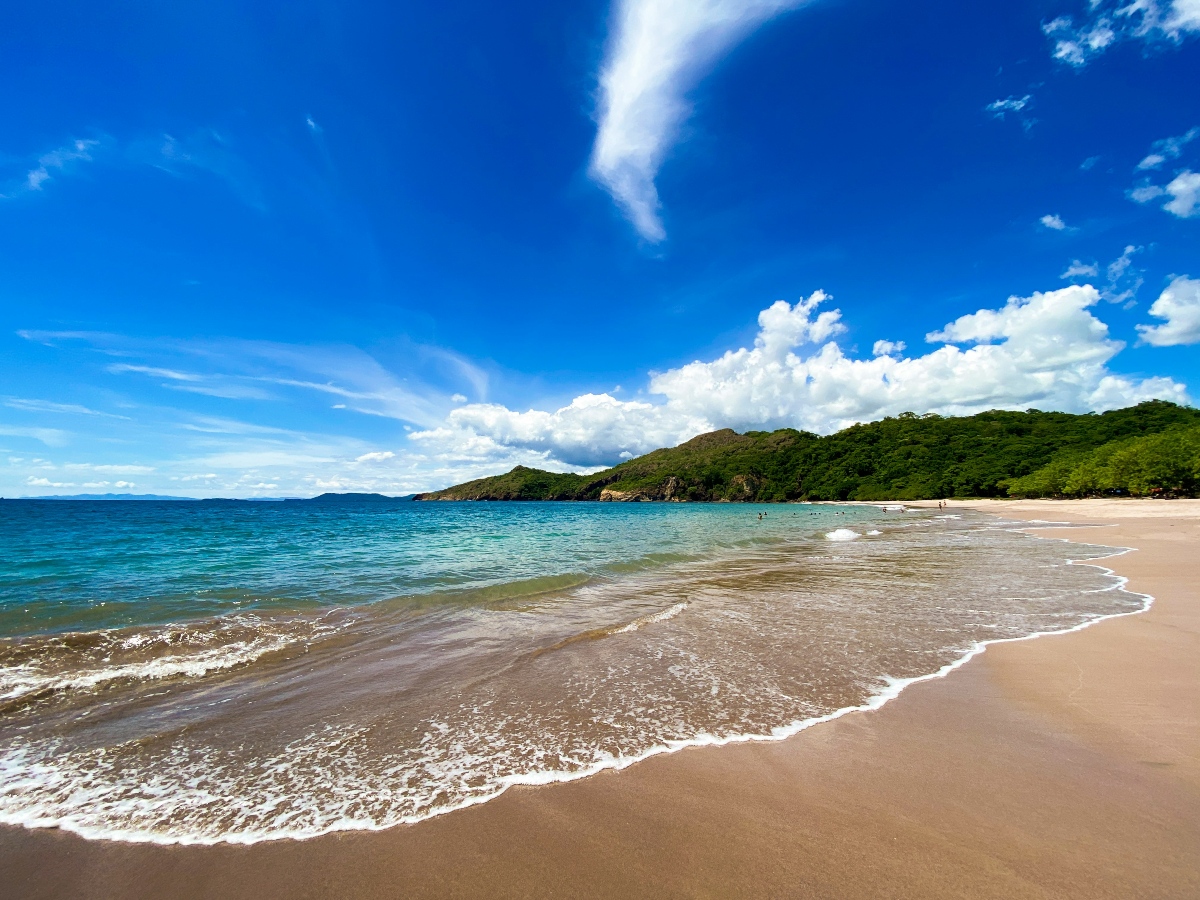
Guanacaste dominates Costa Rica’s northwest frontier, where the Pacific coastline transitions from the serene coves of the Peninsula Papagayo to the prominent surf breaks of Tamarindo and Nosara. Moving inland, the landscape shifts dramatically into rolling ranchland and volcanic terrain, anchored by Rincón de la Vieja. This territory maintains a distinct sabanero (cowboy) cultural heritage that distinguishes it from the rest of the country.
Family-centric activities in Guanacaste cater to a broad demographic. Children can receive beginner surf instruction on the gentle waves of Tamarindo, embark on catamaran excursions to observe marine wildlife, or hike through Rincón de la Vieja National Park to explore active waterfalls, bubbling mud pots, and geothermal hot springs. The region also features numerous wildlife rescue centers and equestrian trails along the coast.
Logistical Considerations: A significant advantage for families is Guanacaste’s proximity to Daniel Oduber Quirós International Airport (LIR) in Liberia, with many resorts located within a 30- to 45-minute drive. This minimizes post-flight transit stress for young children. However, the environmental tradeoff is climatic: the prolonged dry season that ensures guaranteed sunshine also leaves the inland hills parched and brown by March, while natural beach shade can be sparse.
The Caribbean Coast: Cultural Richness and Biodiversity
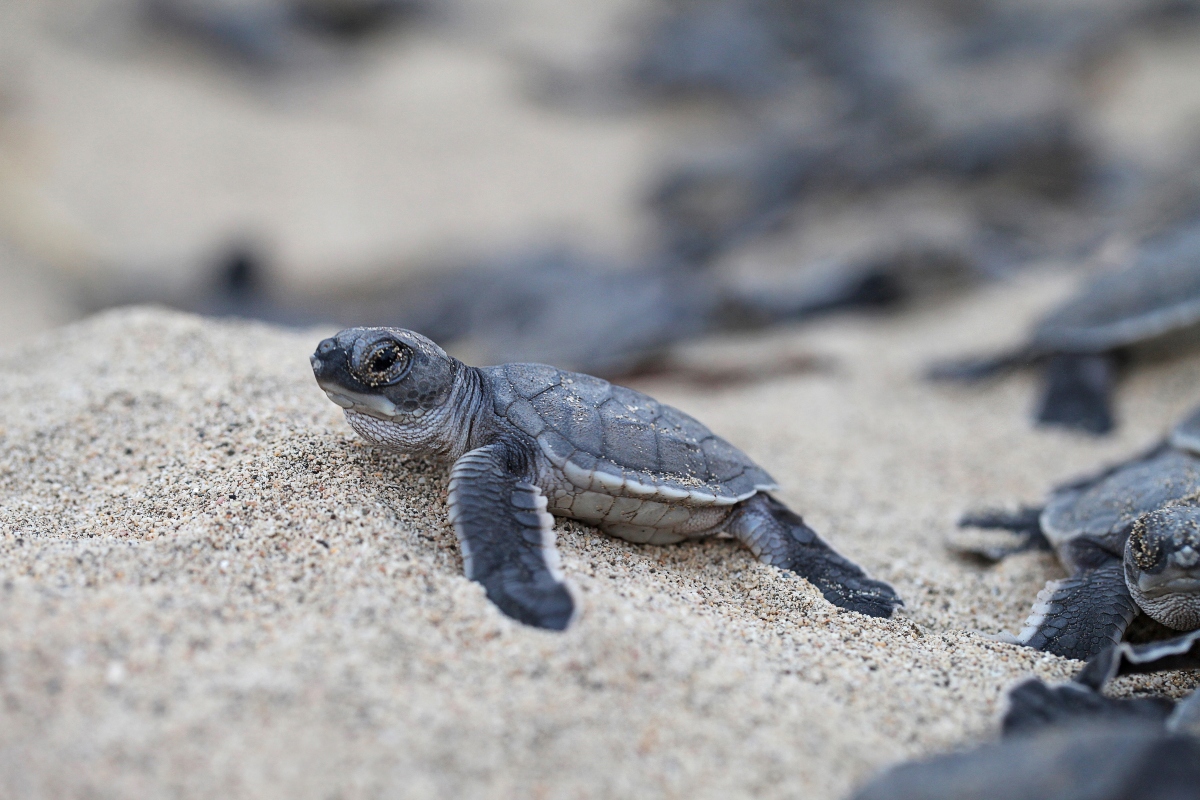
The Caribbean coast offers a distinctly different cultural and ecological atmosphere, heavily influenced by Afro-Caribbean and Bribri Indigenous traditions, regional reggae music, and Creole gastronomy. Puerto Viejo and Cahuita anchor a dense jungle-meets-ocean ecosystem boasting some of the highest biodiversity indices in the nation. Farther north, the intricate canal system of Tortuguero forms a roadless labyrinth accessible only by boat or aircraft, serving as a critical nesting sanctuary for endangered sea turtles.
Ecologically, the Caribbean zone is significantly wetter, denser, and less commercialized than its Pacific counterpart. Visitors frequently snorkel the coral reefs of Cahuita National Park, observe sloths, white-faced capuchin monkeys, and toucans along coastal paths, or paddle through the Tortuguero canals at dawn to sight caimans and exotic avians. The relaxed coastal atmosphere accommodates bicycle rentals, artisanal chocolate-making workshops, and aquatic recreation.
Logistical Considerations: Accessing the southern Caribbean requires a substantial time commitment. Puerto Viejo is situated more than a four-hour drive from San José, while Tortuguero necessitates mandatory water transport or regional flights governed by strict luggage weight restrictions. Travelers must also account for seasonal weather patterns; green sea turtle nesting peaks between July and October, coinciding with a localized drier window in September and October when the Caribbean experiences a respite from rains while the Pacific coast endures its wettest months.
The Nicoya Peninsula: Rugged Landscapes and Longevity
Positioned just south of Guanacaste, the Nicoya Peninsula presents a more rustic and secluded coastal environment. Areas such as Santa Teresa and Montezuma rely on unpaved dirt roads rather than major thoroughfares, connecting long stretches of undeveloped coastline. Notably, the Nicoya Peninsula is officially designated as one of the world’s rare Blue Zones—geographic regions where residents experience a disproportionately high rate of longevity, with many individuals surpassing 90 years of age. This lifestyle is mirrored in the unhurried pace of local village communities.
The peninsula is ideally suited for families seeking unstructured, nature-oriented itineraries, including tide-pooling, horseback riding, and treks to the Montezuma waterfalls. Maritime excursions to Isla Tortuga provide calm, transparent waters for swimming and snorkeling.
Logistical Considerations: Transit logistics vary considerably depending on the specific destination. Northern hubs like Nosara are accessible via Liberia, whereas southern points generally require utilizing the Puntarenas-Paquera ferry, circumnavigating the Gulf of Nicoya by vehicle, or flying into Tambor. Because numerous rural routes remain unpaved and susceptible to heavy degradation during the green season, high-clearance four-wheel-drive vehicles are mandatory. In exchange, travelers gain access to remarkably secluded beaches.
The Central Valley: Heartland and Coffee Country
Encircled by mountain ranges and volcanic peaks, the Central Valley functions as the demographic and economic core of Costa Rica. Containing the capital city of San José alongside the nation’s primary international aviation hub, Juan Santamaría International Airport (SJO), the region houses roughly two-thirds of the country’s population. Its elevated, temperate climate has historically sustained the nation’s premier coffee-producing estates.
Agritourism thrives here, with historic plantations offering educational tours that illustrate the bean-to-cup lifecycle for older children, alongside botanical gardens frequented by hummingbirds. Day excursions to the Poás or Irazú volcanic craters, as well as regional butterfly conservatories, provide convenient educational interludes at the beginning or conclusion of an international journey.

Logistical Considerations: Situated at altitudes frequently exceeding 3,000 feet, the Central Valley benefits from a naturally cooling climate characterized by warm days and crisp evenings, offering a welcome climatic contrast after lowland excursions.
The Northern Region: Volcanoes, Rainforests, and Adventure
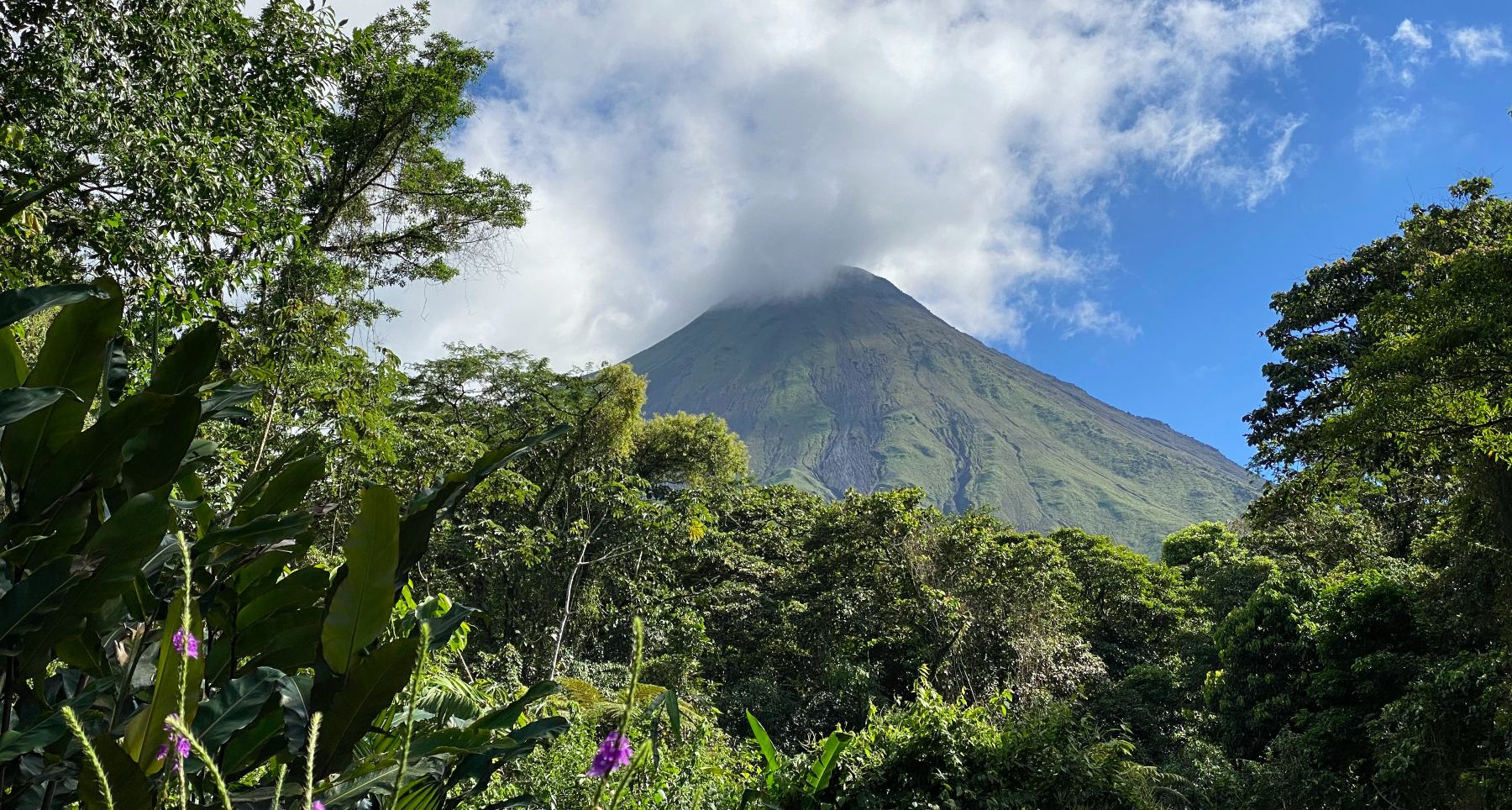
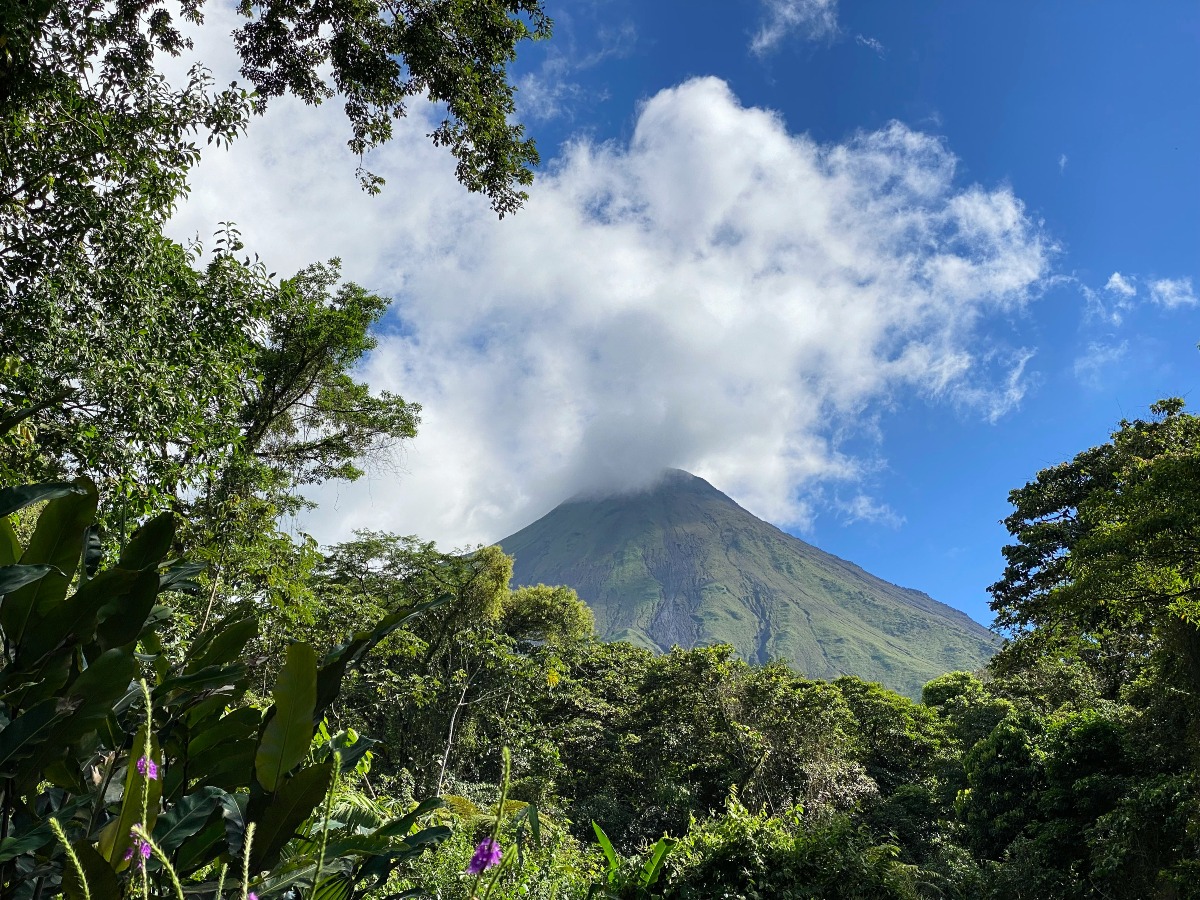
Spanning the interior lowlands toward the northern frontier, the Northern Region is anchored by the symmetrical cone of the Arenal Volcano and the adventure capital of La Fortuna. This territory also encompasses the ecologically vital wetlands of Caño Negro and, along its western perimeter, the elevated Monteverde Cloud Forest, representing one of the most concentrated zones for ecotourism and high-adrenaline pursuits in Central America.
Beyond thermal hot springs, families can traverse suspended rainforest bridges, navigate the Peñas Blancas River via safari float to spot wildlife, or participate in guided nocturnal biodiversity walks. High-intensity activities such as zip-lining, canyoning, and whitewater rafting are readily available.
Logistical Considerations: La Fortuna is accessible from both San José and Liberia airports via three- to four-hour road transfers. The region accommodates a wide age range, offering gentle thermal soaking for young children and rigorous outdoor adventure sports for teenagers. Geography is a critical factor; Monteverde and La Fortuna are geographically separated by Lake Arenal and rugged terrain, making them unsuitable for casual day trips between one another and necessitating separate lodging bases.

The Central Pacific: Accessibility and Abundant Wildlife
The Central Pacific coastline packs a high density of ecological and recreational attractions within a compact geographical area easily reached from the capital. Manuel Antonio pairs a compact national park with white-sand beaches where wild monkeys and sloths frequently inhabit the immediate shoreline. Adjacent Jacó offers robust surf infrastructure and urban amenities.
For first-time visitors or those restricted to shorter vacation timelines, the Central Pacific provides the most efficient introduction to Costa Rican biodiversity. Guided traverses through Manuel Antonio National Park yield high probabilities of encountering white-faced capuchins, squirrel monkeys, iguanas, and sloths without requiring deep wilderness trekking. Mangrove kayak tours and sunset marine cruises complement the coastal itinerary.
Logistical Considerations: Manuel Antonio lies approximately three hours from San José along primarily paved infrastructure, facilitating rapid transit. However, this accessibility correlates with high visitor volume. The national park enforces strict daily capacity caps and requires advance reservations, and the surrounding municipality is significantly more developed than other coastal zones.
The South Pacific: Remote Wilderness and Marine Reserves
Representing Costa Rica’s most geographically isolated and rugged frontier, the South Pacific grows progressively wilder and more ecologically dense toward the southern border. Corcovado National Park and the Osa Peninsula protect pristine lowland rainforests that support staggering levels of global biodiversity, serving as a primary destination for serious naturalists and conservation-focused travelers.
The region is defined by remote eco-lodges, the dramatic Talamanca mountain range, and the distinctive Whale’s Tail sandbar formation within Marino Ballena National Park. It is designed for deep ecological immersion rather than streamlined convenience. Families with older children can undertake guided treks through Corcovado to sight Baird’s tapirs, scarlet macaws, and all four native monkey species, or join specialized marine expeditions for seasonal humpback whale observation.
Logistical Considerations: Accessing the Osa Peninsula typically requires regional flights, boat transfers, or prolonged overland travel over unpaved routes. Park entry requires strict advance permitting and mandatory certified naturalist guides. Because of the physical demands of high heat, humidity, and extensive trail walking, the South Pacific is generally recommended for families with older children and teenagers accustomed to active outdoor exploration.