Fly Tot Review: An In-Depth Analysis of Inflatable Airplane Cushions for Toddler Travel

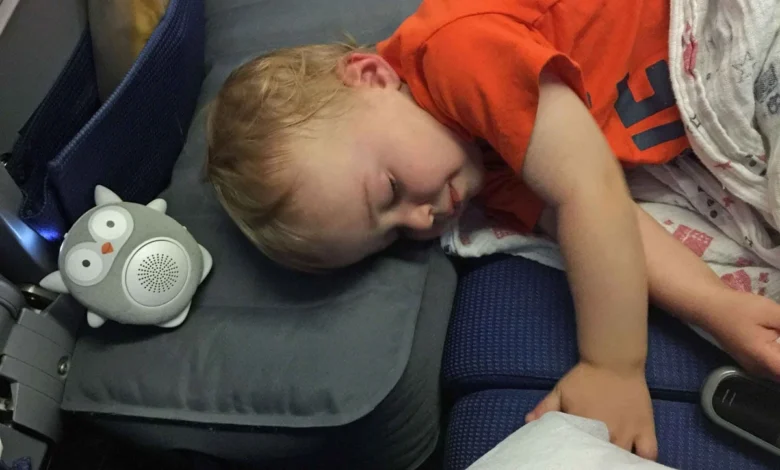
Navigating long-haul international flights with toddlers remains one of the most demanding scenarios for modern families, often characterized by cramped seating, limited mobility, and the struggle to secure adequate rest for young children. As air travel demand rebounds, parents are increasingly turning to specialized gear to mitigate the physiological and behavioral stresses of flying with children. Among these, the Fly Tot—an inflatable airplane cushion designed to extend the usable footprint of an economy seat—has emerged as a focal point in the debate over cabin comfort and safety. This analysis explores the evolution of the Fly Tot, its technical improvements, and the shifting regulatory landscape surrounding its use in commercial aviation.

The Evolution of the Inflatable Airplane Bed
The concept behind the Fly Tot is relatively straightforward: by filling the gap between a passenger’s seat and the seat in front, the device creates a level, extended surface. This transition from a traditional upright seat to a flat platform aims to provide children with the ability to lie down, significantly increasing the likelihood of sleep.
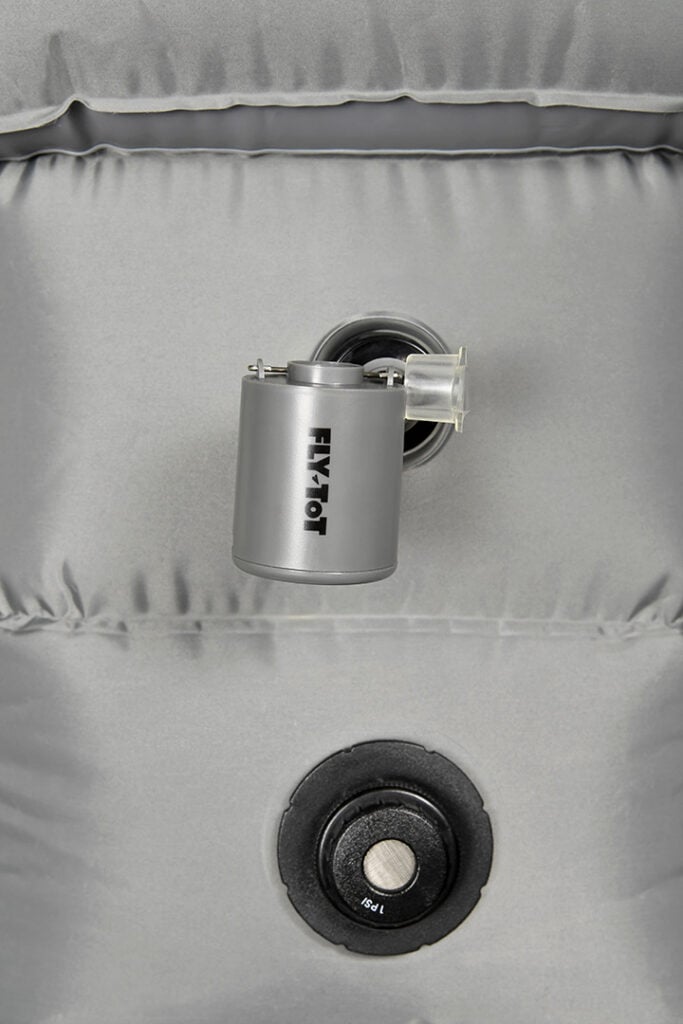
The original iteration of the product, which gained popularity nearly a decade ago, provided a manual solution for parents managing 10-hour-plus red-eye flights. However, the product line has recently undergone a significant technical overhaul with the introduction of the Fly Tot Plus. This updated model addresses several historical pain points identified by travelers, including the logistical challenges of inflating large cushions in constrained spaces. The current model features a patented two-width design, allowing for greater versatility across varying aircraft seat configurations, and includes a high-efficiency, rechargeable electric "Tiny Pump" that replaces the cumbersome manual pumps of previous years.

Technical Advancements and Safety Integration
Beyond convenience, the Fly Tot Plus introduces safety-conscious design choices. The most notable among these is the integration of an automatic emergency safety release valve. Designed to mitigate risks associated with sudden cabin depressurization, this valve automatically facilitates deflation, a crucial safety feature given the rigid constraints often imposed by aviation authorities regarding inflatables. Furthermore, the product has adopted a tapered design to maintain access to under-seat equipment, such as life vests and in-flight entertainment hardware, which is a frequent requirement for airline certification.

These engineering shifts reflect a broader trend in travel gear, where manufacturers are increasingly aligning their products with the stringent requirements of international carriers. Despite these advancements, the manufacturer specifies that the Fly Tot Plus is intended for children between the ages of 2 and 8, marking a clear departure from earlier, less-defined usage guidelines.

The Regulatory Landscape and Airline Policy
While the efficacy of these cushions in promoting sleep is well-documented by anecdotal evidence from frequent-flying families, their integration into commercial aviation is far from universal. There is no global standard governing the use of inflatable footrests or seat extenders; policies remain at the discretion of individual airlines.
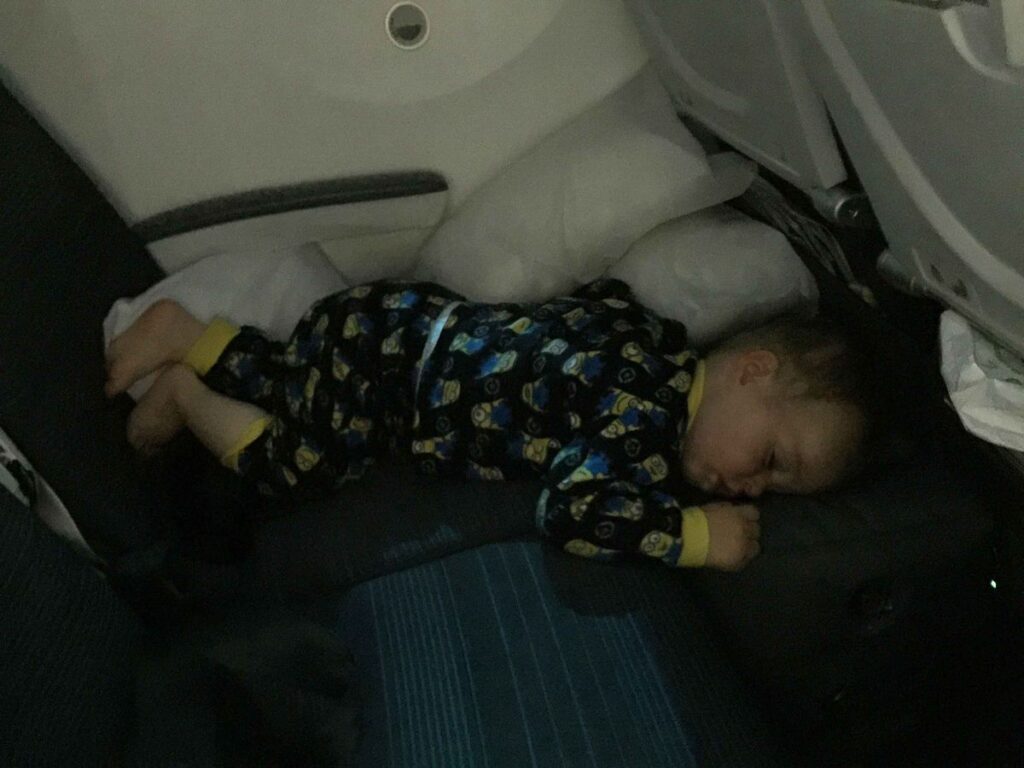
For the average consumer, the regulatory landscape is fragmented. Some carriers explicitly permit the use of such devices during the cruise phase of flight, while others have implemented outright bans, citing concerns over cabin egress and potential obstruction of emergency procedures. The prevailing consensus among safety experts is that the final authority rests with the cabin crew. Passengers are consistently advised that even if a device is permitted by airline policy, a crew member may demand its removal if they deem it a safety hazard during specific flight phases, such as taxi, takeoff, or landing.

Data-Driven Benefits for Long-Haul Families
For families undertaking long-haul travel, the impact of such devices on child behavior is significant. Sleep deprivation in toddlers is a primary driver of cabin disturbances. Data from various family-travel studies suggest that when children are provided with the physical capacity to lie flat, the frequency of disruptive episodes—such as excessive crying or movement—decreases.
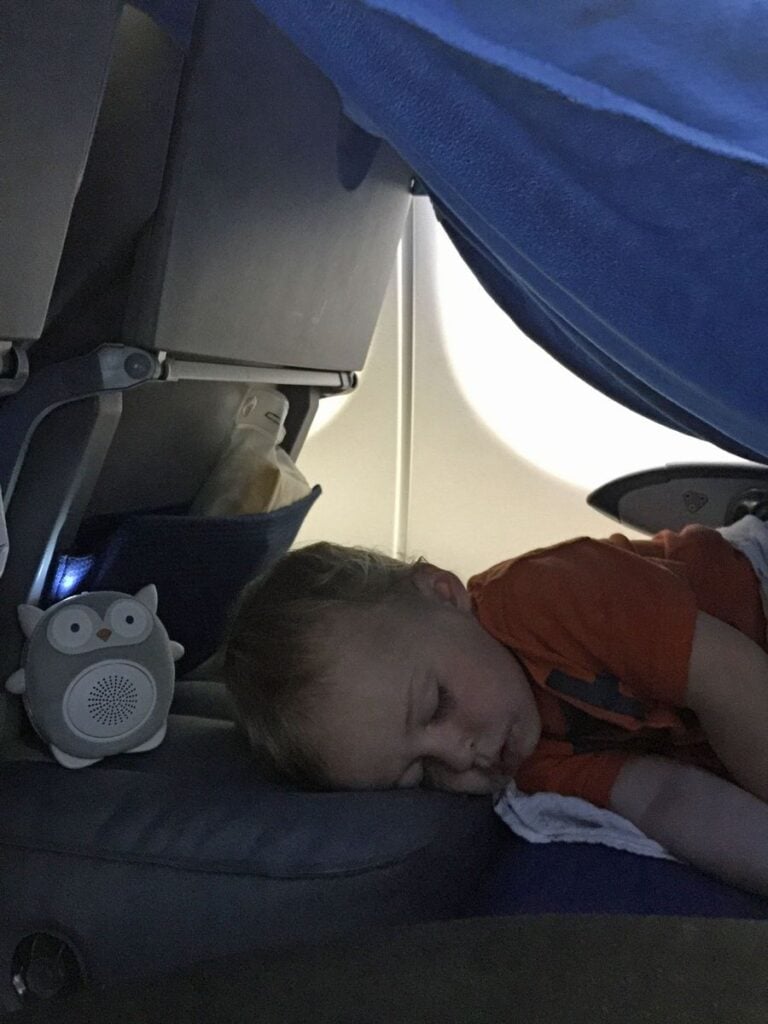
From an ergonomic perspective, these cushions solve the "dangling leg" problem, which often leads to poor circulation and discomfort for younger passengers. By providing a stable base for the lower limbs, the Fly Tot allows for a more natural sleeping position. The longitudinal benefits for parents are equally measurable: the reduction in physical stress and the ability to maintain their own comfort while a child sleeps on an extended platform can drastically alter the trajectory of a family vacation.

Strategic Implementation and Best Practices
Successful utilization of an inflatable airplane cushion requires rigorous preparation. Journalists and travel experts emphasize several "best practice" steps to ensure compliance and comfort:

- Pre-Flight Verification: Before booking, families should check the airline’s specific website for policies regarding "inflatable footrests" or "seat extenders." Relying on outdated internet forums can lead to disappointment at the boarding gate.
- Strategic Seating: Use of these devices is almost universally limited to window seats or middle seats in a center block. They must not be placed in positions that obstruct aisle access, as this violates standard emergency evacuation protocols.
- Operational Timing: The device should only be inflated once the "fasten seatbelt" sign has been extinguished. Maintaining compliance with cabin crew instructions is paramount; should a crew member request that the device be stowed, immediate compliance is required.
- Practice and Familiarization: Understanding the mechanics of the valve and the electric pump prior to arriving at the airport prevents frustration during the already stressful boarding process.
Economic Implications for Families
The Fly Tot represents a significant investment, particularly for families who may only fly long-haul once or twice a year. However, when viewed through the lens of travel efficiency, the return on investment (ROI) is often calculated in terms of "saved sanity." For frequent travelers, the durability of the materials used in current models suggests they are capable of withstanding multiple transcontinental journeys. Conversely, for the occasional traveler, the cost may be difficult to justify, leading many to seek out rental options or, in some cases, budget-friendly, less-durable alternatives.

The Future of In-Flight Comfort
As the airline industry continues to focus on premium economy and enhanced passenger experience, the popularity of devices like the Fly Tot highlights a gap in the standard economy offering. While airlines are unlikely to standardize the provision of lie-flat beds in the economy cabin, the rise of "travel hacks" and third-party gear underscores a persistent demand for improved comfort at the back of the plane.

The Fly Tot’s evolution from a simple inflatable cushion to a tech-integrated, safety-conscious product serves as a microcosm for the broader "family travel" market. By bridging the gap between basic amenities and the need for specialized care, such products are changing the calculus of international travel for young families. As long as long-haul air travel remains a core component of global mobility, the necessity for such innovative solutions—provided they meet the rigorous safety standards of the aviation industry—will likely persist.

In conclusion, while the Fly Tot Plus offers a demonstrable advantage in comfort and potential for rest, families should view it as a discretionary convenience rather than a guaranteed solution. Its successful use is contingent upon proactive research into specific airline policies, a commitment to cabin safety protocols, and an understanding of the device’s limitations. As the industry evolves, the ongoing dialogue between manufacturers, airlines, and passengers will determine how these tools continue to influence the future of the in-flight experience for the youngest generation of travelers.