The modern travel landscape is increasingly dominated by overtourism, standardized itineraries, and predictable beach resorts that offer comfort at the cost of authentic cultural immersion. As global tourism rebounds beyond pre-pandemic peaks, travelers are increasingly seeking alternatives that challenge their perceptions, test their physical endurance, and foster genuine connections with remote communities. Channeling the sentiment of Henry David Thoreau—who famously observed that it is not until we are lost that we begin to understand ourselves—a growing sector of the adventure travel industry is shifting focus toward paths less traveled.
In response to this paradigm shift, major expedition operators, including global sustainable travel leader Intrepid Travel, have released comprehensive collections of unorthodox itineraries for the upcoming travel cycle. Highlighting remote hiking routes in the Caucasus, alternative island escapes in Southeast Asia, and community-led conservation tourism in East Africa, these routes are designed to dismantle comfort zones and replace routine with discovery. Industry analysts note a 35% year-on-year increase in consumer demand for off-grid, low-impact travel destinations that actively bypass congested tourist hubs.
The Evolution of Offbeat Travel and the Not Hot List Phenomenon
The concept of intentionally bypassing mainstream destinations has evolved from a niche backpacking trend into a mainstream movement driven by environmental consciousness and the desire for deeper psychological rewards. Initiatives such as the annual Not Hot List serve as a direct challenge to traditional tourism marketing. Rather than promoting destinations experiencing hyper-growth and strain on local infrastructure, these indexes direct attention toward under-visited regions where tourism revenue can directly support conservation and local economies.
Economic data from global tourism boards indicates that distributing traveler density away from major hotspots reduces carbon footprints, mitigates habitat degradation, and ensures that the financial benefits of tourism are distributed equitably among Indigenous populations. By focusing on lesser-known regions, travelers not only escape the crowds but also participate in a sustainable model of global mobility.
1. Glimpse Greenland’s Wild West
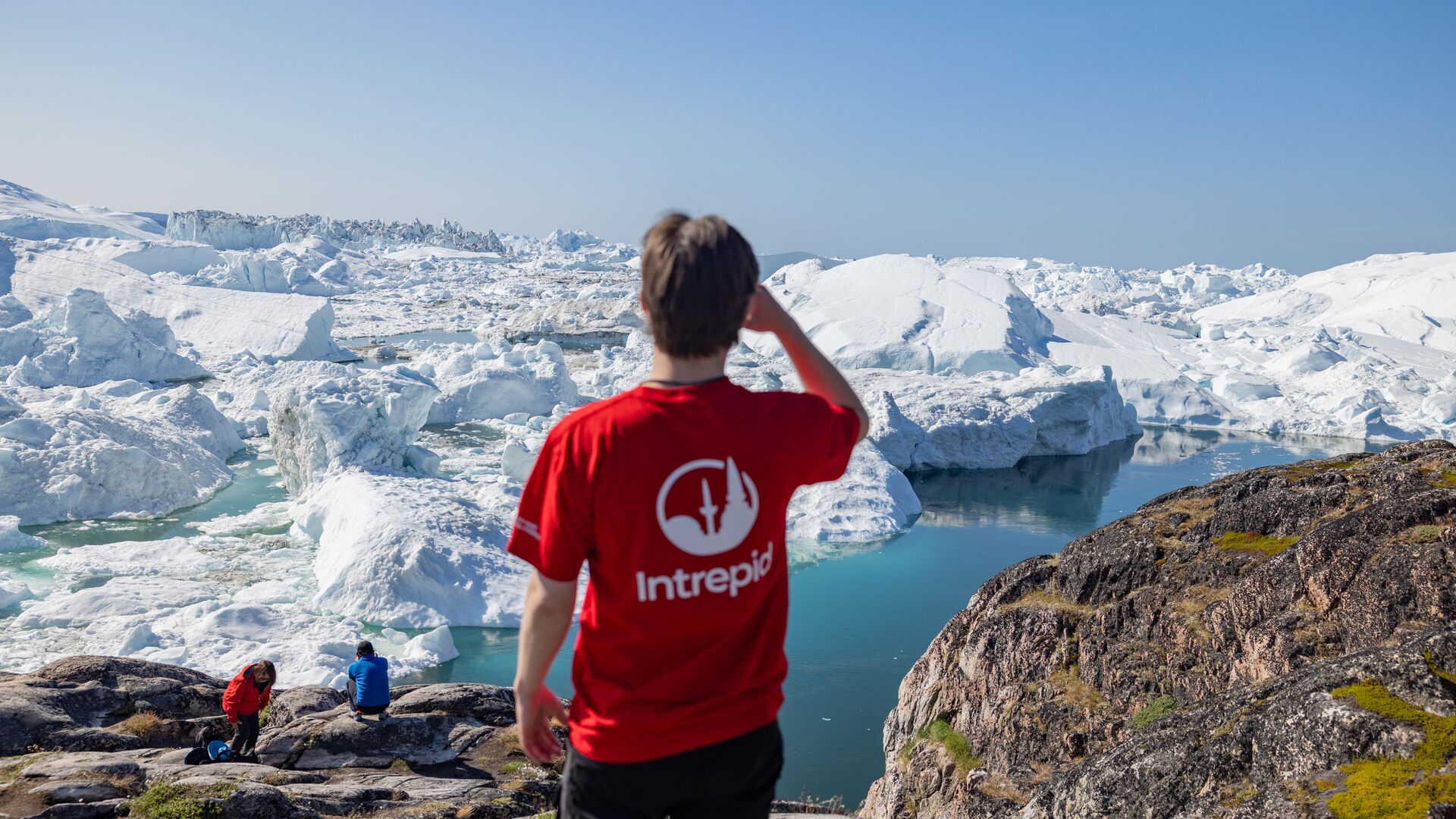
In the high Arctic, western Greenland is emerging as a premier destination for travelers seeking pristine wilderness combined with cutting-edge sustainable architecture. The region, centered around Disko Bay and the UNESCO-protected Ilulissat Icefjord, offers dramatic encounters with nature where massive icebergs calve from the Sermeq Kujalleq glacier.
Travelers engaging with this landscape can base themselves at innovative properties like the Ilimanaq Lodge, where iceberg-shaped, private-terrace accommodations merge modern luxury with remote geography. Guided explorations through the historic Inuit settlement of Sermermiut and boat excursions across Disko Island provide deep context into Arctic maritime history and contemporary Indigenous life, offering an experience far removed from standard European holiday packages.
2. Hike Georgia’s Remote Caucasus Mountains
The northwestern Svaneti region of Georgia has long captured the imagination of mountaineers, yet it remains remarkably difficult to access. Fabled for its dramatic alpine peaks, crisp air, and medieval defensive tower houses built by the Indigenous Svan people, the region represents a cornerstone of Transcaucasian trekking.
Recent infrastructure improvements combined with strict community-led preservation efforts have opened the area to careful exploration. Trekkers navigating the route between Mestia’s Chalaadi glacier and the high-altitude meadows of Ushguli experience a landscape that is both rugged and culturally distinct. Tourism economists highlight that regulated trekking tourism in Svaneti provides vital winter income for families in isolated mountain villages, helping to stem rural depopulation.
3. Go Deeper in Jordan’s Northern Highlands
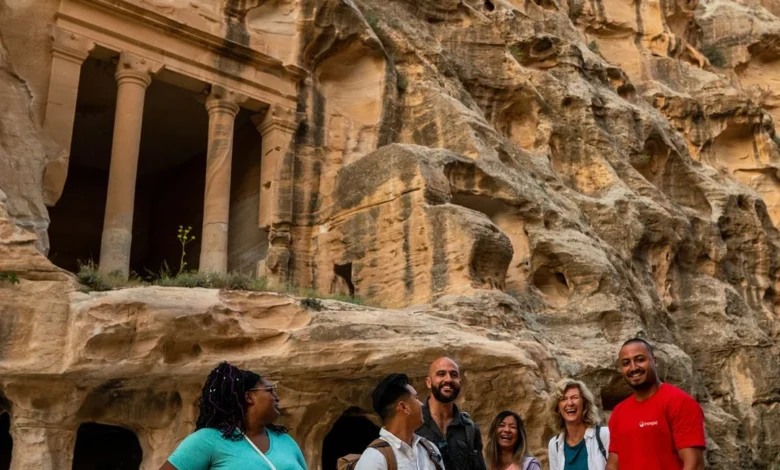
While Jordan’s tourism identity has historically been defined by the desert grandeur of Wadi Rum and the archaeological marvels of Petra, the country’s green northern highlands offer an entirely different ecological and cultural narrative. Characterized by dense protected forest reserves such as Ajloun, Yarmouk, and Dibeen, this fertile region showcases a Mediterranean climate and rolling hills that contrast sharply with southern deserts.

Recent tourism initiatives in the north emphasize community-based tourism. Visitors engage directly with local artisans, community beekeepers, and traditional cheesemakers, staying in community-run guesthouses. This decentralized approach to tourism guarantees that visitor expenditures directly benefit rural households, reinforcing Jordan’s national strategy to diversify its tourism product and extend the average length of visitor stays.
4. See Rwanda From the Saddle
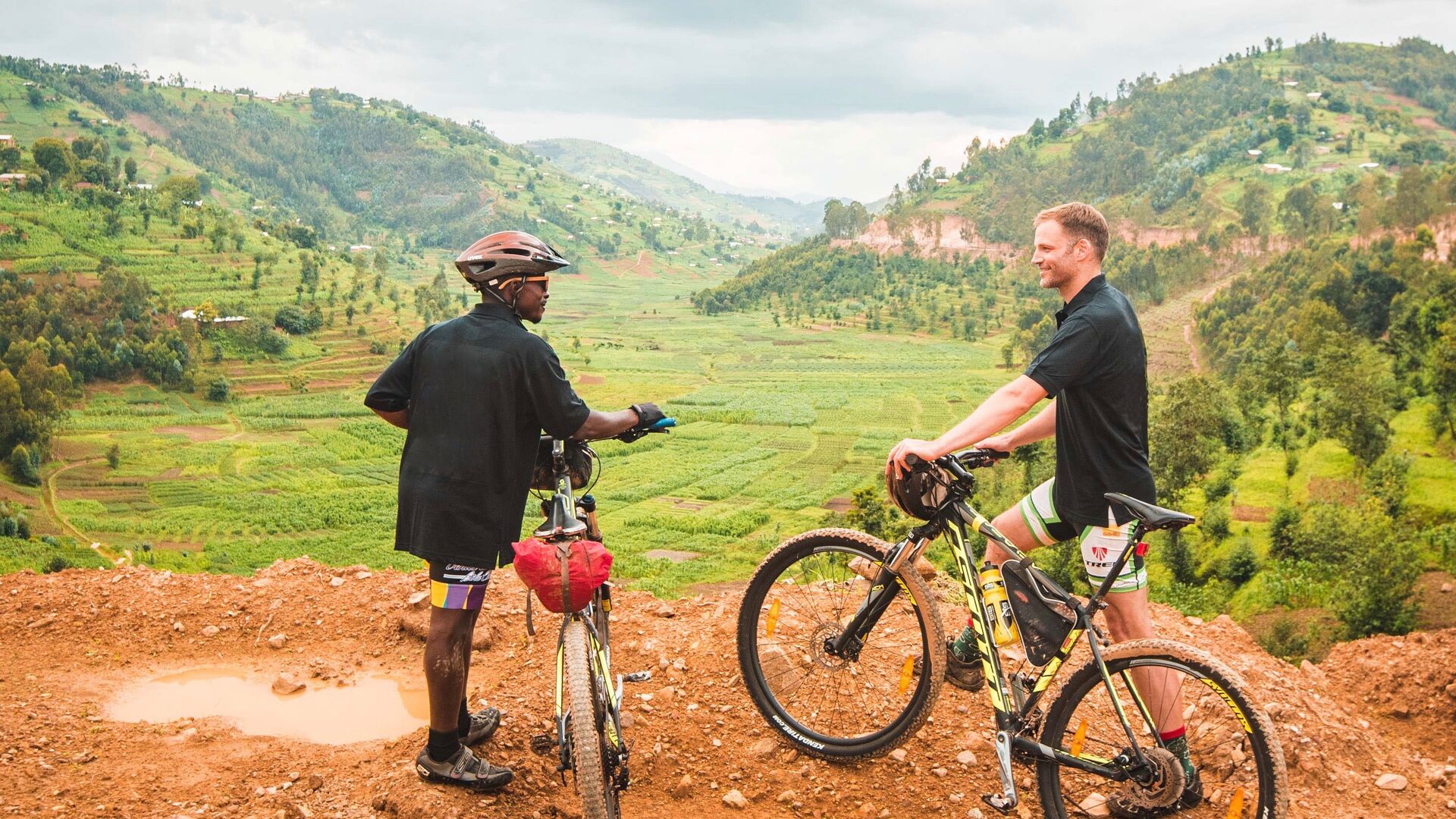
Famed as the "Land of a Thousand Hills," Rwanda presents an exceptionally demanding physical landscape that has recently become a premier destination for endurance cycling. The development of multi-use pathways, including sections of the Congo Nile Trail and routes utilized during the UCI Road World Championships, allows cyclists to traverse high-altitude national parks in the chimpanzee-frequented Nyungwe forest and the misty valleys of the Virunga Mountains.
Beyond the physical challenge, cycling tourism in Rwanda provides a slow-travel framework that connects urban centers with remote agrarian communities. Observers note that integrating two-wheeled exploration with traditional conservation activities—such as optional mountain-gorilla tracking—maximizes the economic value of each visitor while supporting the country’s stringent wildlife protection mandates.
5. Slow Travel in the Yukon Capital
Whitehorse, the capital of Canada’s Yukon territory, has successfully transitioned from a transit hub for miners and adventurers into a cultural destination in its own right. Rather than rushing through the northern wilderness, contemporary itineraries emphasize multi-night stays designed to foster dialogue with First Nations communities.
Collaborations with local Tlingit guides and members of the Kluane First Nation allow visitors to gain historical perspective on the Yukon river systems and subarctic survival. By embedding cultural education alongside access to natural phenomena like geothermal hot springs, this model of northern tourism honors Indigenous sovereignty and promotes respectful engagement with fragile northern ecosystems.
6. Alternative Island Escapes in Sumba
As traditional tourism hubs in Southeast Asia grapple with infrastructural strain, neighboring islands like Sumba in Indonesia are stepping forward as serene alternatives to Bali. Characterized by megalithic tombs, distinctive peaked-roof thatch houses in villages like Ratenggaro and Prai Ijing, and wild sandalwood ponies roaming coastal hills, Sumba offers a culturally rich environment largely untouched by mass tourism.
Responsible tourism initiatives on the island focus on participatory cultural exchanges, including traditional farming activities, local music and dance workshops, and community-led coastal preservation. Natural attractions such as the turquoise Waikuri Lagoon and the pristine sands of Puru Kambera and Walakiri Beach remain unblemished, protected by local customary laws (adat) that regulate land use and environmental stewardship.
7. Explore Mexico’s Central Heartland
Beyond the coastal resorts and metropolitan centers, Mexico’s central heartland harbors diverse ecosystems and deep-rooted cultural traditions. Journeys through Guanajuato and the surrounding agave fields of Guadalajara offer insight into the agricultural and musical heritage of the region, tracing the production of tequila from field to bottle.
The itinerary culminates in the Sierra Gorda Biosphere Reserve, a geographically complex protected area featuring dramatic cloud forests, semi-desert canyons, and microclimates that shelter rare endemic species, including the axolotl. Conservation biologists emphasize that ecotourism in the Sierra Gorda provides critical funding for anti-poaching patrols, reforestation efforts, and environmental education programs for local youth.
8. Stargaze in Kenya’s Samburu
While Kenya’s Maasai Mara and Amboseli National Park command the majority of safari traffic, the arid northern expanse of Samburu National Reserve offers a more intimate wildlife viewing experience. Home to the "Samburu Special Five"—endemic northern species including the reticulated giraffe, Grevy’s zebra, Beisa oryx, Gerenuk, and Somali ostrich—Samburu provides a distinct ecological study compared to southern savannas.

Innovative tourism programs in the region have expanded to include astro-tourism, combining traditional folklore with professional astronomy sessions around campfires beneath unpolluted skies. Coupled with visits to rhino sanctuaries in Ol Pejeta and birdwatching expeditions on Lake Nakuru within the Great Rift Valley, these low-density safaris support local conservation trusts and empower pastoralist communities through employment and craft-market access.
9. Discover the Real Maldives
The Maldives is globally synonymous with ultra-luxury overwater bungalows and private resort islands, but a parallel movement toward local island tourism is offering travelers an authentic window into Maldivian life. By utilizing local guesthouses, ferry networks, and community-run dining initiatives on inhabited islands such as Goidhoo, Thuladhoo, and Thoddoo, travelers bypass the resort bubble entirely.
This decentralized model of island tourism allows visitors to share home-cooked meals with local families, accompany fishermen on daily outings, and participate in community-led marine conservation and reef-cleaning initiatives. Economic analysts point out that local island tourism keeps a significantly higher percentage of tourism revenue within the Maldivian economy compared to foreign-owned resort franchises.
10. Seek Peace on Sri Lanka’s Pekoe Trail
Sri Lanka’s tea country has long been celebrated for its mist-shrouded hills and colonial-era rail journeys, but the recent establishment of the Pekoe Trail has added a new dimension to highland exploration. Spanning 300 kilometers of meticulously mapped footpaths across the central highlands, the trail connects historic tea estates, rural hamlets, and dense forests.
By traversing select sections of the trail on foot, travelers experience the landscape at a pedestrian pace, avoiding vehicular congestion and engaging directly with estate workers and rural communities. Overnight stays in camps set within the heart of Tea Country provide an immersive experience of the region’s agricultural heritage while dispersing visitor numbers away from traditional urban cultural sites.

11. Admire Norway’s Winter Wonderland
In the Arctic extremes of northern Norway, the winter polar night offers a dramatic setting for extreme weather expeditions. Traveling through the fjord-indented landscapes of the Skjervoy archipelago during periods of low sunlight requires specialized preparation, including thermal gear traditionally associated with Nordic outdoor pursuits.
Expeditions in this region focus on wildlife tracking—including encounters with migrating orcas and humpback whales—alongside husky-mushing safaris, snowshoeing, and deep engagement with Indigenous Sami reindeer-herding communities. Travel safety experts emphasize the importance of experienced local guides in navigating extreme sub-zero conditions, ensuring that high-latitude tourism remains safe, sustainable, and respectful of local wildlife habitats.
12. Intergenerational Discovery: Family Travel in Taiwan
Modern family travel is increasingly moving away from passive resort stays and generic amusement parks in favor of active, educational journeys that appeal across generations. In Taiwan, newly developed family itineraries are designed for children and adults alike, incorporating hands-on culinary workshops where participants craft regional specialties such as bubble tea, beef noodle soup, and traditional bao.
These journeys combine urban night-market explorations with outdoor adventures, including cycling excursions around Sun Moon Lake, walking tours along Shifen’s historic railway street, and ecological visits to tropical islands like Lambai, which serves as a protected sanctuary for green sea turtles. Educational specialists note that experiential family travel fosters cross-cultural empathy and environmental awareness in younger travelers, laying the groundwork for mindful global citizenship in the decades to come.